
Pruning
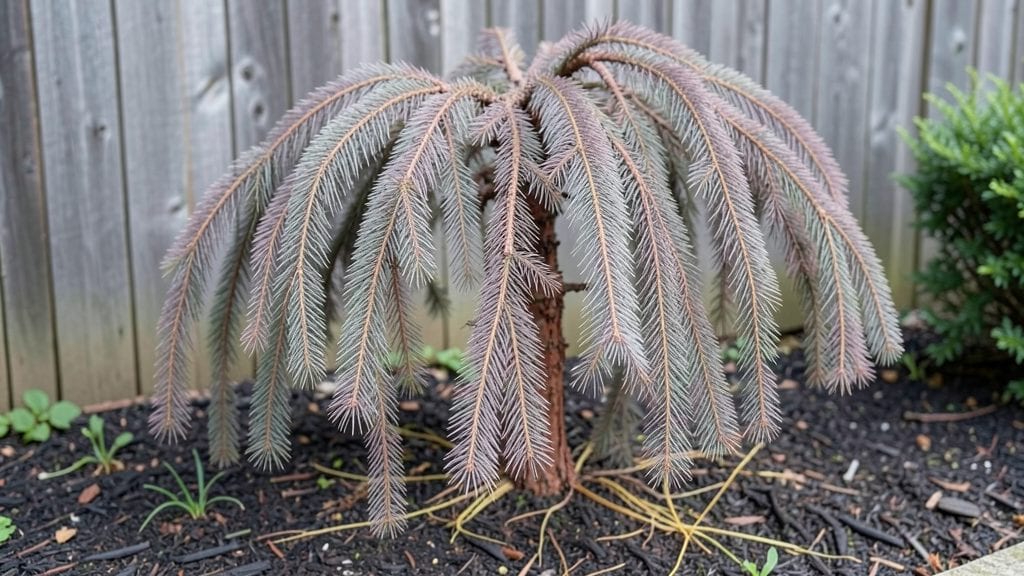
Planting a red sequoia tree in your Pacific Northwest yard means adding a living monument that thrives where others fail—its deep red bark and feathery foliage become the centerpiece of any landscape.
I remember the first time I saw one in a misty Oregon forest: the way its branches arched like a cathedral ceiling, untouched by frost despite the chill. That same resilience grows in your own backyard with the right care.
The secret to its success starts with well-draining soil and full sun exposure—at least six hours daily—but it handles partial shade better than most conifers. Water deeply once a week after planting, then let nature take over; once established, this tree drinks only when others thirst.
In the Pacific Northwest’s damp winters, its roots stay protected by a thick mulch layer, while summers reward you with 3-foot annual growth in ideal conditions.
What you’ll end up with is a frost-resistant giant that outlives most garden plants, its vibrant bark deepening with age. The ornamental value? Unmatched—whether you’re framing a driveway, anchoring a garden corner, or simply wanting a tree that outshines the neighbors’.
Pruning is minimal, mostly just removing dead branches, so maintenance stays simple once it’s settled in.
This tree handles USDA zones 4-8, making it perfect for Portland to Seattle and beyond. The only real challenge? Patience—it takes 10-20 years to reach its full 40-foot height, but every season brings you closer to that forest-like grandeur. Ready to grow one that lasts centuries?
📚 In This Guide
- What you need
- Instructions
- Tips and common mistakes
- Wrapping up and next steps
What you need
- ● Red sequoia seedlings or saplings: 1-3 (choose locally sourced or nursery-grown for best adaptation). Size: 1-3 feet tall for optimal transplanting success.
- ● Well-draining soil mix: 50% native soil, 30% compost, 20% perlite or coarse sand (for aeration). Quantity: Enough to fill a 12" deep planting hole.
- ● Organic mulch: 3-4 inches of wood chips or pine needles (to retain moisture and regulate temperature).
- ● Pruning tools: Bypass pruners (for small branches, <1.5" diameter)
- ● Loppers (for medium branches, 1.5"-3" diameter)
- ● Pruning saw (for thick branches, >3" diameter)
- ● Disinfectant: 70% isopropyl alcohol or bleach solution (1 part bleach to 9 parts water) to sterilize tools.
- ● Support stakes: 2-3 bamboo or metal stakes (6 feet tall) + soft tree ties (for young saplings).
- ● Slow-release fertilizer: Balanced 10-10-10 or organic options like fish emulsion (apply in early spring).
- ● Drip irrigation system: For consistent moisture (red sequoias love deep watering!).
- ● Tree wound dressing: Pruning sealant (controversial but useful for large cuts >2" in diameter).
- ● Garden gloves: Heavy-duty work gloves to protect hands during pruning.
- ● Weather-resistant tarp: 10' x 10' (to protect seedlings from harsh rain/snow during establishment).
Step-by-step instructions for growing a red sequoia tree
Here's how to cultivate this majestic Pacific Northwest giant with precision and patience.
Select and Prepare the Planting Site
Choose a location with well-draining soil and full sun exposure—at least 6 hours of direct sunlight daily. Red sequoias thrive in USDA Hardiness Zones 5-8, making them ideal for the Pacific Northwest's climate. Clear the area of weeds and rocks, then loosen the top 12 inches of soil with a shovel or tiller to improve aeration.
Test the soil pH—red sequoias prefer slightly acidic to neutral soil (pH 6.0-7.0). If your soil is too alkaline, amend it with sulfur or peat moss before planting. Avoid low-lying areas where cold air pools, as young trees are vulnerable to frost damage despite their resilience.
Plant the Red Sequoia Sapling at the Right Time and Depth
Plant your 2-3 year-old sapling in early spring or fall, when temperatures are mild. Dig a hole twice as wide as the root ball but only as deep—the top of the root ball should sit 1-2 inches above ground level to prevent waterlogging. This elevation helps roots establish in wet Pacific Northwest climates.
Gently remove the sapling from its container and loosen any circling roots. Place it in the hole, ensuring the root flare (where roots meet the trunk) is visible above the soil line. Backfill with native soil mixed with compost to encourage root growth. Water deeply to settle the soil and eliminate air pockets.
Establish Proper Watering and Mulching for Early Growth
Water the sapling deeply once a week for the first two growing seasons, ensuring moisture reaches 12-18 inches down. Red sequoias are drought-tolerant once established, but young trees need consistent moisture. Check soil moisture by inserting your finger 3 inches deep—water when dry. Avoid overhead watering to prevent fungal diseases.
Apply a 3-inch layer of organic mulch (like wood chips or bark) around the base, keeping it 6 inches away from the trunk. Mulch retains moisture, regulates soil temperature, and suppresses weeds. Replenish mulch annually to maintain its protective layer. Monitor for signs of stress, like yellowing needles, which may indicate overwatering or poor drainage.
Prune and Protect for Long-Term Health
Prune in late winter or early spring before new growth begins. Remove dead, diseased, or crossing branches using clean, sharp pruners. Avoid heavy pruning—red sequoias grow slowly, and aggressive cuts can stress the tree. Focus on shaping the canopy to allow sunlight to reach the lower branches, promoting a fuller tree.
Young saplings may need protection from deer or rodents in the Pacific Northwest. Use tree guards or fencing for the first few years. Once established, red sequoias develop thick bark that deters pests naturally. Fertilize lightly in early spring with a balanced, slow-release fertilizer (10-10-10) if growth appears stunted, but avoid over-fertilizing, which can harm roots.
Monitor and Maintain for Lifelong Growth
Inspect your red sequoia seasonally for signs of pests like bark beetles or diseases like root rot. Pacific Northwest climates can bring mild fungal issues, so ensure proper air circulation and avoid compacting soil around the base. If you notice needle drop or wilting, adjust watering or check for drainage problems.
Red sequoias grow 1-2 feet per year and can live for centuries with minimal care. After 5 years, reduce watering to once every 2-3 weeks unless drought conditions persist. Enjoy watching this frost-resistant giant thrive—its rugged beauty will dominate your landscape for generations.
Tips & tricks for perfect red sequoia tree cultivation
Here's what I've learned from years of growing these Pacific Northwest giants—details that make all the difference between a struggling sapling and a thriving centuries-old tree.
Soil Preparation Secret: Don't just loosen the top 12 inches of soil—consider adding a layer of coarse sand or perlite to the bottom of your planting hole if your native soil is particularly dense. This creates better drainage right where the roots need it most, especially important in the Pacific Northwest's wetter climates. Think of it as giving your sequoia's roots a head start in their waterlogged environment.
Planting Depth Insight: That 1-2 inch elevation of the root ball above ground level is critical—it prevents water from pooling around the roots during our region's frequent rains. I've seen many growers skip this step, only to watch their saplings develop root rot within months. Use a level to ensure perfect positioning, and consider adding a small mound of soil around the base to further enhance drainage.
Watering Strategy: When you're checking soil moisture at 3 inches deep, pay attention to the texture between your fingers. The soil should feel moist but not soggy—like a wrung-out sponge. In summer months, you might need to water every 5-6 days instead of weekly, especially if we're experiencing our typical Pacific Northwest heatwaves. The key is consistent moisture without waterlogging, which these trees despise.
Mulch Mastery: While the 3-inch layer of organic mulch is perfect, I've found that adding a 1-inch layer of gravel or small rocks just beneath the mulch creates an additional moisture barrier. This prevents the mulch from compacting against the trunk and helps maintain that crucial air gap. Plus, it makes weed control even more effective by creating a physical barrier between mulch and soil.
Pro Tips for Red Sequoia Tree
- Here's what I've learned from years of growing these Pacific Northwest giants—details that make all the difference between a struggling sapling and a thriving centuries-old tree.
- Soil Preparation Secret: Don't just loosen the top 12 inches of soil—consider adding a layer of coarse sand or perlite to the bottom of your planting hole if your native soil is particularly dense.
- Planting Depth Insight: That 1-2 inch elevation of the root ball above ground level is critical—it prevents water from pooling around the roots during our region's frequent rains.
Frequently asked questions
about growing and caring for a red sequoia tree (Sequoiadendron giganteum) in the Pacific Northwest:1. How cold can a red sequoia tree tolerate?
A red sequoia is one of the most frost-resistant conifers, thriving in USDA zones 6-9. It can handle temperatures down to -15°F (-26°C) and even brief dips to -20°F (-29°C) with proper acclimation. In the Pacific Northwest, its natural resilience makes it ideal for winter-prone regions like Oregon and Washington.
2. How fast does a red sequoia grow, and when should I prune?
Young trees grow 2-3 feet per year, while mature giants add 1-2 feet annually. Prune late winter or early spring (Feb–March) before new growth starts. Avoid heavy pruning in fall—it stresses the tree. Light shaping in early summer is okay, but prioritize deadwood removal year-round.
3. Do red sequoias need special soil, and how much water do they need?
They prefer well-draining, slightly acidic soil (pH 5.0–7.0) but adapt to loamy or sandy soils. Water deeply 1–2 times per week for the first year, then taper to monthly deep watering once established. Overwatering causes root rot—they’re drought-tolerant once mature!
4. Can I grow a red sequoia in a container, or should I plant it directly?
While possible in large containers (3+ ft diameter), red sequoias thrive best when planted directly in the ground. Their massive root systems (up to 100+ feet wide) struggle in pots long-term. If container-grown, use fast-draining mix and repot every 3–5 years.
5. Why are my red sequoia needles turning brown?
Brown needles often signal overwatering, fungal issues (like root rot), or nutrient deficiency. Check soil moisture—let it dry slightly between waterings. If fungal, treat with copper fungicide and improve drainage. Yellowing? Likely iron or nitrogen deficiency—amend soil with compost or slow-release fertilizer.
Pro tip: Mulch with wood chips (3–4 inches) to retain moisture and protect roots in PNW’s wet winters!
Wrapping up and next steps
The Red Sequoia Tree isn’t just a majestic symbol of the Pacific Northwest—it’s a resilient, frost-hardy giant that can thrive with the right care. By mastering pruning techniques, understanding its growth habits, and providing the ideal environment, you’re not just nurturing a tree; you’re cultivating a legacy. 🌲✨
Ready to take the next step? Start small—plant a sapling or refine your pruning skills this season. Every cut and every season brings your Red Sequoia closer to becoming a towering, fire-resistant masterpiece. Your future forest begins now!