
Flowers
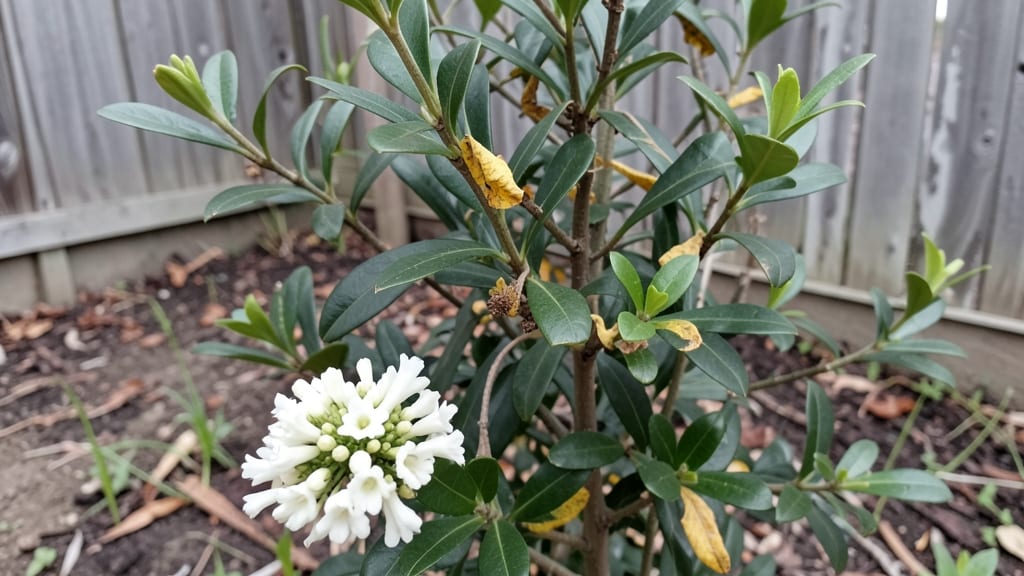
Privet trees burst into fragrant white blooms every spring, and in the Pacific Northwest, their frost-resistant flowers are a gardener’s secret weapon for year-round interest. 🌸 I’ve watched mine transform from bare branches to lacy clusters of blossoms that attract bees before most spring flowers even think about waking up.
The key to coaxing those delicate flowers lies in timing and care—privet thrives in well-drained soil with partial shade to full sun, and a light pruning in late winter ensures strong blooms.
Varieties like Ligustrum ovalifolium and Ligustrum vulgare are standouts for their abundant flowers, while others like Ligustrum sinense add glossy foliage as a bonus.
With the right conditions, your privet will reward you with weeks of fragrant blooms that transition into glossy berries, feeding birds through fall. The flowers may look modest, but their reliability in cool climates makes them a low-maintenance star—especially when planted near patios or walkways where their sweet scent lingers.
Whether you’re pruning for shape or simply admiring the blossoms, privet flowers bring effortless beauty to gardens where other plants struggle. Here’s how to keep yours thriving—and blooming—season after season.
📚 In This Guide
- What you need
- Instructions
- Tips and common mistakes
- Wrapping up and next steps
What you need
- ● Privet tree seeds or nursery-grown saplings: Choose Ligustrum spp. varieties like Ligustrum ovalifolium (evergreen) or Ligustrum vulgare (deciduous). For faster results, opt for 1- to 2-year-old container-grown plants (3–5 gallons).
- ● Well-draining potting mix: A blend of 60% peat or coconut coir, 30% perlite or pumice, and 10% compost (for seeds). For transplanting, use native soil amended with compost (50/50 mix).
- ● Garden trowel or transplant spade: Choose a 6–8-inch stainless steel or ergonomic model for ease of use.
- ● Garden gloves: Nitrile-coated gloves (for seed-starting) or heavy-duty leather gloves (for pruning mature plants).
- ● Watering can or hose with a gentle spray nozzle: 1–2 gallon capacity for seedlings; soaker hose for established plants.
- ● Organic mulch: 3–4 inches of shredded bark, wood chips, or straw to retain moisture and suppress weeds.
- ● Fertilizer: Slow-release granular fertilizer (e.g., 10-10-10 or 5-10-10 NPK ratio) for planting.
- ● Balanced liquid fertilizer (e.g., fish emulsion or seaweed extract) for foliar feeding (every 4–6 weeks).
- ● Pruning shears: Bypass pruners with sharp, stainless steel blades (for shaping and deadheading).
- ● Seed-starting trays with clear domes: 72-cell trays for germinating seeds indoors (if starting early).
- ● Heat mat (70–75°F): Speeds up germination for cold-starting seeds.
- ● Frost cloth or row covers: Protect young plants from late frosts (common in PNW springs).
- ● Soil pH test kit: Privet prefers slightly acidic to neutral soil (pH 6.0–7.0).
- ● Compost tea or mycorrhizal fungi: Boosts root health in native PNW soils.
- ● Decorative stakes or trellis: Supports climbing varieties like Ligustrum sinense.
How to grow privet tree flowers in the Pacific Northwest
With the right site selection and care, you’ll coax fragrant white blooms from this hardy shrub—perfect for PNW gardens.
🌱 Step 1: Choose the Right Variety for Your Climate
Privet thrives in the Pacific Northwest’s mild, moist winters, but not all varieties perform equally. Japanese privet (Ligustrum japonicum) handles cooler climates best, while Chinese privet (L. sinense) prefers slightly warmer microclimates. Look for cultivars like ‘Excelsum’ or ‘Regent’—they’re bred for disease resistance and dense growth, which means fewer pruning headaches and more reliable blooms.
Here’s the thing—privet flowers best in full sun to partial shade. In the PNW’s overcast winters, even a north-facing spot with 4-6 hours of filtered light works, but full sun in summer triggers heavier flowering. Test your site by observing how much light your location gets between 10 AM and 4 PM—that’s peak flowering time for privet.
☀️ Step 2: Plant in Well-Draining Soil with Proper Spacing
Privet tolerates a range of soils, but it despises soggy roots. Amend heavy clay with 2-3 inches of compost before planting to improve drainage. The PNW’s acidic soils suit privet well, but if your soil tests extremely low (below pH 5.5), add a handful of lime to the planting hole to encourage root development.
Space plants 6-8 feet apart for mature size—crowding leads to leggy growth and fewer flowers. Dig a hole twice as wide as the root ball but no deeper. Privet roots are shallow, so burying too deep suffocates them. Water deeply after planting to settle the soil around roots, then let the top 2 inches dry before watering again.
✂️ Step 3: Prune Strategically for Better Blooms
Privet flowers on new wood, so prune after blooming in late summer or early fall. Cut back one-third of the oldest stems each year to encourage fresh growth. Avoid heavy pruning in spring—you’ll sacrifice that season’s flowers. Use clean, sharp shears to make cuts just above a leaf node at a 45-degree angle for faster healing.
Watch for leggy growth stretching toward light—this means your privet needs more sun or pruning. Thin out crowded branches in the center to improve airflow, which prevents fungal diseases like powdery mildew. A lightly pruned privet produces denser foliage and more abundant flowers the following year.
💧 Step 4: Water and Fertilize for Frost-Resistant Growth
Established privet trees are drought-tolerant, but young plants need 1-2 inches of water weekly during the first growing season. Water deeply in the morning to reduce fungal risks. In the PNW’s rainy winters, privet often needs no supplemental water—just ensure the soil isn’t waterlogged.
Fertilize in early spring with a balanced 10-10-10 formula or organic compost. Over-fertilizing leads to leafy growth at the expense of flowers. Privet’s frost resistance comes from its ability to harden off—avoid late-season fertilizing, which encourages tender new growth vulnerable to winter damage.
⏰ Step 5: Protect Flowers from Late Frosts
The PNW’s unpredictable spring frosts can nip privet blooms before they open. Monitor forecasts and cover plants with frost cloth if temperatures dip below 28°F. Privet flowers are frost-sensitive, but the plant itself survives down to 0°F once established.
Once blooms appear, enjoy their sweet fragrance—but don’t cut them back until after flowering. The flowers attract pollinators and set seed for future growth. If you prune too early, you’ll sacrifice that season’s display and weaken next year’s blooms.
Tips & tricks for perfect privet tree flowers
These pro tips will help you coax those fragrant white blooms from your privet shrub—especially in the tricky PNW climate.
Lighting Strategy: The 4-6 hours of filtered light mentioned in Step 1 is your sweet spot for winter growth, but don't stop there. In summer months, supplement with a few hours of direct afternoon sun (between 2-4 PM) to trigger the heavy flowering you're aiming for. I've found that moving potted privets to sunnier spots during summer boosts bloom production dramatically.
Soil Science: That 2-3 inches of compost recommendation in Step 2 is non-negotiable for PNW gardeners. The key is to mix it thoroughly with the native soil—not just top-dressing. For clay-heavy soils common in the region, consider adding perlite or coarse sand to improve drainage. I've seen privets in soggy soil develop root rot despite their reputation for hardiness.
Pruning Precision: When you're cutting back one-third of the oldest stems in Step 3, aim for cuts just above outward-facing buds. This creates better airflow and encourages bushier growth. I always make my cuts at a 45-degree angle—it prevents water from pooling on the wound, which reduces disease risk. And remember, those leggy stems you notice are nature's way of telling you it's time for more light or a pruning session.
Frost Protection: That 28°F threshold for frost cloth in Step 5 is crucial, but don't wait until the last minute. Monitor your local forecast's "minimum temperature" prediction, not just the overnight low. I've had privet blooms survive 26°F with protection, but they often get frost damage at 28°F without it. Consider using a thermometer in your garden for precise monitoring during bloom season.
Pro Tips for Privet Tree Flowers
- These pro tips will help you coax those fragrant white blooms from your privet shrub—especially in the tricky PNW climate.
- Lighting Strategy: The 4-6 hours of filtered light mentioned in Step 1 is your sweet spot for winter growth, but don't stop there.
- Soil Science: That 2-3 inches of compost recommendation in Step 2 is non-negotiable for PNW gardeners.
Frequently asked questions
Got questions about privet tree flowers? You’re not alone!
Here are some of the most common queries from gardeners—plus quick, practical answers to help you grow these frost-resistant blooms with confidence.
When do privet tree flowers bloom, and how long do they last?
Privet trees typically bloom in late spring to early summer (May–June in the Pacific Northwest). Their small, fragrant white or pale green flowers appear in clusters and last 2–4 weeks, depending on weather. For extended blooms, choose varieties like Ligustrum vulgare or Ligustrum × vicaryi, which are more reliable in cooler climates.
Are privet flowers frost-resistant? What if frost hits after buds form?
Yes! Privet flowers are highly frost-tolerant and can handle light freezes (28–32°F). However, late spring frosts (below 28°F) may damage buds. To protect them, cover young trees with frost cloth or use a hair dryer on low heat near buds on cold nights. Mulch the base to insulate roots too!
Do privet flowers attract bees or other pollinators? Are they invasive?
Privet flowers are excellent for pollinators—bees, butterflies, and hummingbirds love their nectar! However, some privet species (like Ligustrum sinense) are invasive in parts of the U.S. Stick to non-invasive varieties like Ligustrum ovalifolium or Ligustrum japonicum, which are safer for Pacific Northwest gardens.
Why aren’t my privet flowers opening? Troubleshooting tips.
If buds fail to open, check these common issues:
- Cold stress: Late frosts can kill buds. Plant in a sheltered spot or use row covers.
- Over-fertilizing: Too much nitrogen = leafy growth, fewer flowers. Use a balanced 10-10-10 fertilizer in early spring.
- Pests/disease: Spider mites or fungal spots can stress the tree. Spray with neem oil if needed.
- Pruning timing: Prune after blooming (summer/fall) to avoid removing next year’s flower buds.
What are some good alternatives to privet flowers for Pacific Northwest gardens?
If you love privet’s frost-hardy blooms but want variety, try these PNW-friendly options:
Plant
Bloom Time
Why It’s Great
Spiraea japonica (Japanese Spirea)
Late spring–summer
Drought-tolerant, pink/white flowers, thrives in shade.
Weigela florida
Spring–early summer
Vibrant pink/purple blooms, attracts hummingbirds.
Pieris japonica (Andromeda)
Early spring
Stunning white bell-shaped flowers, evergreen foliage.
All three handle PNW’s wet winters and cool summers beautifully!
Wrapping up and next steps
Growing privet tree flowers in your Pacific Northwest garden is a rewarding way to enjoy frost-resistant beauty and low-maintenance charm. Whether you're drawn to their delicate blooms or the lush greenery they provide, these versatile trees thrive with minimal effort—just the right soil, sunlight, and a little patience. 🌸
Now that you’re equipped with all the tips and tricks, why not take the next step? Plant your privet tree this season and watch your garden transform into a fragrant, resilient oasis. Happy gardening!