
Trees
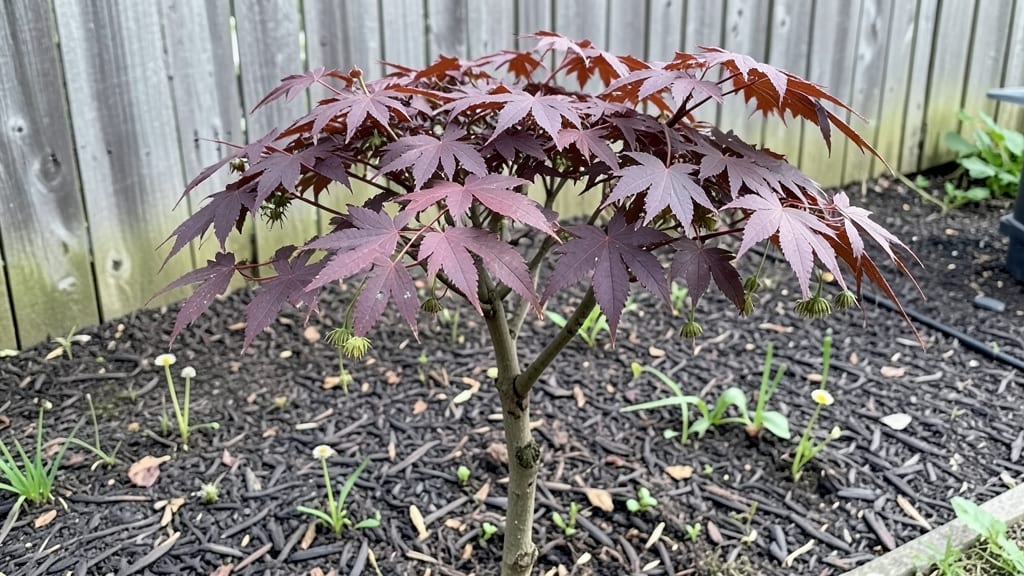
The Pacific Northwest’s boldest red trees names—like vine maple and scarlet oak—don’t just turn heads; they become hummingbird magnets year after year. 🌿 I’ve planted these showstoppers in my own yard, and the difference between a forgettable garden and a vibrant landscape is striking.
These trees aren’t just red; they’re seasonal powerhouses, shifting from fiery foliage to dramatic bark, all while attracting pollinators like nothing else.
Picture a Japanese maple with lace-like branches, its leaves blazing red in autumn while still providing shade in summer. Or the Royal Poinciana, its bright orange-red flowers drawing hummingbirds from dawn till dusk.
These aren’t just plants—they’re focal points that transform any garden into a living painting. The best part? They thrive in PNW climates, where their bold colors stand out against the evergreen backdrop.
You’ll create a garden that feels alive, with layers of color and movement. Imagine the contrast of deep red leaves against silver birch bark or the way a Scarlet Oak’s fiery foliage glows at sunset.
These trees aren’t just pretty—they’re conversation starters, drawing neighbors in and hummingbirds out. Let’s dive into the ones that’ll make your yard unforgettable.
Whether you’re working with a small urban lot or a sprawling woodland edge, these trees adapt beautifully. Pair them with evergreens for year-round interest or use them as dramatic accents near patios where their colors can be enjoyed up close.
The key is placement—strategic spots turn these trees from background players into the stars of your outdoor space.
📚 In This Guide
- What you need
- Instructions
- Tips and common mistakes
- Wrapping up and next steps
What you need
- ● Red-barked tree species: Red Alder (Alnus rubra) – Fast-growing, nitrogen-fixing, and hummingbird-friendly 🐦
- ● Red Maple (Acer rubrum) – Vibrant red foliage and flowers in spring
- ● Pacific Dogwood (Cornus nuttallii) – Striking red bracts and berries for birds
- ● Scarlet Oak (Quercus coccinea) – Bold red leaves in fall (best for warmer microclimates)
- ● Soil amendments: Compost (5–10 lbs per planting hole) for nutrient-rich soil
- ● Mulch (3–4 inches of wood chips or bark) to retain moisture
- ● Planting tools: Shovel or spade (for digging holes 2–3x wider than the root ball)
- ● Garden gloves (to protect your hands from thorns or rough bark)
- ● Watering can or hose (with a gentle spray nozzle)
- ● Hummingbird feeders (1–2) filled with 4:1 sugar-water solution (for extra attraction 🐝)
- ● Native plant companion guide (to pair with your red trees for a pollinator paradise)
- ● Tree stakes and ties (if planting in windy areas)
- ● Slow-release fertilizer (for established trees needing a boost)
How to identify and select the Pacific Northwest's most vibrant red trees
These stunning trees aren't just eye-catching—they're hummingbird superstars. Here's how to spot and choose the boldest red-foliaged varieties for your landscape.
🌿 Step 1: Recognize the Top Red-Foliaged Species
The Pacific Northwest's most striking red trees belong to three distinct categories: deciduous trees with fiery autumn color, evergreens with year-round red hues, and flowering trees that burst with crimson blooms. Start with Douglas maple (Acer glabrum), whose leaves turn brilliant scarlet in fall, or Pacific dogwood (Cornus nuttallii), which produces showy white flowers surrounded by red bracts in spring.
For evergreen impact, Oregon grape holly (Mahonia aquifolium) offers glossy red berries and deep green leaves edged in red, while red cedar (Thuja plicata 'Atrovirens') provides dense, burgundy-tinged foliage. Each species thrives in the region's mild, wet climate—just verify your site's USDA Zone 7-9 compatibility before selecting.
☀️ Step 2: Assess Light and Soil Requirements
Most red-foliaged trees demand full sun to partial shade (6+ hours of direct light daily) to maintain their vibrant colors. Pacific dogwood, for example, tolerates light shade but produces fewer flowers in deep shade, while Douglas maple thrives in open, sunny locations. Test your site's light conditions by observing how nearby trees grow—if they're lush and healthy, the conditions suit red-foliaged species.
Soil preferences vary: Dogwoods prefer well-draining, acidic soil (pH 5.0-6.0), while cedars adapt to a broader range. Amend heavy clay with 3-4 inches of organic mulch (like cedar chips) to improve drainage. Avoid planting in low-lying areas where water pools—root rot threatens these moisture-sensitive trees.
🌱 Step 3: Choose Mature Specimens for Instant Impact
For the boldest red display, select 3-5 year-old container-grown trees (like Pacific dogwood or Douglas maple) from specialty nurseries. Mature trees establish faster, resist transplant shock, and deliver immediate color. Look for symmetrical canopies and vibrant foliage—avoid specimens with yellowing leaves or sparse branches, as these signal poor health.
When purchasing, verify the tree's cultivar name (e.g., Cornus nuttallii 'Cherokee Princess') to ensure you're getting the exact red-foliaged variety. Ask the nursery about hummingbird-attracting cultivars—some, like red-flowering currant (Ribes sanguineum), are magnetically irresistible to these birds. Plant in early spring or fall to align with the tree's dormant period.
✂️ Step 4: Prune for Optimal Color and Bird-Friendly Structure
Prune red-foliaged trees in late winter (before bud break) to shape the canopy and encourage dense growth. Remove dead, crossing, or inward-growing branches first, then thin the outer canopy to improve airflow and sunlight penetration. For Pacific dogwood, avoid heavy pruning—these trees flower on old wood, so aggressive cuts reduce next year's blooms.
Create hummingbird-friendly layers by leaving lower branches intact to provide perching spots. Thin branches should be no more than ¼ inch in diameter—larger cuts risk disease entry. After pruning, apply a 2-inch layer of mulch around the base (but not touching the trunk) to retain moisture and suppress weeds.
💧 Step 5: Maintain Year-Round Care for Peak Red Foliage
Water newly planted trees deeply 2-3 times per week for the first year, then taper to once weekly during dry spells. Pacific dogwoods and Douglas maples develop deep root systems but need consistent moisture—wilting leaves signal underwatering, while yellowing foliage indicates overwatering. Test soil moisture by pushing your finger 2 inches deep; if dry, water thoroughly.
Fertilize in early spring with a balanced, slow-release fertilizer (10-10-10) to support vibrant foliage. Avoid high-nitrogen fertilizers, which promote leafy growth at the expense of color. Monitor for aphids or spider mites, common pests on red-foliaged trees—spray affected areas with neem oil as needed. With proper care, these trees will become hummingbird magnets and landscape standouts for decades.
Tips & tricks for perfect red trees Selection
Transforming your landscape into a hummingbird haven starts with knowing exactly what to look for—and what to avoid. Here are my top tips for selecting the Pacific Northwest's boldest red-foliaged trees.
Species Selection: When choosing between deciduous, evergreen, and flowering varieties, consider your garden's purpose. Pacific dogwood and Douglas maple deliver seasonal drama with their fiery autumn colors, while Oregon grape holly provides year-round interest with its glossy red berries. For maximum hummingbird appeal, prioritize red-flowering currant—its vibrant spring blooms are irresistible to these birds.
USDA Zone Verification: Before purchasing, double-check that your selected trees thrive in USDA Zones 7-9. While all these species handle the Pacific Northwest's mild climate well, microclimates can vary dramatically. A quick soil test for pH (especially for dogwoods) ensures you're providing the ideal growing conditions from day one.
Healthy Specimen Identification: At the nursery, scrutinize trees for symmetrical canopies and vibrant foliage—these are telltale signs of a thriving specimen. Avoid trees with yellowing leaves or sparse branches, as these indicate poor health. For container-grown trees, gently check the root ball; healthy roots should be white and fibrous, not brown or mushy.
Planting Timing: Plant your red-foliaged trees during their dormant periods—either in early spring (before bud break) or fall (after leaf drop). This timing minimizes transplant shock and allows roots to establish before extreme weather arrives. For mature trees, late fall planting gives roots time to settle before winter dormancy.
Pro Tips for Red Trees Names
- Transforming your landscape into a hummingbird haven starts with knowing exactly what to look for—and what to avoid.
- Species Selection: When choosing between deciduous, evergreen, and flowering varieties, consider your garden's purpose.
- USDA Zone Verification: Before purchasing, double-check that your selected trees thrive in USDA Zones 7-9.
Frequently asked questions
Got questions about the Pacific Northwest’s stunning red trees and their role in attracting hummingbirds? Here are answers to the most common queries—because every gardener deserves a little clarity!
Which red trees are the best for hummingbirds in the PNW?
The top picks are Pacific Dogwood (Cornus nuttallii) (with its iconic pink bracts), Red Alder (Alnus rubra) (early spring blooms), and Red Flowering Currant (Ribes sanguineum). These trees offer nectar-rich flowers and vibrant colors that hummingbirds love—plus, they thrive in the region’s climate!
When do red trees bloom to attract hummingbirds?
Timing varies by species:
- Red Alder: Late winter to early spring (February–March).
- Pacific Dogwood: Spring (April–May).
- Red Flowering Currant: Early to mid-spring (March–April).
Can I grow red trees in containers or small spaces?
Some can! Dwarf varieties like ‘Compacta’ Pacific Dogwood or Red Twig Dogwood (Cornus sericea ‘Kelseyi’) work well in large pots (15+ gallons). Just ensure they get 6+ hours of sun and deep watering. Pro tip: Use a trellis for vining red currants to save space!
Why aren’t hummingbirds visiting my red tree yet?
Check these fixes:
- Timing: Trees may not be in bloom yet—refer to the chart above!
- Location: Plant near shrubs or flowers (like fuchsia or salvia) for backup nectar.
- Pesticides: Avoid chemicals—hummingbirds are sensitive to them.
- Water source: Add a shallow dish with pebbles for drinking.
Are there non-native red trees that also attract hummingbirds?
Yes! Consider:
- Crimson Creeper (Lonicera sempervirens): A vine with tubular red flowers.
- Scarlet Runner Bean (Phaseolus coccineus): Edible AND hummingbird-friendly.
- Firecracker Plant (Russelia equisetiformis): Drought-tolerant and vibrant.
Wrapping up and next steps
From the striking Scarlet Oak to the vibrant Red Maple, the Pacific Northwest’s red trees aren’t just a feast for the eyes—they’re a hummingbird’s dream! 🌿 These bold beauties transform gardens into lively hubs, attracting these tiny, dazzling visitors with their nectar-rich blooms.
Whether you’re a nature lover or a budding gardener, adding one of these trees to your space is a win-win for both you and the hummingbirds.
Ready to take the next step? Start by researching the best red tree for your climate and soil, then plant it with confidence. Watch as your garden becomes a buzzing hotspot—nature’s way of saying “thank you!” 🌸