
Pruning
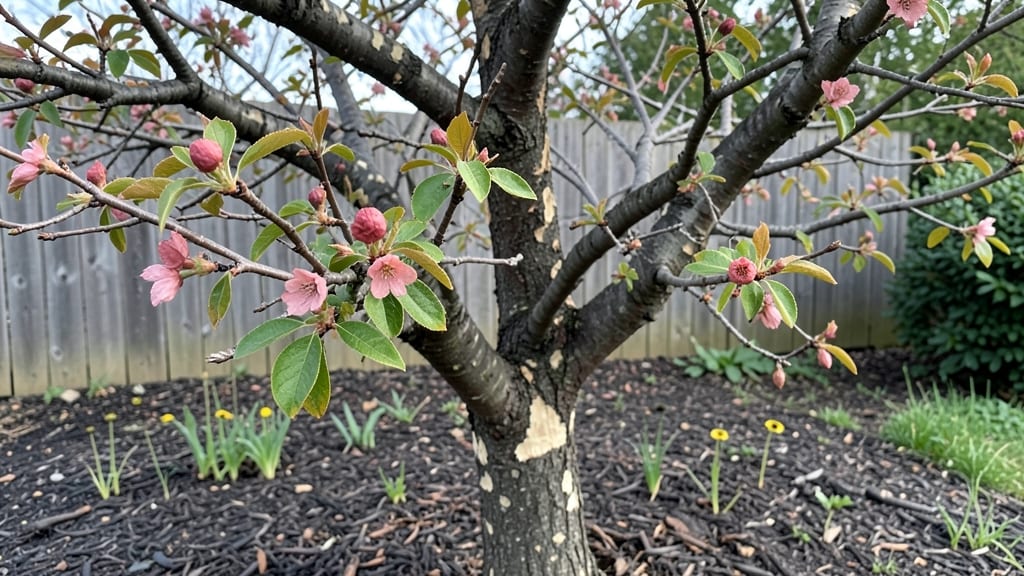
The Red Baron peach tree thrives where others fail—its cold-hardy roots let you grow sweet peaches in the Pacific Northwest’s unpredictable climate. I planted mine after years of struggling with finicky peach varieties, and now it’s the star of my orchard, producing juicy fruit even after late frosts.
The secret lies in its resilience and proper care, not some magical growing trick.
This tree needs full sun and well-draining soil, but it’s forgiving about soil quality—just avoid heavy clay. Water deeply once a week after planting, then taper off as roots establish. Pruning in late winter removes weak branches, while summer thinning opens the canopy for better airflow and fruit quality.
The payoff? A tree that rewards patience with bold red-blushed peaches that taste like summer in every bite.
Common challenges like peach leaf curl or brown rot are manageable with copper sprays and proper spacing. My tree’s biggest asset?
It sets fruit reliably even when temperatures dip below 20°F. With the right approach, you’ll harvest 10-15 pounds of fruit per tree—enough for fresh eating, jams, or sharing with neighbors. The key is consistency, not perfection.
Whether you’re a first-time grower or a seasoned orchardist, this tree adapts to small yards and urban spaces. Start with a dwarf grafted variety for easier maintenance, and you’ll enjoy peaches without the fuss. Let’s get your tree growing strong from day one.
📚 In This Guide
- What you need
- Instructions
- Tips and common mistakes
- Wrapping up and next steps
What you need
- ● Pruning shears: Bypass pruners (sharp, clean, and sterilized with rubbing alcohol or bleach solution). Choose 5-inch blades for medium branches.
- ● Loppers: For thicker branches (½–2 inches in diameter). Opt for bypass loppers with a 10-inch handle for leverage.
- ● Pruning saw: Folding handsaw (8-inch blade) for branches over 2 inches thick. Look for non-serrated teeth for clean cuts.
- ● Gloves: Heavy-duty gardening gloves (leather or reinforced) to protect against thorns and rough bark.
- ● Disinfectant: 70% isopropyl alcohol or a 10% bleach solution (1 part bleach to 9 parts water) to sterilize tools between cuts.
- ● Rag or paper towels: For wiping tools clean and dry.
- ○ Pruning sealant (optional but recommended): Tree wound paint or pruning paste (e.g., Tanglefoot Tree Wound Pruning Seal) to protect large cuts.
- ● Ladder or step stool: Sturdy, non-slip ladder (extendable if your tree is tall) or a 3-step stool for safety.
- ● Trash bags: Heavy-duty contractor bags (30-gallon) to collect pruned branches and debris.
- ● Handheld leaf blower: For quickly clearing debris after pruning.
- ● Pruning rope: 10–15 feet of nylon rope (¼-inch thick) to secure branches during heavy pruning.
- ● Safety glasses: To shield eyes from flying debris or sap.
- ● Notebook & pen: For tracking pruning notes (e.g., branch sizes, dates, or growth patterns).
- ● Tree growth regulator (if needed): Dormant oil spray (e.g., Neem Oil) to treat pests after pruning.
Instructions for planting and caring for your Red Barron peach tree
This cold-hardy variety thrives in the Pacific Northwest—here’s how to set it up for success.
Choose the Perfect Planting Site
The Red Barron peach tree needs a spot with full sun exposure (6-8 hours daily) and protection from harsh winds. In the Pacific Northwest, where winters can be damp and cool, select a location with shelter from prevailing winds—like near a fence or building—to prevent winter damage. The tree also requires well-draining soil; if your yard has heavy clay, amend the soil with 2-3 inches of compost mixed into the top 12 inches of soil before planting.
Check the site’s drainage by digging a hole about 12 inches deep and filling it with water. If the water doesn’t drain within a few hours, you’ll need to improve drainage by adding organic matter or planting in a raised bed. The Red Barron’s frost resistance means it can handle cooler climates, but poor drainage will still stress the roots.
Plant at the Right Time and Depth
Plant your Red Barron peach tree in early spring (March-April), after the last frost date for your area. This gives the roots time to establish before summer heat arrives. Dig a hole twice as wide as the root ball but no deeper—planting too deep can suffocate the roots and lead to poor growth. Gently loosen the roots if they’re tightly bound and position the tree so the graft union (a visible bump on the trunk) sits 2-3 inches above the soil line.
Backfill the hole with native soil, tamping it down lightly to remove air pockets. Water deeply to settle the soil around the roots, then create a 4-inch-high berm of soil around the tree to direct water toward the root zone. Mulch with 2-3 inches of wood chips or straw, keeping it 6 inches away from the trunk to prevent rot.
Water and Fertilize for Strong Establishment
Water your Red Barron peach tree deeply once a week during the first year, providing 1-2 gallons per watering to encourage deep root growth. In the Pacific Northwest’s cooler climate, the tree may need less water in winter, but don’t let the soil dry out completely—consistent moisture helps the roots establish. Check soil moisture by sticking your finger 2 inches deep; if it feels dry, it’s time to water.
Apply a balanced, slow-release fertilizer (10-10-10) in early spring and again in early summer, following the package instructions for application rates. Avoid over-fertilizing, as this can lead to excessive leaf growth at the expense of fruit production. The Red Barron is more cold-hardy than traditional peaches, but it still benefits from a light winter mulch (4-6 inches) in areas with harsh winters to protect the roots.
Prune for Airflow and Fruit Production
Prune your Red Barron peach tree in late winter (February-March), before new growth begins. Remove any dead, diseased, or crossing branches first, then thin out the canopy to allow sunlight and air to reach the center of the tree. Aim to keep the tree open and vase-shaped, as this improves fruit production and reduces the risk of fungal diseases common in the Pacific Northwest’s damp climate.
Cut back any suckers (shoots growing from the base of the tree) and water sprouts (vertical shoots growing from the scaffold branches) to redirect the tree’s energy into fruit production. Avoid heavy pruning in the first year—just shape the tree lightly to encourage a strong structure. The Red Barron’s frost resistance means it can handle pruning later in the season if needed, but early pruning promotes better fruit set.
Monitor for Pests and Diseases
The Red Barron peach tree is more disease-resistant than traditional peaches, but it can still fall victim to common issues like peach leaf curl or aphids. In early spring, apply a copper fungicide spray as a preventive measure against leaf curl, which thrives in the Pacific Northwest’s wet springs. Keep an eye out for aphids, which can be controlled with a strong spray of water or insecticidal soap.
Remove any fallen fruit or leaves from under the tree to reduce the risk of fungal diseases. The Red Barron’s compact size makes it easier to manage than standard peach trees, but regular monitoring ensures it stays healthy. Harvest fruit when it’s fully ripe—usually in late summer (August-September)—to enjoy the sweet, juicy peaches this variety is known for.
Tips & tricks for perfect Red Barron peach tree care
These simple yet game-changing tips will help your Red Barron peach tree thrive in the Pacific Northwest's unique climate.
Sunlight Strategy: When selecting your planting spot in Step 1, prioritize locations that get the full 6-8 hours of sunlight daily. South-facing areas work best, but avoid spots where nearby trees or structures might cast shadows later in the day. I've seen Red Barron trees struggle when they only get partial sun—those afternoon rays are crucial for fruit development and overall health.
Soil Test Tip: Before amending your soil with the recommended 2-3 inches of compost, consider getting a simple soil test kit from your local garden center. This will tell you exactly what nutrients your soil lacks, so you can tailor your compost mix more precisely. The Red Barron's cold-hardiness means it can handle our region's damp soils better than traditional peaches, but it still needs proper drainage.
Planting Depth Secret: In Step 2, when positioning your tree, make absolutely sure the graft union sits exactly 2-3 inches above the soil line. This is critical for preventing disease and encouraging strong fruit production. I've seen many gardeners accidentally bury the graft union, which can lead to weak growth and poor yields. The graft union is that visible bump on the trunk—don't bury it!
Watering Wisdom: That once-a-week deep watering in Step 3 is perfect, but here's the thing: in our cooler Pacific Northwest climate, you might need to adjust slightly. If your soil feels dry at just 1 inch deep (instead of the recommended 2 inches), it's time to water. The cooler temps mean water evaporates more slowly, so your tree might not need quite as much as the instructions suggest.
Pro Tips for Red Barron Peach Tree
- These simple yet game-changing tips will help your Red Barron peach tree thrive in the Pacific Northwest's unique climate.
- Sunlight Strategy: When selecting your planting spot in Step 1, prioritize locations that get the full 6-8 hours of sunlight daily.
- Soil Test Tip: Before amending your soil with the recommended 2-3 inches of compost, consider getting a simple soil test kit from your local garden center.
Frequently asked questions
Got questions about the Red Barron peach tree? You’re not alone!
Here are some of the most common queries from gardeners in the Pacific Northwest and beyond—plus answers to help you grow a thriving, frost-resistant fruit tree.
How cold can a Red Barron peach tree tolerate?
The Red Barron is one of the hardiest peach varieties, surviving temperatures as low as -15°F (-26°C) once established. Young trees (under 3 years) may need winter protection like mulch or burlap wraps. Pro tip: Plant in a sheltered spot to maximize frost resistance!
When’s the best time to prune a Red Barron peach tree?
Prune Red Barron trees in late winter or early spring (before buds swell) to remove dead wood and shape the canopy. Avoid heavy pruning in fall—it can stimulate late growth vulnerable to frost. Quick tip: Sterilize tools with rubbing alcohol to prevent disease!
Why aren’t my Red Barron peaches ripening evenly?
Uneven ripening often stems from inconsistent sunlight or overcrowded branches. Thin fruit clusters in early summer to 6–8 peaches per spur, and ensure the tree gets 6+ hours of sun daily. Bonus: Check for pests like aphids, which can stress the tree!
Can I grow a Red Barron peach tree from seed?
While possible, grafting is the best bet for true-to-type Red Barron trees. Seeds may produce a different variety with varying cold hardiness or fruit quality. Buy a grafted sapling from a reputable nursery for reliable results. Fun fact: Grafted trees fruit in 2–3 years!
What’s a good alternative if I can’t find a Red Barron?
Try these frost-tolerant peach varieties:
- Contender (Zone 5, reliable producer)
- Reliance (Zone 5, disease-resistant)
- Springcrest (Zone 6, early bloomer)
Wrapping up and next steps
Growing a Red Barron peach tree in the Pacific Northwest isn’t just rewarding—it’s a game-changer for frost-prone climates! With the right pruning techniques, you’ll unlock juicy, flavorful peaches year after year.
Whether you’re a seasoned gardener or just starting out, this resilient variety makes it easier than ever to enjoy homegrown fruit.
Ready to take the next step? Start small:
- 🌱 Plant your tree in well-draining soil with full sun exposure.
- ✂️ Schedule your first pruning in late winter or early spring.
- 📅 Mark your calendar for seasonal maintenance—your future peach harvest depends on it!