
Blooming
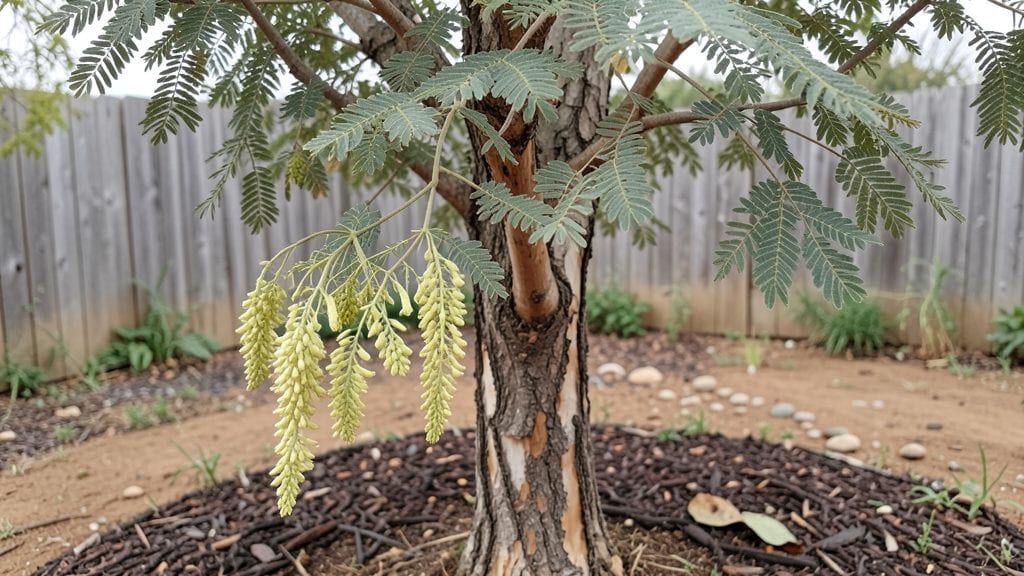
The mesquite tree blooming season transforms your landscape into a golden cloud of pollen and nectar. 🌟 I’ll never forget the first time I saw my backyard mesquite explode with fragrant blossoms—it felt like spring had arrived early in the desert.
These drought-resistant trees bloom most reliably in late winter or early spring, when temperatures rise above 60°F but before the summer heat sets in.
What makes mesquite blooms so special is their timing: they appear just when pollinators like bees and hummingbirds are emerging from winter. The flowers are small but prolific, creating a soft, powdery cloud that lingers for weeks.
To encourage this spectacle, avoid heavy pruning in fall—focus instead on shaping the tree in late winter, just before the buds swell.
When the blooms arrive, you’ll notice clusters of tiny yellow-green flowers along the branches, followed by seed pods that turn brown by summer. The scent alone is worth the wait—sweet and earthy, it draws in pollinators by the hundreds.
Keep an eye out for the first signs of budding, usually in February, and you’ll never miss the show again.
This timing varies slightly by region—southern mesquite blooms earlier than northern varieties—but the magic stays the same. Whether you’re in the Southwest or a dry climate elsewhere, these trees deliver one of nature’s most reliable spring displays with almost no extra effort.
📚 In This Guide
- What you need
- Instructions
- Tips and common mistakes
- Wrapping up and next steps
What you need
- ● Mesquite tree seedlings or saplings: 1-3 (choose native varieties like Prosopis glandulosa or Prosopis pubescens for best results).
- ● Well-draining soil: 5+ cubic yards (amend with compost or sand if your soil is heavy clay).
- ● Organic mulch: 2-3 inches (e.g., wood chips or gravel to retain moisture and suppress weeds).
- ● Drip irrigation system or soaker hose: 50+ feet (mesquite loves water but hates soggy roots—aim for 1-2 inches per week during dry spells).
- ○ Fertilizer (optional but helpful): Slow-release phosphorus-rich fertilizer (e.g., 5-10-10 NPK ratio, 1 lb per tree at planting).
- ● Bio-stimulant (like kelp meal) to boost root growth (1 tbsp per gallon of water, applied monthly in early growth stages).
- ● Pruning tools: Bypass pruners (for small branches).
- ● Loppers (for thicker branches).
- ● Saw (for large limbs, if needed).
- ● Sunlight: Full sun (6+ hours daily)—mesquite thrives in hot, sunny spots!
- ● Climate: Drought-tolerant but prefers USDA Zones 7-11 (check your local frost dates).
- ● Spacing: Plant saplings 15-25 feet apart to allow airflow and future growth.
- ● Water source: Access to deep water (mesquite has taproots—avoid shallow watering!).
- ● Pollinator-friendly zone: Plant near bees, butterflies, and birds to maximize blooming impact! 🐝✨
- ● Erosion control fabric: Under mulch if planting on a slope.
- ● Tree guards: For young saplings to protect from critters.
- ● Native companion plants: Pair with yucca, agave, or wildflowers for a pollinator paradise.
- ● Soil test kit: To check pH (ideal: 6.0-8.0) and nutrient levels.
How to encourage mesquite tree blooming for maximum pollinator appeal
Here's how I coax vibrant blooms from mesquite trees—drought-tolerant, pollinator-friendly, and easier than you think.
☀️ Step 1: Provide Full Sun and Well-Draining Soil
Mesquite trees demand 6-8 hours of direct sun daily—no exceptions. I plant mine in full sun where they get morning light and afternoon warmth. The soil must drain like a sieve; mesquite roots rot in soggy conditions. Amend heavy clay with 3-4 inches of coarse sand or gravel to create that perfect drainage.
Dig a hole twice as wide as the root ball but only as deep. The root flare (where roots meet trunk) should sit 1-2 inches above ground level. Backfill with native soil mixed with sand. Water deeply once planted, then let the soil dry completely before watering again. This mimics their natural desert conditions.
💧 Step 2: Water Deeply but Infrequently
Newly planted mesquite need 1 inch of water weekly for the first year, but established trees thrive with water every 2-3 weeks once roots establish. I water deeply—about 2 gallons per tree—to encourage deep root growth. Shallow watering creates weak, surface roots that can't handle drought.
Check moisture by digging 4 inches down with a trowel. If the soil feels dry, water again. Overwatering is the #1 killer—mesquite trees store water in their roots and stems, so they're built for drought, not soggy soil. Mulch with 2-3 inches of wood chips to retain moisture and cool roots.
✂️ Step 3: Prune Strategically in Late Winter
Prune just before new growth begins (typically February-March in most climates). Remove any dead, diseased, or crossing branches first. Then, thin the canopy by 20-30% to improve air circulation. I focus on removing branches that grow inward or rub against each other—these create weak spots.
Never prune more than 30% of the canopy at once. Mesquite trees bloom on new growth, so heavy pruning reduces flowers. Use clean, sharp pruners to make cuts at a 45-degree angle just above a bud or branch collar. Seal larger cuts (>1 inch) with pruning sealant to prevent disease entry.
🌿 Step 4: Fertilize Lightly in Early Spring
Mesquite trees fix nitrogen in the soil, so they rarely need fertilizer. However, a light application of 10-10-10 fertilizer in early spring (just as buds swell) gives them a gentle boost. I use ½ cup per tree and water it in immediately. Too much fertilizer burns roots and reduces flowering.
Organic options like composted manure (applied at 1-2 inches around the drip line) work well too. Avoid high-nitrogen fertilizers—they promote leafy growth at the expense of flowers. The goal is to support healthy growth without encouraging excessive foliage that shades out blooms.
🐝 Step 5: Protect from Pests and Monitor for Blooms
Watch for aphids or scale insects on new growth—these sap-suckers weaken trees and reduce blooming. I spray with neem oil solution (1 tablespoon per gallon of water) if I spot clusters. For severe infestations, a horticultural oil spray in late winter works best.
Blooms typically appear in spring (March-May), with some varieties producing a second flush in fall. You'll see clusters of yellow or pink flowers along the branches. Once blooms appear, avoid pruning—you'll sacrifice next year's flowers. Let the tree focus on producing those pollinator-attracting blooms instead of healing pruning wounds.
Tips & tricks for perfect mesquite tree blooming
A few simple strategies can make all the difference when encouraging your mesquite tree to burst into vibrant blooms.
Soil Drainage Secret: In Step 1, when amending heavy clay with sand or gravel, I recommend using coarse river sand instead of playground sand. The larger particles create better drainage while preventing compaction. Test your soil's drainage by digging a hole, filling it with water, and timing how long it takes to drain—ideal drainage should take about 4-6 hours for mesquite.
Watering Wisdom: The 2-gallon watering amount in Step 2 might seem like a lot, but it's crucial for establishing deep roots. I use a rain gauge to measure exactly 1 inch of water weekly, and I water at the base rather than overhead. This prevents fungal diseases that can stress the tree and reduce blooming. Remember, mesquite trees store water like succulents—consistent deep watering is better than frequent shallow watering.
Pruning Precision: When thinning the canopy by 20-30% in Step 3, focus on removing branches that grow toward the center of the tree. These "water sprouts" compete for sunlight and nutrients that could otherwise support blooms. I mark branches to remove with white spray paint first—this helps me visualize the final shape before making cuts. Also, seal only cuts larger than 1 inch; smaller cuts heal naturally and don't need sealant.
Fertilizer Timing: The early spring timing in Step 4 is critical because mesquite trees bloom on new growth. I apply my ½ cup of 10-10-10 fertilizer when I see the first buds swelling, not before. For organic options, I use well-aged compost (not fresh manure) to avoid burning roots. The key is to support growth without encouraging excessive foliage that could shade out potential blooms.
Pro Tips for Mesquite Tree Blooming
- A few simple strategies can make all the difference when encouraging your mesquite tree to burst into vibrant blooms.
- Soil Drainage Secret: In Step 1, when amending heavy clay with sand or gravel, I recommend using coarse river sand instead of playground sand.
- Watering Wisdom: The 2-gallon watering amount in Step 2 might seem like a lot, but it's crucial for establishing deep roots.
Frequently asked questions
When is the best time to expect mesquite tree blooms?
The mesquite tree typically blooms in spring (March–May in most regions), though timing varies by climate. In dry, hot areas, blooms may appear after rare rain. Honey mesquite blooms slightly earlier than velvet mesquite. Patience is key—some trees take 3–5 years to bloom after planting!
Are mesquite blooms good for pollinators like bees and butterflies?
Absolutely!
Mesquite flowers are a pollinator magnet, especially for native bees, butterflies, and hummingbirds. Their protein-rich pollen and nectar make them a critical food source in arid regions. Planting mesquite supports biodiversity and helps struggling pollinator populations.
Do mesquite trees need extra water to bloom?
No—mesquite is drought-tolerant and blooms best with minimal water. Overwatering can reduce blooms. Once established, they thrive on rainwater alone. Young trees may need occasional deep watering, but mature mesquite trees are resilient even in dry spells.
Why isn’t my mesquite tree blooming?
Common reasons include:
- Young age: Trees under 5 years old may not bloom yet.
- Poor soil: Mesquite prefers well-draining, slightly alkaline soil.
- Over-fertilizing: Too many nutrients can reduce flowering.
- Pests/disease: Check for aphids or fungal spots on leaves.
If the tree is healthy but not blooming, it might just need more time or warmer temperatures.
Can I grow mesquite in containers or small yards?
Yes! Dwarf varieties like ‘Tonto’ mesquite grow well in large containers (20+ gallons) with fast-draining soil. Ensure the pot has drainage holes and place it in full sun. Just be prepared for slower growth—container mesquite may take longer to bloom than in-ground trees.
Wrapping up and next steps
Witnessing a mesquite tree blooming isn’t just a treat for the eyes—it’s a celebration of resilience, sustainability, and nature’s quiet superpowers! 🌿 These drought-tolerant trees don’t just survive harsh conditions; they thrive, offering vital nectar for pollinators and even edible pods for humans.
Whether you’re drawn to their ecological benefits or their stunning pink blooms, the mesquite tree proves that beauty and function go hand in hand.
Ready to invite more of this pollinator powerhouse into your landscape? Start small: research local nurseries, plan your planting spot, and watch as your yard becomes a buzzing hub of life. Every bloom is a step toward a greener, more vibrant future—so why wait? 🌸