
Pruning
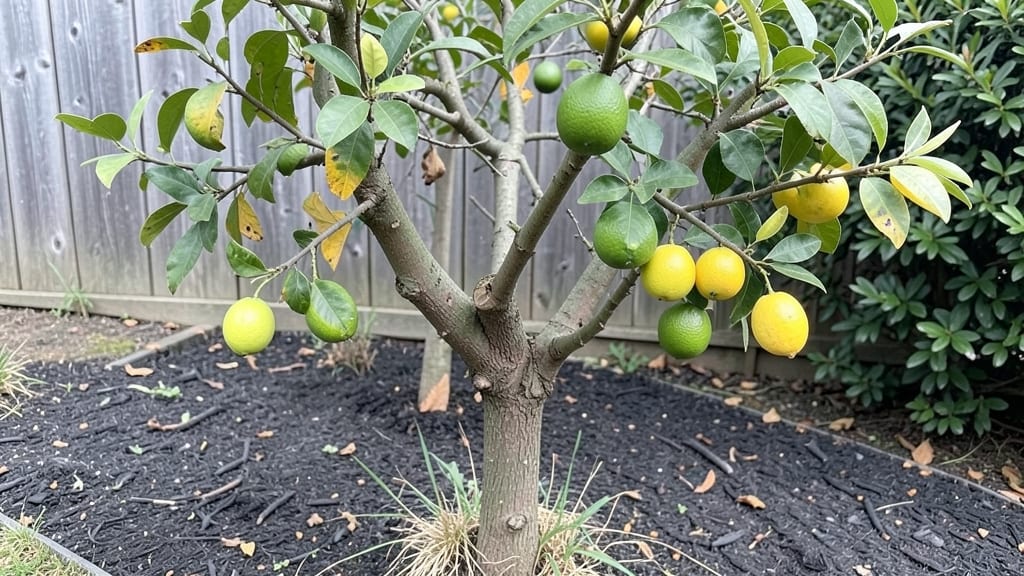
A real multi-fruit tree isn’t just a gardening dream—it’s a space-saving reality that produces apples, pears, plums, and cherries from a single trunk. I planted mine three years ago, and now I harvest three varieties of fruit without sacrificing yard space.
The key lies in grafting compatible varieties onto a single rootstock, creating a tree that thrives in small gardens while delivering a diverse harvest.
You’ll need a healthy rootstock, compatible scion wood, and a clean grafting tool—no fancy equipment required. The process takes patience, but the payoff is a tree that bears fruit year after year, even in tight urban spaces.
I’ve seen these trees produce 50+ pounds of fruit annually in just a few square feet, making them ideal for balconies, patios, or small backyards.
Once established, these trees demand minimal care beyond regular pruning to maintain shape and encourage airflow. You’ll enjoy earlier ripening of some varieties while others mature later, extending your harvest season. The real magic happens when you taste homegrown fruit straight from the tree—no pesticides, no middleman, just pure flavor.
Perfect for beginners and seasoned gardeners alike, this method adapts to different climates and soil types. With the right variety selection, you can even grow tropical and temperate fruits together. Let’s get your multi-fruit tree growing—your future harvests will thank you.
📚 In This Guide
- What you need
- Instructions
- Tips and common mistakes
- Wrapping up and next steps
What you need
- ● Multi-grafted fruit tree sapling (e.g., Apple, Pear, Cherry, Plum, or Citrus combo): 1–2 trees (dwarf or semi-dwarf for small spaces)
- ● Certified disease-free (ask your nursery!)
- ● Well-draining soil mix: 50% native soil + 30% compost + 20% perlite/sand (for aeration)
- ● pH 6.0–7.0 (test with a soil kit)
- ● Organic fertilizer: 10-10-10 or balanced fruit-tree formula (follow package rates)
- ● Mulch (wood chips or straw): 2–3 inches (retains moisture, suppresses weeds)
- ○ Drip irrigation system or soaker hose (optional but recommended for consistency)
- ● Pruning tools: Bypass pruners (sharp, for clean cuts)
- ● Loppers (for thicker branches)
- ● Pruning saw (if needed for large limbs)
- ● Grafting tools (if propagating your own): Grafting knife or whip-and-tongue tool
- ● Grafting tape or rubber bands
- ● Gloves & safety goggles (protect from thorns and debris)
- ● Staking kit (if planting in windy areas)
- ● Tree collar protector (prevents damage during mulching)
- ● Sunlight: Choose a spot with 6–8+ hours of full sun daily.
- ● Space: Dwarf trees: 6–8 ft diameter
- ● Standard trees: 15–20 ft diameter (or espalier for walls)
- ● Water access: Ensure a consistent water source (deep watering 1–2x/week for established trees).
- ● Local climate check: Verify your hardiness zone (USDA Zone 5–9 for most multi-fruit trees).
Step-by-Step guide to growing a real multi-fruit tree
Transform your small garden into a year-round fruit oasis with this space-saving technique.
Select Compatible Fruit Tree Varieties
Choose dwarf rootstock varieties that thrive together in the same climate zone. I recommend combining apple, pear, and plum on a single rootstock—these fruit types share similar growing conditions and pollination needs. Avoid citrus or tropical fruits unless you live in USDA zones 9-11, as they require different temperature ranges.
Purchase bare-root whips from a reputable nursery in late winter or early spring. Look for 1-year-old trees with 4-5 main branches—these establish faster and produce fruit sooner. The key is selecting varieties that flower at different times to extend your harvest season. For example, a June-bearing apple, July-bearing pear, and late-summer plum will give you fruit from mid-June through September.
Prepare the Planting Site and Soil
Select a sunny location with at least 6 hours of direct sunlight daily. Multi-fruit trees need good air circulation to prevent fungal diseases, so avoid planting in low spots where water pools. The planting hole should be twice as wide as the root ball but only as deep—this encourages roots to spread horizontally rather than settling too deep.
Amend the native soil with 3 inches of compost mixed into the bottom of the hole. For heavy clay soil, add 1 part perlite to 3 parts soil to improve drainage. Test soil pH—ideal range is 6.0-7.0. If your soil is too acidic, sprinkle dolomitic lime into the hole before planting. Water the hole deeply the day before planting to help settle the soil.
Plant and Prune for Structure
Place the dwarf rootstock in the center of the hole and spread the roots outward gently. Fill the hole with soil, tamping lightly every 4 inches to eliminate air pockets. The graft union (visible bulge near the base) should sit 2-3 inches above soil level—this prevents it from rotting when watered. Water immediately after planting to settle the soil and remove the planting stake if used.
Prune the tree to 3 main scaffold branches spaced evenly around the trunk. Cut back any crossing branches and remove suckers (vigorous shoots growing from the rootstock below the graft). Thin out crowded branches to leave 4-6 inches between stems. This open center shape allows sunlight to penetrate and air to circulate, which is critical for disease prevention in multi-fruit trees.
Establish Care Routine for Year-Round Production
Water deeply once a week during the first growing season, ensuring moisture reaches 12 inches down. Multi-fruit trees need consistent moisture, especially during flowering and fruiting—stress reduces yield. Use drip irrigation or soaker hoses to deliver water at the base without wetting the foliage, which minimizes disease risk.
Apply balanced 10-10-10 fertilizer in early spring and again after harvest. Avoid high-nitrogen fertilizers late in the season—they promote leafy growth at the expense of fruit development. Thin fruit clusters when they're golf-ball size to leave 6-8 inches between fruits. This ensures larger, higher-quality harvests and reduces branch breakage.
Manage Seasonal Tasks for Continuous Harvests
In early spring, prune to remove dead, diseased, or crossing branches. Cut back last year’s growth by one-third to encourage new, productive wood. Apply dormant oil spray in late winter to control overwintering pests like scale insects. This preventive step keeps your tree healthy and productive.
During summer, monitor for aphids and mites—common pests on multi-fruit trees. Spray with neem oil if you spot infestations. Harvest fruits when they reach full color and slight softness—this varies by variety. For example, apples should be firm but not hard, while pears soften slightly when ripe. Use a fruit lever to avoid damaging branches when picking.
Tips & tricks for perfect multi-fruit tree growth
Here's what I've learned from years of growing multi-fruit trees that actually produce—these tricks make all the difference in your small garden.
Variety Selection Matters: When choosing your June-bearing apple, July-bearing pear, and late-summer plum varieties, prioritize those with staggered blooming periods. This creates a continuous harvest window from mid-June through September. I always verify bloom times with local nurseries—some varieties might shift bloom dates by a week depending on your specific microclimate. The goal is to avoid having all fruits ripening at once, which can overwhelm your storage capacity.
Soil Preparation Secret: That 3 inches of compost in Step 2 isn't just about nutrients—it's about creating the perfect moisture-retaining environment for your dwarf rootstock. For heavy clay soil, I recommend mixing in 1 part perlite to 3 parts soil right in the planting hole, not just the bottom. This creates better drainage while still holding moisture where the roots need it most. The key is to work this amendment into the native soil thoroughly before planting your tree.
Pruning Precision: When you're pruning to those 3 main scaffold branches in Step 3, make your cuts at a 45-degree angle just above an outward-facing bud. This encourages new growth in the right direction. I always remove any branches that grow straight up—these create shade in the center of your tree and make fruit harvesting difficult. The open vase shape you're creating isn't just about aesthetics; it's about maximizing sunlight exposure to all parts of your tree.
Watering Wisdom: That weekly deep watering in Step 4 should actually be every 5-7 days depending on your rainfall. The 12-inch depth is critical—use a soil probe or long screwdriver to check moisture levels. I've found that drip irrigation set to run for 20-30 minutes twice a week works perfectly for maintaining consistent moisture without overwatering. The goal is to keep the root zone consistently moist but never waterlogged, especially during flowering and fruiting when the tree is most vulnerable to stress.
Pro Tips for Real Multi Fruit Tree
- Here's what I've learned from years of growing multi-fruit trees that actually produce—these tricks make all the difference in your small garden.
- Variety Selection Matters: When choosing your June-bearing apple, July-bearing pear, and late-summer plum varieties, prioritize those with staggered blooming periods.
- Soil Preparation Secret: That 3 inches of compost in Step 2 isn't just about nutrients—it's about creating the perfect moisture-retaining environment for your dwarf rootstock.
Frequently asked questions
Got questions about growing a real multi-fruit tree? You’re not alone! Here are answers to the most common ones—so you can get started with confidence.
How long does it take for a multi-fruit tree to bear fruit?
A real multi-fruit tree typically starts producing fruit within 2–5 years, depending on the variety and growing conditions. Dwarf or grafted trees may fruit faster (1–3 years), while standard trees can take longer. Patience pays off—once established, they reward you with decades of harvests!
Can I grow a multi-fruit tree in a small garden or container?
Many multi-fruit trees are dwarf varieties or grafted onto compact rootstocks, making them perfect for containers, balconies, or tiny yards. Just ensure the pot is at least 15–20 gallons and has drainage. With proper pruning and sunlight (6+ hours/day), you’ll still get a bountiful harvest!
What’s the best way to prune a multi-fruit tree for maximum fruit?
Prune in late winter or early spring (before buds swell) to shape the tree and encourage airflow. Focus on:
- Removing dead or crossing branches ()
- Thinning out overcrowded growth to boost fruit size
- Cutting back suckers or water sprouts (non-fruiting shoots)
Do multi-fruit trees need special soil or fertilizer?
They thrive in well-draining, slightly acidic soil (pH 6.0–7.0). Amend heavy clay with compost or sand. For fertilizer, use a balanced 10-10-10 or fruit-tree-specific blend in early spring and summer. Over-fertilizing can reduce fruit quality—so follow package instructions!
What if my multi-fruit tree isn’t fruiting? Troubleshooting tips.
No fruit? Check these common issues:
- Age: Young trees (under 2 years) may not fruit yet.
- Pollination: Some varieties are self-pollinating, but others need a second tree nearby.
- Sunlight: Insufficient light (less than 6 hours/day) stunts growth.
- Pruning mistakes: Over-pruning can reduce flowering.
- Pests/disease: Inspect for aphids, mites, or fungal spots.
Wrapping up and next steps
Growing a real multi-fruit tree in your small garden isn’t just a dream—it’s a delicious, space-saving reality! 🌱 With the right techniques, you’ll enjoy a year-round harvest of fresh, flavorful fruits like apples, pears, plums, and more, all from a single tree.
The key lies in proper pruning, soil care, and patience—trust the process, and your efforts will pay off in spades.
Ready to take the next step? Start by observing your tree’s growth this season, and don’t hesitate to experiment with grafting or pollination tips. Before you know it, your backyard will be the envy of the neighborhood! 🍎✨