
Pruning
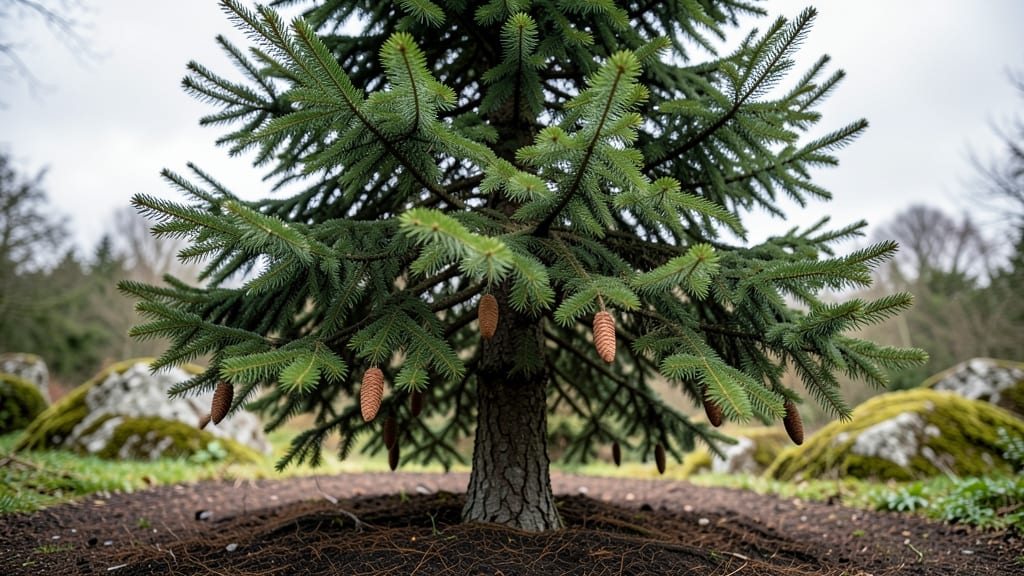
When spruce needles turn brown or drop unexpectedly, it’s usually a sign your tree needs a strategic pruning refresh—not just random trimming. ✂️ I’ve spent years watching spruces go from scraggly to vibrant by focusing on three precise cuts that keep the tree healthy year-round, whether it’s late winter or early summer.
The key is timing and technique: prune in late winter to remove dead branches before new growth starts, cut back lightly in early summer to shape the tree without stressing it, and do a final cleanup in fall to prevent pests from hiding in old needles.
Most gardeners over-prune, which weakens the tree—so we’ll keep it simple with just the right amount of trimming.
You’ll end up with a tree that stays full, resists disease, and keeps its needles for years instead of shedding them early.
The difference between a struggling spruce and a thriving one often comes down to these three targeted cuts—and I’ll show you exactly how to do them without damaging the tree.
Works for Colorado blue spruce, white pine, and other evergreens too. Let’s get those needles looking fresh again.
📚 In This Guide
- What you need
- Instructions
- Tips and common mistakes
- Wrapping up and next steps
What you need
- ● Pruning shears: Sharp, bypass-style shears (for small branches, 1–2 inches thick). Example: Felco F-2 or Corona Tools 5001.
- ● Loppers: For medium branches (2–4 inches thick). Look for ratcheting or bypass models for precision.
- ● Pruning saw: For thick branches (4+ inches). A curved-tooth saw (like the Fiskars X27) prevents tearing.
- ● Ladder (or extension pole): Sturdy, aluminum or fiberglass (20–30 ft, depending on tree height). Safety tip: Use a harness if climbing!
- ● Disposable gloves: Nitrile-coated gloves (thick, 12–14 gauge) to protect against sap and splinters.
- ○ Disinfectant (optional but recommended): 70% isopropyl alcohol or a pruning sealant (e.g., Tanglefoot Tree Wound Pruning Seal) to prevent disease.
- ● Heavy-duty trash bags: 30–50 gallon size for debris cleanup. Pro tip: Wet bags first to reduce needle dust!
- ● Hand saw or pole pruner: For high branches without a ladder (e.g., Warba Pole Pruner).
- ● Safety glasses: To shield eyes from flying debris.
- ● Tree wound dressing: Controversial but useful for large cuts (e.g., Tanglefoot or Ortho Fruit Tree Spray).
- ● Hose with nozzle: For rinsing sap off tools post-pruning.
- ● Notebook & pen: To sketch a pruning plan before you start!
Year-round spruce tree care through strategic needle pruning
Healthy spruce trees don’t need frequent pruning—just the right cuts at the right time. Here’s how to keep your tree thriving with just three focused sessions each year.
✂️ Step 1: Early Spring Cleanup (Late February to March)
This is your first chance to remove anything that didn’t make it through winter. Look for dead, brown needles clustered at branch tips—these won’t recover. Use clean, sharp bypass pruners to cut just above the first healthy set of needles you see. I always start at the lowest branches and work upward to avoid standing on unstable limbs.
Remove no more than 10-15% of the tree’s total needles this season. Over-pruning stresses spruces, and they’re slow to recover. Focus on branches that cross or rub against each other—these create weak points where pests can enter. You’ll know you’ve done enough when the tree’s shape looks open and air can circulate freely through the canopy.
☀️ Step 2: Mid-Summer Thinning (July to Early August)
Spruces grow best when they receive even sunlight throughout their canopy. In midsummer, examine the tree for branches with sparse, yellowing needles—these are often shaded out by denser growth. Selectively remove 3-5 branches per tree (about 5-8% of total volume), focusing on those growing inward or upward rather than outward.
Make your cuts just outside the branch collar (the swollen area where the branch meets the trunk). Avoid leaving stubs—these attract disease. After pruning, water deeply to help the tree recover. You’ll notice new growth at the tips of remaining branches within 4-6 weeks, signaling the tree is responding well.
🌱 Step 3: Late Fall Preparation (October to November)
This final pruning session preps your spruce for winter dormancy. Remove any remaining dead branches or those with heavy pest damage. Look for clusters of needles with red or purple discoloration—these are often signs of spider mites or needle cast. Prune these out completely to prevent overwintering pests from spreading next season.
Lightly rake up fallen needles from the base of the tree to reduce fungal spores that thrive in damp mulch. Avoid pruning after mid-November—new growth won’t harden off before frost, making it vulnerable to cold damage. By early winter, your tree should look balanced with an open center, ready to withstand snow and ice.
⏰ Step 4: Year-Round Monitoring (All Seasons)
Spruces don’t need constant pruning, but monthly inspections keep problems small. In early spring, check for tar spots (black, tar-like patches) or sawfly larvae (tiny white worms on needles). In summer, watch for bagworms (small, brown bags on branches). Remove affected branches immediately—don’t wait until they spread.
Water deeply once every 2-3 weeks during dry spells, especially for newly planted spruces. The soil should be 2-3 inches deep and dry to the touch before watering again. Mulch with 2-3 inches of pine straw (not wood chips) to retain moisture and suppress weeds—just keep it 6 inches away from the trunk to prevent rot.
Tips & tricks for perfect spruce tree needle pruning
Mastering spruce tree care comes down to timing and precision—these simple tricks will help you avoid common mistakes and keep your tree thriving for years.
Tool Prep Matters: Before you start pruning in Step 1, clean your bypass pruners with rubbing alcohol to prevent spreading disease between cuts. I also recommend sharpening them annually—dull blades tear needles rather than making clean cuts, which stresses the tree. Store tools in a dry place to prevent rust, especially after winter pruning when branches can be damp.
Visual Cues for Healthy Branches: In Step 2, when selecting branches to remove, look for clusters where the needles are sparse and yellowing—these are clear signs of shade stress. Healthy branches should have vibrant green needles all the way to the tip. If you're unsure whether a branch is dead, gently scratch the bark with your fingernail—if it's brown underneath, it's dead and should be removed.
Seasonal Timing Secrets: The mid-November cutoff in Step 3 is critical because new growth after this date won't have time to harden off before winter. I've seen spruces develop frost damage on fresh cuts when pruned too late. For young trees, you can extend the fall pruning window by a week or two, but always stop by the first hard frost in your area.
Pest Prevention Strategy: After your late fall pruning in Step 3, collect all pruned branches and dispose of them in sealed bags. Many pests like spider mites and bagworms overwinter in fallen needles and branches. I also recommend applying a light horticultural oil spray in early spring to smother any overwintering pests before they become established.
Pro Tips for Spruce Tree Needle
- Mastering spruce tree care comes down to timing and precision—these simple tricks will help you avoid common mistakes and keep your tree thriving for years.
- Tool Prep Matters: Before you start pruning in Step 1, clean your bypass pruners with rubbing alcohol to prevent spreading disease between cuts.
- Visual Cues for Healthy Branches: In Step 2, when selecting branches to remove, look for clusters where the needles are sparse and yellowing—these are clear signs of shade stress.
Frequently asked questions
Got questions about spruce tree needle pruning?
You’re not alone! Here are answers to the most common concerns—from timing to troubleshooting—so you can keep your spruce healthy year-round.
When is the best time to prune spruce tree needles?
Prune spruce trees in late winter or early spring (before new growth starts) or summer (after flowering). Avoid pruning in fall—it stresses the tree and invites pests. For evergreens like spruce, timing matters less than technique!
Can I prune spruce needles individually, or do I need to cut whole branches?
Spruce trees don’t grow individual needles like pine—they’re attached in bundles. Focus on removing entire branches (especially dead, crossing, or overcrowded ones). Use sharp pruners to avoid tearing the bark, which can harm the tree.
What if I see brown or yellow needles after pruning? Is that normal?
Some browning is normal, but excessive discoloration signals stress. Check for:
- Over-pruning (stick to <15% of the tree’s canopy).
- Pests (like spider mites) or disease (e.g., needle cast).
- Drought or poor soil—water deeply if the ground is dry.
Are there alternatives to pruning if my spruce looks unhealthy?
Yes! Try these low-maintenance fixes first:
- Fertilize: Use a slow-release, acidic fertilizer (spruce prefers pH 4.5–5.5).
- Mulch: Add 2–3 inches of organic mulch to retain moisture.
- Water deeply: Spruce roots need consistent moisture (1–1.5 inches/week).
- Lighten shade: If nearby trees block sunlight, thin them out.
How do I tell the difference between dead branches and healthy ones?
Use this quick deadwood test:
Healthy Branches
Dead Branches
Green needles (or brown but crispy in winter).
Dry, brittle needles that crumble easily.
Flexible when bent (slightly).
Snaps like a twig when touched.
Smooth, green bark under needles.
Peeling or sunken bark.
Wrapping up and next steps
Pruning your spruce tree’s needles isn’t just about aesthetics—it’s a year-round commitment to health, growth, and beauty! 🌲 By mastering the three strategic cuts (spring thinning, summer shaping, and fall cleanup), you’ll ensure your tree stays lush, resilient, and free of pests or disease.
Remember, consistency is key, so grab your tools and start small if needed.
Ready to transform your spruce into a thriving centerpiece? Pick a calm day, follow the steps you’ve learned, and watch your tree reward you with vibrant foliage for years to come. Happy pruning! 🌿