
Pruning
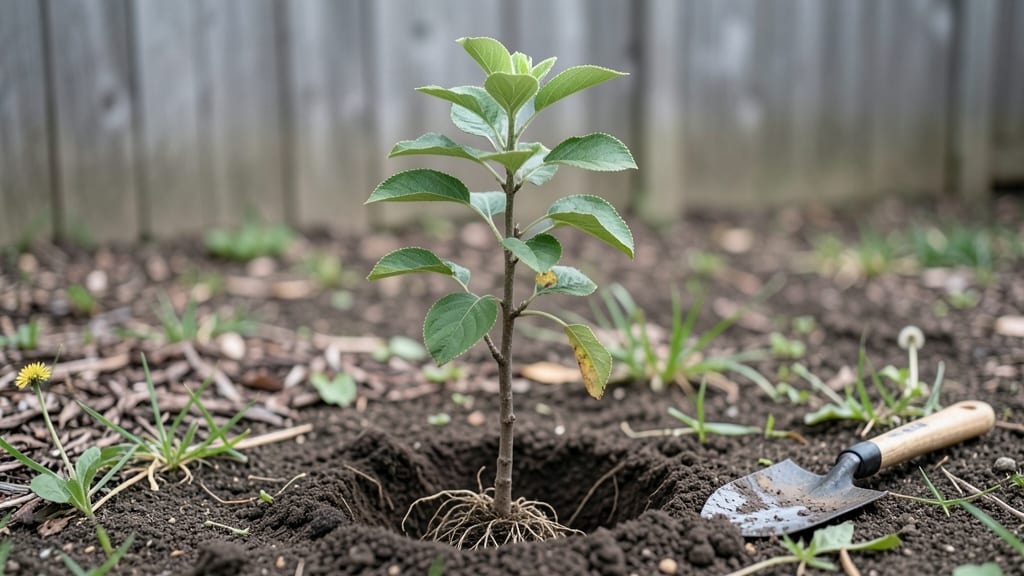
Planting apple tree seedlings in the Pacific Northwest means choosing varieties that shrug off winter’s chill and thrive in our damp, cool climate. 🌱 I’ve learned the hard way—skipping soil prep or planting too late can leave young trees struggling, but with the right approach, you’ll have a sturdy, productive tree in just a few years.
The key? Matching the right variety to your microclimate and giving those roots the perfect start.
Start with bare-root seedlings in early spring or fall, when the ground isn’t frozen but isn’t baking either. Amend your soil with compost to improve drainage—Pacific Northwest clay can smother roots if left untouched.
Space trees 20–25 feet apart to give them room to grow, and dig holes twice as wide as the root ball but only as deep as the roots themselves. Too deep, and the roots suffocate; too shallow, and they dry out.
Water deeply right after planting, then keep the soil moist but not soggy for the first two weeks. A mulch ring around the base helps retain moisture and protect roots from winter freezes.
By summer, you’ll see new leaves pushing through—proof your tree is settling in. The first harvest might take 4–5 years, but the payoff of homegrown apples makes every early-season check-in worth it.
Here’s where many gardeners trip up: overwatering, planting too deep, or ignoring soil prep. Skip these mistakes, and your seedlings will grow into strong, frost-hardy trees that feed your family for decades. Ready to get started? Let’s dig in.
📚 In This Guide
- What you need
- Instructions
- Tips and common mistakes
- Wrapping up and next steps
What you need
- ● Apple tree seedlings: 1–2 frost-resistant varieties (e.g., ‘Liberty,’ ‘Enterprise,’ or ‘Cortland’). Choose 1–2-year-old bare-root or container-grown seedlings.
- ● Shovel or trowel: A sturdy digging tool (18–24" deep for planting).
- ● Garden fork or transplant spade: For loosening soil and minimizing root damage.
- ● Compost or well-aged manure: 5–10 gallons to enrich planting holes.
- ● Mulch (wood chips or straw): 2–3 inches to retain moisture and protect roots.
- ○ Tree stakes (optional but recommended): 2–3 bamboo or wooden stakes (4–6 ft tall) + soft ties (e.g., old T-shirts or nursery tape).
- ● Gloves: Heavy-duty work gloves to protect hands.
- ● Watering can or hose with nozzle: For gentle, deep watering (1–2 gallons per seedling).
- ● Pruning shears: Sterilized shears to trim damaged roots or branches.
- ○ Soil test kit (optional): To check pH (ideal: 6.0–6.5) and adjust with lime or sulfur if needed.
- ● Frost cloth (for young trees): Lightweight fabric to shield seedlings from late frosts (spring/fall).
- ● A sunny location with at least 6–8 hours of direct sunlight daily.
- ● Well-draining loamy soil (amend heavy clay with compost).
- ● Space: 12–15 feet between trees (or 20+ ft for larger varieties).
- ● Check local frost dates—plant after the last frost (typically late April–May in the PNW).
Step-by-Step instructions for planting apple tree seedlings
Here's how I plant hardy apple seedlings that thrive in the Pacific Northwest's chilly climate.
🌱 Step 1: Choose the Right Location and Prepare the Soil
Select a spot with full sun exposure (6-8 hours daily) and well-draining soil. Apple trees need space—plant at least 20 feet apart to allow proper airflow and future growth. I always test the soil pH first; apples prefer 6.0-7.0. If your soil is too acidic, add 1-2 pounds of lime per 100 square feet and mix it in 3-4 months before planting.
Dig a hole twice as wide as the root ball but only as deep. Loosen the sides of the hole with a shovel to encourage root spread. The top of the root ball should sit 2-3 inches above ground level—this prevents waterlogging during heavy rains, which is common in the PNW. Real talk: I've seen many gardeners bury the root ball too deep, and the tree struggles to establish properly.
🪴 Step 2: Handle the Seedling and Plant Carefully
Remove the seedling from its container and gently loosen any circling roots with your fingers. If the roots are tightly bound, make 2-3 vertical cuts around the root ball to encourage outward growth. Place the seedling in the hole so the graft union (the bump near the base of the trunk) is 2-4 inches above the soil line. This ensures the tree develops a strong root system below the graft.
Backfill the hole with the native soil, tamping it down lightly as you go to remove air pockets. Water deeply to settle the soil around the roots. You'll know it's right when the soil surface looks slightly damp but not soggy. Avoid compacting the soil too firmly—apple tree roots need room to breathe and spread.
☀️ Step 3: Mulch and Water for Establishment
Spread 3-4 inches of organic mulch (like wood chips or straw) around the base of the tree, keeping it 3-4 inches away from the trunk to prevent rot. Mulch conserves moisture and regulates soil temperature, which is crucial in the PNW's fluctuating spring and fall weather. Water the tree deeply once a week for the first month, ensuring the soil stays moist but not waterlogged.
Here's the thing—you don’t want to overwater. Apple trees are drought-tolerant once established, but seedlings need consistent moisture. Check the soil 1 inch below the surface; if it feels dry, it's time to water. Use a soaker hose or drip irrigation to deliver water slowly and evenly, avoiding the leaves to prevent fungal diseases.
✂️ Step 4: Prune and Protect for Long-Term Health
Prune the seedling immediately after planting to remove any broken, crossing, or diseased branches. Focus on shaping the tree into an open-center form, which allows light and air to penetrate the canopy. Leave 3-5 main branches evenly spaced around the trunk. I always sterilize my pruning shears with rubbing alcohol between cuts to prevent spreading disease.
Install a tree stake or support if needed, especially in windy PNW locations. Use a soft tie (like a strip of old T-shirt) to secure the tree to the stake without damaging the trunk. This gives the seedling stability while its roots establish. Watch for signs of stress like yellowing leaves or wilting—these could signal overwatering, underwatering, or poor drainage.
🌿 Step 5: Monitor and Maintain Through the First Year
Fertilize lightly in early spring with a balanced, slow-release fertilizer (10-10-10) to encourage root and shoot growth. Avoid heavy fertilization in the first year, as it can stress the young tree. Keep the mulch layer replenished as it breaks down, and continue watering deeply during dry spells. You'll see new growth in the first year—that's your signal the tree is thriving.
Protect young seedlings from late frosts, which are common in the PNW. Use frost cloth or a small heater if temperatures drop below 25°F in early spring. Over time, your apple tree will develop the resilience needed to handle the region's climate. With patience and care, you'll have a productive, frost-resistant apple tree in no time.
Tips & tricks for planting apple tree seedlings
Here's what I've learned from years of planting apple trees in the Pacific Northwest—these little details make all the difference between a struggling seedling and a thriving tree.
Soil Prep Secret: In Step 1, when you're preparing the hole, take an extra 5 minutes to mix in some compost with the native soil. This boosts nutrient availability right where the roots need it most. I like to use about 1-2 gallons of compost mixed into the bottom of the hole—it gives the roots a nutrient-rich foundation to grow into. The 6-8 hours of full sun exposure you're providing will be even more effective with this nutrient boost.
Root Ball Handling: Don't skip the root loosening in Step 2! I've planted dozens of seedlings, and the ones where I gently teased apart the circling roots always establish better. If you notice roots growing in tight circles, make those 2-3 vertical cuts—this encourages outward growth instead of a root-bound mess. The 2-4 inch graft union placement is critical too; it's your insurance policy for a strong tree structure.
Watering Wisdom: After planting, I set a timer for that weekly watering in Step 3, but I also check the soil moisture at the 1-inch depth every few days. The PNW's unpredictable weather means you might need to water more frequently during dry spells. A soaker hose is my go-to because it delivers water right to the roots without wetting the leaves, which helps prevent fungal diseases that can be common in our damp climate.
Frost Protection Strategy: When those late frosts hit below 25°F in Step 5, I've found that wrapping the tree trunk with a thick layer of burlap (not touching the branches) provides an extra layer of insulation. You can also mound soil around the base of the tree up to the graft union—this acts like a thermal blanket and prevents frost from damaging the roots. Between us, I've lost count of how many trees I've saved this way!
Pro Tips for Planting Apple Tree Seedlings
- Here's what I've learned from years of planting apple trees in the Pacific Northwest—these little details make all the difference between a struggling seedling and a thriving tree.
- Soil Prep Secret: In Step 1, when you're preparing the hole, take an extra 5 minutes to mix in some compost with the native soil.
- Root Ball Handling: Don't skip the root loosening in Step 2!
Frequently asked questions
Got questions about planting apple tree seedlings in the Pacific Northwest? You’re not alone! Here are some common concerns—and clear answers—to help you grow a thriving orchard.
What’s the best time of year to plant apple tree seedlings in the PNW?
Plant your seedlings in early spring (March–April) or early fall (September–October). Spring gives roots time to establish before summer heat, while fall planting avoids summer stress. Avoid planting in winter—frost can damage young roots.
How deep and wide should I dig the hole for my apple tree seedling?
The hole should be twice as wide as the root ball but only as deep. This encourages roots to spread horizontally. Loosen the soil at the bottom to help drainage. If your soil is heavy clay, consider amending it with compost for better aeration.
Do apple tree seedlings need special care after planting in cold climates?
Yes! Mulch heavily (3–4 inches) with wood chips or straw to insulate roots. Water deeply but infrequently—once a week if rain is scarce. In winter, wrap the trunk with burlap or tree guard to protect against gnawing animals and frost cracks.
Can I plant apple tree seedlings in containers instead of the ground?
Use a large pot (15+ gallons) with drainage holes and well-draining soil. Container-grown trees need regular watering and may need winter protection (move to a sheltered spot or use frost cloth). Just know they’ll need repotting every 2–3 years as they grow.
What should I do if my apple tree seedling’s leaves turn yellow or wilt?
Yellow leaves often signal overwatering or nutrient deficiency. Check soil moisture—it should be damp but not soggy. Wilting could mean underwatering or root stress. Trim any damaged leaves and adjust care. If the problem persists, test your soil pH (ideal: 6.0–7.0) and fertilize lightly with compost.
Still stumped? Drop your question in the comments—we’re happy to help your apple trees thrive!
Wrapping up and next steps
Planting apple tree seedlings in the Pacific Northwest is a rewarding way to grow frost-resistant varieties that thrive in your region’s unique climate. By choosing the right Malus domestica cultivars, preparing the soil, and following proper planting techniques, you’ll set the stage for a bountiful harvest. 🍏
Now that you’re equipped with the knowledge, roll up your sleeves and get planting! Start by selecting a sunny spot, nurture your seedlings with care, and soon you’ll be enjoying homegrown apples. Happy gardening—your future orchard awaits! 🌱