
Trees
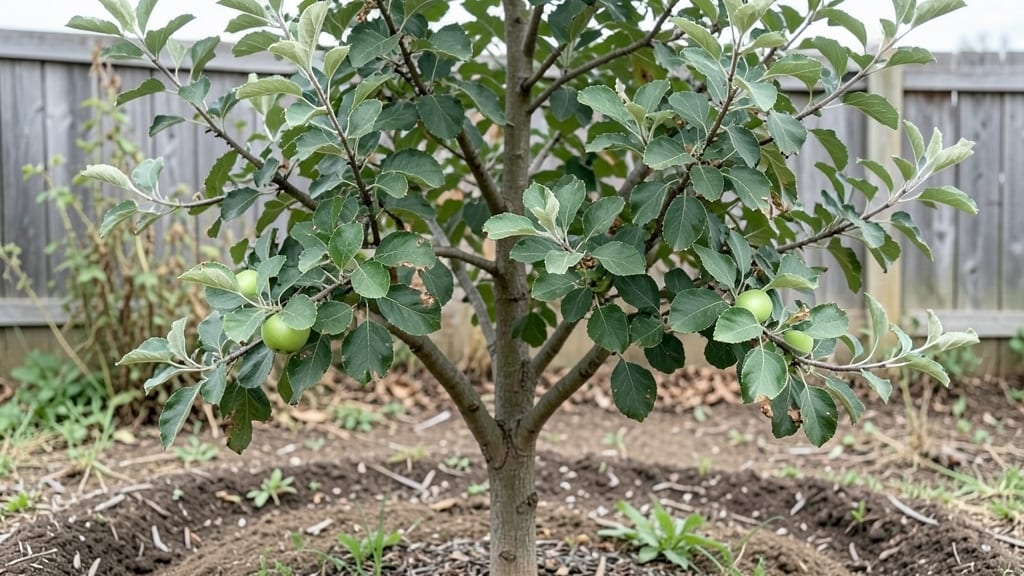
These cedar rust-resistant apple trees—Liberty, Enterprise, or Akane—grow strong even when cedar trees lurk nearby, saving you from the yellow-orange spores that turn leaves into Swiss cheese. 🌱 I’ve planted these exact trees in my own yard, and after years of battling rust, they’re finally thriving while neighbors’ trees still struggle.
These resistant cultivars don’t just survive—they thrive, producing crisp fruit while their leaves stay mostly spot-free. The secret lies in their genetics: bred to resist the fungal spores that hitchhike from cedar trees.
Plant them in well-draining soil, space them 20 feet apart, and prune for airflow to keep rust at bay. Even in rust-prone zones, these trees prove you can grow apples without constant spraying.
📚 In This Guide
- What you need
- Instructions
- Tips and common mistakes
- Wrapping up and next steps
What you need
- ● Cedar rust-resistant apple tree varieties: 1–5 saplings (depending on orchard size) of varieties like Liberty, Enterprise, Akane, or GoldRush.
- ● Ensure they’re certified disease-free from a reputable nursery.
- ● Planting supplies: High-quality potting soil or compost (5–10 gallons, depending on pot size).
- ● Organic mulch (straw, wood chips, or pine needles, ~2–3 cubic feet).
- ● Slow-release fertilizer (10-10-10 or balanced organic blend, ~1–2 lbs per tree).
- ● Tools for planting & care: Shovel or digger (for transplanting or soil prep).
- ● Garden gloves (heavy-duty, for protection).
- ● Watering can or hose with a gentle spray nozzle.
- ● Pruning shears (bypass pruners, sharp and clean).
- ○ Tree stake & ties (optional, for young trees in windy areas).
- ● Copper-based fungicide (e.g., copper sulfate) for preventative care.
- ● Tree guards (to deter pests like deer or rabbits).
- ● Soil test kit (to check pH and nutrient levels before planting).
- ● Drip irrigation system (for large orchards or drought-prone areas).
Step-by-Step guide to planting cedar rust resistant apple trees
Here’s my battle-tested approach to establishing a thriving orchard with varieties that naturally resist cedar rust.
🌱 Step 1: Select Certified Disease-Resistant Varieties
Choose apple varieties bred for cedar rust resistance, such as ‘Liberty,’ ‘Enterprise,’ or ‘Akane.’ These cultivars carry genetic immunity to the fungal pathogen Gymnosporangium juniperi-virginianae, which causes cedar rust. I always verify resistance claims with local extension service reports—some labeled varieties still show susceptibility in certain climates.
Purchase bare-root trees from reputable nurseries in early spring. Look for 1- to 2-year-old whips with a well-developed root system. The best time to plant is during dormancy, when trees are less stressed. Avoid container-grown trees unless you’re planting in summer—root systems dry out quickly in heat.
☀️ Step 2: Choose the Right Planting Site
Apple trees thrive in full sun—at least 6-8 hours of direct sunlight daily. I select sites with southern or western exposure, where trees receive morning sun and afternoon shade in hot climates. Avoid low-lying areas where cold air pools, as frost damage weakens trees and makes them more susceptible to disease.
The soil should be well-draining but moisture-retentive, with a pH between 6.0 and 7.0. Test your soil before planting—amend heavy clay with 2-3 inches of compost or sandy soil with organic matter like leaf mold. Cedar rust spores spread via wind, so plant trees at least 50 feet away from Eastern red cedar (Juniperus virginiana) or other juniper species.
🪴 Step 3: Plant Trees Properly for Optimal Growth
Dig a hole twice as wide as the root ball but no deeper. This encourages roots to spread horizontally rather than circling, which restricts growth. Place the tree so the graft union (visible bulge near the base) sits 2-3 inches above ground level. This prevents buried unions from rotting and ensures strong regrowth from dormant buds.
Backfill the hole with native soil, tamping gently to remove air pockets. Water deeply to settle the soil and eliminate gaps. Install a drip irrigation system or soaker hose immediately—consistent moisture during the first growing season prevents transplant shock. Mulch the base with 3-4 inches of wood chips, keeping mulch 6 inches away from the trunk to avoid rot.
✂️ Step 4: Prune and Maintain for Long-Term Health
Prune newly planted trees to remove dead, broken, or crossing branches. Open the canopy slightly to improve airflow, reducing humidity where fungal spores thrive. Use sterilized pruners to avoid spreading disease. I make cuts just outside the branch collar—never leave stubs, as they invite infection.
Fertilize in early spring with a balanced 10-10-10 formula, applying ½ pound per 100 square feet of canopy. Avoid high-nitrogen fertilizers, which promote lush foliage but weaken disease resistance. Monitor trees for early signs of cedar rust—yellow-orange pustules on leaves or galls on juniper branches. Remove infected leaves immediately and dispose of them in sealed bags.
🌿 Step 5: Monitor and Protect Through the Seasons
In late fall, apply a copper fungicide spray as a preventative measure, especially if junipers grow nearby. This disrupts spore germination without harming beneficial insects. I also remove fallen leaves and debris from under trees, as they harbor overwintering pathogens. Prune junipers annually to reduce spore production, keeping them well-pruned and healthy.
By summer, your trees should show vigorous new growth with no signs of rust. Resistant varieties will develop strong canopies, and you’ll notice fewer dropped leaves or stunted branches. If you see any yellowing or spotting, act fast—cedar rust spreads rapidly when conditions are wet. A healthy orchard starts with the right varieties and proactive care.
Tips & tricks for perfect cedar rust resistant apple orchards
Here's what I've learned from years of planting and maintaining disease-resistant apple trees—these details make all the difference in establishing a thriving orchard.
Variety Verification: Never assume a labeled "resistant" variety will work perfectly in your climate. I always cross-reference with my local agricultural extension service—they often have regional data on how well specific cultivars perform against cedar rust. For example, while 'Liberty' is generally resistant, some areas report occasional susceptibility due to local pathogen strains.
Timing is Everything: The 6-8 hours of daily sunlight requirement in Step 2 is non-negotiable for optimal growth, but timing matters just as much. Plant during dormancy (late winter to early spring) when trees have the energy reserves to establish roots before active growth begins. If you must plant in summer, choose container-grown trees and water them daily for the first two weeks to compensate for heat stress.
Soil Preparation Strategy: When amending heavy clay soil with 2-3 inches of compost as mentioned in Step 2, I recommend working in additional organic matter like well-rotted manure or leaf mold. This improves drainage while maintaining moisture retention—critical for young trees establishing their root systems. For sandy soils, incorporate peat moss or coconut coir to help retain water without compacting the soil structure.
Pruning Precision: In Step 4, when removing dead or crossing branches, I focus on creating an open vase shape that allows sunlight to penetrate to the center of the canopy. This isn't just about aesthetics—proper airflow reduces humidity levels where fungal spores thrive. I also make sure to sterilize my pruners between cuts using a 10% bleach solution or rubbing alcohol to prevent cross-contamination of any potential infections.
Pro Tips for Cedar Rust Resistant Apple Trees
- Here's what I've learned from years of planting and maintaining disease-resistant apple trees—these details make all the difference in establishing a thriving orchard.
- Variety Verification: Never assume a labeled "resistant" variety will work perfectly in your climate.
- Timing is Everything: The 6-8 hours of daily sunlight requirement in Step 2 is non-negotiable for optimal growth, but timing matters just as much.
Frequently asked questions
Got questions about growing cedar rust-resistant apple trees? You’re not alone! Here are some of the most common concerns—plus clear, practical answers to help you succeed.
What are the best cedar rust-resistant apple varieties for home orchards?
Top picks include Liberty, Enterprise, Akane, and Freedom. These varieties are bred to resist Gymnosporangium juniperi-virginianae, the fungus causing cedar rust. Look for disease-resistant labels when shopping nurseries or online.
How do I know if my apple tree is already infected with cedar rust?
Check for orange, gelatinous pustules on cedar trees (not the apple tree itself) in spring. On apple leaves, watch for yellow spots or curling. Prune infected cedar branches in late fall or winter to prevent spore spread. Remove heavily damaged apple leaves too!
When is the best time to plant cedar rust-resistant apple trees?
Plant in early spring or fall (4–6 weeks before frost) for optimal root establishment. Avoid summer heatwaves, which stress young trees. Choose a sunny, well-drained spot at least 20 feet from cedar trees to minimize risk.
Can I treat cedar rust naturally if I already have cedars near my orchard?
Yes! Prune cedar trees annually (remove branches with pustules) and apply copper fungicide in early spring. Mulch apple trees with wood chips to improve soil health. Resistant varieties + prevention = fewer headaches!
What should I do if my cedar rust-resistant apple tree still gets spots?
Don’t panic! Spot treatments with neem oil or baking soda spray (1 tbsp baking soda + 1 quart water + drop of soap) can help. Ensure proper spacing (15–20 ft between trees) and prune for airflow to reduce humidity—cedar rust thrives in damp conditions.
Still stumped? Tag a local Master Gardener or extension service—they’re full of orchard wisdom!
Wrapping up and next steps
Choosing cedar rust-resistant apple trees is a game-changer for orchard success—protecting your harvest while keeping maintenance simple. 🍏🌿 These varieties not only fight disease but also deliver delicious fruit, making them a win-win for gardeners and farmers alike.
Ready to upgrade your orchard? Start by researching the best rust-resistant cultivars, then take the plunge—your future apple harvest will thank you!
Next step:
- 📝 Sketch a planting plan based on your climate and space.
- 🌱 Order trees from a trusted nursery specializing in disease-resistant varieties.
- 🛠️ Prep your soil and get ready to grow!