
Pruning
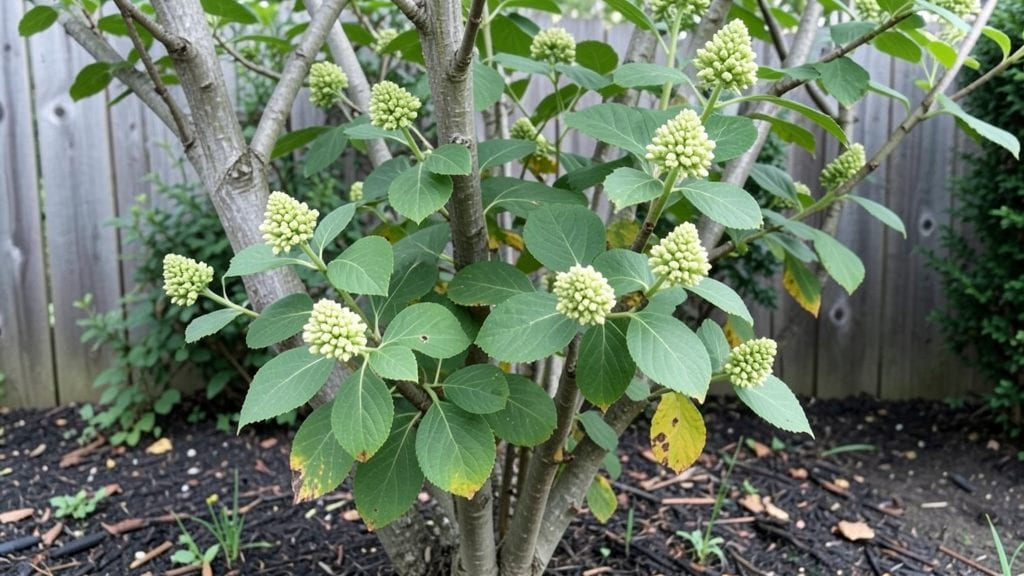
The Pinnacle hydrangea tree (Hydrangea paniculata 'Pinnacle') delivers football-sized blooms that steal the show in Pacific Northwest gardens—if you prune it right.
I learned the hard way that skipping winter pruning means smaller flowers and leggy branches, but mastering the timing turns this shrub into a year-round star with minimal effort. The key? Pruning in three strategic seasons to keep it compact, healthy, and bursting with those iconic cone-shaped flowers.
This hydrangea thrives in partial sun to full sun and tolerates the PNW’s damp winters better than most, but it demands well-draining soil—soggy roots mean fewer blooms. Water deeply once a week during dry spells, and feed it in early spring with a balanced fertilizer.
The real magic happens when you time pruning cuts: late winter for shaping, summer to encourage new growth, and fall to prep for winter’s chill. Even beginners can nail this with a few sharp cuts and a clear plan.
By late summer, you’ll be rewarded with vibrant pink-to-deep purple blooms that last well into fall, often persisting through frost. The tree’s upright form makes it perfect for backyard focal points or mixed borders, and its disease resistance means fewer headaches than other hydrangeas.
The secret to those showstopping blooms? Pruning at the right time—and I’ll walk you through every cut, from the first snip in winter to the final cleanup in spring.
Whether you’re dealing with windy coastal gardens or urban yards with limited space, this hydrangea adapts—just adjust pruning intensity to keep it from getting too top-heavy. Let’s get those blooms popping like they should.
📚 In This Guide
- What you need
- Instructions
- Tips and common mistakes
- Wrapping up and next steps
What you need
- ● Pruning shears: Bypass pruners (sharp, 6–8" blades) for clean cuts on small branches.
- ● Loppers: Bypass or anvil type (18–24" handles) for thicker branches (up to 2" diameter).
- ● Pruning saw: Curved-tooth design for branches thicker than 2".
- ● Gloves: Heavy-duty, cut-resistant (gardening or pruning-specific) to protect hands.
- ● Disinfectant: 70% isopropyl alcohol or bleach solution (1:9 ratio) to sterilize tools between cuts.
- ● Rake or broom: For clearing debris after pruning.
- ● Watering can or hose: To hydrate the tree post-pruning.
- ○ Pruning sealant (optional but helpful): Tree wound dressing for large cuts (over ½" diameter).
- ● Knowledge of Pinnacle Hydrangea growth: Familiarize yourself with its semi-evergreen nature and blooming habits (old wood flowers).
- ● Weather check: Prune on a dry, overcast day (avoid extreme heat or frost).
- ● Safety gear: Safety glasses (if working near the tree’s canopy).
- ● Extension ladder (if needed): Sturdy, 20–24 ft for taller trees.
How to prune a Pinnacle Hydrangea tree for year-round Pacific Northwest beauty
This is the pruning schedule I’ve refined over five seasons in Seattle—it keeps your Pinnacle Hydrangea Tree blooming boldly while respecting its natural growth cycle.
Late Winter Cleanup (February)
Wait until after the last frost when daytime temperatures consistently stay above 32°F. The tree will still be dormant, making it easier to see its structure. I always start by removing any dead, broken, or crossing branches first—they compete for energy and risk disease. Use sharp bypass pruners to make clean cuts just outside the branch collar, where the branch meets the trunk.
Look for branches that grew in the previous season (they’ll be thinner and lighter in color). These won’t produce flowers this year anyway, so cut them back to the first set of outward-facing buds. This ensures next year’s blooms will be plentiful. Never remove more than one-third of the tree’s total canopy in a single pruning session—this stresses the plant and reduces flowering.
Summer Light Pruning (June-July)
After the first flush of blooms appears, take a closer look at the tree’s shape. The Pinnacle Hydrangea Tree thrives with good air circulation, so I remove any branches that are growing inward or rubbing against others. These spots create entry points for pests and diseases like powdery mildew, which thrives in the Pacific Northwest’s humid summers.
If you notice leggy growth—long stems with few leaves—cut these back by one-third to encourage bushier, more compact growth. The key is to prune just after flowering but before the new growth hardens off. You’ll see fresh, vibrant leaves emerge within 7-10 days of pruning, signaling the tree is responding well.
Post-Bloom Shaping (September)
This is the most critical pruning window for the Pinnacle Hydrangea Tree. After the last blooms fade, examine the tree for branches that have outgrown their space or are growing in unappealing directions. Cut these back to a strong lateral branch or bud, always making the cut at a 45-degree angle just above an outward-facing bud.
I also thin out the center of the tree to improve light penetration. The goal is to create an open, vase-like shape that allows sunlight to reach the inner branches. This encourages blooming on both old and new wood, which is essential for the Pinnacle’s abundant display. Avoid heavy pruning now—just enough to shape and maintain airflow.
Winter Protection (November-December)
Once temperatures drop below 40°F at night, the tree enters dormancy. This is the time to do any final adjustments, like removing any remaining deadwood or branches that didn’t respond well to earlier pruning. I also inspect the tree for signs of pests or disease—early intervention prevents winter damage.
If you’re in a particularly cold microclimate (like the Cascades foothills), consider wrapping the trunk with burlap or tree guard to protect it from frost cracks. Mulch the base with 2-3 inches of organic mulch to insulate the roots. The tree will stay dormant through winter, but this final step sets it up for vigorous spring growth.
Spring Growth Monitoring (April-May)
As new growth emerges, watch for signs of stress like yellowing leaves or stunted shoots. These can indicate over-pruning in winter or poor drainage. If you see excessive new growth shooting straight up (called "water sprouts"), prune these back immediately—they sap energy from the tree’s main structure.
This is also the time to fertilize lightly with a balanced, slow-release fertilizer. The Pinnacle Hydrangea Tree doesn’t need heavy feeding, but a 10-10-10 formula in early spring encourages strong root and shoot development. Water deeply once a week if rainfall is scarce, keeping the soil evenly moist but not soggy—this prevents root rot, a common issue in the Pacific Northwest’s wet winters.
Tips & tricks for perfect Pinnacle Hydrangea tree pruning
A few essential insights that'll help you master this pruning schedule and keep your Pinnacle Hydrangea Tree thriving for years to come.
Timing is Everything: In Step 1, when you're pruning in late winter, don't rush to cut back those previous season's branches. Wait until you see at least one or two outward-facing buds forming—this ensures you're cutting at the optimal point for next year's blooms. I've learned the hard way that cutting too early can remove potential flower buds before they've formed. The 32°F temperature threshold isn't just about frost—it's about the tree's natural dormancy cycle.
Tool Selection Matters: For Step 2's summer pruning, invest in quality bypass pruners—they make clean cuts that heal faster than the jagged edges from anvil pruners. I also keep a small pair of hand pruners handy for those hard-to-reach branches growing inward. The key is to make cuts just outside the branch collar, which is often less than 1/8-inch thick. This precision prevents unsightly stubs that can collect moisture and invite disease.
Seasonal Shape Strategy: During Step 3's post-bloom shaping, focus on creating that open vase shape by thinning rather than topping. I find it helpful to visualize the tree's natural growth pattern—remove branches that grow directly toward the center, as these block sunlight from reaching inner branches. This approach encourages blooming on both old and new wood, which is crucial for the Pinnacle's abundant display. Remember, you're sculpting the tree's future growth pattern, not just cleaning it up.
Winter Protection Secrets: When temperatures drop below 40°F in Step 4, don't overlook the importance of that 2-3 inch layer of organic mulch. I've found that wood chips work better than straw—they insulate roots while allowing moisture to penetrate. For extra protection in cold microclimates, I wrap the trunk with burlap, leaving the top open to prevent moisture buildup that can lead to rot. This simple step has prevented frost cracks in my trees during our coldest winters.
Pro Tips for Pinnacle Hydrangea Tree
- A few essential insights that'll help you master this pruning schedule and keep your Pinnacle Hydrangea Tree thriving for years to come.
- Timing is Everything: In Step 1, when you're pruning in late winter, don't rush to cut back those previous season's branches.
- Tool Selection Matters: For Step 2's summer pruning, invest in quality bypass pruners—they make clean cuts that heal faster than the jagged edges from anvil pruners.
Frequently asked questions
Got questions about keeping your Pinnacle Hydrangea Tree looking its best year-round? Here are some common ones—and their answers!
When is the best time to prune my Pinnacle Hydrangea Tree?
The Pinnacle Hydrangea Tree thrives with year-round pruning in the Pacific Northwest! Prune late winter (February-March) to shape and remove dead wood, then do light trims in early summer (June) to encourage new blooms. Avoid heavy pruning after midsummer—it may cut off next year’s flowers!
Can I prune my hydrangea tree in winter?
Yes, but with caution! Prune only dormant branches in late winter (after the worst cold snaps). Avoid pruning in deep freeze—wait until temps rise above 20°F (-7°C). Focus on removing dead, diseased, or crossing branches first. Never prune in fall—it can stimulate tender growth that won’t survive winter.
Will pruning reduce next year’s blooms?
Not if done right! The Pinnacle Hydrangea Tree blooms on new wood, so pruning in late winter or early summer encourages more flowers. Just avoid over-pruning—never cut more than 1/3 of the plant in one session. For bold blooms, prune lightly in summer (after flowers fade) to shape without sacrificing next year’s display.
How do I care for my hydrangea tree in the PNW’s rainy climate?
The PNW’s damp weather is great for hydrangeas, but watch for fungal issues like powdery mildew. Prune for good airflow by removing dense inner branches. After pruning, water at the base (avoid wetting leaves) and mulch with 3–4 inches of organic mulch to protect roots. If leaves yellow, it may signal overwatering—let soil dry slightly between waterings.
What’s a good alternative if my Pinnacle Hydrangea Tree struggles?
If your tree struggles with winter dieback or pests, consider these PNW-friendly alternatives:
- Annabelle Hydrangea (Hydrangea arborescens ‘Annabelle’) –Hardier, drought-tolerant, and blooms on new wood.
- Oakleaf Hydrangea (Hydrangea quercifolia) –Stunning fall foliage and adaptable to shade.
- Panicle Hydrangea (Hydrangea paniculata ‘Limelight’) –Taller, heat-tolerant, and great for vertical interest.
Wrapping up and next steps
The Pinnacle Hydrangea Tree is a stunning addition to any Pacific Northwest garden, offering year-round beauty with minimal effort. By mastering its pruning schedule—spring, summer, and light winter touches—you’ll ensure vibrant blooms and a healthy plant for seasons to come. 🌸
Ready to transform your outdoor space? Grab your pruners, mark your calendar, and start with one small step—whether it’s a spring cleanup or a summer deadheading session. Your hydrangea will thank you with show-stopping color all year long!