Pruning
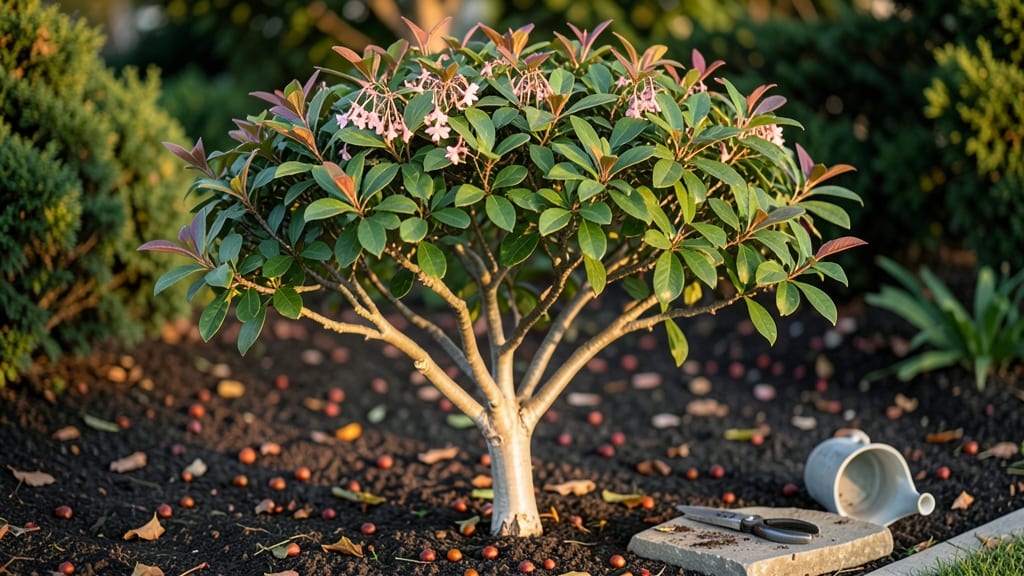
The Japanese spindle tree thrives in Pacific Northwest's damp, mild winters—its glossy leaves and vibrant pink berries make it a standout shrub that needs minimal fuss.
I've grown mine for five years now, and the key to keeping it lush lies in understanding its natural growth patterns and when to prune.
Unlike many shrubs, this one doesn't mind a little neglect, but a few strategic cuts in the right seasons will keep it compact and flowering beautifully.
This plant loves partial shade to full sun, tolerating everything from dry soil to occasional moisture—perfect for the PNW's unpredictable weather. The soil should be well-draining but not sandy, and a light layer of mulch helps retain moisture while keeping roots cool.
Once established, it's remarkably low-maintenance, which is why it's become a favorite in urban gardens and woodland edges alike.
With the right pruning, you'll see fresh, bright green foliage emerging in spring and clusters of pink berries forming in late summer. The berries may look like a bird magnet, but they're actually quite tough—birds usually leave them alone until winter.
Pruning after flowering ensures the next year's blooms will be even more vibrant, and the plant stays at a manageable height.
Whether you're using it as a privacy screen, a focal point in a shaded garden, or a specimen plant in a mixed border, the Japanese spindle tree delivers year-round interest with almost no effort.
The best part? It handles the Pacific Northwest's wet winters like a champ, staying healthy and green when other shrubs struggle.
📚 In This Guide
- What you need
- Instructions
- Tips and common mistakes
- Wrapping up and next steps
What you need
- ● Pruning shears: Bypass pruners (sharp, 6–8" blades) for clean cuts on small branches.
- ● Loppers: 1 pair (18–24" handles) for thicker branches (½"–1.5" diameter).
- ● Pruning saw: 1 handheld saw (for branches >1.5" thick).
- ● Gloves: Heavy-duty gardening gloves (to protect against thorns and sap).
- ● Disinfectant: 70% isopropyl alcohol or bleach solution (1:9 water ratio) to sterilize tools between cuts.
- ● Rag or paper towels: For wiping tools clean.
- ● Ladder or step stool: If your tree is over 6 ft tall (for safe reach).
- ● Trash bags: 2–3 heavy-duty bags (for pruning debris).
- ○ Marking twine or flags: Optional, for labeling branches to remove.
- ● Hand pruners: Compact shears for precision trimming on tiny branches.
- ● Pole pruner: Extendable tool (for high branches without a ladder).
- ● Sealant: Pruning sealant (for large cuts >2" diameter, though not always necessary for spindle trees).
- ● Notebook & pen: To jot down pruning notes or track growth patterns.
- ● Water spray bottle: For rinsing sap off tools post-pruning.
How to prune a Japanese spindle tree for year-round health
This hardy tree thrives in the Pacific Northwest when pruned with precision—here’s how to keep it blooming strong.
Understand the Japanese Spindle Tree’s Growth Cycle
The Japanese spindle tree (Euonymus japonicus) blooms on both old and new wood, meaning you can shape it year-round without sacrificing flowers. Start by identifying last year’s growth—these branches produce spring blooms, while current season’s shoots will flower later. I always prune lightly in late winter to encourage new growth before spring blooms appear.
Look for branches that cross or rub against each other—these compete for sunlight and weaken the tree. Also watch for dead or diseased wood, which appears as brown, brittle stems. Remove these immediately to prevent fungal spread. Healthy branches have smooth, green bark and vibrant leaves.
Prune for Shape and Airflow in Late Winter (Before Bud Break)
Use clean, sharp pruning shears to make 45-degree cuts just above a bud or branch collar. This encourages faster healing and reduces the risk of disease. Start by thinning out crowded branches from the center of the tree—this improves airflow and sunlight penetration, which is critical in the Pacific Northwest’s damp climate.
Limit your cuts to no more than 25% of the tree’s canopy in one session. Over-pruning stresses the tree, especially in late winter when it’s still dormant. Focus on removing branches that grow inward or downward, as these create a weak structure. Leave some natural shape—Japanese spindle trees have beautiful, arching branches that add texture.
Light Summer Pruning to Encourage New Blooms
After the spring blooms fade, perform a second round of pruning in June or July to shape the tree and promote new growth. This is when you can be more aggressive with shaping, as the tree has already set its flowers for next year. Cut back any leggy or overgrown branches to a strong lateral branch or bud.
Watch for suckers—shoots that grow from the base or roots. These drain energy from the main tree. Remove them at the base with a clean cut. If you notice any signs of stress, like yellowing leaves or stunted growth, hold off on pruning until the tree recovers. Japanese spindle trees are tough, but they’ll tell you when they’ve had enough.
Minimal Autumn Pruning to Prepare for Winter
In late autumn, focus on removing only dead, diseased, or damaged branches. Avoid heavy pruning now, as the tree needs time to harden off before winter. Cut back any branches that were damaged by summer storms or pests. Disinfect your pruning tools with rubbing alcohol between cuts to prevent the spread of disease.
This is also a good time to clean up any fallen leaves or debris around the base of the tree. Mulch lightly with 2-3 inches of organic mulch to protect the roots from freezing temperatures. The Japanese spindle tree is cold-hardy, but a little extra protection goes a long way in the Pacific Northwest’s wet winters.
Post-Winter Inspection and Maintenance
Once winter passes and new growth begins in early spring, do a final inspection. Look for any branches that were damaged by ice or snow and prune them back to healthy wood. This is also the time to check for any signs of pests, like spider mites or scale, which can weaken the tree.
If you notice any issues, treat them promptly with horticultural oil or insecticidal soap. Japanese spindle trees are generally low-maintenance, but a little attention in early spring sets them up for another year of vibrant blooms. Water deeply if the winter was particularly dry, but avoid overwatering—these trees prefer well-draining soil and can handle drought once established.
Tips & tricks for pruning Japanese spindle trees
A few key techniques will help you maintain your Japanese spindle tree's health and beauty throughout the seasons.
Timing is Everything: When pruning in late winter (Step 2), always wait until the tree is fully dormant but before bud break. This timing ensures you're not removing flower buds that will bloom in spring. In the Pacific Northwest, this typically means pruning between late January and early March. The tree's natural dormancy period makes it more resilient to pruning at this time.
Cutting Technique Matters: The 45-degree angle cuts mentioned in Step 2 are crucial for proper healing. Make sure your pruning shears are sharp to avoid tearing the bark. I always make my cuts just above a bud or branch collar to encourage new growth from that point. If you accidentally cut too close to the trunk, the wound may not heal properly and could become an entry point for disease.
Seasonal Pruning Strategy: In Step 3, when you're doing your summer pruning in June or July, focus on removing branches that are growing in the wrong direction or are too leggy. This is when you can be more aggressive with shaping since the tree has already set its flowers for next year. Just remember to cut back to a strong lateral branch or bud to encourage proper regrowth.
Equipment Essentials: Always use clean, sharp pruning shears and disinfect them between cuts, especially when dealing with diseased branches in Step 4. I keep a small bottle of rubbing alcohol handy for quick disinfection. For larger branches, consider using pruning saws with a fine-toothed blade to make clean cuts without tearing the bark.
Pro Tips for Japanese Spindle Tree
- A few key techniques will help you maintain your Japanese spindle tree's health and beauty throughout the seasons.
- Timing is Everything: When pruning in late winter (Step 2), always wait until the tree is fully dormant but before bud break.
- Cutting Technique Matters: The 45-degree angle cuts mentioned in Step 2 are crucial for proper healing.
Frequently asked questions
about growing and pruning Japanese spindle trees in the Pacific Northwest—because even the hardiest blooms need a little TLC!When is the best time to prune my Japanese spindle tree?
The ideal time is late winter or early spring (February–March) before new growth begins. This prevents stressing the tree during dormancy and ensures vibrant blooms in spring. Avoid pruning in fall, as it can stimulate tender new growth vulnerable to frost.
Can I prune Japanese spindle trees in winter?
Yes, but only if necessary (e.g., removing broken branches). Heavy pruning in winter can expose the tree to cold damage. If you must prune, do so on mild days above freezing and avoid cutting into old wood, which may not regrow well.
Why aren’t my Japanese spindle tree blooms as vibrant as they used to be?
Overgrown branches or lack of sunlight can dull blooms. Prune to improve airflow and sunlight penetration, and fertilize lightly in early spring with a balanced 10-10-10 formula. Deadheading spent blooms also encourages new growth.
How much can I safely prune off a Japanese spindle tree?
Remove no more than 25–30% of the canopy in one season to avoid stress. Focus on thinning out crowded branches and shaping for airflow. Avoid "topping" (cutting back to a stub)—this harms the tree’s structure and blooms.
Are there alternatives to Japanese spindle trees for PNW gardens?
Yes! Consider Elderberry (Sambucus) for berries and wildlife, Oregon Grape (Mahonia) for drought tolerance, or Ninebark (Physocarpus) for similar hardiness. All thrive in PNW’s mild winters and require minimal pruning.
Wrapping up and next steps
The Japanese spindle tree is a resilient, stunning addition to Pacific Northwest gardens, offering year-round beauty with minimal fuss. With the right pruning techniques—like light shaping in late winter and deadheading spent blooms—you’ll keep it thriving for decades. 🌿
Ready to give your tree the care it deserves? Grab your pruners, mark your calendar for next winter’s trim, and watch your garden bloom brighter than ever! Start small, stay consistent, and enjoy the rewards of a well-loved landscape.