Pruning
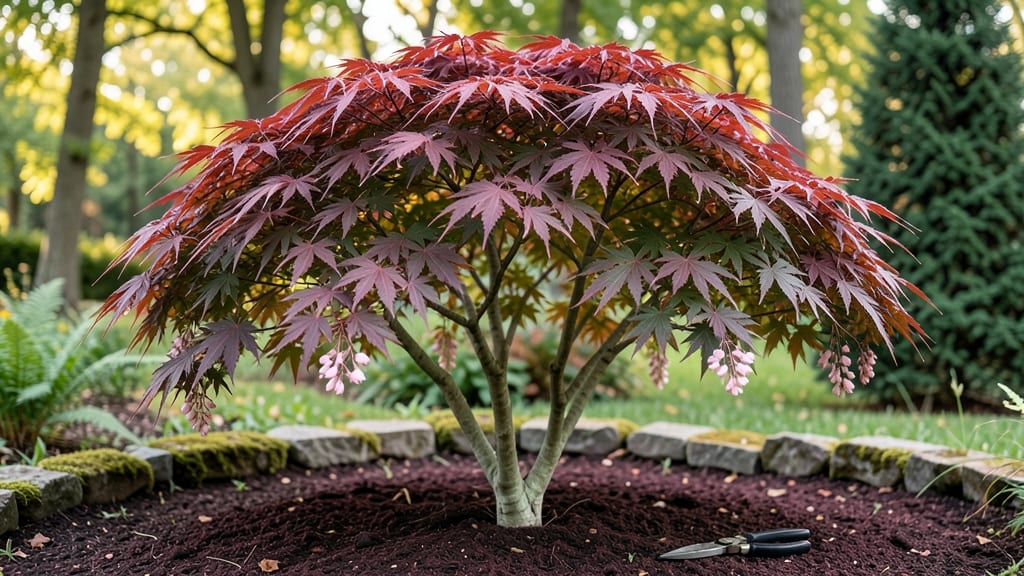
Your Japanese flowering maple tree (Acer palmatum) could be the star of your garden this year—if you prune it right. ✨ I’ve spent years watching these trees transform from tangled messes into showstopping focal points, and the secret isn’t complicated: timing, technique, and a little seasonal TLC.
The difference between a leggy, sparse tree and one bursting with vibrant foliage and delicate blooms often comes down to when and how you make those cuts.
Most gardeners prune once in late winter, but the real magic happens with year-round adjustments. Start with a clean-up cut in early spring to remove dead wood, then shape branches as new growth appears. Summer pruning encourages fuller foliage, while fall trims help prepare the tree for winter dormancy.
The key is working with the tree’s natural growth patterns—not against them—and using sharp tools to avoid tearing delicate branches.
By the end of the season, you’ll have a tree that’s not just alive but thriving—with lush, jewel-toned leaves and cascading flowers that turn heads. The best part?
You’ll do it without sacrificing the tree’s health or future growth. Ready to turn your maple into a garden masterpiece? Let’s get those pruners out.
This approach works for all Acer palmatum varieties, from dwarf types to large specimens, and adapts easily to container-grown trees. Whether you’re dealing with a young sapling or a mature beauty, the same principles apply. Here’s how to make it happen, step by step.
📚 In This Guide
- What you need
- Instructions
- Tips and common mistakes
- Wrapping up and next steps
What you need
- ● Pruning shears: Bypass pruners (sharp, 6–8-inch blades) for clean cuts on small branches.
- ● Loppers: 1–2 pairs (8–12-inch blades) for thicker branches (½–1½ inches in diameter).
- ● Pruning saw: 1 (for branches >1½ inches thick; avoid dull saws—they tear wood!).
- ● Gloves: Heavy-duty, cut-resistant (e.g., Felco or Fiskars brands) to protect hands from thorns and sap.
- ● Disinfectant: 70% isopropyl alcohol or rubbing alcohol (1 small bottle) to sterilize tools between cuts.
- ○ Pruning sealant: Optional but helpful (e.g., Tanglefoot Tree Wound Pruning Seal) for large cuts >½ inch.
- ● Ladder: Sturdy, extendable (if your tree is >6 feet tall).
- ● Heavy-duty trash bags: 2–3 (for collecting debris).
- ● Handheld leaf blower: For quick cleanup of small debris.
- ● Safety glasses: To shield eyes from sap or flying debris.
- ● Marking twine: Thin, colored twine to temporarily map branches for removal.
- ● Tree growth regulator: (e.g., Bonide Fruit & Flower) if promoting blooms post-pruning.
- ● Camera: Snap before/after pics to track progress!
Step-by-Step instructions for pruning Japanese flowering maple trees
Here's how I keep my Japanese maples thriving with vibrant blooms and perfect shape year-round.
✂️ Step 1: Prune Immediately After Flowering
Right after your tree finishes blooming in late spring, remove any spent flowers by cutting the stems back to the nearest healthy bud. This ensures the tree puts energy into new growth instead of seed production. I always use sharp, clean pruners to make clean cuts—never tear or rip branches, as this invites disease.
Look for branches that are crossing or rubbing against each other. These should be removed at their base to improve airflow and sunlight penetration. Japanese flowering maples respond best to gradual shaping, so avoid removing more than 25% of the foliage in one session. You'll see new, vibrant leaves emerge within 2-3 weeks as the tree recovers.
☀️ Step 2: Thin Out Interior Branches in Early Summer
In early summer, focus on thinning out the interior branches to create an open, airy canopy. Remove any branches growing straight up or inward—these compete with stronger, outward-facing branches. Cut just above an outward-facing bud to encourage growth in the right direction. I like to step back and visualize the tree's shape from all sides before making cuts.
Pay special attention to branches that are crowded or growing too close together. These often produce weak, leggy growth. A good rule of thumb is to remove one-third of the weakest branches in this session. You'll notice the tree's structure becomes more balanced, and sunlight reaches the lower branches more evenly.
✂️ Step 3: Light Pruning for Shape in Late Summer
In late summer, do a light pruning to maintain the shape you've established. Trim back any branches that have grown too long or are spoiling the tree's form. Cut just above a leaf node or bud to encourage bushier growth. Avoid heavy pruning now—the tree is preparing for dormancy, and late cuts can stimulate new growth that won't harden off before winter.
This is also the time to remove any dead, diseased, or damaged branches. Look for branches with brown or mushy wood, signs of pests, or those that are completely bare. Dispose of these immediately to prevent spreading issues. Your goal here is subtle refinement, not dramatic changes.
⏰ Step 4: Winter Pruning for Structure and Safety
When the tree is fully dormant in late winter (just before new growth begins), do a final pruning to remove any remaining dead wood and shape the tree for the coming season. Cut back any branches that are crossing, rubbing, or growing in the wrong direction. This is also the time to thin out the center of the tree to improve airflow and reduce disease risk.
I like to prune in stages over a few days, especially on larger trees, to avoid stressing the plant. After pruning, apply a thin layer of mulch (if needed) to protect the roots from temperature fluctuations. You'll see fresh, new growth emerge in early spring—this is your reward for careful winter pruning.
Tips & tricks for perfect Japanese flowering maple tree pruning
These essential tips will help you maintain your Japanese flowering maple's beauty while avoiding common pruning mistakes that can harm the tree.
Timing is Everything: The 2-3 week recovery period after Step 1's late spring pruning is crucial. This gives the tree time to heal before summer heat stress. I've seen trees struggle when pruned too late in spring—wait until all flowers have completely faded before cutting. This timing ensures the tree has energy for both recovery and new growth.
Tool Preparation: Clean, sharp pruners are non-negotiable for Japanese maples. I sterilize my tools with rubbing alcohol between cuts to prevent disease spread, especially when removing damaged branches in Step 3. Dull tools tear bark and create larger wounds that heal poorly. Consider investing in bypass pruners—they make cleaner cuts than anvil pruners.
Visualizing the Shape: Before making any cuts in Step 2, step back and visualize your tree's final shape. I imagine an open vase shape that allows light to reach all branches. Sketching a rough outline on paper first helps me plan where to make cuts. This approach prevents over-pruning and ensures balanced growth throughout the tree.
Seasonal Considerations: Winter pruning in Step 4 is ideal for removing dead wood, but avoid heavy shaping during this time. Japanese maples are sensitive to late-season cuts that stimulate tender growth vulnerable to winter cold. Limit winter pruning to structural adjustments only—save detailed shaping for late spring when the tree is actively growing.
Pro Tips for Japanese Flowering Maple Tree
- These essential tips will help you maintain your Japanese flowering maple's beauty while avoiding common pruning mist...
- Timing is Everything: The 2-3 week recovery period after Step 1's late spring pruning is crucial. This gives the tree...
- Tool Preparation: Clean, sharp pruners are non-negotiable for Japanese maples. I sterilize my tools with rubbing alco...
Frequently asked questions
Got questions about keeping your Japanese flowering maple tree () thriving through pruning? Here are some common ones—and their answers!
When is the best time to prune a Japanese flowering maple?
The ideal time is late winter to early spring (just before buds swell) for general shaping. For light bloom maintenance, prune right after flowering (spring/summer) to avoid cutting off next year’s blossoms. Avoid heavy pruning in fall—it stresses the tree before winter.
Can I prune a Japanese flowering maple in summer?
Yes, but lightly! Summer pruning is best for dead or diseased branches or to control growth. Avoid heavy cuts—it can stimulate weak, watery growth and reduce next year’s vibrant blooms. If pruning for shape, do so after flowering (late spring/early summer).
Will pruning reduce the number of flowers on my Japanese maple?
Not if done correctly! Prune after flowering to preserve next year’s blooms. Avoid cutting back flowering branches in late winter—they hold next season’s buds. Focus on thinning out dense growth and removing crossing branches to improve air circulation and future bloom health.
How do I prune a Japanese flowering maple in rainy or humid climates?
Rainy/humid weather can spread disease, so prune on dry days. Sterilize tools with rubbing alcohol between cuts to prevent fungal infections. Avoid pruning during prolonged wet spells—wait for 5–7 dry days to minimize sap oozing and rot risks. If pruning is urgent, work early in the morning for less humidity.
Are there alternatives to traditional pruning for shaping?
Yes! Try pinching (removing new growth tips in spring) for finer branches or topiary training (gradual shaping with flexible wire). For dramatic designs, coppicing (cutting back to a stump) can encourage bushier regrowth—but this is best for non-flowering varieties. Always research your specific cultivar first!
Wrapping up and next steps
The Japanese flowering maple tree is a stunning addition to any garden, but its beauty thrives on thoughtful care—especially when it comes to pruning. Whether you’re shaping its delicate branches, encouraging vibrant blooms, or maintaining its health year-round, the right techniques make all the difference.
With patience and precision, you’ll unlock its full potential and enjoy season-after-season magic. 🌸
Ready to transform your tree into a masterpiece? Start small—pick one pruning session this season and build from there. Before you know it, your Japanese maple will be the showstopper of your landscape! 🌿