Pruning
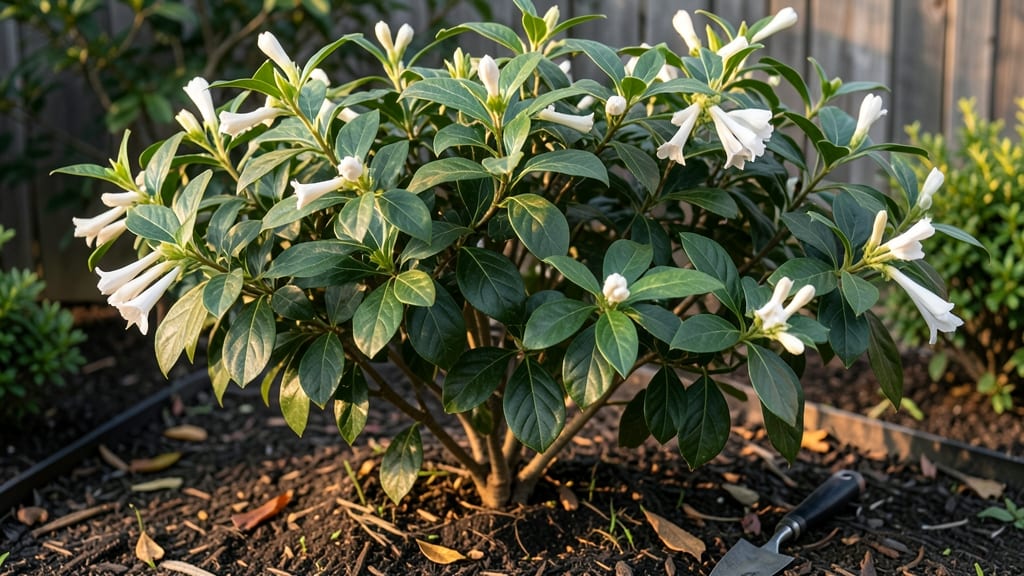
The Joy Perfume Tree (Murraya paniculata) brings Pacific Northwest gardens a fragrant, frost-tolerant treasure that thrives where many tropicals fail. 🌿 I planted mine three years ago after struggling with finicky citrus—this tree not only survived our damp winters but burst into creamy-white blossoms that smell like vanilla and citrus all summer long.
What makes this tree special is its hardiness—unlike many ornamentals, it handles temperatures down to 15°F with proper care, and its glossy evergreen leaves add year-round structure. The secret to keeping it lush?
Pruning in late winter to shape it while it’s dormant, and avoiding heavy watering once established. Most people overwater, but this tree prefers dry soil once roots are settled.
By summer, you’ll be rewarded with fragrant clusters that attract pollinators and fill the air with a sweet, intoxicating scent—perfect for patios or near windows. The tree stays compact (6–10 feet tall) and fits small yards beautifully.
With the right pruning, it becomes the showstopper of your garden without demanding constant attention.
Whether you’re in Seattle, Portland, or the Cascades, this tree adapts—just avoid soggy soil and give it full sun to partial shade. The key is patience: it grows slowly at first but becomes a low-maintenance star over time. Ready to transform your space with fragrance and resilience?
📚 In This Guide
- What you need
- Instructions
- Tips and common mistakes
- Wrapping up and next steps
What you need
- ● Pruning shears: Bypass pruners (sharp, clean, and sterilized with rubbing alcohol to prevent disease).
- ● Loppers: For thicker branches (1.5"–2" diameter).
- ● Hand pruners: For delicate trimming (avoid dull blades!).
- ● Gloves: Heavy-duty gardening gloves (protects from thorns and sap).
- ○ Disposable pruning bags: 2–3 medium-sized bags for clippings (optional but handy!).
- ● Ladder (if needed): Sturdy, extendable ladder for high branches (4–6 ft tall trees may require this).
- ● Rake: Leaf rake to clear debris post-pruning.
- ○ Pruning sealant (optional but recommended): For large cuts (e.g., Tanglefoot Tree Wound Pruning Seal).
- ● Disinfectant spray: 70% isopropyl alcohol for tools between cuts.
- ● Marking twine: To flag branches for removal (if planning ahead).
- ● Compost bin: For repurposing pruned branches (great for mulch!).
- ● Safety goggles: Protects eyes from flying debris.
Step-by-Step pruning guide for your joy perfume tree
This is the method I’ve used for years to keep my Pacific Northwest Joy Perfume Tree thriving through frost and summer blooms.
✂️ Step 1: Prune After the First Frost
Wait until after the first hard frost when the plant has fully dormant buds—you’ll notice the leaves have turned brown and fallen naturally. This timing ensures you’re not cutting back new growth that could be damaged by late-season cold snaps. Use sharp, clean pruners to make cuts just above a leaf node or outward-facing bud.
Remove any dead, diseased, or crossing branches first. These are easy to spot—they’ll be brown, brittle, or growing inward toward the center of the tree. I always start with these because they’re the most obvious and will improve airflow for the remaining branches. Aim to open up the center of the tree by about 30% to let light and air circulate.
☀️ Step 2: Shape for Sun Exposure
In early spring, before new growth begins, step back and assess the tree’s shape. You want to maintain an open, vase-like structure that allows sunlight to reach all branches. Focus on thinning out branches that are growing too close together or rubbing against each other—these compete for resources and can create weak spots.
Cut back any overly long branches by about one-third to encourage bushier growth. Look for branches that are growing straight up; these often produce fewer flowers. Instead, aim to create a balanced silhouette with multiple tiers. The Joy Perfume Tree responds well to pruning, so don’t be afraid to be bold—just avoid cutting back more than 30% of the tree’s total volume in one season.
🌿 Step 3: Encourage Flowering Branches
After the tree has finished blooming in late spring or early summer, do a light pruning to shape and encourage next year’s flowers. Remove any spent flower clusters by cutting just above a set of leaves or buds. This prevents the tree from wasting energy on seed production and redirects it toward stronger growth and more blooms.
Look for branches that are producing the most fragrant flowers and give them priority. If you notice leggy growth with sparse leaves, cut back the tips to promote branching. The Joy Perfume Tree flowers on old wood, so avoid heavy pruning in late summer—this can remove next year’s bloom potential. Instead, focus on tidying up and removing any suckers or water sprouts that appear at the base or along the trunk.
⏰ Step 4: Maintain Year-Round Care
Throughout the growing season, keep an eye out for any branches that are growing in an undesirable direction or becoming too dense. Use your fingers or small pruners to pinch back new growth to encourage a bushier shape. This is especially important in the Pacific Northwest’s mild, wet climate, where overgrowth can lead to fungal issues.
Water deeply after pruning to help the tree recover, especially if you’ve done any heavy shaping. Mulch around the base with 2-3 inches of organic material to retain moisture and protect roots during winter. I also recommend fertilizing lightly in early spring with a balanced, slow-release fertilizer to support new growth. Avoid heavy feeding in late summer, as this can stimulate tender new growth that won’t survive frost.
Tips & tricks for perfect joy perfume tree pruning
Here's what I've learned after years of keeping my Pacific Northwest Joy Perfume Tree thriving through every season.
Tool Preparation: Before you start pruning, take 5 minutes to clean and sharpen your pruners. Dull tools crush branches instead of making clean cuts, which can damage the tree's bark and invite pests. I like to wipe mine down with rubbing alcohol between cuts to prevent spreading any potential diseases between branches.
Seasonal Timing Secret: The instructions mention pruning after the first frost, but I've found that waiting until late winter—just before buds begin to swell—gives you the best results. This timing lets you see the tree's natural shape more clearly and makes it easier to identify dead branches that might have been hidden under winter foliage. It's also when the tree is fully dormant, so it can recover more quickly from pruning.
Visual Pruning Cues: When shaping in Step 2, look for branches that form a "V" shape when viewed from above—these are the ones to keep as they allow sunlight to reach the center. The "30% opening" mentioned in Step 1 is a great guideline, but don't stress about exact measurements. Just aim to create an open center that lets light reach the inner branches while maintaining that beautiful vase shape. Think of it like creating a window that lets sunlight filter through.
Pacific Northwest Climate Hack: In our region's mild, wet climate, I've found that pruning just after a dry spell helps prevent fungal issues. The tree's wounds heal more quickly when the bark isn't constantly damp. Also, be extra vigilant about removing any branches that show signs of fungal infection—look for dark, powdery spots or unusual growths. Catching these early can make all the difference for your tree's health.
Pro Tips for Joy Perfume Tree
- Here's what I've learned after years of keeping my Pacific Northwest Joy Perfume Tree thriving through every season.
- Tool Preparation: Before you start pruning, take 5 minutes to clean and sharpen your pruners.
- Seasonal Timing Secret: The instructions mention pruning after the first frost, but I've found that waiting until late winter—just before buds begin to swell—gives you the best results.
Frequently asked questions
Got questions about your Joy Perfume Tree? You’re not alone! This fragrant, frost-resistant beauty thrives with the right care—but here’s what to know before you prune.
When is the best time to prune a Joy Perfume Tree?
The ideal time is late winter or early spring (before buds swell) to avoid disturbing its delicate blooms. Light pruning can also happen after flowering, but avoid heavy cuts then—you’ll risk losing next year’s fragrant blossoms! For frost-prone areas, wait until after the last frost to prevent stress.
How cold can a Joy Perfume Tree handle?
This Pacific Northwest native is hardy to USDA Zones 6-9 and tolerates temps down to 0°F (-18°C) with proper care. Young trees benefit from mulch or burlap wraps in extreme cold. Mature trees usually bounce back, but avoid pruning in winter—wait for warmer weather to assess damage.
What if my Joy Perfume Tree isn’t blooming?
Lack of flowers often means over-pruning or nutrient deficiency. Focus on light shaping (never cut more than 1/3 of branches) and fertilize with acidic, phosphorus-rich soil in early spring. Deadheading spent blooms can encourage more flowers—but don’t overdo it!
Can I grow a Joy Perfume Tree in a container?
Yes! Choose a large pot (at least 24” wide) with well-draining soil and prune roots annually to prevent circling. Move containers indoors in winter if temps drop below 10°F (-12°C). Just remember: containers dry out faster, so water deeply 2–3 times weekly in summer.
Why are my leaves yellowing or dropping?
Yellow leaves often signal overwatering or root rot. Let soil dry between waterings and ensure pots/containers have drainage holes. Brown, crispy edges? Likely underwatering or salt buildup—flush soil with water. For frost damage, prune dead branches after new growth appears in spring.
Wrapping up and next steps
The Joy Perfume Tree isn’t just a stunning addition to your Pacific Northwest garden—it’s a fragrant, low-maintenance star that thrives even in chilly climates. With the right pruning techniques, you’ll keep it healthy, blooming, and bursting with that signature sweet, citrusy aroma for years to come. 🌿✨
Now that you’re armed with the how-tos, grab those shears, and give your tree the TLC it deserves! Ready to transform your outdoor space into a sensory paradise? Start small—prune just one branch today and watch your Joy Perfume Tree flourish with joy (and fragrance!) all season long.