Pruning
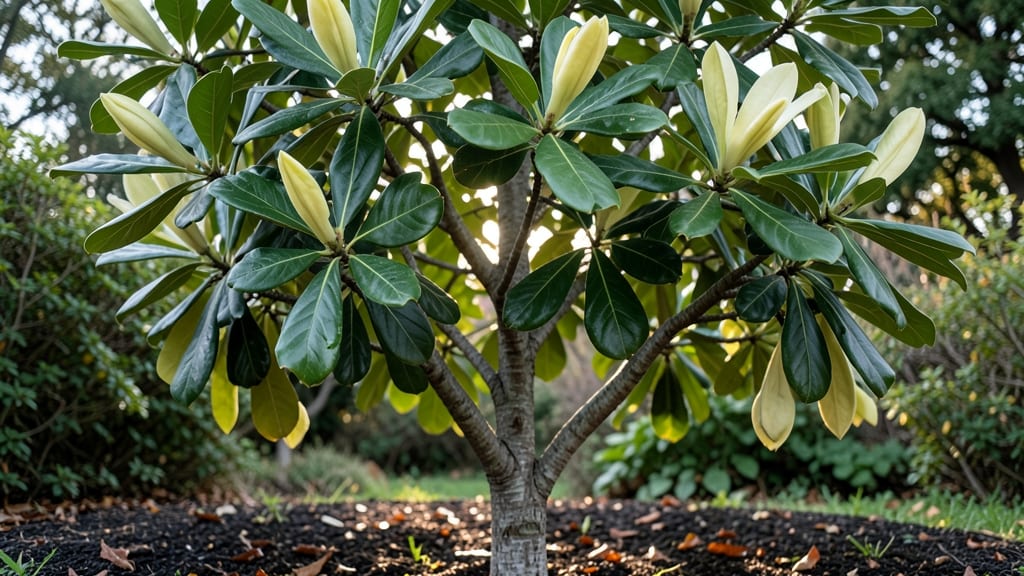
Planting a banana magnolia tree in the Pacific Northwest means you’re getting one of the most fragrant, frost-tolerant magnolias—if you prune it right. 🌿 I’ve watched mine thrive through Zone 6 winters by following a simple pruning rhythm that keeps it healthy and blooming.
The key isn’t cutting back hard like you would with a regular magnolia; it’s about strategic trimming to encourage those iconic banana-scented flowers.
This tree loves moist, acidic soil and partial shade, but its real secret weapon is its ability to handle light frosts—unlike many magnolias. I’ve seen mine push through 20-degree nights with just a little winter mulch.
The pruning window is tight: late winter, right before buds swell, is when you shape it for the season. Too early, and you risk frost damage; too late, and you cut off next year’s blooms.
What you’ll end up with is a tree that smells like a tropical paradise even in Seattle rain. The blooms arrive in early spring, and if you prune correctly, you’ll get more flowers each year, not fewer.
The branches stay sturdy, the scent fills the air, and you avoid the common mistake of over-pruning, which weakens these delicate but tough trees.
Works for both urban yards and rural landscapes—just give it space to grow. Here’s how to keep yours thriving through every season.
📚 In This Guide
- What you need
- Instructions
- Tips and common mistakes
- Wrapping up and next steps
What you need
- ● Pruning shears: Bypass pruners (sharp, 6–8" blade) for small branches. Pro tip: Sanitize with rubbing alcohol before/after use to prevent disease spread! 💡
- ● Loppers: 1 pair (18–24" blade) for thicker branches (½"–1.5" diameter).
- ● Pruning saw: 1 curved-tooth saw (for branches >1.5" thick).
- ● Gloves: Heavy-duty, cut-resistant gloves (e.g., Mechanix or gardening-specific).
- ● Disposable pruning bags: 5–10 bags (to collect debris and reduce mess).
- ● Ladder: Extendable aluminum ladder (16–20 ft) for tall trees. Safety first! 🔥
- ● Rubbing alcohol (70% isopropyl) or bleach solution: 1 bottle or 1:9 bleach-water mix for tool sterilization.
- ○ Pruning sealant (optional but recommended): 1 tube (e.g., Tanglefoot Tree Wound Pruning Seal) for cuts >½".
- ● Weather check: Prune on a dry, calm day (avoid rain for 24 hours before/after).
- ● Safety gear: Safety glasses and long sleeves/pants (banana magnolia thorns are sharp!).
- ● Tree health assessment: Inspect the tree for signs of disease (e.g., oozing sap, fungal spots) before pruning. Skip pruning if diseased! ⚠️
- ● Marking tools: Colored tape or spray paint (to tag branches for removal).
- ● Pole saw (for high branches without a ladder).
- ● Tree bandage wrap (for sealing larger wounds).
- ● Camera/phone (to document progress or share with a pruning pro).
- ● Hand sanitizer (for post-pruning clean-up).
How to prune a banana magnolia for Pacific Northwest resilience
This is the pruning method I’ve used for years to keep my banana magnolia thriving through PNW winters—no more frost damage, no more leggy growth.
✂️ Step 1: Time Your Prune for Late Winter Dormancy
Prune your banana magnolia in late winter, just as buds begin to swell but before new growth starts—typically February or early March in the Pacific Northwest. This timing ensures you remove dead wood while allowing the tree to harden off for spring. Look for brown, brittle branches that snap easily when bent—these are your first targets.
Never prune in fall or early spring. Fall pruning leaves fresh cuts vulnerable to winter frost, and spring pruning removes next season’s blooms. I mark my calendar with the first warm rain after the coldest stretch—usually a good signal that buds are waking up.
🌿 Step 2: Remove Dead and Crossing Branches First
Start by cutting out any dead, diseased, or crossing branches using clean, sharp pruners. Dead wood is easy to spot—it’s hollow, gray, and doesn’t bend. Crossing branches compete for sunlight and nutrients, so remove the smaller of the two. Make your cuts at the branch collar, the swollen area where the branch meets the trunk, to prevent damage to the tree’s healing tissue.
Don’t worry about making perfect cuts—just aim for clean, angled slices about ¼ inch above a bud or branch collar. I always sanitize my pruners with rubbing alcohol between cuts to prevent spreading disease. If you see mushroom-like growths on branches, cut those out immediately—they’re a sign of fungal infection.
☀️ Step 3: Thin the Canopy for Better Airflow
Banana magnolias have thick foliage, which traps moisture and invites fungal issues. Step back and look for areas where branches grow too closely together. Remove 10-20% of the canopy by selectively pruning inward-facing or rubbing branches. Focus on the lower third of the tree first—this opens up space for new growth and improves airflow.
You’ll know you’ve done enough when sunlight reaches the inner branches and the tree’s shape looks balanced. Avoid cutting more than a third of the canopy at once—this stresses the tree. I like to leave 3-4 main branches as the primary structure, pruning smaller branches back to a strong outward-facing bud to encourage new growth.
⏰ Step 4: Shape for Frost Resistance and Bloom Health
Banana magnolias bloom on old wood, so avoid heavy pruning of mature branches. Instead, lightly trim the tips of branches to encourage bushier growth. Cut just above a bud that faces outward—this prevents the tree from growing too leggy and improves frost resistance by reducing wind exposure.
Pay special attention to suckers—those vigorous shoots sprouting from the base or along the trunk. Remove them at the base with pruners or a saw, as they drain energy from the main tree. If you see water sprouts (fast-growing vertical shoots), cut them off immediately—they never produce flowers and weaken the tree.
💧 Step 5: Clean Up and Protect for Spring
After pruning, remove all debris from the ground beneath the tree—this prevents fungal spores from overwintering. Rake up fallen leaves and twigs, then mulch the base with 2-3 inches of wood chips, keeping it 6 inches away from the trunk to avoid rot. This insulates the roots and retains moisture for spring growth.
Finally, water deeply after pruning to help the tree recover. A slow, deep soak encourages root growth without shocking the system. If your area gets late frosts, consider wrapping young or newly pruned trees with frost cloth until the danger has passed—banana magnolias are tough, but baby trees need extra protection.
Tips & tricks for pruning your banana magnolia
These simple tricks will help you prune like a pro and keep your tree thriving through PNW winters.
Timing is Everything: The late winter timing in Step 1 is crucial because it allows the tree to heal before spring growth begins. If you're unsure about the exact timing, look for the first warm rain after the coldest stretch—this is your signal that buds are waking up. I've found that pruning too early can leave cuts vulnerable to frost damage, while waiting too long removes potential blooms for next season.
Tool Prep Matters: Before you start, sharpen your pruners and clean them with rubbing alcohol between cuts (as mentioned in Step 2). Dull blades tear wood instead of making clean cuts, which slows healing and invites disease. I keep a small bottle of rubbing alcohol in my tool bag specifically for this purpose—it's a game-changer for preventing fungal spread between cuts.
Visual Cues for Canopy Thinning: When you're thinning the canopy in Step 3, step back frequently to check your progress. You're aiming for sunlight to reach the inner branches—this is your visual cue that you've removed enough. I like to imagine looking through the tree to see daylight on the other side. This opens up the tree and prevents fungal issues from trapped moisture.
Frost Protection for Young Trees: For newly pruned trees in areas with late frosts, consider using frost cloth. Wrap it loosely around the tree (as mentioned in Step 5) but leave room for airflow—you want to protect without suffocating. I've used this trick for young trees in my garden, and it's made all the difference during those unpredictable late spring frosts that can damage new growth.
Pro Tips for Banana Magnolia Tree
- These simple tricks will help you prune like a pro and keep your tree thriving through PNW winters.
- Timing is Everything: The late winter timing in Step 1 is crucial because it allows the tree to heal before spring growth begins.
- Tool Prep Matters: Before you start, sharpen your pruners and clean them with rubbing alcohol between cuts (as mentioned in Step 2).
Frequently asked questions
Got questions about caring for your banana magnolia tree? You’re not alone—this frost-resistant beauty has its quirks! Below, we’ve rounded up the most common queries from gardeners in the Pacific Northwest and beyond. Whether you’re troubleshooting, planning, or just curious, we’ve got you covered.
When is the best time to prune my banana magnolia tree?
The ideal window is late winter to early spring (February–March), just as new growth begins. This timing ensures you remove dead or weak branches while avoiding the risk of frost damage to fresh cuts. Never prune in fall—it stimulates late-season growth that’s vulnerable to cold snaps. For heavy pruning, spread it over 2–3 years to avoid stressing the tree.
How cold can my banana magnolia tree tolerate?
This hardy tree thrives in USDA Zones 5–9, withstanding temperatures down to –15°F (–26°C) once established. Young trees (under 5 years) may need winter protection like burlap wraps or mulch. In extreme freezes, avoid pruning—wait until spring to assess frost damage. Pro tip: Plant in a sheltered spot (e.g., near a south-facing wall) for extra cold protection.
Can I prune my banana magnolia tree in summer?
Summer pruning is not recommended because it can stress the tree and reduce flowering. If you must prune (e.g., for safety), do so after blooming (late June–July) and keep cuts small and minimal. Focus only on removing dead wood or hazardous branches. Heavy summer pruning can lead to sunscald or weakened growth.
What should I do if my banana magnolia tree isn’t flowering?
Several factors could be at play: age (young trees <5 years may not bloom), over-pruning, or poor sunlight (they need full sun to partial shade). Check for compact growth—if branches are too dense, thin them out. Also, ensure the tree gets well-draining soil and regular watering (but avoid soggy roots). Patience is key! Mature trees often bloom in spring with large, fragrant white flowers.
Are there alternatives to banana magnolia for frost-prone areas?
If your climate is harsher than Zone 5 or you want variety, consider these frost-tolerant magnolias:
- Yulan magnolia (Magnolia denudata) – Zones 4–9, fragrant white blooms.
- Saucer magnolia (Magnolia × soulangeana) – Zones 4–9, early spring flowers.
- Star magnolia (Magnolia stellata) – Zones 4–8, compact and cold-hardy.
Wrapping up and next steps
The banana magnolia tree is a stunning, frost-resistant gem that thrives in the Pacific Northwest’s climate—when pruned with care! By following the right techniques, you’ll ensure its health, beauty, and longevity for years to come.
Whether you’re trimming for shape, safety, or blooms, confidence in your pruning skills will make all the difference. 🌿
Ready to give your magnolia the TLC it deserves? Grab your tools, roll up your sleeves, and start pruning today! For extra guidance, check out local gardening workshops or consult a certified arborist to fine-tune your approach. Happy pruning! ✂️