
Trees
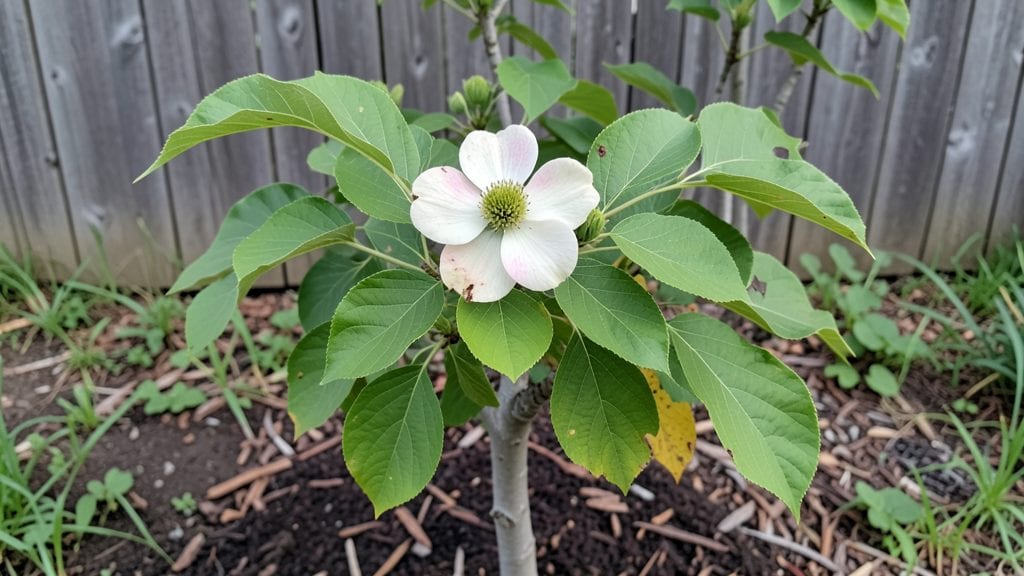
These pictures of pink dogwood trees in full bloom—those soft blush clouds of flowers—are what make the Pacific Northwest’s spring landscapes feel like a postcard. 🌸 I’ve spent years photographing these trees in their natural habitats, and their sheer elegance makes them the star of any garden design.
The way they transform a yard from ordinary to extraordinary is nothing short of magical.
What makes pink dogwoods so special isn’t just their stunning spring display, but their year-round appeal. Their dark green leaves provide a lush backdrop in summer, while fall brings subtle color shifts that add depth to the landscape.
Pair them with evergreen shrubs or early-blooming bulbs like daffodils, and you’ve got a showstopper that lasts from winter to summer.
These trees thrive in partial shade, making them perfect for underplanting beneath larger deciduous trees or lining pathways where their canopy creates natural shade. With minimal pruning—just removing dead or crossing branches—you’ll keep them healthy and encourage even more of those breathtaking blooms.
The secret to showcasing their beauty? Let them stand tall and proud, surrounded by complementary textures and colors.
Whether you’re designing a backyard retreat or a public garden, pink dogwoods bring a touch of Pacific Northwest charm that’s hard to resist. Their versatility means they work in both formal and naturalistic settings, making them a must-have for any landscape lover.
Let’s explore how to make the most of their stunning presence in your own outdoor space.
📚 In This Guide
- What you need
- Instructions
- Tips and common mistakes
- Wrapping up and next steps
What you need
- ● DSLR or mirrorless camera (with adjustable settings for low-light or macro shots)
- ● Wide-angle lens (16-35mm) – Perfect for capturing the full canopy 🌿
- ● Telephoto lens (70-200mm) – Ideal for close-ups of flowers or bark details
- ● Tripod – Stabilizes shots in shady or windy conditions
- ● Polarizing filter – Reduces glare and enhances vibrant pink hues
- ○ External flash or reflector (optional) – Helps brighten shadows on overcast days
- ● Sketchbook or watercolor paper (140lb cold-press) – Durable for outdoor use
- ● Pencils (HB, 2B, 4B) – For preliminary sketches and shading
- ● Watercolor set (professional-grade) – Captures the soft blush tones beautifully
- ● Fine brushes (sizes 0, 2, and 6) – For intricate details
- ○ Portable easel (optional) – Keeps your workspace steady outdoors
- ● Comfortable hiking shoes – Dogwoods thrive in wooded trails!
- ● Binoculars (8x42 magnification) – Spots hidden dogwood clusters in dense forests
- ● Field guide to Pacific Northwest flora – Helps ID dogwoods vs. similar trees
- ● Weather-appropriate clothing – Layers for unpredictable PNW skies ☔
- ● Camera phone or notebook – Backup for quick sketches or reference photos
How to photograph pink dogwood trees in the Pacific Northwest
Capture the Pacific Northwest's signature spring bloom with these pro tips for stunning dogwood photos.
🌿 Step 1: Scout Locations for Peak Color and Composition
Pink dogwoods (Cornus nuttallii) reach their showiest display in late April through early May, with color intensity peaking in 5-7 days of warm sunshine after rain. I always check local weather forecasts and visit potential spots 3-5 days before the predicted bloom window to gauge color development. The best light occurs on overcast mornings or golden hour evenings—avoid harsh midday sun that washes out the blossoms' delicate pink hues.
Look for trees with open canopies revealing the bark's striking exfoliating patterns. Forest edges or meadows with dogwoods framing a mountain or water view create natural depth. I avoid photographing dogwoods in dense clusters—their beauty shines when they're the focal point. Bring a 10-20mm wide-angle lens to capture entire trees, but always pack a 70-200mm telephoto for tight shots of individual blossoms.
☀️ Step 2: Master Lighting for Vibrant Pink Tones
The Pacific Northwest's signature soft light is your best ally. I shoot during diffused overcast days when the sky acts as a natural reflector, eliminating harsh shadows that can mute pink tones. If clouds break, use a polarizing filter to deepen the sky's contrast and make blossoms pop. For evening shots, wait until 30 minutes before sunset when the light takes on a warm 6500K temperature—this enhances the pinks without turning them magenta.
Watch for backlighting through blossoms—this creates a luminous glow effect. I often shoot with the sun slightly behind the tree, then manually adjust white balance in-camera to 5000K to preserve the pink's natural saturation. Avoid shooting directly into the sun, as lens flare will wash out the delicate petals. If you must shoot in bright conditions, use a neutral density filter to maintain proper exposure without overexposing the blossoms.
📸 Step 3: Frame Shots for Seasonal Context
Dogwoods in bloom signal spring's arrival, so I always include seasonal context in my compositions. Look for new fern fronds unfurling, skunk cabbage along stream banks, or salal berries still clinging to last year's growth. These elements tell a story about the ecosystem. I use the rule of thirds to place the dogwood's trunk along a grid line, with blossoms centered in the remaining space—this creates visual balance.
For wide shots, include textural elements like moss-covered rocks or weathered logs to ground the scene. When photographing individual trees, I focus on negative space—leave room above the blossoms to draw the eye upward. I've found that shooting from slightly below (a 5-10° low angle) makes the tree appear more majestic against the sky. Always check your histogram to ensure you're capturing detail in both the blossoms and the darker foliage beneath.
✂️ Step 4: Post-Processing for Natural Vibrancy
In post-processing, I start by converting to Adobe Color profile for accurate NW lighting. I adjust the white balance to 5200-5500K to enhance pink tones without creating an unnatural look. The key is subtle enhancement—boost vibrance by 15-20% (not saturation) to make the pinks stand out naturally. I use selective sharpening on the blossoms while keeping the background softly blurred to maintain depth.
I avoid heavy contrast adjustments—the Pacific Northwest's natural softness is part of the charm. Instead, I use dodge and burn techniques to brighten the blossoms slightly while darkening the background just enough to make them pop. For web sharing, I export at 72 PPI with 80-90% quality—high enough for clarity, but small enough for fast loading. Always save a raw backup before making adjustments, as some colors may shift unexpectedly between monitors.
🌲 Step 5: Capture Year-Round Interest Beyond the Bloom
While pink dogwoods steal the show in spring, their exfoliating bark and red berries offer year-round interest. In late summer, photograph the deep red drupes against the green foliage. By autumn, the leaves turn rusty orange, creating striking contrast. I always include at least one seasonal variation in my portfolio—this shows the tree's full lifecycle. For winter shots, look for snow-dusted branches or bare trees silhouetted against the sky—these create dramatic black-and-white opportunities.
I document the same trees across seasons to show their growth patterns. Note how the bark's peeling patterns change annually, or how the branch structure becomes more pronounced as the tree matures. This long-term perspective adds depth to your photography portfolio and helps viewers appreciate dogwoods beyond their fleeting spring bloom. Always carry a small notebook to record which trees you photograph and when you plan to revisit them.
Tips & tricks for perfect Pacific Northwest dogwood photography
These pro techniques will help you capture the Pacific Northwest's iconic pink dogwoods with professional-level precision.
Timing is Everything: The 5-7 day window after rain is critical for peak color intensity. I've found that checking local weather apps for "rain followed by warm sunshine" alerts gives me a 3-5 day heads-up to scout locations. This advance planning ensures you're there when the blossoms are at their most vibrant—trust me, you don't want to miss this fleeting window.
Lens Selection Strategy: For the most dramatic shots, I pair my 10-20mm wide-angle lens with the 70-200mm telephoto—this combo lets me capture both the grand scale of entire trees and the delicate details of individual blossoms. Pro tip: Switch to the telephoto when photographing dogwoods in dense clusters to isolate single branches against the sky. The background compression creates stunning bokeh effects with the blossoms.
Lighting Secret: The 30 minutes before sunset golden hour creates magical light that enhances the pink tones without washing them out. I set my camera's white balance to 5000K during this time to preserve the natural saturation. For even more drama, position the sun slightly behind the tree to create backlighting—this makes the blossoms appear luminous against their own glow. The 6500K temperature at this hour brings out the warm undertones in the petals.
Composition Pro Tip: When using the rule of thirds in Step 3, I recommend placing the dogwood's trunk along the left vertical line rather than the center. This creates visual movement that draws the eye through the blossoms. For wide shots, include textural elements like moss-covered rocks or weathered logs in the foreground—they add depth and ground the scene without distracting from the dogwoods. The 5-10° low angle works best when you're photographing trees against open sky.
Pro Tips for Pictures Of Pink Dogwood Trees
- These pro techniques will help you capture the Pacific Northwest's iconic pink dogwoods with professional-level precision.
- Timing is Everything: The 5-7 day window after rain is critical for peak color intensity.
- Pro tip: Switch to the telephoto when photographing dogwoods in dense clusters to isolate single branches against the sky.
Frequently asked questions
Got questions about those dreamy pink dogwood trees? You’re not alone! Here are answers to the most common queries—because every gardener (and admirer) deserves clarity.
When is the best time to see pink dogwood trees in bloom?
The Pacific Northwest’s pink dogwoods (Cornus florida) typically bloom in late April to early May, though timing varies by region. Cooler springs may delay blooms, while warmer years can bring earlier color. Pro tip: Visit local parks or nurseries for real-time updates—timing is everything!
Why do some pink dogwood pictures look darker or duller in photos?
Camera sensors and lighting tricks can make pink dogwoods appear less vibrant than in person. Shoot on overcast days (natural diffused light) or use a polarizing filter to enhance colors. For the best results, edit photos in RAW format with a warm, high-contrast preset.
Can I grow a pink dogwood tree in my yard? What’s the catch?
Pink dogwoods thrive in USDA Zones 5–9, but they need well-draining soil, partial shade, and consistent moisture. The catch? They’re slow growers—patience is key! Choose disease-resistant varieties like ‘Cherokee Brave’ for low-maintenance beauty.
What should I do if my dogwood’s pink flowers turn brown or wilt?
Brown/wilted blooms often signal powdery mildew, anthracnose, or environmental stress (like drought or heat). Prune affected branches, water deeply at the base, and apply fungicide if needed. For prevention, mulch around the tree and avoid overhead watering.
Are there alternatives to pink dogwoods for similar color?
Yes! Try these Pacific Northwest-friendly bloomers:
- Korean dogwood (Cornus kousa) – Larger flowers, heat-tolerant.
- Pacific dogwood (Cornus nuttallii) – Native, with creamy bracts.
- Rhododendrons – Vibrant pink clusters, shade-loving.
- Weigela – Early spring blooms, drought-resistant.
Wrapping up and next steps
Pink dogwood trees aren’t just a stunning sight—they’re a symbol of the Pacific Northwest’s natural beauty and seasonal magic. Whether you’re capturing their blooms for inspiration, planning a garden, or simply admiring their elegance, these trees remind us of the joy in nature’s fleeting masterpieces. 🌸
Ready to bring this charm into your life? Visit a local arboretum, sketch their delicate petals, or even plant one in your yard! Every step closer to these blossoms is a celebration of the outdoors.