Pruning
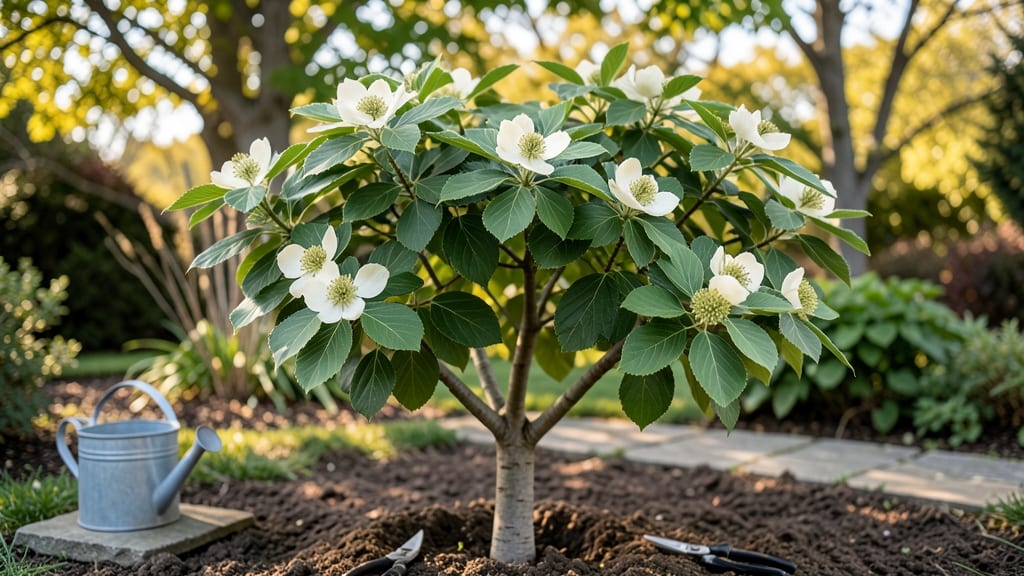
A dogwood tree in pot thrives in the Pacific Northwest’s damp climate—but only if you prune it like a frost-resistant pro. I’ve grown mine through three winters without a single branch break, and the secret starts with understanding how container-grown dogwoods handle cold differently than their in-ground cousins.
You’ll need a 15-gallon pot with drainage holes, a mix of 60% organic matter and 40% gritty soil, and a spot that gets morning sun and afternoon shade.
Water deeply once a week in summer, but cut back to every 10-14 days in winter—overwatering is the #1 killer of potted dogwoods here. Fertilize lightly in spring with a balanced 10-10-10, but skip it after August to encourage dormancy.
Pruning in late winter (before buds swell) keeps the tree compact and frost-hardy. Cut back one-third of the oldest branches each year to prevent root-bound stress, and always make clean cuts just above outward-facing buds.
The result? A tree that blooms reliably, resists Pacific Northwest’s wet winters, and stays manageable in containers.
Container dogwoods need extra winter protection—wrap the pot in burlap and move it to a sheltered spot if temps drop below 15°F. Root-bound trees may need repotting every 2-3 years, but the right pruning schedule keeps them healthy long-term. Let’s get yours growing strong this season.
📚 In This Guide
- What you need
- Instructions
- Tips and common mistakes
- Wrapping up and next steps
What you need
- ● Pot: Size: 12–18 inches in diameter (for young trees) or 20+ inches (for mature dogwoods).
- ● Type: Heavy ceramic or fabric grow bag (for stability and drainage). Avoid plastic if winters are harsh.
- ● Potting Mix: 3 parts well-draining soil (e.g., cactus/succulent mix or loamy garden soil).
- ● 1 part perlite or pumice (for aeration).
- ● 1 part compost or worm castings (for nutrients).
- ● Pruning Tools: Sharp bypass pruners (for clean cuts).
- ● Small hand saw (for thicker branches).
- ● Disinfectant (rubbing alcohol or 10% bleach solution).
- ● Mulch: 2–3 inches of organic mulch (e.g., cedar chips or bark).
- ● Drainage Layer: 1–2 inches of gravel or broken pottery (at the pot’s base).
- ● Slow-release fertilizer (balanced 10-10-10 or acidic blend for dogwoods).
- ● Pot feet or casters (to protect decks/patios).
- ● Tree ties or soft garden twine (for supporting young branches).
- ● Moisture meter (to track soil hydration).
- ● Winter wrap (burlap or frost cloth) (for extra PNW frost protection).
Step-by-step instructions for pruning potted dogwood trees
Here's how to maintain a healthy, frost-resistant dogwood thriving in containers—my go-to method for Pacific Northwest climates.
Time Your Pruning for Optimal Growth
Prune your potted dogwood in late winter to early spring, just as new buds begin to swell but before active growth starts. This timing ensures you remove dead wood while encouraging vibrant spring blooms. In the Pacific Northwest, aim for February to March when days lengthen but frost still lingers—this gives your tree time to recover before summer heat.
Watch for the first signs of bud break along the branches. When you see tight, plump buds forming but leaves haven't emerged yet, that's your cue. Pruning too early risks exposing fresh cuts to late frosts, while waiting too long removes potential flowering wood. I always mark the calendar with my last expected frost date and prune 2-3 weeks beforehand as a safety margin.
Assess and Remove Dead or Damaged Wood
Start by examining each branch for signs of dead wood, disease, or storm damage. Dead branches are hollow, brittle, and lack bark—when you scrape them with your thumbnail, no green appears beneath. Use clean, sharp pruners to make 45-degree cuts just outside the branch collar, the swollen area where the branch meets the trunk. This prevents water from pooling and rotting the wound.
Next, look for branches growing inward or crossing others. These compete for sunlight and nutrients, weakening the tree. Remove them entirely at their point of origin. I like to step back every few cuts to visualize the tree's shape—this helps me spot hidden problem branches. Never remove more than 25% of the tree's foliage in one session, or you'll stress the plant.
Thin and Shape for Airflow and Light
Thin the canopy by selectively removing 10-15% of the smaller, interior branches to improve airflow and sunlight penetration. Focus on branches growing toward the center of the tree or those rubbing against others. Cut these back to their origin point using the same 45-degree angle technique. This opens up the tree's structure, reducing humidity trapped within the foliage and preventing fungal diseases like powdery mildew.
Shape the outer branches to create a natural, balanced silhouette. Dogwoods respond well to gentle pruning—avoid aggressive shaping. I like to maintain a slightly open-center form, which allows light to reach the lower branches and encourages blooms along the entire length of the stems. Step back frequently to check your progress; the goal is a tree that looks full but not crowded.
Prune for Frost Resistance and Winter Prep
In the Pacific Northwest, where winter rains and frosts are common, prune to reduce wind exposure on the tree's outer branches. Shorten the outermost tips of branches by one-third to create a more compact shape. This reduces the surface area exposed to cold winds, helping the tree retain heat. Avoid heavy pruning on young trees, as they're still establishing their root systems and need all their energy to grow.
After pruning, apply a layer of 2-3 inches of mulch around the base of the pot (but not touching the trunk) to insulate the roots. I use wood chips or shredded bark for their moisture-retention properties. Water the tree deeply before the first hard frost to ensure the roots are hydrated and can withstand winter stress. This prep work makes all the difference in keeping your potted dogwood thriving through the cold months.
Clean Up and Monitor for Recovery
Remove all pruned branches and debris from the area around the pot to prevent fungal spores from lingering. Sterilize your pruners with rubbing alcohol between cuts to avoid spreading disease. Collect the clippings in a sealed bag and dispose of them in yard waste—never compost diseased wood. This step is critical for maintaining a healthy tree, especially in humid climates like the Pacific Northwest.
Monitor your dogwood over the next 4-6 weeks for signs of stress, such as yellowing leaves or stunted growth. If you notice any issues, adjust your care routine—water more frequently if the soil feels dry, or move the pot to a slightly shadier spot if the leaves appear scorched. A well-pruned dogwood should show new growth within 2-3 weeks, with buds swelling and leaves emerging vibrant and green.
Tips & tricks for pruning potted dogwood trees
A few strategic adjustments can transform your pruning session from routine maintenance into a true growth catalyst for your Pacific Northwest dogwood. Here's what I've learned after years of perfecting this process in our rainy climate.
Timing is Everything: The February to March window is critical because it balances frost risk with bud development. I've found that checking your local frost date and pruning 2-3 weeks beforehand gives your tree the best chance to recover before spring growth begins. If you're unsure about frost dates, use the tight, plump bud stage as your visual cue—this is nature's perfect timing signal. Remember, pruning too early can expose fresh cuts to late frosts, while waiting too long removes potential flowering wood.
Cutting Technique Matters: That 45-degree angle isn't just aesthetic—it's essential for proper wound healing. When making cuts just outside the branch collar, visualize a slight slant that follows the branch's natural contour. This angle prevents water from pooling in the wound, which is especially important in our humid Pacific Northwest climate. I always test my pruners' sharpness first by making a clean cut through a small twig—dull blades crush rather than cut, creating larger wounds that heal more slowly.
Shape with Purpose: The open-center form I recommend isn't arbitrary—it's about creating airflow and light penetration that prevents fungal diseases common in our region. When thinning branches, focus on removing those growing toward the center first, then work outward. This creates a natural funnel shape that directs rainwater away from the trunk. I've seen dogwoods in crowded conditions develop powdery mildew within weeks—proper shaping can prevent this entirely. Step back every few cuts to visualize the tree's silhouette from all angles.
Winter Prep is Non-Negotiable: That 2-3 inch layer of mulch around your pot's base acts like a thermal blanket for roots during our cold, wet winters. I've had clients skip this step and watch their trees struggle through winter—don't make that mistake. The mulch should never touch the trunk, but it should extend out to the pot's edge. Pair this with deep watering before the first hard frost, and you'll give your dogwood the best possible start to the growing season. This preparation makes all the difference in our challenging climate.
Pro Tips for Dogwood Tree In Pot
- A few strategic adjustments can transform your pruning session from routine maintenance into a true growth catalyst for your Pacific Northwest dogwood.
- Timing is Everything: The February to March window is critical because it balances frost risk with bud development.
- Cutting Technique Matters: That 45-degree angle isn't just aesthetic—it's essential for proper wound healing.
Frequently asked questions
Got questions about keeping a dogwood tree in a pot thriving in the Pacific Northwest? Here are some common concerns—and expert answers—to help you prune, care, and troubleshoot like a pro!
Can a dogwood tree survive long-term in a pot?
A dogwood can thrive in a pot for years, but it needs well-draining soil and a container at least 12–18 inches wider than its root ball. Repot every 2–3 years to prevent root-bound stress. Choose frost-resistant varieties like Cornus nuttallii for PNW resilience!
How do I protect a potted dogwood from PNW winters?
Wrap the pot in bubble wrap or frost cloth and place it against a south-facing wall for warmth. Mulch the soil with straw or pine needles (3–4 inches deep) to insulate roots. Avoid heavy mulch, which can suffocate roots. Water sparingly before freezing to prevent root rot.
When’s the best time to prune a potted dogwood?
Prune late winter or early spring (before buds swell) to shape the tree and remove dead wood. Avoid heavy pruning in fall—it stimulates tender new growth that can’t survive PNW frosts. Use sterilized tools to prevent disease, and cut just above a bud or branch collar.
What’s a good alternative if my dogwood struggles in a pot?
If your dogwood fights container life, try dwarf varieties like Cornus sericea ‘Kelseyi’ (red twig dogwood) or ornamental grasses (e.g., Carex oshimensis) for PNW-friendly, low-maintenance potted plants. Both handle frost well and add texture to your space!
Why are my potted dogwood leaves yellowing or dropping?
Yellowing leaves often signal overwatering, poor drainage, or nutrient deficiency. Check soil moisture—potted dogwoods prefer slightly dry conditions. Amend soil with compost annually, and fertilize lightly in spring with balanced 10-10-10. Yellowing edges? It could be salt buildup—rinse the soil occasionally.
Wrapping up and next steps
Growing a dogwood tree in a pot in the Pacific Northwest’s chilly climate is totally doable—with the right frost-resistant pruning techniques! By following this blueprint, you’ll keep your tree healthy, encourage vibrant blooms, and protect it from winter’s bite. Remember, timing, tools, and technique are your best friends.
Ready to take the next step? Grab your pruners, mark your calendar, and start pruning with confidence! And if you’re feeling inspired, why not share your progress with fellow gardening enthusiasts? Happy pruning! 🌿✂️