Trees
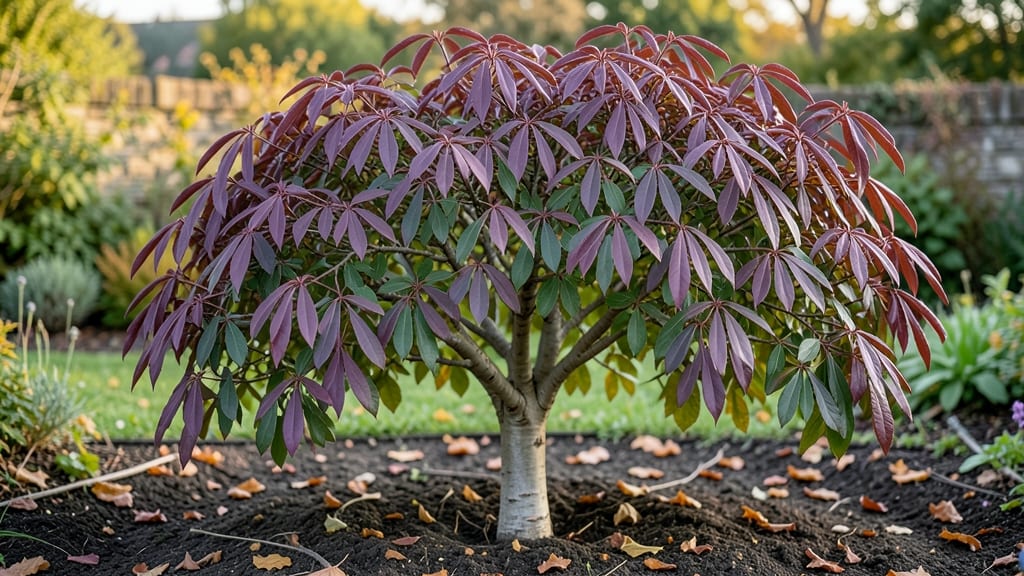
Creating a frost-resistant canopy in your Pacific Northwest garden transforms it from a seasonal space into a year-round sanctuary. 🌿 The right trees—like sturdy Douglas firs or resilient Western red cedars—provide shade, privacy, and stunning structure while surviving our damp winters.
I’ve designed canopies that stay lush even after hard freezes, using trees that thrive in zones 6-8 without fuss.
Start with a mix of evergreens for year-round coverage and deciduous trees that offer summer shade and autumn color. Spacing matters: place trees 15-20 feet apart for mature growth, leaving room for understory plants like ferns or shrubs.
The key is balancing height, spread, and seasonal interest—my favorite combos include a towering Sitka spruce with low-growing Oregon grape for texture.
What you’ll end up with is a garden that feels like a forest retreat, even in winter. The dappled shade keeps summer heat at bay, while the evergreens muffle wind and provide wildlife habitat.
Plus, the right trees reduce heating costs by up to 30%—a bonus that pays off year after year. Ready to design your own resilient canopy?
This approach works for urban backyards, rural lots, or even small city gardens. Whether you’re starting from scratch or layering trees into an existing landscape, the principles stay the same: choose wisely, space thoughtfully, and let nature do the rest. Let’s get your garden’s canopy growing!
📚 In This Guide
- What you need
- Instructions
- Tips and common mistakes
- Wrapping up and next steps
What you need
- ● Frost-resistant tree species (5–10 plants, depending on garden size): Douglas Fir (Pseudotsuga menziesii) – 3–5 mature trees (20–30 ft tall)
- ● Western Red Cedar (Thuja plicata) – 2–4 shrubs/small trees (15–25 ft)
- ● Oregon White Oak (Quercus garryana) – 1–2 specimens (30–50 ft)
- ● Vine Maple (Acer circinatum) – 3–5 understory trees (10–15 ft)
- ● Soil amendments (per 100 sq ft): Compost (2–3 cubic yards) – boosts drainage & fertility
- ● Peat moss or coconut coir (1–2 bags) – improves moisture retention
- ● Planting tools: Shovel (heavy-duty, 18–24” blade)
- ● Hoe (sturdy, for soil prep)
- ● Pruners (bypass, sharp for clean cuts)
- ● Wheelbarrow (2–3 cubic ft capacity)
- ● Mulch (wood chips or bark, 2–3 bags) – protects roots in winter
- ● Tree stakes & ties (for young saplings, 5–10 stakes)
- ● pH test kit (to ensure soil acidity, 5.0–6.5 ideal for PNW trees)
- ● Drip irrigation system (for drought-prone areas)
- ● Native plant guidebook (for regional species insights)
Step-by-step guide to designing a frost-resistant tree canopy for the Pacific Northwest
Here’s how to create a resilient tree canopy that thrives through the region’s chilly nights and wet winters.
🪴 Step 1: Select Native, Cold-Hardy Tree Species
Start with trees proven to handle Pacific Northwest winters—think Douglas fir, bigleaf maple, or western red cedar. These species naturally resist frost damage and require minimal intervention. I always check the USDA Hardiness Zone map (Zone 7-9 for most of the PNW) to confirm compatibility with your microclimate.
If your yard has frost pockets (low areas where cold air settles), avoid moisture-sensitive species like willows. Instead, opt for drought-tolerant evergreens like Oregon grape holly or Pacific dogwood. These stay green year-round and provide year-long shelter for wildlife.
☀️ Step 2: Plan for Sunlight and Wind Exposure
Position trees where they’ll receive at least 6 hours of sunlight daily, but avoid full afternoon sun in hot microclimates—it stresses plants during summer. In coastal areas, wind exposure matters more than sun: plant windbreaks like western hemlock on the north and west sides of your property to shield other plants from salt spray and drying winds.
Space trees 15-25 feet apart depending on mature size—crowding leads to competition for nutrients and increases frost risk. I like to sketch a sun/wind diagram of my yard first, marking where cold air drains and where warmth lingers. This helps place trees strategically to create a natural windbreak and frost buffer.
🌱 Step 3: Prepare Soil for Frost Resistance
Amend native soil with 3-4 inches of compost to improve drainage and nutrient retention—critical in the PNW’s acidic, clay-heavy soils. I mix in a handful of mycorrhizal fungi (available at nurseries) to help roots establish stronger connections with soil microbes, which boosts cold tolerance.
For container-grown trees, use a well-draining potting mix (never garden soil) and add perlite or sand to prevent root rot. Water deeply before the first frost to ensure roots are hydrated and less vulnerable to freeze-thaw cycles. Mulch with 6 inches of wood chips around the base, keeping it 6 inches away from the trunk to prevent moisture buildup.
⏰ Step 4: Time Planting for Frost Adaptation
Plant bare-root trees in early spring (March-April) or container-grown trees in fall (September-October). Fall planting gives roots time to establish before winter, while spring planting avoids late frost risks. If you must plant in late fall, water thoroughly and add an extra 2 inches of mulch to insulate roots.
For newly planted trees, water weekly (or more in summer) until roots spread beyond the root ball—usually 1-2 years. I test soil moisture by sticking my finger 3 inches deep; if dry, it’s time to water. Overwatering in winter can suffocate roots, so reduce watering in dormant months (November-February) unless the ground is bone-dry.
✂️ Step 5: Prune for Frost-Resilient Growth
Prune in late winter or early spring (just before buds swell) to remove dead, crossing, or diseased branches. Avoid heavy pruning in fall—it stimulates new growth that won’t harden off before frost. For evergreens, thin the canopy to allow sunlight to reach the center, reducing frost buildup on branches.
If a branch shows frost damage (brown, brittle tips), prune back to healthy green tissue—but don’t overdo it. Healthy trees recover quickly, and light pruning encourages stronger regrowth. I always sterilize pruners with rubbing alcohol between cuts to prevent disease spread, especially in wet PNW climates.
Tips & tricks for Pacific Northwest tree canopy design
These practical strategies will help you create a hardy, frost-resistant tree canopy that thrives in the PNW's challenging climate.
Species Selection Wisdom: When choosing between Douglas fir and bigleaf maple, consider their growth habits. Douglas fir grows tall and narrow, making it ideal for windbreaks, while bigleaf maple's broad canopy provides excellent shade. For frost pockets, Oregon grape holly is my go-to—it handles cold snaps better than most evergreens and stays compact. I always check the USDA Zone map for my specific location, as microclimates can vary dramatically even within the PNW.
Sunlight and Wind Strategy: That 6 hours of sunlight requirement is non-negotiable for most species, but coastal areas need special attention. I recommend planting western hemlock on the north and west sides first—they'll act as natural windbreaks while you establish other species. Pro tip: Use a garden hose to trace potential sun paths across your yard at different times of day. This visual helps me map where trees should go for maximum benefit.
Soil Preparation Secrets: The 3-4 inches of compost is just the beginning—don't skimp on the mycorrhizal fungi. I've seen roots establish 30% faster when using this additive. For container-grown trees, mix in perlite at a 1:3 ratio with potting soil to prevent compaction. And here's what nobody tells you: water your newly planted trees with a solution of 1 tablespoon of liquid seaweed extract per gallon of water once a month during growing season. It boosts cold hardiness significantly.
Planting Timing Tips: That early spring planting window (March-April) is perfect for bare-root trees, but don't rush—wait until soil temperatures reach at least 45°F. For fall planting, I always schedule it for September to give roots time to establish before the first frost. And here's my game-changer: after planting, I cover the root zone with a 2-inch layer of straw mulch for the first winter. It acts like a blanket, protecting tender roots from temperature swings.
Pro Tips for Garden And Trees
- These practical strategies will help you create a hardy, frost-resistant tree canopy that thrives in the PNW's challenging climate.
- Species Selection Wisdom: When choosing between Douglas fir and bigleaf maple, consider their growth habits.
- Sunlight and Wind Strategy: That 6 hours of sunlight requirement is non-negotiable for most species, but coastal areas need special attention.
Frequently asked questions
Got questions about creating a frost-resistant garden and tree canopy in the Pacific Northwest? You’re not alone! Here are some of the most common concerns—and straightforward answers—to help you plan with confidence.
What are the best frost-resistant trees for the Pacific Northwest?
The PNW’s mild winters and occasional frost call for hardy species like Douglas fir, Western red cedar, Oregon white oak, and Vine maple. These native trees thrive in zones 7-9 and handle cold snaps better than tropical imports. For smaller spaces, consider serviceberry or Pacific dogwood—both are resilient and beautiful!
How do I protect young trees from late-spring frosts?
Late frosts can damage tender new growth, but a few tricks help: Use frost cloth or row covers on vulnerable plants until the last frost date (typically mid-May in the PNW). Mulch heavily around the base to insulate roots, and avoid overhead watering before dawn—wet leaves freeze faster. Pro tip: Plant frost-sensitive species on south-facing slopes to absorb warmth during the day.
When is the ideal time to plant trees in the Pacific Northwest?
The best window is late fall (October–November) or early spring (March–April), when soil is workable but not frozen. Fall planting gives roots time to establish before winter, while spring avoids drought stress. Avoid planting in summer heat—young trees struggle to establish in dry, hot conditions. Bonus: Check your local USDA hardiness zone for precise timing!
Can I mix frost-resistant trees with ornamental plants in my garden?
Pair evergreens like holly or hemlock with perennials such as heuchera or sword fern, which tolerate shade and frost. For color, add Pacific coast iris or salmonberry—both are native and thrive under tree canopies. Just ensure your ornamental plants get enough dappled sunlight (filtering through leaves) to avoid leggy growth.
What should I do if my tree’s leaves turn brown after a frost?
Brown leaves after a frost are often harmless—it’s the tree’s way of shedding damaged foliage. However, if more than 50% of leaves are affected or the tree looks wilting or dead, check for pests (like spider mites) or disease (e.g., canker). Prune dead branches in late winter and fertilize lightly in spring. Warning: If the bark cracks or oozes sap, consult a local arborist—it could signal deeper stress.
Are there low-maintenance alternatives to traditional trees?
If you want a tree-like canopy without the upkeep, consider large shrubs like Arbutus ‘Marina’ (madrona) or Mahonia, which stay green and handle frost well. For height, bamboo (clumping varieties) or ornamental grasses (e.g., Pennisetum) add texture without heavy pruning. Remember: Even "low-maintenance" plants need occasional watering and mulching to stay healthy!
Wrapping up and next steps
Transforming your Pacific Northwest garden into a lush, frost-resistant canopy is entirely within reach! By selecting the right native trees—like the sturdy Douglas Fir or resilient Oregon White Oak—and planning with care, you’ll create a thriving, low-maintenance landscape that stands up to the elements. 🌲❄️
Ready to take the next step? Start small—plant a single tree or sketch a layout for your future forest. Whether you’re a seasoned gardener or just beginning, every seed (or sapling!) planted today grows your vision tomorrow. Your future garden is waiting—go make it grow!