
Pruning
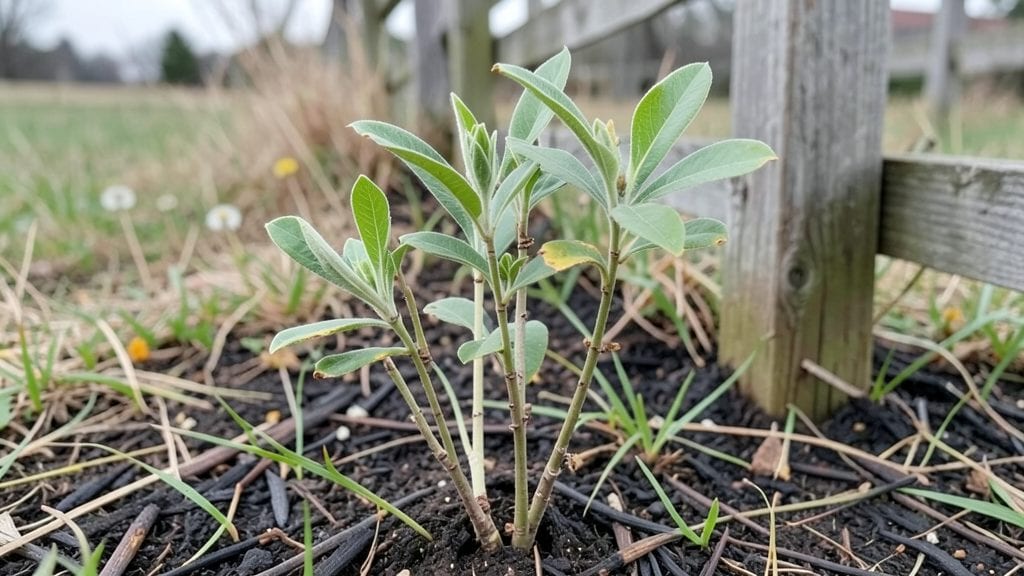
Growing pecan tree sprouts from seed means waiting years for nuts—but the payoff is worth it. 🌱 I’ve watched my own seedlings go from fragile shoots to sturdy trees, and the key to strong harvests starts with how you prune those first few branches.
The right cuts now determine how many nuts your tree produces in 10 years.
Most beginners over-prune or cut at the wrong time, stunting growth. Instead, focus on removing only the weakest shoots in late winter, just before buds swell. A sharp pair of pruners and a clear day are all you need—no fancy tools required.
The goal is to shape a strong central leader while encouraging side branches where nuts form.
By summer, you’ll see thicker stems and fewer spindly growths. Those early pruning decisions create the framework for future harvests, with fewer branches competing for energy. Patience is key—your first real crop won’t come until the tree is 7-10 years old, but the foundation starts now.
This method works for both homegrown seedlings and nursery-bought saplings. The same principles apply whether you’re in Texas or the Southeast—just adjust timing slightly for your local frost dates. Let’s get those sprouts growing strong for decades to come.
📚 In This Guide
- What you need
- Instructions
- Tips and common mistakes
- Wrapping up and next steps
What you need
- ● Pruning shears: Sharp, bypass-style shears (for cuts up to ½ inch thick). Quantity: 1 pair.
- ● Loppers: Heavy-duty, bypass or anvil-type (for thicker branches, ¾–1½ inches). Quantity: 1 pair.
- ● Pruning saw: Bow saw or folding pruning saw (for branches 2+ inches thick). Quantity: 1.
- ● Gloves: Garden gloves (cut-resistant, preferably). Quantity: 1 pair.
- ● Disinfectant: 70% isopropyl alcohol or bleach solution (1 part bleach to 9 parts water) to sterilize tools between cuts.
- ● Twine or tree tape: Plastic or jute twine (to secure larger branches if needed). Quantity: 1 roll.
- ● Safety gear: Safety glasses and long sleeves/pants (to protect from debris and sap).
- ● Pruning sealant: Tree wound paint (for larger cuts, though not always necessary for pecan trees).
- ● Ladder or extension pole: Sturdy, tall enough to reach (if your tree is mature).
- ● Work bag: Lightweight backpack to carry tools and supplies.
- ● Notebook & pen: To jot down notes on cuts or tree health observations.
Instructions for pruning young pecan tree sprouts
Here's how to shape your young pecan tree for maximum growth and future harvests.
🌱 Step 1: Identify and Remove Water Sprouts
Water sprouts are the fast-growing, vertical shoots that pop up along branches or the trunk. These compete with your tree for nutrients and weaken its structure. Look for thin, pale green shoots growing straight up from the main branches or trunk—these are your targets. I grab a pair of clean, sharp pruning shears and cut them off at the base where they emerge from the branch or trunk.
Make the cut just above a bud or lateral branch to encourage healthy growth from that point. Don’t leave stubs—this prevents disease and keeps the tree looking clean. If you have multiple water sprouts, tackle them one at a time to avoid overwhelming yourself. Real talk: I’ve seen growers skip this step, and their trees end up with weak, tangled branches that produce fewer nuts.
✂️ Step 2: Thin Crowded Branches for Better Airflow
Now focus on the main branches. Pecan trees naturally grow with multiple branches close together, but crowded growth leads to disease and poor nut production. Look for branches that cross over each other or grow too close—these are the ones to remove. I start at the outer edges of the tree and work my way inward, cutting back any branch that’s growing directly into another.
Use your pruning shears to make a clean cut just outside the branch collar (the swollen area where the branch meets the trunk). This ensures the tree can heal properly. Aim to leave about 6-12 inches of space between branches—this gives your tree room to breathe and reduces the risk of fungal issues. You’ll know you’re doing it right when you can see light and air moving easily through the center of the tree.
☀️ Step 3: Prune to Encourage a Strong Central Leader
A strong central leader—one main vertical trunk—is key for a healthy pecan tree. If your tree has multiple competing leaders (vertical branches), you’ll need to prune one back to encourage the strongest one to dominate. Look for the straightest, healthiest branch and let it be your central leader. The others should be pruned back to a lateral branch or bud.
Cut the competing leaders back to a point where a strong lateral branch or bud is visible. This redirects the tree’s energy into one main trunk, which supports better growth and heavier nut production. If your tree is still young and all branches look similar, don’t stress—just pick the one that’s growing the fastest and prune the others to encourage it. You’ll see the difference in just a few growing seasons.
🪴 Step 4: Clean Up and Apply Wound Treatment
After pruning, your tree will have fresh cuts that need protection. Grab a small amount of pruning sealant (like Tanglefoot Tree Wound Pruning Seal) and apply it to each cut to prevent disease and pests from entering the wound. I dip the cut end of my pruners in rubbing alcohol between cuts to keep them sterile—this is a small habit that pays off big time.
Remove all the pruned branches and debris from the base of the tree. This keeps the area clean and reduces the risk of pests or diseases hanging around. If you’re working in a warm climate, prune during the late winter or early spring (just before buds swell) to give the tree time to heal before the growing season kicks in. In cooler climates, prune in early spring while the tree is still dormant but before new growth starts.
Tips & tricks for pruning young pecan trees
Here's what I've learned after years of pruning pecan trees—and how to avoid the mistakes I made early on.
Tool Prep is Everything: Before you start, sharpen your pruning shears and disinfect them with rubbing alcohol. Dull blades tear bark instead of making clean cuts, which stresses the tree. I also keep a small bucket of water nearby to wipe down the blades between cuts—this prevents spreading disease from one branch to another.
Step 1 Visual Cues: In Step 1, look for water sprouts that are at least half an inch thick—these are the ones to remove. They often appear at branch junctions or along the trunk. The key is to cut just above a bud or lateral branch, not at a random point. This encourages new growth from that bud, not from the wound itself.
Branch Spacing Secret: When thinning branches in Step 2, remember the 6-12 inch rule isn't just about space—it's about sunlight penetration. I like to visualize light streaming through the center of the tree. If you can see sunlight hitting the trunk through the branches, you're doing it right. This sunlight exposure is what prevents fungal diseases like pecan scab.
Seasonal Timing Tip: The instructions mention late winter/early spring, but here's the real deal: the absolute best time is when the tree is fully dormant but just before buds begin to swell. This window gives the tree time to heal before new growth starts. In my zone 8 climate, that's usually mid-February—right when forsythia bushes start blooming.
Pro Tips for Pecan Tree Sprouts
- Here's what I've learned after years of pruning pecan trees—and how to avoid the mistakes I made early on.
- Tool Prep is Everything: Before you start, sharpen your pruning shears and disinfect them with rubbing alcohol.
- Step 1 Visual Cues: In Step 1, look for water sprouts that are at least half an inch thick—these are the ones to remove.
Frequently asked questions
Got questions about pecan tree sprouts? You’re not alone! Here are answers to the most common concerns—from timing to troubleshooting—to help you prune like a pro and boost those harvests.
When is the best time to prune pecan tree sprouts?
Prune dormant sprouts in late winter or early spring (before buds swell) to avoid stressing the tree. For active growth, prune after harvest (fall/winter) to redirect energy to nut production. Pro tip: Avoid pruning during extreme heat or cold—wait for mild weather!
How do I tell if a sprout is harmful or helpful?
Remove water sprouts (thin, vertical shoots) and suckers (base-level growth) as they drain energy. Keep vigorous lateral branches (angled, leafy) for structure. If unsure, snap the sprout—bark = keep; green = prune.
What if I prune too much? Will my pecan tree die?
Pecan trees are resilient, but never remove more than 25% of the canopy in one season. Heavy pruning can stress the tree, reducing next year’s crop. Start small, focus on dead/diseased wood, and monitor for new growth.
Can I use pruned sprouts for propagation?
Yes! Healthy, pencil-sized sprouts can root in water or soil. Dip cut ends in rooting hormone for faster success. Plant in well-draining soil and keep moist. Warning: Pecan trees from seeds/sprouts may not match the parent’s quality—grafting is better for consistency.
What tools should I avoid when pruning pecan sprouts?
Avoid dull shears (tear wood) or heavy pruners (crush branches). Use bypass pruners for small sprouts and a pruning saw for thicker growth. Clean tools with rubbing alcohol between cuts to prevent disease.
Wrapping up and next steps
Growing strong, healthy pecan tree sprouts starts with thoughtful pruning—it’s all about removing the right branches at the right time to boost sunlight, airflow, and future harvests. 🌱 By following the steps outlined, you’ll encourage a robust canopy while preventing disease and pests.
Now that you’re armed with the know-how, roll up your sleeves and get pruning! Next, mark your calendar for late winter or early spring—this is the ideal time to give your pecan tree the care it deserves.