
Pruning
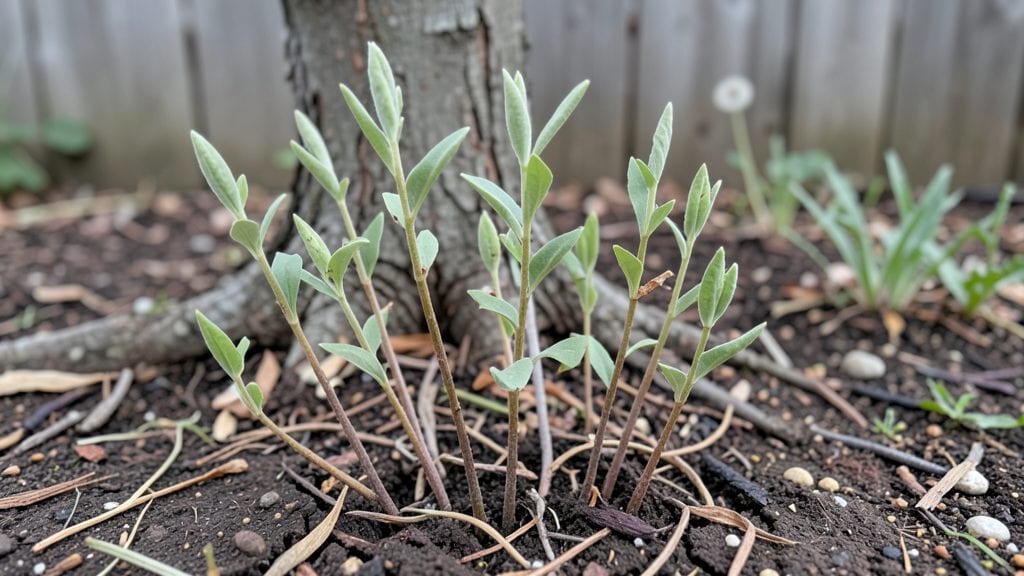
Those cottonwood tree sprouts popping up everywhere? They’re actually root suckers—aggressive little volunteers from your tree’s sprawling roots. I’ve battled them for years, and the right pruning method keeps them from turning your yard into a cottonwood jungle. The key is timing and technique, not brute force.
Most people grab a shovel and dig, but that just encourages more sprouts. Instead, use clean pruners or a sharp spade to cut them at the base, then paint the stump with a small amount of horticultural sealant to prevent regrowth.
For stubborn clusters, a 3% hydrogen peroxide solution (mixed with water) works as a natural suppressant—just spray the base after cutting. Safety first: wear gloves, as cottonwood sap can stain skin.
You’ll see results within 2-3 weeks—new sprouts stop appearing, and your lawn or garden beds stay clear. The trick is consistency; check back every few months, especially in spring when they’re most active. With this method, you’ll reclaim your space without harming the parent tree.
Works for both small patches and large infestations, though bigger areas might need a repeat treatment. Once you master it, cottonwood sprouts become manageable instead of overwhelming. Let’s get started!
📚 In This Guide
- What you need
- Instructions
- Tips and common mistakes
- Wrapping up and next steps
What you need
- ● Pruning shears: Bypass pruners with a clean, sharp blade (4–6-inch cutting capacity). Required for small branches (under ½ inch in diameter).
- ● Loppers: Heavy-duty bypass loppers (18–24-inch handles) for branches ½ to 2 inches in diameter.
- ● Pruning saw: A folding handsaw or bow saw for thicker branches (2+ inches). Look for a fine-toothed blade to avoid tearing.
- ● Gloves: Heavy-duty work gloves (leather or reinforced) to protect against thorns and rough bark.
- ● Safety gear: Safety glasses or goggles (to shield eyes from debris).
- ● Long sleeves and pants (cottonwood sap can irritate skin).
- ● Closed-toe shoes or boots (for stability on uneven ground).
- ● Disinfectant: 70% isopropyl alcohol or a 10% bleach solution (to sterilize tools between cuts and prevent disease spread).
- ○ Trash bags or bucket: For collecting pruned branches and debris. Optional but highly recommended!
- ● Pole saw or extension pruners: For high branches (if you’re not using a ladder).
- ● Ladder: A stable, extendable ladder (rated for your weight) if reaching high branches.
- ● Sealing wax or pruning sealant: To coat larger cuts (though not always necessary for cottonwood sprouts).
- ● Notebook or app: To sketch a quick map of cuts or track growth progress over time.
Instructions for pruning cottonwood tree sprouts
Pruning cottonwood sprouts early prevents future headaches with invasive roots and weak branch structure.
Identify the Right Time to Prune
Early spring, just as buds begin swelling but before new growth starts, is ideal for pruning cottonwood sprouts. This timing allows the tree to heal quickly and reduces stress. Avoid pruning in late summer or fall, as new growth won’t have time to harden off before winter. If you miss the spring window, late winter—when the tree is still dormant—is the next best option.
Look for swollen buds along the branches; these indicate the tree is about to break dormancy. Pruning too early risks exposing fresh cuts to harsh winter winds, while pruning too late encourages weak, late-season growth that won’t survive frost. I always mark the calendar for late February or early March in my zone, as that’s when cottonwoods typically begin their growth cycle.
Assess and Select Sprouts for Removal
Cottonwoods produce aggressive sprouts from both the root system and existing branches. Focus on removing water sprouts—thin, upright shoots growing straight up from the main stem or roots—since these drain energy from the tree and create weak branch structures. Use sharp pruning shears or loppers to make clean cuts just above a lateral bud or branch collar, where the branch meets the trunk.
For root sprouts, dig carefully around the base of the tree to expose the underground shoots. These can be particularly invasive, so prioritize removing them first. If a sprout is thicker than your thumb, it’s strong enough to compete with the main tree for resources. I like to work in sections, removing a few sprouts at a time to avoid overwhelming the tree’s recovery process.
Make Clean, Precise Cuts
Use bypass pruners for smaller sprouts and loppers for thicker stems to ensure clean cuts that heal properly. Cut at a 45-degree angle just outside the branch collar—the swollen area where the branch meets the trunk—to prevent water from pooling and causing rot. Avoid leaving stubs, as these invite disease and weaken the tree’s structure.
For larger sprouts, consider using a pruning saw if the diameter exceeds 2 inches. Saw cuts should also be smooth and clean, avoiding tears in the bark. After pruning, sterilize your tools with rubbing alcohol to prevent spreading disease between cuts. I always work from the bottom up, removing smaller sprouts first to avoid damaging larger branches in the process.
Monitor and Maintain Pruned Areas
After pruning, keep an eye on the tree for signs of stress, such as wilting leaves or oozing sap at the cut sites. If you notice excessive sap, apply a tree sealant to protect the wound, though cottonwoods typically heal well without it. Water the tree deeply after pruning to help it recover, especially if the weather is dry.
Schedule a follow-up pruning session in late summer to remove any new water sprouts that may have formed. Consistency is key—cottonwoods are prolific sprouters, and skipping a season can lead to a dense tangle of branches. I set a reminder for August each year to tackle any regrowth before the tree enters dormancy again.
Prevent Future Sprouting
To discourage future sprouts, apply a thin layer of mulch around the base of the tree, keeping it 2-3 inches thick and 6 inches away from the trunk. This helps regulate soil temperature and reduces moisture, which can stimulate root sprouts. Avoid piling mulch directly against the trunk, as this can cause rot.
For stubborn root sprouts, consider installing a root barrier around the perimeter of the tree’s drip line. This physical barrier prevents underground shoots from spreading while still allowing the tree to access water and nutrients. I’ve found that combining mulch with a barrier drastically reduces the number of sprouts over time, making long-term maintenance much easier.
Tips & tricks for pruning cottonwood tree sprouts
Mastering cottonwood pruning takes patience and precision—here's how to avoid common pitfalls and ensure your tree thrives for years.
Timing is Everything: The late February to early March window is critical because cottonwoods begin their growth cycle then. If you're in a warmer climate, adjust by watching for swollen buds rather than relying strictly on the calendar. I've seen cottonwoods in Zone 8 start budding as early as January, so always check the buds before pruning. This timing prevents stressing the tree by exposing fresh cuts to late-season frost.
Equipment Matters More Than You Think: Using the wrong tool can create jagged cuts that invite disease. I've ruined several pruning sessions by using dull shears that crushed stems instead of making clean cuts. For sprouts over 2 inches thick, invest in a sharp pruning saw—it makes all the difference in healing quality. Sterilizing tools between cuts with rubbing alcohol is non-negotiable; I learned this the hard way after a fungal infection spread through my entire yard.
Root Sprouts Need Special Attention: These underground invaders are often overlooked but can become your tree's worst enemy. When digging around the base, go deep enough to expose the full root sprout—cutting just the top portion encourages regrowth. I've found that root sprouts thicker than my thumb require a follow-up inspection in 6-8 weeks to catch any regrowth before it becomes established. For stubborn cases, consider a root barrier after your initial pruning.
Monitoring is the Key to Long-Term Success: After pruning, keep an eye out for excessive sap flow or wilting leaves—these are signs your tree is struggling. I've seen cottonwoods recover beautifully from pruning, but only when I caught stress symptoms early. Deep watering after pruning helps, but don't overdo it—cottonwoods prefer well-drained soil. The August follow-up pruning is just as important as the spring session for maintaining control over these aggressive growers.
Pro Tips for Cottonwood Tree Sprouts
- Mastering cottonwood pruning takes patience and precision—here's how to avoid common pitfalls and ensure your tree thrives for years.
- Timing is Everything: The late February to early March window is critical because cottonwoods begin their growth cycle then.
- Equipment Matters More Than You Think: Using the wrong tool can create jagged cuts that invite disease.
Frequently asked questions
Got questions about managing cottonwood tree sprouts? You’re not alone! Here are some of the most common concerns—and straightforward answers—to help you keep your yard (and your sanity) in check.
Why do cottonwood trees produce so many sprouts?
Cottonwoods are aggressive regenerators! They sprout prolifically from roots, stumps, or even cut branches to maximize survival. This trait makes them resilient but can turn your yard into a "cottonwood jungle" if left unchecked. Pruning early and consistently is key to controlling their spread.
When is the best time to prune cottonwood sprouts?
Late winter or early spring (before new growth starts) is ideal. Avoid pruning in fall—it can stimulate fresh sprouting before winter dormancy. For established trees, prune during dormant seasons (Dec–Feb) to minimize stress. Pro tip: If you must prune in summer, do it early in the morning to reduce sap flow and stress on the tree.
What happens if I don’t prune cottonwood sprouts?
Ignoring them leads to a dense thicket that crowds out other plants, drains soil nutrients, and can even damage sidewalks or foundations. Sprouts also harbor pests (like aphids) and diseases. Plus, cottonwoods spread via wind-dispersed seeds—so unchecked growth can take over your landscape.
How do I prevent cottonwood sprouts from regrowing after cutting?
Use a sharp pruner or saw to cut sprouts at the base, just above the soil line. For stubborn roots, apply a root barrier or herbicide (like glyphosate) to the stump—but follow label instructions carefully. Reapply treatments as needed, as sprouts may return.
Are there any non-toxic alternatives to chemical treatments?
Yes! Try these natural methods:
- Manual removal: Dig out sprouts with a shovel (including roots) to prevent regrowth.
- Smothering: Cover the area with cardboard + mulch to block sunlight.
- Vinegar spray: Mix 1 gallon vinegar + 1 oz dish soap (reapply weekly).
- Salt: Sprinkle rock salt around the base (use sparingly—it affects soil health).
For large infestations, combine methods for best results.
Can I turn cottonwood sprouts into something useful?
While they’re invasive, cottonwood sprouts are fast-growing and can be repurposed:
- Use as firewood (dry thoroughly first—cottonwood burns hot but fast).
- Plant in erosion-control projects (their roots stabilize soil quickly).
- Compost the leaves (they break down easily) or use as mulch (away from the tree’s base).
Just don’t let them take over your yard—balance is key!
Wrapping up and next steps
Pruning cottonwood tree sprouts may seem daunting, but with the right tools, timing, and technique, you can promote healthy growth and maintain a thriving landscape. 🌳 Remember, consistency is key—regular maintenance prevents overgrowth and keeps your tree strong for years to come.
Ready to take action? Start small—pick one or two sprouts to prune this season, and soon, you’ll feel like a pro! For ongoing guidance, bookmark this guide or share it with fellow gardening enthusiasts. Happy pruning!