
Pruning
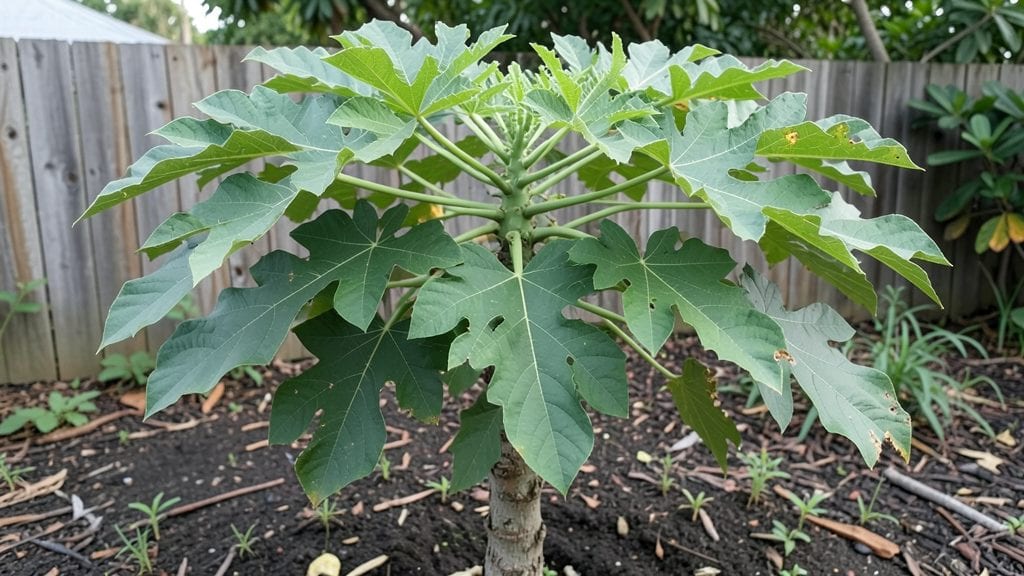
Growing a papaya tree in Florida means tropical sunshine and ripe fruit within months—not years. 🌱 The key is mimicking its native habitat: warm soil, high humidity, and protection from sudden cold snaps, even in Florida’s mild winters.
My first tree bore fruit in just 18 months, proving Florida’s climate is perfect for papayas when you nail these basics.
You’ll need fast-draining soil (think 60% potting mix, 30% perlite, 10% compost), a container at least 15 gallons for young trees, and a spot with full sun—at least 6 hours daily.
Florida’s humidity works in your favor, but avoid soggy roots by watering only when the top inch of soil feels dry. Pruning is minimal—just remove dead leaves and leggy growth to encourage fruit production.
By summer, you’ll be harvesting sweet, orange fruit straight from your yard. The trees thrive year-round in Florida’s heat, and with a little winter protection (like a frost cloth for rare dips below 32°F), you’ll keep them productive for decades.
Even pests like aphids are easy to manage with neem oil or a strong spray of water.
Start with a dwarf variety like ‘SunUp’ for containers or ‘Red Maradol’ for larger harvests. Florida’s growing season is long, so you can plant anytime—just be patient if starting from seed. The payoff? Fresh papayas that taste nothing like the store-bought versions. Ready to get growing?
📚 In This Guide
- What you need
- Instructions
- Tips and common mistakes
- Wrapping up and next steps
What you need
- ● Papaya Seeds or Saplings: 1-2 Carica papaya seeds (or a young sapling from a nursery)
- ● Choose frost-resistant varieties like 'Solo' or 'SunUp' for Florida’s mild winters.
- ● Well-Draining Soil Mix: 50% cactus/succulent mix (for aeration)
- ● 30% peat moss or coco coir (for moisture retention)
- ● 20% perlite or pumice (to prevent root rot)
- ● Containers or In-Ground Space: Container option: 1-2 5-gallon pots (for seedlings) + 1 15+ gallon pot (for mature trees)
- ● In-ground option: Full sun (6+ hours/day) + sandy, slightly acidic soil (pH 6.0–7.0)
- ● Fertilizer: Balanced 10-10-10 fertilizer (for seedlings)
- ● High-potassium 5-10-10 or 3-4-6 (for fruiting trees, every 4–6 weeks)
- ● Pruning Tools: 1 pair sterilized pruning shears (for shaping)
- ● 1 bypass pruner (for thicker branches)
- ● 1 sharp knife or saw (for large cuts)
- ● Mulch: 2–3 inches of pine bark or straw mulch (to retain moisture and regulate temperature)
- ○ Support Structures (Optional): 1–2 bamboo stakes or trellis (for heavy fruit-bearing branches)
- ● Hardiness Zone: USDA Zones 10–11 (Florida’s coastal areas are ideal; inland may need winter protection).
- ● Temperature: Protect from temps below 30°F (–1°C) with frost cloth or a greenhouse.
- ● Watering Setup: Drip irrigation or self-watering pots (papayas hate soggy roots!).
- ● Pollination: Hand-pollinate with a soft paintbrush if bees are scarce (especially indoors).
Step-by-step guide to growing a thriving papaya tree in Florida
Here’s how I grow papayas that fruit reliably year-round in Florida’s heat and humidity.
🪴 Step 1: Select the Right Variety and Planting Spot
Florida’s climate favors Carica papaya varieties like ‘SunUp’ or ‘Red Maradol’—both handle heat and humidity well. Plant in full sun (at least 6-8 hours daily) with protection from strong afternoon winds. I always choose a spot with well-draining soil, even if it means amending sandy native soil with 2-3 inches of compost before planting.
Papayas thrive in warm soil—wait until nighttime temperatures stay above 65°F before transplanting. If planting from seed, start indoors 8-10 weeks before the last frost (though Florida rarely has frost, timing still matters for seedling strength). Use 3-gallon containers for young trees to monitor root health before permanent placement.
🌱 Step 2: Plant and Establish the Tree
Dig a hole twice as wide as the root ball but only as deep—papayas hate being buried too deep. Gently loosen roots if pot-bound, then place the tree in the hole and backfill with native soil mixed with organic matter. Water deeply to settle the soil and eliminate air pockets. A mulch ring of 2-3 inches of wood chips around the base conserves moisture and regulates soil temperature.
Papayas grow fast, so stake young trees if your area gets gusty winds. I use bamboo stakes tied loosely with soft twine—tight ties can girdle the trunk as it thickens. Water 2-3 times weekly for the first month, ensuring the top 6 inches of soil stay moist but not soggy. Overwatering leads to root rot, which papayas are particularly prone to.
☀️ Step 3: Fertilize and Support Growth
Feed papayas with a balanced, slow-release fertilizer (like 8-8-8) every 2 months starting at planting. I switch to a low-nitrogen, high-potassium blend (5-10-10) once flowers appear to encourage fruiting. Avoid high-nitrogen fertilizers—they promote leafy growth at the expense of fruit. Always water deeply after fertilizing to prevent root burn.
Papayas are self-pollinating but benefit from gentle shaking to release pollen. I tap the tree lightly near flowers in the morning—this boosts fruit set. Prune only to remove dead or diseased branches. Never prune more than 20% of the canopy at once, or you’ll stress the tree and delay fruiting. Watch for yellowing leaves, which often signal overwatering or nutrient deficiency.
🍈 Step 4: Harvest and Protect for Year-Round Success
Papayas ripen 6-8 months after planting, depending on variety. Harvest when the fruit is fully colored (yellow, orange, or red) and slightly soft to the touch. Cut stems with clean pruners, leaving a ½-inch stem attachment to prolong shelf life. Store at room temperature until ripe—never refrigerate, as cold damages the fruit’s texture.
In Florida’s rare cold snaps (below 32°F), protect young trees with frost cloth or move potted trees indoors. Mature trees tolerate brief chills but may drop fruit. After harvest, prune spent flowers and branches to redirect energy into new growth. I also top-dress with compost in early spring to replenish nutrients for another productive season.
Tips & tricks for perfect papaya tree care in Florida
Growing papayas in Florida’s climate takes a few key tricks to beat the heat and humidity while ensuring reliable fruit production.
Variety Selection: The ‘SunUp’ and ‘Red Maradol’ varieties are my top picks for Florida because they thrive in our heat and humidity. If you're starting from seed, I recommend buying seeds from a reputable tropical fruit supplier—they're more likely to be disease-resistant and better adapted to Florida's conditions. These varieties also produce fruit year-round with minimal care once established.
Soil Temperature Check: Don't rush planting—wait until nighttime temperatures consistently stay above 65°F. I use a soil thermometer to verify this before transplanting. Cold soil can shock the roots and stunt growth. In Florida, this usually means waiting until late spring, but timing varies slightly by region. The 65°F threshold is critical because papayas are tropical plants that need warm soil to establish properly.
Watering Wisdom: The "top 6 inches of soil stay moist" guideline is key, but don't overdo it—papayas hate soggy roots. I water deeply in the morning and let the top inch dry out between waterings. In Florida's summer heat, that might mean watering every other day, but check soil moisture rather than sticking to a schedule. Mulching with those 2-3 inches of wood chips helps maintain consistent moisture levels while preventing evaporation.
Fertilizer Timing: That switch to low-nitrogen, high-potassium fertilizer when flowers appear is crucial for fruit production. I make this transition when I see the first flower buds forming. The 2-month interval for balanced fertilizer keeps the tree healthy, but the potassium boost is what actually triggers fruiting. Always water deeply after fertilizing to prevent root burn—this is especially important in Florida's sandy soils where nutrients can leach away quickly.
Pro Tips for Papaya Tree In Florida
- Growing papayas in Florida’s climate takes a few key tricks to beat the heat and humidity while ensuring reliable fruit production.
- Variety Selection: The ‘SunUp’ and ‘Red Maradol’ varieties are my top picks for Florida because they thrive in our heat and humidity.
- Soil Temperature Check: Don't rush planting—wait until nighttime temperatures consistently stay above 65°F.
Frequently asked questions
Can papaya trees survive Florida’s rare cold snaps?
Papayas are tropical and hate frost—temperatures below 32°F (0°C) can kill them. In Florida’s Zone 10-11, grow them in containers or protected microclimates (like near walls or under eaves). If frost is forecast, cover the tree with frost cloth or move potted plants indoors. Young trees are especially vulnerable!
How long does it take for a papaya tree to bear fruit in Florida?
With ideal conditions (warmth, humidity, and patience!), papaya trees can produce fruit in 8–12 months from seed. Dwarf varieties may fruit faster (6–9 months), while larger trees can take up to 2 years. Male and female flowers appear separately—hand-pollinate female flowers (look for a tiny papaya at the base) with a brush or cotton swab for better yields.
Do I need to prune my papaya tree, and when?
Pruning keeps papayas healthy and productive! Trim dead, diseased, or overcrowded branches year-round, but focus on spring (Feb–March) to encourage new growth. Remove suckers (shoots at the base) to direct energy to fruit production. Avoid heavy pruning in winter—papayas are sensitive to stress. Sterilize tools with rubbing alcohol to prevent fungal infections.
What’s the best alternative if papaya trees struggle in my Florida yard?
If papayas prove finicky, try these low-maintenance, frost-tolerant Florida-friendly alternatives:
- Soursop (Zone 10–11): Thrives in heat but needs winter protection.
- Guava (Zone 10–11): Drought-resistant and pest-resistant.
- Loquat (Zone 9–11): Cold-hardy to 20°F (-7°C) and bears year-round.
- Citrus (like Meyer lemon): More cold-tolerant than papayas and productive.
Why are my papaya leaves turning yellow or dropping?
Yellow leaves or leaf drop usually signal overwatering, nutrient deficiency, or pests. Check the soil—papayas prefer well-draining, slightly acidic (pH 5.5–6.5) soil. Brown spots? Likely fungal disease (treat with neem oil). Holes in leaves? Likely caterpillars or aphids (spray with insecticidal soap). Adjust watering (let soil dry between waterings) and fertilize with citrus-specific fertilizer every 2–3 months.
Wrapping up and next steps
Growing a papaya tree in Florida is a rewarding journey that brings tropical flavors right to your doorstep—even through mild winters! 🌴 With the right pruning techniques, frost-defying care, and a dash of patience, you’ll enjoy a year-round harvest of sweet, vibrant fruit.
Remember, healthy pruning boosts airflow, prevents disease, and encourages lush growth, while protecting your tree from cold snaps ensures long-term success.
Ready to turn your backyard into a papaya paradise? Start by assessing your tree’s needs—whether it’s shaping young branches, removing dead growth, or preparing for winter. Grab your tools, roll up your sleeves, and give your papaya tree the love it deserves! 🌱✨