
Container Gardens
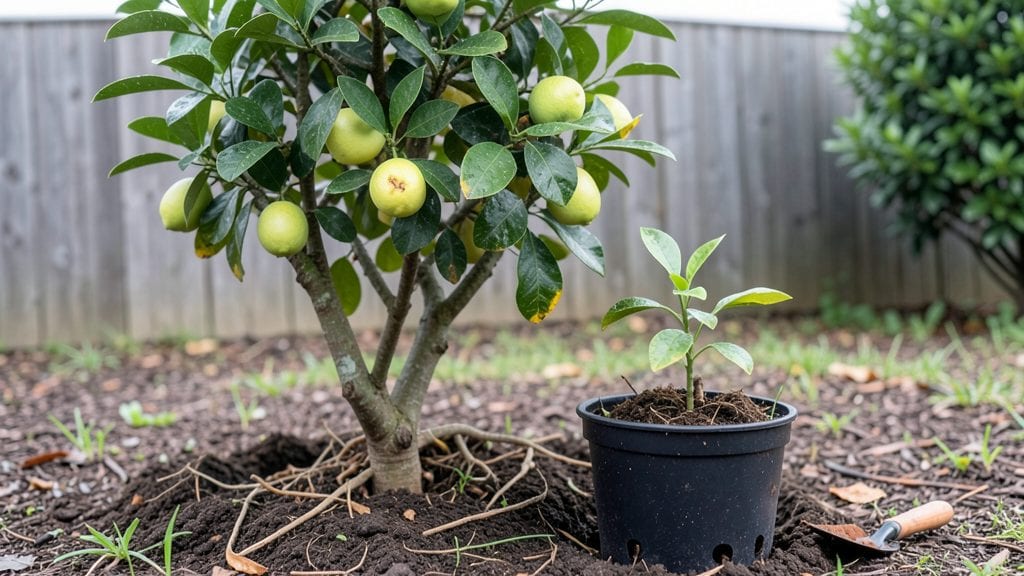
Planting a Meyer lemon tree in a container turns your patio or balcony into a sunlit orchard—no yard required. 🌿 I’ve watched mine produce fruit indoors since winter, and the secret starts with the right pot, soil, and a few simple care tricks that keep roots happy even in small spaces.
You’ll need a 5-gallon pot (minimum) with drainage holes, a mix of well-draining potting soil and perlite, and a sunny spot that gets 6+ hours of light daily.
The key is mimicking the tree’s Mediterranean roots: shallow but wide, with air flowing around the roots to prevent rot. Most beginners overwater or skip drainage—both kill citrus fast.
After planting, keep the soil slightly moist but never soggy, and feed with citrus fertilizer every 4-6 weeks starting in spring. Within a year, you’ll see glossy new leaves and—with patience—tiny yellow blooms that turn into sweet, fragrant lemons.
The first harvest might take 2-3 years, but the journey is worth every pinch of zest.
This works for apartments, porches, or even sunny windowsills. Just avoid drafts and sudden temperature swings, and your tree will thrive like it’s in a California grove. Ready to grow your own sunshine?
📚 In This Guide
- What you need
- Instructions
- Tips and common mistakes
- Wrapping up and next steps
What you need
- ● Container: A 5-gallon or larger pot with drainage holes (minimum 18-inch diameter for mature trees). Opt for terracotta, ceramic, or high-quality plastic.
- ● Well-draining potting mix: 1 part cactus/succulent mix + 1 part peat or coconut coir + 1 part perlite or pumice (avoid garden soil—it compacts!).
- ● Meyer lemon tree: A bare-root sapling (4–6 feet tall) or a potted young tree (2–3 feet tall) from a nursery.
- ● Drainage material: Small rocks, gravel, or broken pottery shards (1–2 inches thick) for the pot’s base.
- ● Slow-release fertilizer: A citrus-specific or balanced 10-10-10 NPK fertilizer (follow package rates).
- ● Watering can or hose with gentle spray nozzle: For deep but controlled watering.
- ● Pruning shears: Sterilized, sharp shears (for trimming new growth).
- ● Self-watering pot: Reduces maintenance for busy gardeners! 💧
- ● Lemon tree support: A small trellis or bamboo stake if your tree grows tall.
- ● Mulch: Organic mulch (straw or bark) to retain moisture (keep 2 inches away from the trunk).
- ● pH test kit: Ensures your soil stays in the ideal 6.0–7.0 range for citrus.
- ● Grow lights (if indoors): A full-spectrum LED grow light for 12+ hours/day in low-light spots.
Step-by-Step instructions for planting a Meyer lemon tree in a container
Here's the method I've used to keep Meyer lemon trees thriving for years—even in small patios.
🪴 Step 1: Select and Prepare the Right Container
Choose a container at least 18-24 inches in diameter with drainage holes—Meyer lemons need room for roots and excellent drainage. I prefer terra cotta pots because they breathe and help regulate soil moisture, but any unglazed ceramic or plastic works. If your pot lacks drainage, drill holes in the bottom and place 2-3 inches of gravel at the base to prevent root rot.
Clean the pot thoroughly with a 10% bleach solution to kill any lingering pathogens. Rinse well and let it dry completely before planting. The larger the pot, the longer you can delay repotting—24-inch pots can support a tree for 3-5 years before needing an upgrade. Place the pot in a south-facing window or under grow lights immediately after planting.
🌱 Step 2: Use Well-Draining Citrus-Specific Soil Mix
Fill the pot with a premium citrus potting mix (never garden soil—it compacts and suffocates roots). I blend 50% citrus mix, 30% perlite, and 20% compost for ideal aeration and nutrients. Moisten the mix with warm water until it’s damp but not soggy—squeeze a handful; water should drip, not pool. Avoid cold water, which can shock the roots.
Create a small planting hole in the center of the pot—just deep enough to accommodate the root ball without bending the stem. If you’re planting a bare-root tree, soak the roots in lukewarm water for 10-15 minutes before placing them in the hole. This ensures hydration and reduces transplant shock. Gently spread the roots outward to encourage branching.
☀️ Step 3: Plant and Provide Immediate Light
Position the tree so the graft union (the bump where the top and rootstock meet) sits 1-2 inches above the soil line. This prevents rot and ensures the tree grows upright. Backfill with soil, pressing lightly to eliminate air pockets, but don’t compact—roots need space to breathe. Water deeply until water runs out the drainage holes, then let the pot sit for 10 minutes to drain excess moisture.
Meyer lemons need 6-8 hours of direct sunlight daily, but avoid intense afternoon sun in hot climates—it can scorch leaves. If your tree gets less than 4 hours of sun, supplement with a full-spectrum LED grow light placed 12-18 inches above the plant. You’ll notice new growth within 3-4 weeks if light conditions are right—look for bright green, slightly waxy leaves emerging from the stem.
💧 Step 4: Water and Fertilize for Healthy Growth
Water when the top 1-2 inches of soil feel dry—stick your finger in the soil to check. Overwatering is the #1 killer of container citrus; yellowing leaves or mushy stems are red flags for root rot. When watering, soak the soil thoroughly until water drains from the bottom, then empty the saucer to prevent soggy roots. In winter, reduce watering to every 7-10 days unless your home is very dry.
Feed your tree every 4-6 weeks with a balanced citrus fertilizer (10-10-10 or 8-3-9 ratio). I use half-strength solution the first year to avoid burning tender roots. In late summer, switch to a low-nitrogen, high-potassium fertilizer (like 5-10-10) to encourage flowering. You’ll see tiny white buds forming in spring, which will turn into blossoms—and eventually, lemons—within 6-12 months of planting.
✂️ Step 5: Prune and Maintain for Long-Term Health
Prune in late winter or early spring before new growth begins. Remove dead, diseased, or crossing branches with clean, sharp pruners, cutting just above a leaf node (the bump where leaves attach). Thin out overly dense growth to improve airflow—this prevents fungal issues. If your tree grows too tall for its container, cut back the topmost 6-12 inches to encourage bushier growth.
Every 2-3 years, repot into a 2-4 inch larger container in early spring to give roots space. This is also the time to refresh the soil—remove the top 2-3 inches of old soil and replace it with fresh citrus mix. Watch for pests like aphids or scale (sticky residue on leaves) and treat with neem oil if needed. With proper care, your Meyer lemon tree can produce fruit for decades—and yes, those lemons will be sweeter and more fragrant than store-bought.
Tips & tricks for planting a Meyer lemon tree in a container
A few subtle details can make all the difference between a struggling houseplant and a thriving citrus tree that bears fruit for years.
Container Size Matters: In Step 1, when selecting your pot, remember that 18-24 inches is the minimum—this isn't just about roots, it's about stability. I've seen trees topple from 24-inch pots during watering! For windy locations, consider a heavier pot or adding weights to the base. Also, if you're using a decorative outer pot without drainage, make sure the inner pot has at least 2 inches of clearance—this prevents root suffocation from trapped moisture.
Soil Science in Step 2: The 50-30-20 mix of citrus soil, perlite, and compost isn't just arbitrary—it creates the perfect air-to-moisture ratio. When mixing, sift the perlite to remove any fine particles that could compact. For Step 2's 10-15 minute root soak, use only lukewarm water (around 70°F)—cold water can shock the roots while hot water may damage them. I also recommend adding a handful of egg shells to the soil mix for extra calcium, which prevents blossom end rot in future fruit.
Light Positioning Secret: The 6-8 hours of sunlight requirement in Step 3 is non-negotiable, but here's what nobody tells you: rotate your pot quarter-turn every week. This ensures even growth and prevents the tree from leaning toward the light. For indoor grow lights, position them 12-18 inches above the plant and keep them on for 12-14 hours daily to mimic natural daylight cycles. Watch for stretched, pale leaves—this is a sign your tree needs more light.
Watering Wisdom: The top 1-2 inches dry test in Step 4 works, but here's how to refine it: use a wooden skewer instead of your finger—it gives you a cleaner read of moisture levels. When you see water running from the drainage holes, let the pot sit for the full 10 minutes before emptying the saucer. This final drainage flush removes excess salts that can build up in container soil over time. In winter, I reduce watering to every 10-14 days unless my home is particularly dry, as citrus trees enter a natural dormancy period.
Pro Tips for Plant Meyer Lemon Tree In Container
- A few subtle details can make all the difference between a struggling houseplant and a thriving citrus tree that bears fruit for years.
- Container Size Matters: In Step 1, when selecting your pot, remember that 18-24 inches is the minimum—this isn't just about roots, it's about stability.
- Soil Science in Step 2: The 50-30-20 mix of citrus soil, perlite, and compost isn't just arbitrary—it creates the perfect air-to-moisture ratio.
Frequently asked questions
Got questions about growing a Meyer lemon tree in a container? You’re not alone! Here are answers to the most common concerns—from timing to troubleshooting—to help you grow a thriving citrus tree, even in small spaces.
What’s the best time of year to plant a Meyer lemon tree in a container?
Plant your Meyer lemon tree in early spring (after the last frost) or late summer (before fall temperatures drop). This gives the tree time to establish roots before extreme heat or cold. If you’re in a warm climate, you can plant year-round, but avoid winter if frost is possible.
How do I protect my container-grown Meyer lemon tree in winter?
Move your container indoors near a sunny window (like a greenhouse or sunroom) or wrap it in bubble wrap and place it in a sheltered outdoor spot. Reduce watering and avoid fertilizing until spring. If temps drop below 30°F (-1°C), bring it inside immediately—Meyer lemons are tender but can tolerate brief cold snaps with care!
Can I grow a Meyer lemon tree in a small pot, or do I need a large container?
While Meyer lemons are compact, they still need space to grow. Aim for a minimum 15–25 gallon pot (18–24 inches wide) with drainage holes. Smaller pots restrict root growth and limit fruit production. If you’re short on space, opt for a self-watering container to keep roots happy.
Why isn’t my Meyer lemon tree fruiting, even after years in a container?
Lack of fruiting often stems from insufficient sunlight (6+ hours daily), improper fertilization, or stress. Use a citrus-specific fertilizer (high in nitrogen in spring, potassium in fall), ensure full sun, and avoid overwatering. If your tree is young (<3 years), it may still be maturing—patience is key!
How often should I water my container-grown Meyer lemon tree?
Water when the top 1–2 inches of soil are dry (usually every 5–7 days in summer, less in winter). Containers dry out faster than ground soil, so check moisture regularly. Overwatering causes root rot, while underwatering stresses the tree. Drainage holes are a must! For extra help, use a moisture meter.
What pests should I watch for, and how do I treat them?
Common pests include aphids, spider mites, and scale insects. Treat mild infestations with neem oil or insecticidal soap. For severe cases, hose off pests with water or use systemic granules. Prevention tip: Keep your tree healthy with proper watering and fertilization to deter pests naturally.
Wrapping up and next steps
Growing a Meyer lemon tree in a container is a rewarding journey that brings fresh, fragrant citrus to your doorstep—no backyard required! 🌱 With the right pot, soil, sunlight, and care, your tree can thrive and even produce sweet, juicy lemons year after year.
Whether you're a beginner or a seasoned gardener, this guide gives you everything you need to succeed.
Now that you’re ready to plant, take the next step: watch your tree grow! Monitor its progress, enjoy the blooms, and soon, you’ll be savoring homegrown lemons in your favorite recipes. Happy gardening! 🍋✨