
Propagation
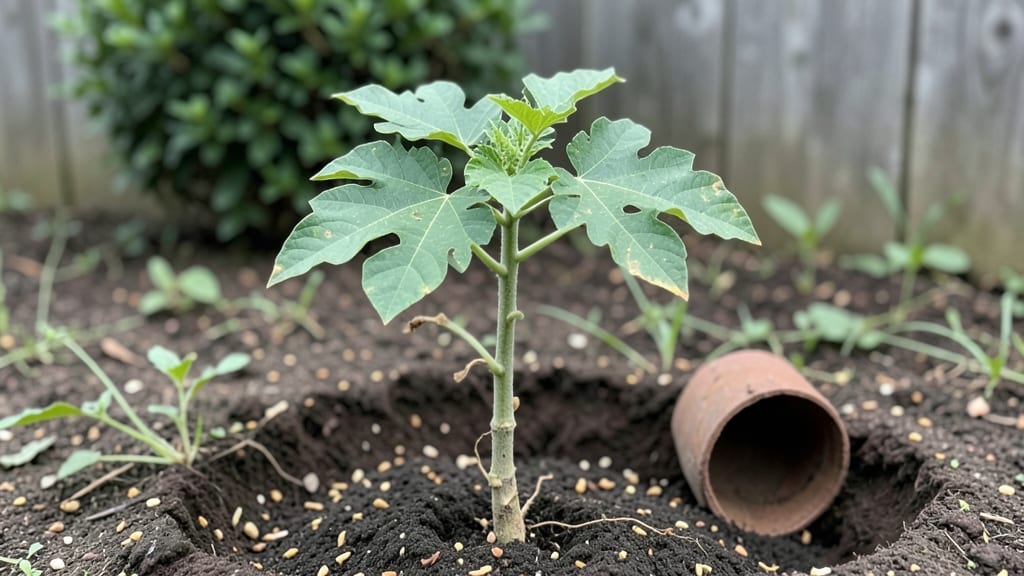
Planting a papaya tree from seeds is like unlocking a slice of tropical paradise in your own backyard. 🌺 The key is patience—these seeds can take weeks to sprout, but once they do, you’re on your way to growing sweet, vibrant fruit that tastes nothing like store-bought.
My first attempt took 28 days of waiting before a single leaf cracked through the soil, but that first glimpse was worth every moment.
The real secret lies in mimicking their natural environment: warm soil, high humidity, and bright indirect light. You’ll need a well-draining potting mix, a shallow container, and a heat mat if your climate dips below 70°F at night.
Even in Zone 10, where papayas thrive outdoors, seedlings need protection until they’re strong enough to handle direct sun. The payoff? A tree that can produce fruit in as little as 9 months—though some varieties take up to 2 years.
What you’ll end up with is a fast-growing, broad-leaved tree that fills the air with a tropical scent. The first fruits may be small, but with proper care—consistent watering, occasional feeding, and protection from pests—they’ll grow sweeter and larger each season.
Imagine plucking ripe papayas straight from your own yard, their orange flesh bursting with flavor. Here’s exactly how to make it happen.
This method works for both container growing and in-ground planting, though containers give you more control over soil and temperature. If you live outside the tropics, start seeds indoors and transition them outdoors only after the last frost—papayas are not frost-tolerant. Let’s get those seeds sprouting!
📚 In This Guide
- What you need
- Instructions
- Tips and common mistakes
- Wrapping up and next steps
What you need
- ● Papaya seeds: 3–5 fresh, healthy seeds (harvested from ripe papaya fruit or purchased from a reputable supplier). Pro tip: 💡 Store seeds in a dry, cool place if not planting immediately.
- ○ Seed-starting pots or small containers: 4–6 individual pots (3–4 inches deep) with drainage holes. Optional: Use biodegradable peat pots for easy transplanting!
- ● Well-draining potting mix: A lightweight, airy blend (e.g., 50% peat moss, 30% perlite, 20% coconut coir). Avoid heavy garden soil.
- ● Watering can or spray bottle: With a fine mist setting to keep seeds moist without drowning them.
- ● Plastic wrap or humidity dome: To create a mini greenhouse effect and retain moisture.
- ● Grow lights or sunny windowsill: Papaya seeds need warmth (75–85°F) and bright light to germinate.
- ○ Fertilizer (optional but helpful): A balanced, water-soluble fertilizer (e.g., 10-10-10) diluted to half-strength for young seedlings.
- ● Garden trowel or shovel: For digging holes in the ground.
- ● Compost or organic fertilizer: To enrich the soil (e.g., well-rotted manure or worm castings).
- ● Mulch (straw or wood chips): To retain moisture and protect roots in tropical climates.
- ○ Support stake or trellis (optional): Papaya trees can grow tall—stakes help prevent toppling in windy areas.
- ● Warm climate or greenhouse: Papayas thrive in USDA zones 10–12. If you’re in a cooler zone, start seeds indoors 8–12 weeks before the last frost.
- ● Full sun exposure: At least 6–8 hours of direct sunlight daily for healthy growth.
- ● Patience: Germination can take 10–30 days, and fruiting takes 9–18 months!
Step-by-step instructions for growing papaya trees from seeds
Here’s how I’ve turned tiny papaya seeds into thriving tropical trees—no greenhouse needed.
🌱 Step 1: Soak and Prep the Seeds for Faster Germination
Papaya seeds have a tough outer coating that slows sprouting. To speed things up, place the seeds in a small bowl of lukewarm water and let them soak for 12-24 hours. You’ll know they’re ready when the outer shell softens and the seed feels slightly plump to the touch. Drain and pat them dry with a paper towel—don’t let them stay soggy.
While they soak, fill a small container (like a 4-inch pot) with light, well-draining potting mix. Papayas hate soggy roots, so I mix in a little perlite or coarse sand to improve drainage. Moisten the soil until it’s damp but not dripping—think of a wrung-out sponge. Warmth is key, so place the container in a spot where the soil stays around 75-85°F, like near a sunny window or under a grow light.
🌿 Step 2: Plant the Seeds and Create a Humid Environment
Plant the soaked seeds about ½ inch deep in the prepared soil. I like to use a pencil to poke small holes—just deep enough to tuck the seed inside without burying it too far. Cover the hole lightly with soil and gently press it down. Plant 2-3 seeds per container since not all may germinate, but thin to the strongest seedling later.
Cover the container with a clear plastic bag or humidity dome to trap warmth and moisture. Place it in bright, indirect light (like an east-facing window) and wait. Germination can take 7-21 days, depending on temperature and humidity. Check daily for condensation inside the bag—if it’s foggy, you’re good. If it’s dry, mist the soil lightly and reseal. Once the first seedling emerges, remove the cover immediately to prevent mold.
☀️ Step 3: Provide Warmth and Light for Strong Seedlings
The moment you see the first true leaves (not the initial seed leaves), move the seedling to a sunny spot with at least 6 hours of direct light daily. Papayas are tropical and need warmth to thrive. If your home is cool, supplement with a grow light kept 4-6 inches above the plant. You’ll know it’s getting enough light when the leaves are dark green and compact—not stretched out and pale.
Water the soil when the top inch feels dry. Stick your finger in the soil—if it’s damp just below the surface, wait another day. Overwatering is the #1 killer of young papaya seedlings, so I use a spray bottle to mist the leaves occasionally (they love humidity!). Once the seedlings are 3-4 inches tall and have 3-4 true leaves, it’s time to transplant them into individual 6-inch pots with fresh potting mix.
🪴 Step 4: Transplant and Encourage Rapid Growth
Choose a pot with drainage holes and fill it with a mix of potting soil and compost. Gently remove the seedling from its starter pot, keeping the root ball intact. Place it in the new pot, ensuring the top of the root ball sits just below the soil line—don’t bury the stem too deep. Firm the soil around it and water lightly to settle it in.
Papayas grow fast once they’re established. Keep the soil consistently moist but never soggy, and fertilize lightly every 4-6 weeks with a balanced, water-soluble fertilizer (like 10-10-10). You’ll notice new leaves emerging within a few weeks—that’s your signal everything is working. If your home gets chilly at night (below 60°F), move the plant to a warmer spot or use a small space heater nearby. Papayas are tropical and won’t tolerate cold drafts.
⏰ Step 5: Prepare for Outdoor Transition (If Climates Permit)
Papayas thrive in USDA Zones 10-11 and can’t handle frost. If you live in a warmer climate, you can eventually move the plant outdoors—but do it slowly. Start by placing the pot in a sheltered, shaded spot for 1-2 hours daily, then gradually increase exposure over 2 weeks. Watch for signs of stress, like wilting or yellowing leaves. If you’re in a cooler zone, keep the plant indoors year-round near a bright window or under grow lights.
Here’s the thing—papayas grow surprisingly fast, and you might see flowers (and even fruit!) within 6-12 months if conditions are right. If you’re growing a dioecious variety (like most commercial papayas), you’ll need both male and female plants for pollination. But if you’re lucky, you might get a self-pollinating variety that bears fruit solo. Either way, enjoy the journey—these trees are as rewarding as they are exotic!
Tips & tricks for growing papaya trees from seeds
Growing papaya trees from seeds is all about patience and creating the right conditions—here's how to maximize your success without the guesswork.
Soaking Secret: The 12-24 hour soak is crucial for breaking the tough outer seed coating. I've found that using a bowl of lukewarm water (around 85°F) and gently rubbing the seeds between your fingers after soaking helps soften the shells even more. This step can cut germination time by nearly half—don't skip it! The seeds are ready when they feel noticeably plumper and the shells start to crack slightly.
Temperature Matters: Maintaining that 75-85°F soil temperature range during germination is non-negotiable. If your home runs cooler, place the container on top of your refrigerator (not inside) or use a seedling heat mat set to 80°F. I've had seeds germinate in just 7 days when kept at the upper end of this range, but it can take up to 21 days if too cool. A simple thermometer probe in the soil will help you monitor this precisely.
Lighting Strategy: Once you see those first true leaves in Step 3, don't be tempted to move the seedlings to direct sunlight immediately. Start with bright, indirect light for 2-3 days to help them acclimate. I use a sheer curtain over a south-facing window during this transition period. The goal is to prevent leaf scorch while still giving them the light they need to develop strong stems. After those few days, you can gradually introduce more direct sunlight.
Transplanting Wisdom: When transplanting to 6-inch pots, I always add a handful of worm castings to the potting mix—it gives the seedlings a gentle nutrient boost without overwhelming them. The key is to keep the root ball intact and avoid disturbing the delicate roots. After transplanting, place the pots in a warm spot (above 60°F) for 24 hours before resuming normal care. This helps reduce transplant shock significantly.
Pro Tips for Plant Papaya Tree From Seeds
- Growing papaya trees from seeds is all about patience and creating the right conditions—here's how to maximize your success without the guesswork.
- Soaking Secret: The 12-24 hour soak is crucial for breaking the tough outer seed coating.
- Temperature Matters: Maintaining that 75-85°F soil temperature range during germination is non-negotiable.
Frequently asked questions
Got questions about growing papayas from seeds? You’re not alone! Here are answers to the most common concerns—from timing to troubleshooting—to help you grow a thriving tropical tree.
How long does it take for a papaya seed to sprout?
A papaya seed typically sprouts within 7 to 14 days if planted in warm, moist soil (70–90°F). Keep the soil consistently damp but not soggy, and place the pot in bright, indirect light. Patience is key—some seeds may take up to 3 weeks, especially in cooler conditions.
Can I plant papaya seeds outdoors directly?
It’s not recommended to plant papaya seeds directly outdoors unless you live in a tropical or subtropical climate with year-round warmth (above 60°F). Seeds are delicate and need protection from frost, cold drafts, and unpredictable weather. Start indoors in pots, then transplant seedlings after the last frost and when they’re at least 6 inches tall.
How fast does a papaya tree grow from seed?
Papaya trees grow surprisingly fast—expect 1 to 2 feet per year under ideal conditions (warmth, full sun, and rich soil). Some varieties may flower and fruit within 9–12 months, while others take up to 2 years. Dwarf varieties mature quicker, making them great for containers or small gardens.
Why aren’t my papaya seeds germinating?
If your seeds aren’t sprouting, check these common issues:
- Cold soil: Papayas need warmth—use a heat mat if your home is chilly.
- Dry soil: Keep the soil moist but not waterlogged; mist seeds lightly daily.
- Old or damaged seeds: Use fresh seeds from ripe papayas (store-bought seeds may be treated to prevent germination).
- Poor drainage: Overwatering can suffocate seeds—ensure pots have drainage holes.
Can I grow a papaya tree in a pot?
Papayas thrive in large containers (at least 15–20 gallons) with drainage holes. Choose a dwarf variety like ‘SunUp’ or ‘Tainong No. 1’ for better pot success. Use well-draining potting mix, place the pot in full sun, and fertilize monthly with a balanced fertilizer. Just be prepared to move the pot indoors if temperatures drop below 50°F.
Wrapping up and next steps
Growing a papaya tree from seeds is a rewarding journey—one that brings sweet, tropical fruit right to your doorstep! 🌱 With the right patience, care, and a little sunshine, you’ll soon enjoy fresh papayas straight from your backyard.
Now that you know the steps, why not take the next leap? Start with just one seed and let nature do the rest—your future harvest is waiting!
Pro tip: Share your progress with fellow gardeners or tag us—we’d love to see your papaya tree thrive! 🌟