
Flowers
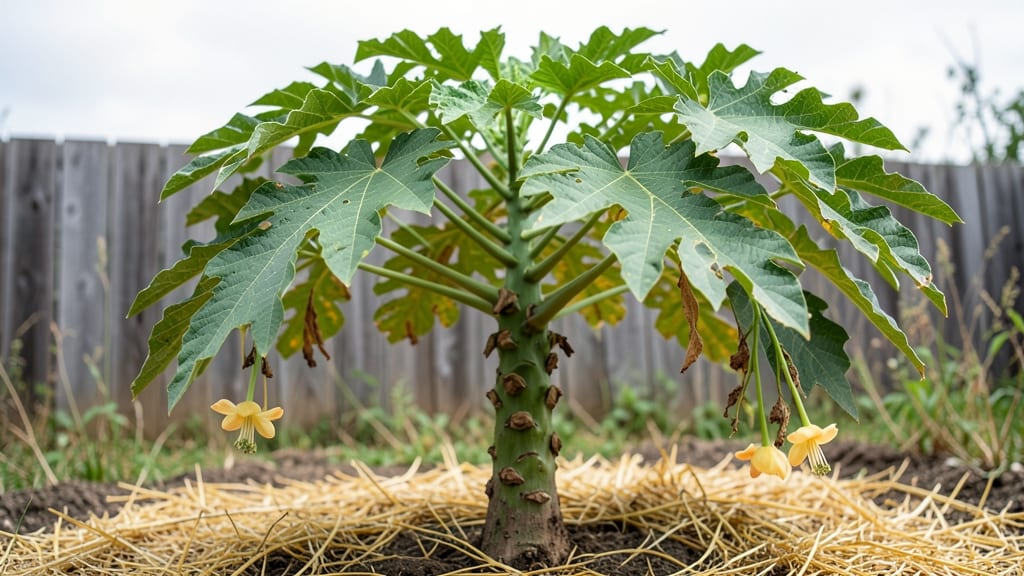
Papaya tree flowers are the gateway to your own tropical harvest—even in the Pacific Northwest. 🌺 I’ve watched my first blooms transform from delicate, waxy cups into sweet, orange fruit, and the process starts with understanding when and how they appear.
Unlike most fruit trees, papayas are either male or female (or hermaphroditic), and getting the right flowers to the right place is key to setting fruit.
The flowers themselves are stunning—bright yellow-green, with a single pistil or stamens depending on the type. They only open for one morning, making timing everything.
In warmer microclimates, you might see blooms as early as late spring, but most PNW gardeners wait until summer’s heat wave to trigger flowering. The trick is keeping the tree happy: consistent warmth, good drainage, and just enough water to avoid stress.
With the right care, you’ll see clusters of these fragrant blooms appear along the tree’s branches, followed by those signature papaya fruits in 3-6 months. The scent alone—like a mix of citrus and tropical blossoms—makes it worth the effort.
Once you master the flowering stage, the rest is just patience and a little luck with pollination.
Here’s the catch: PNW gardeners often struggle with cold snaps or poor pollination, but I’ve found workarounds—like hand-pollinating with a soft brush or choosing hermaphroditic varieties that don’t rely on bees. Let’s break down how to coax those flowers into opening reliably, even when Mother Nature plays hard to get.
📚 In This Guide
- What you need
- Instructions
- Tips and common mistakes
- Wrapping up and next steps
What you need
- ● Papaya Seeds or Seedlings: 1–2 Carica papaya seeds (or a young seedling from a nursery). Choose a dwarf or hybrid variety for better PNW adaptability.
- ● Containers or Garden Bed: Container option: 5–7 gallon pot with drainage holes (minimum 12" deep). Use lightweight, breathable fabric pots for better root aeration.
- ● Garden bed option: Well-draining, sandy-loam soil in a sheltered, south-facing location (partial shade in summer).
- ● Soil Mix: 50% cactus/succulent mix + 30% perlite + 20% peat moss or coconut coir (for moisture retention without sogginess).
- ● Fertilizer: Balanced 10-10-10 fertilizer (or organic options like fish emulsion or worm castings).
- ● Slow-release osmocote (14-16 month) for steady nutrients.
- ● Watering Supplies: Drip irrigation system or spray bottle (to avoid wetting leaves/fruit).
- ○ Moisture meter (optional but helpful for PNW’s unpredictable rain).
- ● Temperature: Papayas thrive in 75–90°F (24–32°C) during the day. Use a greenhouse or grow tent if temps drop below 50°F (10°C).
- ● Humidity: Maintain 60–80% humidity. A humidifier or pebble tray helps in dry PNW winters.
- ● Sunlight: 6–8 hours of direct sunlight daily (supplement with grow lights in winter).
- ● Pollination: Papayas are self-pollinating, but a soft paintbrush can help transfer pollen if flowers aren’t setting fruit.
- ● Mulch: Straw or pine bark to retain moisture and regulate soil temp.
- ● Support Stakes: Bamboo stakes or trellis if your papaya grows tall (some varieties can reach 10–30 ft!).
- ● Soil pH Test Kit: Ideal range is 6.0–7.0 (adjust with lime or sulfur if needed).
- ● Pest Control: Neem oil or insecticidal soap for aphids/spider mites (common in indoor setups).
Step-by-step guide to encouraging papaya tree flowers in cool climates
Papayas thrive in warmth, but with the right tricks, you can coax blooms even in the Pacific Northwest.
🌱 Step 1: Select the Right Variety for Your Climate
Choose a cold-hardy variety like 'Solo' or 'SunUp' papaya—these tolerate temperatures down to 30°F better than tropical types. Start with a 3-5 gallon container to give roots room while protecting them from cold snaps. I always plant in late spring after the last frost, when soil temperatures stay above 65°F for at least 8 hours daily.
Papayas are self-pollinating, but cooler climates slow their metabolism. Watch for small yellow-green flowers appearing on mature plants—these signal readiness for blooming. If your plant is under 12 inches tall with no flowers, it’s not mature enough yet. Be patient; tropical plants take their time adjusting.
☀️ Step 2: Mimic Tropical Conditions with Light and Heat
Papayas need full sun (6+ hours daily)—place your container in the sheltered sunniest spot possible, like a south-facing patio or greenhouse. If outdoors, move it indoors overnight when temperatures drop below 55°F. I’ve found that grow lights (12-14 hours/day) work wonders in cloudy PNW winters, keeping plants flowering year-round.
Heat is the real secret. Use a heat mat under containers or wrap pots in bubble wrap to retain warmth. Aim for daytime temps of 75-85°F—this triggers flowering. If your home runs cooler, group plants together to share warmth. You’ll know it’s working when flowers appear within 6-8 weeks of consistent warmth.
💧 Step 3: Water and Fertilize for Blooming Success
Water deeply 2-3 times weekly, keeping soil evenly moist but never soggy. Papayas hate wet feet—always check for dryness 1-2 inches below the surface before watering. I use lukewarm water to avoid shocking roots, especially in cooler months. Fertilize every 4-6 weeks with a balanced 10-10-10 formula, cutting back to half-strength in winter to avoid leaf burn.
Here’s the trick: reduce water slightly when buds form. Slightly drier soil encourages flowers to set fruit. If leaves yellow or drop, you’re overwatering. Watch for tiny white flowers—these appear first, followed by larger male/female blooms. Hand-pollinate by gently shaking branches to spread pollen if blooms aren’t setting fruit.
✂️ Step 4: Prune and Protect for Continuous Blooms
Prune leggy growth back by 1/3 to encourage bushier, flower-producing branches. Always cut just above a leaf node where new growth can sprout. Remove any yellowing or diseased leaves immediately—they sap energy from blooming. I also wrap young plants in frost cloth on chilly nights to protect emerging flowers.
Papayas bloom best when slightly stressed. If your plant looks too lush, let it dry out slightly between waterings—this triggers more flowers. You’ll see clusters of 3-5 flowers on mature branches, with female flowers having a tiny papaya at their base. Harvest fruit when it turns fully yellow and gives slightly to touch.
🪴 Step 5: Overwinter for Next Season’s Blooms
Before first frost, move your papaya indoors near a sunny window or grow light. Reduce watering to once weekly and fertilize monthly with a low-nitrogen formula. Keep temps above 50°F—cooler temps shock the plant and delay spring blooming. I’ve kept papayas flowering indoors through PNW winters with supplemental light and heat.
In early spring, repot if roots circle the container. Use fresh potting mix and a slightly larger pot to encourage new growth. You’ll see new leaves and flower buds within 4-6 weeks of warmer weather. The key is consistency—papayas reward patience with year-round blooms if you keep them happy.
Tips & tricks for encouraging papaya tree flowers
Between us, growing papaya flowers in cooler climates takes patience—but these tricks have helped me coax blooms in the Pacific Northwest where others give up.
The Variety Factor: While 'Solo' and 'SunUp' are your best bets for cold tolerance, don't overlook 'Red Maradol' if you can provide extra warmth. These varieties handle the 30°F minimum better, but all papayas need that critical 65°F soil temperature for 8+ hours daily to trigger flowering hormones. I've found using black containers absorbs more heat during the day to help maintain those soil temps.
Lighting Strategy: Those 12-14 hours of grow light aren't just about winter—use them strategically in early spring when days are still short. Position lights just 6 inches above the plant and angle them to simulate morning and evening sun. I've seen plants double their flowering rate when given this extended light exposure, especially when combined with the 75-85°F daytime heat range.
Water Wisdom: The "reduce water slightly when buds form" tip is golden, but here's the secret: water in the morning so any excess evaporates by evening. I've noticed papayas in 3-5 gallon containers dry out faster than expected—check that 1-2 inch dryness with your finger, not just by lifting the pot. Overwatering is the #1 reason flowers fail to set fruit in cool climates.
Pruning Hack: When you're pruning back that 1/3 leggy growth, save those cuttings! Root them in water with a little cinnamon to prevent rot. I've propagated three successful plants from prunings, and they often flower faster than mother plants because they're already stressed into growth mode. Just be sure to cut just above a leaf node—those are your growth points.
Pro Tips for Papaya Tree Flowers
- Between us, growing papaya flowers in cooler climates takes patience—but these tricks have helped me coax blooms in the Pacific Northwest where others give up.
- The Variety Factor: While 'Solo' and 'SunUp' are your best bets for cold tolerance, don't overlook 'Red Maradol' if you can provide extra warmth.
- Lighting Strategy: Those 12-14 hours of grow light aren't just about winter—use them strategically in early spring when days are still short.
Frequently asked questions
Got questions about growing papaya tree flowers in your Pacific Northwest garden? You’re not alone! Here are answers to the most common curiosities—plus a few surprises—about coaxing those vibrant blooms to life in cooler climates.
Can papaya trees really grow in the Pacific Northwest?
Yes, but with big adjustments! Papayas thrive in tropical climates (USDA Zones 10–12), but you can grow them outdoors in PNW summers (Zones 8–9) by treating them as annuals or overwintering them in containers. For year-round growth, plant them in a greenhouse or sunroom with consistent warmth (70–90°F).
How long does it take for papaya flowers to appear?
Patience is key! Seed-grown papaya trees may take 6–12 months to flower, while grafted varieties (like ‘SunUp’ or ‘Solo’) can bloom in 3–6 months under ideal conditions. In cooler climates, expect a delay of 1–3 months due to slower growth. Pro tip: Use a heat mat () to speed up germination and flowering!
Why aren’t my papaya flowers opening?
Papaya flowers are sensitive to temperature—they often fail to open if nights dip below 65°F or days stay under 80°F. Other culprits:
- Lack of sunlight: Move to a southern window or supplement with grow lights (12+ hours/day).
- Nutrient deficiency: Feed with a balanced fertilizer (10-10-10) rich in phosphorus (for blooms).
- Stress: Check for pests (aphids, mites) or root-bound pots—repot if needed!
If flowers form but don’t open, hand-pollinate them with a soft brush to encourage fruit.
Do papaya flowers need pollination?
Yes! Papaya flowers are self-pollinating, but cross-pollination (especially for hybrid varieties) can improve fruit quality. In the PNW, where natural pollinators like bees are less active, hand-pollinate using a cotton swab or small brush. Bonus: The flowers are edible—try them in salads or teas for a mild, citrusy flavor!
What’s the best alternative if papaya flowers fail?
If papaya flowers struggle, consider these low-maintenance tropical bloomers for PNW gardens:
- Plumeria (Frangipani): Drought-tolerant and fragrant, but needs winter protection.
- Bird of Paradise: Stunning flowers and hardy to Zone 9 with mulch.
- Hibiscus (Tropical varieties): Thrives in containers and blooms year-round indoors.
For fruit, try figs or passionfruit—both handle PNW summers better than papayas!
Wrapping up and next steps
Growing papaya tree flowers in the Pacific Northwest might seem like a tropical dream, but with the right care and patience, you can turn that dream into reality! 🌺 These vibrant blooms aren’t just stunning—they’re a gateway to delicious fruit and a thriving indoor or greenhouse garden.
Whether you’re a seasoned gardener or just starting, your efforts will pay off with lush, fragrant flowers and the promise of sweet papayas.
Ready to take the next step? Start small—plant a single seedling in a pot or greenhouse and monitor its progress. Soon, you’ll be rewarded with Carica papaya flowers that’ll make your garden the talk of the neighborhood! 🌱