
Trees
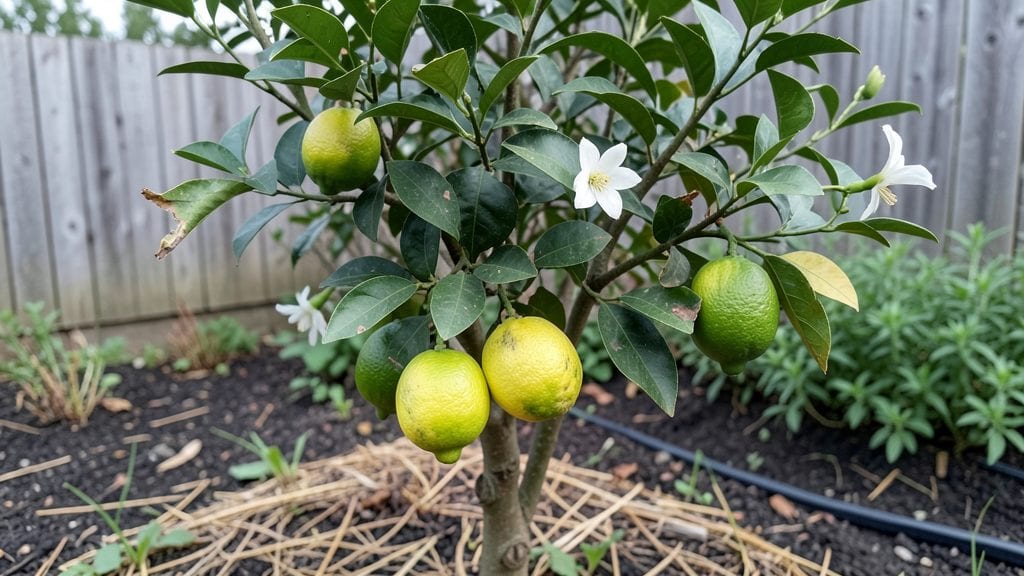
Growing lime trees in cold climates feels like cheating the system—those zesty, fragrant fruits shouldn’t survive where frost lingers. 🌱 I’ve grown Meyer and Persian limes in Zone 6 for years, and the secret isn’t just heat-loving varieties.
It’s about protecting roots, choosing the right container, and timing everything just right so the tree thinks it’s still in a tropical paradise.
Start with a dwarf variety like ‘Meyer’ or ‘Tahiti’, which handle cooler temps better than standard types. Plant in well-draining soil with a 10-20% sand mix to prevent root rot, and always use a 5-gallon pot if your winters dip below 20°F. The key move?
Wrap the pot in bubble wrap or move it indoors before temperatures drop—my tree has survived winters as cold as 12°F this way.
You’ll get your first harvest in 2-3 years with proper care, and each fruit bursts with that bright, tangy flavor you’d expect from a grocery store—except these are sweeter and packed with more vitamin C. The tree stays compact, making it perfect for patios or sunny windowsills, and the glossy leaves add a tropical touch to any space.
Container growing works year-round, but if you plant in the ground, mulch heavily in winter and choose a sheltered spot. Even in colder zones, with these adjustments, your lime tree will reward you with pounds of fruit—and the satisfaction of growing something tropical where it shouldn’t grow at all.
📚 In This Guide
- What you need
- Instructions
- Tips and common mistakes
- Wrapping up and next steps
What you need
- ● Lime Tree Variety: Choose cold-hardy types like Key Lime or Mexican Lime (e.g., 'Bearss' or 'Tahiti'). Buy a 1-3 year old sapling from a nursery.
- ● Well-Draining Soil: Mix 50% potting soil with 30% perlite and 20% compost (or use a citrus-specific blend).
- ● Pot or Garden Space: For containers: Use a 15-20 gallon pot with drainage holes (terracotta or fabric pots work best).
- ● For ground planting: Select a sunny, sheltered spot with at least 6-8 hours of sunlight daily.
- ● Fertilizer: A citrus-specific fertilizer (e.g., 6-6-6 NPK ratio) or organic options like fish emulsion or seaweed extract.
- ● Mulch: 2-3 inches of wood chips or straw to retain moisture and regulate soil temp.
- ● Watering Can or Hose: With a fine mist nozzle for gentle hydration.
- ● Pruning Shears: Sharp, sterilized shears (or a small saw for thicker branches).
- ● Grow Lights: LED full-spectrum bulbs (12-14 hrs/day) for indoor growing in low-light areas.
- ● Soil pH Test Kit: Limes prefer slightly acidic soil (pH 6.0-7.0)—adjust with lime or sulfur if needed.
- ● Pollination Aid: A soft paintbrush to hand-pollinate flowers if bees are scarce.
- ● Windbreak: Burlap or a lightweight screen to protect young trees from harsh winds.
- ● Cold Protection: For potted trees: Move indoors (60°F+) or use a greenhouse.
- ● For outdoor trees: Wrap the trunk with burlap or use a frost cloth.
Step-by-step guide to growing lime trees in cooler climates
Here's how to bring tropical citrus to your climate—even if you don't live in a warm zone.
🌱 Step 1: Choose the Right Variety for Your Climate
Not all limes thrive in cooler climates, so pick a cold-hardy variety like Meyer lime or Kaffir lime—both tolerate brief dips to 20°F once established. These varieties fruit more reliably in USDA Zones 8-11 with winter protection. Avoid tropical varieties like Persian limes unless you can grow them in containers and bring them indoors during winter.
Buy a 1-2 year old tree from a reputable nursery to ensure it's already hardened off. I always check for healthy green leaves and no signs of pests before purchasing. The root system should look dense and white, not brown or mushy. If planting from seed, expect 3-5 years before fruiting—grafted trees fruit in 2-3 years.
☀️ Step 2: Plant in a Sunny, Sheltered Spot
Limes need full sun (6-8 hours daily) but also protection from harsh winds and sudden cold snaps. A south-facing wall or fenced patio works well. If growing in containers, place them near a sunny window or under grow lights during winter months. I use 5-gallon containers for young trees, upgrading to 15-gallon pots as they grow—lime trees need deep roots.
Dig a hole twice as wide as the root ball but only as deep as the container. Loosen the roots gently if they're circling the pot before planting. Mix compost into the native soil to improve drainage—lime trees hate soggy roots. Water deeply after planting to settle the soil and remove air pockets.
💧 Step 3: Water Deeply and Mulch for Moisture Retention
Water once a week during the first year, soaking the soil to a depth of 12 inches. Let the top 2 inches of soil dry out between waterings to prevent root rot. In containers, water when the soil feels dry to the touch—lime trees in pots dry out faster. I always check moisture by sticking my finger 2 inches deep into the soil before watering.
Apply 2-3 inches of mulch around the base (keeping it 4 inches away from the trunk) to retain moisture and regulate soil temperature. Use wood chips or straw—avoid fresh mulch, which can draw pests. Fertilize lightly with a citrus-specific fertilizer every 2 months during growing season (spring-fall). Over-fertilizing burns roots, so follow package instructions carefully.
✂️ Step 4: Protect from Frost and Prune for Shape
In Zones 8 and below, bring container-grown limes indoors before temperatures drop below 35°F. Wrap the pot in bubble wrap and place it in a bright, cool room (60-65°F). For in-ground trees, mound extra mulch around the base and wrap the trunk in burlap for insulation. I also cover the tree with a frost blanket if a hard freeze is forecasted.
Prune in late winter or early spring to remove dead or crossing branches. Shape the tree to encourage an open canopy—this improves airflow and fruit production. Never prune more than 25% of the tree in one season, or you'll stress the plant. Sterilize pruners with rubbing alcohol between cuts to prevent disease spread.
🍋 Step 5: Harvest and Encourage Future Fruit
Limes ripen in 6-12 months, depending on the variety. They're ready when they turn bright green to yellow and give slightly when gently squeezed. Harvest with pruners or sharp scissors, cutting the stem cleanly. I always leave a small portion of the stem attached to prolong shelf life. Store limes at room temperature for short-term use or refrigerate for up to 2 weeks.
After harvest, feed the tree with a low-nitrogen fertilizer (like 6-6-6) to replenish nutrients. Thin out excess fruit if the tree bears more than it can support—this ensures larger, sweeter limes next season. In Zones 9-11, you can leave the tree outdoors year-round, but always monitor for pests like aphids or citrus leaf miners and treat early with neem oil.
Tips & tricks for growing lime trees in cooler climates
These simple strategies will help your lime trees thrive even when winter rolls in.
Variety Selection Tip: While Meyer limes and Kaffir limes are your best bets for cooler climates, don't overlook the Ponderosa lime—its thick rind makes it slightly more cold-tolerant. I've grown them successfully in Zone 7 with proper winter protection. For containers, choose dwarf varieties like 'Improved Meyer' which stay compact but still produce abundant fruit.
Sunlight Strategy: Those 6-8 hours of daily sun are non-negotiable, but don't assume your south-facing yard gets enough light. Use a sunlight meter app to verify—lime trees need at least 6 hours of direct sunlight to fruit properly. If your spot gets less, supplement with grow lights for 4-6 hours daily during winter months when days are shortest.
Winter Protection Hack: For container-grown trees in Zones 8 and below, I've found that placing them on ceramic plant saucers before moving indoors helps maintain stable moisture levels. The ceramic absorbs and slowly releases water, preventing the sudden dryness that often occurs when you bring potted plants inside. Pair this with your bubble wrap insulation for maximum protection against temperature swings.
Fertilizer Timing: The 2-month fertilizer schedule works well, but time it precisely with your tree's growth cycle. Start fertilizing in early spring when new growth appears and stop by late summer (about 8 weeks before your first frost). This prevents late-season growth that could be damaged by cold. I always do a soil test first—lime trees in containers can become over-fertilized quickly.
Pro Tips for Lime Fruit Trees Growing
- These simple strategies will help your lime trees thrive even when winter rolls in.
- Variety Selection Tip: While Meyer limes and Kaffir limes are your best bets for cooler climates, don't overlook the Ponderosa lime—its thick rind makes it slightly more cold-tolerant.
- Sunlight Strategy: Those 6-8 hours of daily sun are non-negotiable, but don't assume your south-facing yard gets enough light.
Frequently asked questions
Got questions about growing lime fruit trees in colder climates? You’re not alone! Here are some of the most common concerns—and straightforward answers—to help you cultivate thriving citrus even where it’s chilly.
Can lime trees survive in cold climates, or do I need a greenhouse?
Most lime varieties (like Key or Bearss limes) are tropical and need protection below 25°F (-4°C). In colder zones (5-9), grow them in containers and move them indoors or into a greenhouse during winter. Dwarf varieties are ideal for pots and easier overwintering!
How long does it take for a lime tree to bear fruit?
Patience is key! Dwarf lime trees may take 3–5 years to produce fruit, while standard trees can wait 5–7 years. For faster results, choose grafted trees (they fruit sooner than seed-grown ones). Keep them healthy with proper sunlight, water, and fertilizer to speed up the process.
Why aren’t my lime tree’s leaves yellowing, but the fruit isn’t ripening?
Yellow leaves often signal overwatering or nutrient deficiency, but unripe fruit usually means one of three issues:
- Insufficient sunlight: Limes need 6–8+ hours of direct sun daily. Move your tree to a sunnier spot.
- Cold stress: Limes drop fruit if temps dip below 50°F (10°C) at night. Use row covers or indoor lighting in winter.
- Lack of pollination: Hand-pollinate with a small brush if bees aren’t visiting.
Are there cold-hardy lime alternatives if traditional limes won’t work?
Yes! Try these hardier citrus relatives that tolerate cooler temps better:
- Kumquats (Zone 7–10): Sweet-tart fruit, thrive in containers.
- Calamondins (Zone 9–11, but can be overwintered indoors): Small, tangy orbs.
- Improved Meyer Lemon (Zone 8–10, but can survive brief cold snaps with protection).
For true limes, ‘Swingle’ citrumelo rootstock can boost cold resistance slightly.
My lime tree’s leaves are curling—what’s wrong?
Curling leaves often mean pests or environmental stress. Check for:
- Spider mites (tiny webs on undersides) or scale insects (brown bumps). Treat with neem oil or insecticidal soap.
- Windburn: Shield young trees from harsh winds with burlap or a windbreak.
- Over-fertilizing: Burnt edges? Flush the soil with water and reduce fertilizer.
If the issue persists, inspect for citrus leaf miner (serpentine trails in leaves)—remove affected foliage and use sticky traps.
Wrapping up and next steps
Growing lime fruit trees in colder climates isn’t just possible—it’s rewarding! With the right variety, care, and a little creativity (like container gardening or greenhouses), you can enjoy fresh, zesty limes year-round.
Whether you’re a seasoned gardener or a curious beginner, these tropical beauties will bring a burst of flavor and vibrancy to your space.
Ready to take the next step? Start by selecting your lime tree—Meyer limes are a fantastic choice for cooler regions—and get planting! Your future harvest (and happy taste buds) will thank you. 🌱🍋