
Shrubs
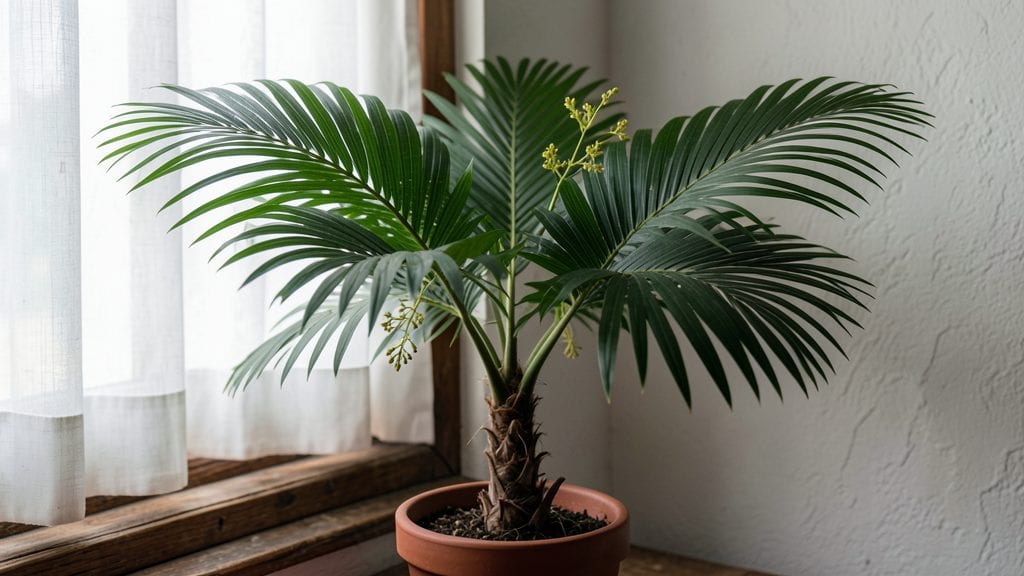
Palm tree shrubs bring instant tropical drama to gardens that never see real palms. 🌴 I planted mine last spring, and the way they sway in summer breezes—even in zone 6—makes my backyard feel like a coastal escape.
These aren't your grandma's boring evergreens; they're the bold statement plants that turn privacy screens into postcard-worthy backdrops.
The secret lies in pairing cold-hardy palms like Trachycarpus fortunei with shrubs that share their love for sun and shelter. Think dwarf pittosporum for glossy contrast or inkberry holly for year-round structure.
My combo stays lush through snow, and the layered textures create depth without overwhelming small spaces. You'll get that "I'm on vacation" vibe without the travel costs.
By summer, you'll have a 10-foot-tall living wall that blocks nosy neighbors while letting light filter through. The fronds catch the light at golden hour, and the shrubs soften the architectural lines.
Best of all? This works in containers too—perfect for patios or urban yards where digging isn't an option. Let's design your tropical oasis.
Whether you're going for full-on beach house vibes or just want a low-maintenance screen, these plants adapt. Mix in some orange-blossom viburnum for fragrance or dwarf nandina for pops of color.
The key is keeping the height ratios balanced—tall palms anchor the look while shorter shrubs add dimension. Ready to transform your yard?
📚 In This Guide
- What you need
- Instructions
- Tips and common mistakes
- Wrapping up and next steps
What you need
- ● Palm tree shrubs: Choose cold-hardy varieties like Chamaedorea elegans (Parlor Palm) or Dypsis lutescens (Areca Palm). Buy 3–5 mature plants (3–5 ft tall) for a lush privacy screen.
- ● Well-draining potting mix: 10–15 gallons (for containers) or blend equal parts garden soil, perlite, and compost for in-ground planting.
- ○ Containers (optional but recommended for cooler zones): Large fiberglass or plastic pots (15–20 gallons each) with drainage holes.
- ○ 3–5 pots (one per shrub) + casters or wheels (optional, for mobility).
- ● Slow-release fertilizer: 10–20 lbs of balanced 10-10-10 or palm-specific fertilizer (apply at planting and mid-season).
- ● Mulch: 2–3 bags of pine bark or coconut coir (3–4 inches deep) to retain moisture and insulate roots.
- ● Garden trowel or spade (for digging holes or repotting).
- ● Pruning shears (sharp, bypass-style for clean cuts).
- ● Gloves (heavy-duty for handling soil and sharp edges).
- ● Watering can or hose with a gentle spray nozzle (palms hate soggy roots!).
- ○ pH tester kit (optional but helpful—ideal soil pH: 6.0–7.5).
- ● Burlap or frost cloth (for winter protection in zones < 9b).
- ● Sunlight: Bright, indirect light (6+ hours daily). South- or west-facing spots work best.
- ● Temperature: Hardy to 15–25°F (with protection), but avoid frost exposure.
- ● Water access: Drip irrigation or a watering schedule (keep soil consistently moist but not waterlogged).
- ● Space: 5–10 feet apart for mature shrubs (or 3–5 ft in containers).
How to plant and maintain palm tree shrubs for year-round privacy
Here's how to create that lush, tropical privacy screen that thrives even in cooler climates.
🌱 Step 1: Select the Right Palm Shrubs for Your Climate
Not all palms handle cooler temperatures equally. For year-round privacy in zones 7-10, I recommend cold-hardy varieties like needle palm (Rhapidophyllum hystrix) or Chinese windmill palm (Trachycarpus fortunei). These tolerate brief dips to 10°F without damage, though they may need winter protection in marginal zones.
Check your hardiness zone and plant in groups of 4-6 shrubs for a dense screen. Space them 6-8 feet apart—closer spacing creates quicker coverage but may require more pruning later. I always plant in odd-numbered clusters (like 5 or 7) for a natural, asymmetrical look that feels more organic.
🪴 Step 2: Prepare the Planting Site for Optimal Growth
Palm shrubs thrive in well-draining soil with a slightly acidic to neutral pH (6.1-7.5). If your soil is heavy clay, amend with 2-3 inches of compost mixed into the top 12 inches of soil. Avoid fresh mulch directly against the trunk—keep it 6 inches away to prevent rot.
Dig holes twice as wide as the root ball but only as deep. The top of the root ball should sit 1-2 inches above ground level—this prevents water pooling around the base. Water the hole thoroughly before planting to settle the soil and remove air pockets.
☀️ Step 3: Plant and Establish for Long-Term Privacy
Place each shrub in its hole and backfill with native soil mixed with 10% compost. Tamp gently around the edges to eliminate air gaps but don't compact the soil. Water deeply immediately after planting to help roots settle into place—aim for 1 gallon per shrub.
Mulch the base with 2-3 inches of pine bark or cypress mulch (avoid cedar chips, which can inhibit growth). This conserves moisture, regulates soil temperature, and discourages weeds. Keep mulch clear of the trunk to prevent disease. Within 2-3 years, your screen will fill in completely if planted correctly.
💧 Step 4: Water and Fertilize for Healthy Growth
Newly planted palms need 1-2 inches of water weekly during the first growing season. After establishment, they're drought-tolerant but look best with consistent moisture. Water deeply at the base rather than overhead to protect fronds from fungal diseases. You'll know moisture is right when the top 2 inches of soil feel damp.
Fertilize in early spring with a slow-release palm fertilizer (look for one with higher potassium than nitrogen). Apply according to package rates—over-fertilizing causes salt buildup that burns roots. I use a 12-4-8 ratio formula for balanced growth without excessive frond production.
✂️ Step 5: Prune and Maintain for Year-Round Appeal
Remove dead or yellowing fronds at the base as they appear—never pull them off, as this can damage the crown. Use clean, sharp pruners to cut fronds 6 inches below the base where they attach to the trunk. This keeps the plant looking tidy while allowing new growth to emerge from the center.
In cooler climates, wrap young trunks with burlap or frost cloth during winter to protect from below 20°F temperatures. Older palms handle cold better, but new growth is most vulnerable. Prune lightly in late winter to shape the screen and encourage dense foliage for that tropical privacy effect.
Tips & tricks for perfect palm tree shrubs privacy screen
Creating a lush tropical privacy screen with palm shrubs takes thoughtful planning—here are my proven strategies to ensure success.
Climate Selection Strategy: When choosing palm varieties in Step 1, consider microclimates within your property. The needle palm thrives in partial shade, while Chinese windmill palm prefers full sun. I've seen windmill palms struggle in shady spots—place them where they'll receive at least 6 hours of direct sunlight daily. For marginal zones (6-7), consider adding a 10-15% winter protection with burlap wraps even after establishment.
Soil Preparation Secret: In Step 2, don't overlook the importance of proper drainage. If your soil is particularly heavy, create raised beds 12-18 inches high to prevent waterlogging. I've found that adding 1 part perlite to the compost mixture (20% of the total) improves drainage without compromising nutrient content. This is especially important in cooler climates where water can pool around the base during winter thaw.
Planting Configuration Tip: For Step 3, when arranging your 4-6 shrub clusters, stagger the planting dates by 2-3 weeks between groups. This creates a more natural, layered appearance as different plants mature at slightly different rates. I also recommend planting the tallest varieties toward the back of your screen to maintain that tropical illusion from any viewing angle.
Winter Protection Upgrade: The instructions mention 20°F protection, but I've learned that adding 2-3 inches of straw mulch around the base in late fall provides an extra layer of insulation. For particularly vulnerable varieties, wrap the entire plant (including fronds) in breathable frost cloth during extreme cold snaps below 10°F. This prevents frost damage to emerging fronds while still allowing light and air circulation.
Pro Tips for Palm Tree Shrubs
- Creating a lush tropical privacy screen with palm shrubs takes thoughtful planning—here are my proven strategies to ensure success.
- Climate Selection Strategy: When choosing palm varieties in Step 1, consider microclimates within your property.
- Soil Preparation Secret: In Step 2, don't overlook the importance of proper drainage.
Frequently asked questions
Can palm tree shrubs survive in cold climates?
Most palm tree shrubs (like Chamaedorea elegans or Dypsis lutescens) thrive in USDA zones 9-11 but can be grown in cooler areas with proper care. Use containers for mobility, protect roots with mulch, and bring potted plants indoors when temperatures drop below 30°F (-1°C). Hardier dwarf varieties (e.g., Rhapis excelsa) tolerate 15°F (-9°C) with frost cloth.
How do I winterize palm tree shrubs?
Start by watering deeply before the first frost to prevent root damage. Wrap the trunk with burlap or frost cloth, and mound mulch (straw or pine needles) around the base. For potted palms, move them to a bright, cool indoor spot (50–60°F / 10–15°C) away from drafts. Never let soil freeze—use a heating mat if needed.
Are there non-palm alternatives for tropical privacy?
Yes! If palms aren’t your style, try these low-maintenance, cold-tolerant shrubs:
- Loropetalum (Fringe Flower) – Thrives in zones 7–9, evergreen with vibrant foliage.
- Boxwood (Buxus) – Dense, hardy to zone 5, and great for hedges.
- Holly (Ilex) – Evergreen with glossy leaves; some varieties tolerate 10°F (-12°C).
- Camellia – Lush, tropical-looking, and cold-hardy to zone 7.
How often should I fertilize palm tree shrubs?
Feed palm tree shrubs every 6–8 weeks during spring and summer with a balanced, slow-release fertilizer (e.g., 8-3-9 or 6-6-6). In fall, switch to a low-nitrogen, high-potassium blend (like 3-1-2) to encourage root growth. Avoid fertilizing in winter—palms rest then! Pro tip: Flush soil annually with water to prevent salt buildup.
Why are my palm tree shrub leaves turning yellow?
Yellowing leaves usually signal overwatering, underwatering, or nutrient issues. Check soil moisture—palms prefer consistently moist (not soggy) soil. Brown tips? Low humidity or fluoride buildup (common in tap water). Yellow patches with black spots? Fungal disease—prune affected areas and improve airflow. Pro tip: Test soil pH (ideal: 5.5–7.0) and adjust with lime or sulfur if needed.
Wrapping up and next steps
Transforming your outdoor space into a lush, tropical retreat—even in cooler climates—is totally within reach with palm tree shrubs! These versatile plants offer year-round privacy, beauty, and low-maintenance charm, making them the perfect addition to patios, gardens, or entryways.
Whether you're a seasoned gardener or a beginner, their adaptability ensures success with minimal effort.
Ready to bring that island vibe home? Start by choosing the right variety for your climate and space, then plant with confidence. Your dream privacy screen is just a few steps away—go ahead and make it happen! 🌴✨