
Pruning
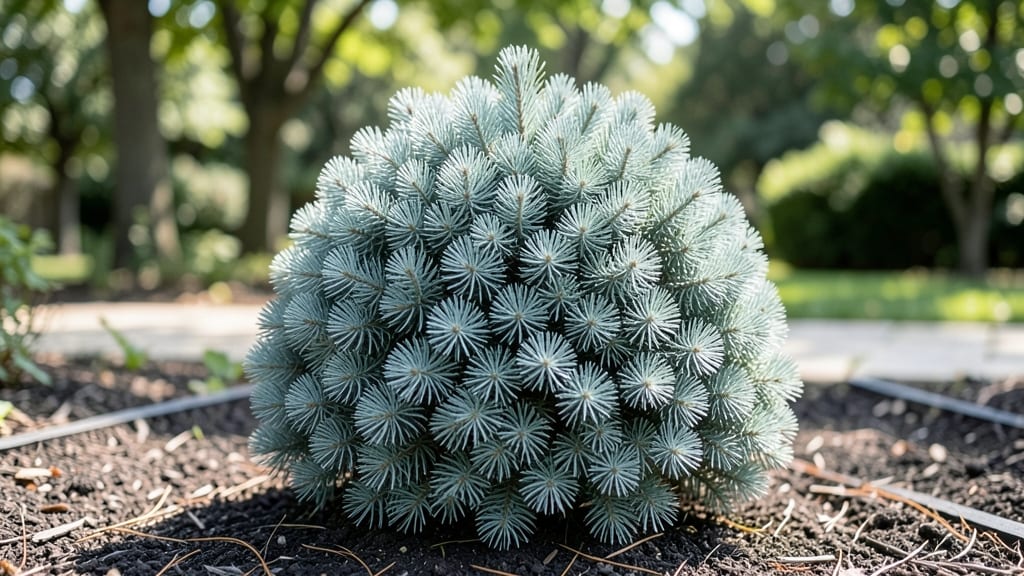
Growing a miniature fir tree is like bringing a tiny forest into your yard—its glossy needles and compact shape make it the perfect evergreen for small gardens, containers, or even cozy indoor corners. 🌲 The key to success lies in mimicking its natural habitat: well-draining soil, bright but indirect light, and consistent moisture without soggy roots.
My first one took root in a 15-gallon container on my balcony, and within a year, it became the star of my outdoor space.
The beauty of these dwarf varieties is their versatility—whether you want a year-round privacy screen along a fence or a striking centerpiece in a pot, they deliver lush greenery without the bulk.
They thrive in partial sun, making them ideal for shady spots where other plants struggle, and their slow growth means minimal pruning. The real magic happens when you see those vibrant blue-green needles stay vibrant even in winter, proving they’re built to last.
You’ll love how low-maintenance they are once established—just water when the top inch of soil feels dry and give them a light trim in early spring to encourage dense growth.
Over time, their natural shape becomes more pronounced, creating that picturesque, fairy-tale look without requiring constant shaping. Perfect for gardeners who want beauty with minimal fuss.
Whether you’re placing yours in the ground, a large pot, or even a decorative container, these trees adapt beautifully to different settings. Just remember: they prefer cooler roots, so avoid planting in hot, dry spots.
With the right care, your miniature fir will stay healthy, vibrant, and full of character for decades.
📚 In This Guide
- What you need
- Instructions
- Tips and common mistakes
- Wrapping up and next steps
What you need
- ● Miniature fir trees (or dwarf conifers): 3–12 plants (depending on desired height and density). Opt for Picea pungens 'Glauca Globosa' (Colorado Blue Globe) or Thuja occidentalis 'Smaragd' (Smaragd Arborvitae) for compact, evergreen options.
- ● Potting soil: 5–10 gallons of well-draining, peat-based mix (e.g., Miracle-Gro Potting Mix or Pro-Mix BX).
- ● Garden containers: 1–3 large pots (12–18 inches in diameter) or a long, narrow planter (e.g., 24"L x 6"W x 12"H) for a linear screen.
- ● Slow-release fertilizer: 1–2 packets (e.g., Osmocote Smart-Release Plant Food) to nourish roots for months.
- ● Mulch: 1–2 bags of pine bark nuggets or cypress mulch to retain moisture and suppress weeds.
- ● Garden trowel or spade: For planting and soil prep.
- ● Gloves: Heavy-duty work gloves to protect hands from soil and sharp branches.
- ● Pruning shears: Bypass pruners (e.g., Fiskars Ergo) for shaping and trimming.
- ● Measuring tape: To ensure even spacing between plants (aim for 12–18 inches apart for a dense screen).
- ● Watering can or hose: With a gentle spray nozzle for post-planting hydration.
- ○ Optional: Decorative stones or gravel for a polished look.
- ● Stakes or plant ties if windy conditions are expected.
- ● A spray bottle for misting seedlings (if starting from cuttings).
How to plant and maintain miniature fir trees for privacy
These tiny evergreens pack big privacy power—here’s how to plant them right for dense, year-round coverage.
🌱 Step 1: Choose the Perfect Location and Spacing
Miniature firs thrive in partial shade to full sun, but avoid harsh afternoon rays that scorch their delicate needles. I like to plant mine along fences or property lines where they’ll get 4-6 hours of morning sun and afternoon dappled light. For a 4-foot-tall screen, space plants 3-4 feet apart—this gives them room to fill in over time without overcrowding.
Check the soil depth where you’ll plant. Miniature firs hate soggy roots, so avoid low spots where water pools. If your soil drains poorly, amend it with 2-3 inches of compost mixed into the top 12 inches of soil. This improves drainage while keeping moisture consistent—critical for these shallow-rooted trees.
🪴 Step 2: Dig Holes and Plant With Care
Dig holes twice as wide as the root ball but no deeper. This prevents the tree from sitting too low, which can rot the trunk. Gently remove the fir from its container and loosen any circling roots—you’ll see them wrapped around the edges. Tease them apart with your fingers so they spread outward naturally.
Place the tree in the hole so the top of the root ball sits 1 inch above ground level. This ensures the tree doesn’t settle too deeply over time. Fill the hole with soil, pressing lightly around the edges to remove air pockets. Water deeply right after planting—1 gallon per tree—to help the roots settle into the soil.
☀️ Step 3: Mulch and Water for Strong Growth
Spread 2-3 inches of mulch (like pine bark or shredded leaves) around the base of each tree, keeping it 3 inches away from the trunk. Mulch conserves moisture and regulates soil temperature, which is especially helpful in hot summers. I avoid thick mulch layers—too much can smother the roots and trap excess moisture.
Water 2-3 times per week for the first month, then taper to once a week once established. You’ll know it’s time to water when the top 2 inches of soil feel dry. Overwatering is the biggest mistake—these trees hate wet feet. If your area gets heavy rain, reduce watering to prevent root rot.
✂️ Step 4: Prune and Maintain for Density
Miniature firs need minimal pruning—just remove any dead or damaged branches in early spring. I use clean, sharp pruners to make cuts just above a healthy bud. Avoid heavy pruning; these trees grow slowly, and over-pruning can stunt their growth. Focus on shaping only if the tree develops uneven growth.
Fertilize lightly in early spring with a balanced, slow-release fertilizer (like 10-10-10). Spread it 6 inches away from the trunk and water it in. Too much fertilizer burns the roots, so follow the package instructions closely. After the first year, you can reduce fertilization to once every 2 years—these trees are low-maintenance once established.
⏰ Step 5: Protect and Enjoy Year-Round
In winter, miniature firs handle cold well but may need protection from salt spray if you live near roads. A light application of anti-desiccant spray (like Wilt-Pruf) keeps needles from drying out. If you’re in a windy area, consider wrapping young trees in burlap during harsh storms to prevent needle loss.
Watch for pests like spider mites or bagworms—these trees are tough but not invincible. If you spot webbing or discolored needles, treat with neem oil or insecticidal soap. With proper care, your miniature fir screen will fill in beautifully, offering year-round privacy without taking up much space.
Tips & tricks for perfect miniature fir tree planting
Here's what nobody tells you about getting these privacy powerhouses to thrive—small details that make all the difference.
Location is Everything: That 4-6 hours of morning sun is non-negotiable for healthy growth. I've learned the hard way—planting mine in full afternoon sun scorched the needles within weeks. Test your spot by observing how much direct sun it gets during the warmest part of the day before committing. For extra protection, consider a sheer curtain on the west side of your property if you can't avoid afternoon exposure.
Root Ball Rescue: When you remove those circling roots in Step 2, don't just yank them—gently tease them apart with your fingers like untangling headphones. I once planted a miniature fir without loosening the roots, and it struggled for two full growing seasons. The goal is to encourage outward growth, not keep them trapped in their container shape. If roots are particularly tight, soak the root ball in water for 10 minutes before planting to help loosen them.
Mulching Magic: That 2-3 inches of mulch isn't just decoration—it's your moisture and temperature regulator. I use pine bark mulch because it mimics the natural forest floor these trees evolved in. The 3-inch clearance from the trunk prevents vole damage (they love to chew young trunks) and allows air circulation. Pro tip: Refresh your mulch layer every spring—over time, it breaks down and loses its insulating properties.
Watering Wisdom: The top 2 inches of soil being dry is your best indicator, but don't rely solely on your finger. I keep a soil moisture meter handy for the first month—it's the only way to be sure you're not overwatering. In clay soil, you might need to water every other day during the first month, while sandy soil could require daily watering. The key is consistent moisture without soggy roots—these trees are more likely to drown than thirst.
Pro Tips for Miniature Fir Tree
- Here's what nobody tells you about getting these privacy powerhouses to thrive—small details that make all the difference.
- Location is Everything: That 4-6 hours of morning sun is non-negotiable for healthy growth.
- Root Ball Rescue: When you remove those circling roots in Step 2, don't just yank them—gently tease them apart with your fingers like untangling headphones.
Frequently asked questions
How tall can a miniature fir tree realistically grow?
A well-maintained miniature fir tree typically reaches 6–12 feet tall at maturity, depending on the variety (e.g., Picea pungens 'Glauca Globosa' stays compact). Pruning in late winter or early spring keeps it in check while encouraging fullness. Pro tip: Start pruning young to shape it early!
How long does it take for a miniature fir tree to provide privacy?
Expect 3–5 years for noticeable privacy, as growth averages 6–12 inches per year. For faster results, plant 3–5 trees in a row at staggered heights. Patience pays off—once established, these trees thrive for decades with minimal care!
Can I grow a miniature fir tree in a container?
Choose a large container (at least 20 gallons) with drainage holes and use a well-draining potting mix. Dwarf varieties like Picea 'Little Gem' adapt well, but repot every 2–3 years to prevent root binding. Winter care: Move containers indoors or wrap in burlap if temps drop below 10°F.
How do I prune a miniature fir tree to keep it dense?
Prune in late winter or early spring before new growth starts. Use clean, sharp shears to trim back 1/3 of the previous year’s growth and shape as needed. Avoid over-pruning—fir trees rely on inner branches for density. Pro tip: Step back often to check symmetry!
What pests or diseases should I watch for?
Miniature fir trees are hardy but can attract spider mites, aphids, or bagworms. Inspect foliage regularly—neem oil or insecticidal soap works for mild infestations. Root rot is a risk if soil stays soggy; ensure proper drainage. Prevention: Space trees for airflow and mulch 3 inches away from the trunk.
Are there alternatives if I want a smaller or faster-growing screen?
Consider dwarf conifers like Thuja 'Emerald Green' (arborvitae) or Chamaecyparis 'Blue Rug' for low-maintenance options. For faster growth, try Bamboo (Fargesia)—it’s clumping (not invasive) and reaches 6–10 feet in 3–5 years. Bonus: Both thrive in small spaces!
Wrapping up and next steps
A miniature fir tree is the perfect solution for adding lush, evergreen privacy to small spaces—without sacrificing charm or space! Whether you’re a beginner or a seasoned gardener, these compact beauties offer year-round greenery, low maintenance, and endless styling possibilities.
With the right pruning techniques and care, you’ll enjoy a thriving privacy screen that feels like a cozy, natural retreat.
Ready to transform your space? Start by choosing your favorite variety, gather your tools, and get pruning! Your dream green oasis is just a few snips away—happy gardening! 🌲✨