
Pruning
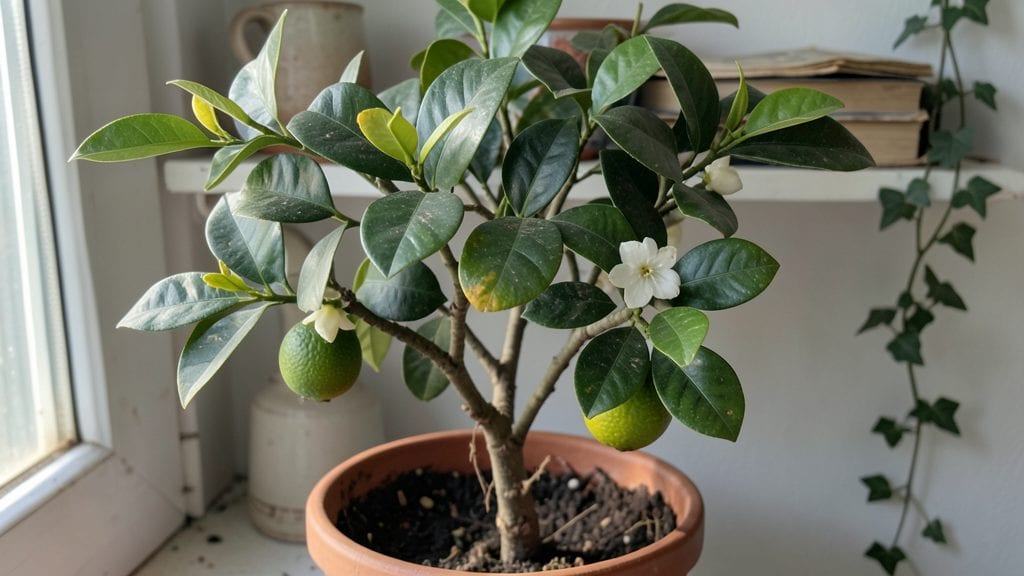
Growing an orange tree indoors isn’t just possible—it’s a rewarding way to enjoy fresh fruit year-round, even in small spaces. 🌱 My first attempt with a Meyer lemon tree sparked this obsession, and now I’ve got a dwarf orange tree that’s produced fruit for three winters in a row.
The key isn’t magic; it’s matching the right variety to your space and understanding what citrus really needs to thrive indoors.
You’ll need a dwarf variety like ‘Calamondin’ or ‘Meyer’ (both stay under 6 feet tall), a pot with drainage at least 12 inches wide, and well-draining soil mixed with perlite. Light is critical—south-facing windows or a grow light for 12-14 hours daily keeps leaves vibrant and encourages fruiting.
Most beginners overwater, so let the top inch of soil dry out between waterings, and boost humidity with a pebble tray or occasional misting. Pruning isn’t just about shape—it’s about airflow and light penetration, which we’ll tackle step-by-step.
By spring, you’ll see glossy new leaves and—with patience—tiny orange blossoms that develop into fruit. The first harvest might be small, but each year the tree matures, producing more citrus that tastes sweeter than anything store-bought.
The scent of those blossoms alone makes the effort worth it, and the pride of growing your own fruit in winter is unmatched. Let’s get your tree thriving from day one.
This method works for apartments, sunrooms, or even kitchens with good light. We’ll cover troubleshooting yellow leaves, pests, and why your tree might drop fruit—plus how to keep it productive for decades. Ready to grow your own sunshine?
📚 In This Guide
- What you need
- Instructions
- Tips and common mistakes
- Wrapping up and next steps
What you need
- ● Orange tree (Citrus sinensis) – Choose a dwarf variety (like ‘Meyer lemon’ or ‘Calamondin’) for indoor success. A 3–5 gallon pot is ideal for young trees.
- ● Well-draining potting mix – Use a blend of cactus/succulent soil (60%) + perlite or pumice (30%) + compost (10%). Avoid heavy garden soil!
- ● Drainage tray or cache pot – Prevents root rot by catching excess water.
- ● Pruning tools – Sharp bypass pruners (for branches) + sterilized scissors (for fine trimming).
- ● Balanced citrus fertilizer – Look for a 6-6-6 or 10-10-10 NPK ratio (organic options like fish emulsion work too!).
- ● Humidity tray or pebble tray – Mimics tropical conditions (especially in dry climates).
- ● Grow lights (LED, full-spectrum) – 12–14 hours of light daily if natural sunlight is limited.
- ● Root stimulator – Helps with repotting or root pruning (like mycorrhizal fungi or seaweed extract).
- ● Spray bottle – For gentle leaf misting (if humidity is low).
- ○ Pruning sealant – Optional for sealing large cuts to prevent disease.
Step-by-Step instructions for growing an orange tree indoors
Here's how I've grown healthy, fruit-bearing orange trees indoors—no greenhouse needed.
🪴 Step 1: Choose the Right Container and Soil Mix
Start with a 12-15 inch diameter pot with drainage holes—orange trees need room to grow and hate soggy roots. I use a mix of 60% potting soil, 20% perlite, and 20% coarse sand for perfect drainage. The perlite keeps roots aerated while the sand prevents compaction.
Fill the pot halfway with your mix, then place the tree's root ball in the center. The top of the root ball should sit 1-2 inches below the rim—this prevents top-heavy instability. Tap the pot gently to remove air pockets, then fill the remaining space with more mix, pressing lightly around the edges.
☀️ Step 2: Position for Maximum Light and Warmth
Orange trees need 6-8 hours of direct sunlight daily, so place your tree near a south-facing window or under grow lights. If natural light is weak, supplement with 12-14 hours of artificial light from a full-spectrum LED bulb. You'll know the light is right when the leaves stay deep green and the tree grows steadily.
Keep the room at 65-75°F—colder drafts stress the tree, while heat above 85°F can scorch leaves. A simple trick: Place the pot on feet or a saucer to protect roots from cold drafts while allowing airflow around the base.
💧 Step 3: Water Deeply and Prune for Shape
Water when the top 2 inches of soil feel dry—stick your finger in to check. Pour water slowly until it drains from the bottom, then empty the saucer after 10 minutes to avoid root rot. Overwatering is the #1 killer of indoor citrus, so I always wait until the soil is dry before adding more.
Prune in late winter or early spring to encourage fruit production. Use clean, sharp pruners to cut back overly long branches by ⅓ of their length. Focus on removing crossing branches and dead wood—this opens the canopy for better light penetration and air circulation. Seal cuts with pruning sealant to prevent disease.
✂️ Step 4: Fertilize and Encourage Flowering
Feed your tree every 4-6 weeks in spring and summer with a balanced citrus fertilizer (10-10-10 or 8-3-9). I mix it at half-strength to avoid burning roots. Stop fertilizing in fall and winter—the tree needs rest to set fruit. You'll see new growth within 2-3 weeks of fertilizing if the tree is healthy.
To encourage flowering, move the tree to a cooler spot (55-60°F) for 2-3 weeks in late winter. This mimics the natural temperature drop that triggers blooms. Once flowers appear, protect them from drafts—even a slight breeze can drop them before they set fruit.
🍊 Step 5: Harvest and Overwinter for Next Year
Orange fruit is ready when it turns deep orange and feels slightly soft when gently squeezed. Twist gently to harvest—don’t pull, or you’ll damage the branch. Store ripe fruit at room temperature for up to 2 weeks or refrigerate for longer storage.
In late fall, reduce watering slightly and stop fertilizing. Prune again to remove weak or crowded branches, then move the tree to a bright, cool spot (50-60°F) until spring. This resting period ensures a strong, healthy tree ready for another year of fruit.
Tips & tricks for growing an indoor orange tree
Here's what I've learned after years of growing fruit-bearing orange trees indoors—these tricks make all the difference between a struggling plant and a thriving citrus tree.
Soil Mix Matters: In Step 1, don't skip the perlite and sand—they're not just filler. The perlite creates tiny air pockets that prevent root rot, while the sand mimics the well-draining conditions orange trees love in their native habitats. I've found that adding a handful of worm castings to your soil mix gives a gentle nutrient boost without overwhelming the tree.
Light Is Everything: The 6-8 hours of direct sunlight in Step 2 is non-negotiable. If your tree isn't getting enough light, you'll notice leaves turning yellow or growing pale. For winter months when sunlight is weak, I move my tree directly under my grow lights for those extra 12-14 hours. A simple trick: Rotate your tree quarter-turn weekly so all sides get equal light exposure.
Pruning Precision: When you're pruning in Step 3, aim to cut branches at a 45-degree angle just above a leaf node. This encourages new growth in the right direction. I always sterilize my pruners with rubbing alcohol between cuts to prevent spreading disease. And remember—when you're cutting back by ⅓, you're not just shaping the tree, you're encouraging it to produce more fruit next season.
Temperature Transitions: The temperature shifts in Steps 2 and 4 are crucial. That 65-75°F range during growth and the 55-60°F drop to encourage flowering mimic natural seasonal changes. I've found that using a small space heater near the tree (but not too close!) helps maintain consistent warmth during winter when indoor temps often drop below 65°F.
Pro Tips for Orange Tree Indoor
- Here's what I've learned after years of growing fruit-bearing orange trees indoors—these tricks make all the difference between a struggling plant and a thriving citrus tree.
- Soil Mix Matters: In Step 1, don't skip the perlite and sand—they're not just filler.
- Light Is Everything: The 6-8 hours of direct sunlight in Step 2 is non-negotiable.
Frequently asked questions
Got questions about growing an orange tree indoors?
You’re not alone! Here are some of the most common concerns—and their solutions—to help you cultivate a thriving citrus tree year-round.
Can I grow an orange tree indoors from seed?
Yes, but expect a long wait! Seed-grown trees take years to bear fruit (5–10+ years). For faster results, opt for a dwarf citrus tree (like Citrus × aurantium) or a grafted variety from a nursery. Patience is key—indoor citrus is a marathon, not a sprint!
How often should I water my indoor orange tree?
Water when the top 1–2 inches of soil feel dry (about once a week in summer, less in winter). Overwatering is the #1 killer—yellow leaves or soggy soil? Cut back! Use a well-draining pot with drainage holes, and avoid letting roots sit in water. Pro tip: Stick your finger in the soil to check moisture levels!
Why isn’t my indoor orange tree fruiting?
Indoor citrus trees often skip fruit due to lack of sunlight, stress, or age. Ensure it gets 6+ hours of bright, indirect light (south-facing window or grow lights). Young trees (<3 years old) may not fruit yet. Boost chances by hand-pollinating with a small brush (if flowers appear) and fertilizing monthly with citrus-specific food.
When and how should I prune my indoor orange tree?
Prune in late winter or early spring (before new growth) to shape the tree and improve airflow. Use clean, sharp shears to trim back overgrown branches by ⅓. Avoid heavy pruning in fall—it stresses the tree. Pro tip: Prune just above a leaf node (the bump where leaves grow) for healthier regrowth.
What pests should I watch for on my indoor orange tree?
Common culprits include spider mites, scale, and aphids. Check leaves regularly for sticky residue (honeydew) or tiny webs. Treat mild infestations with insecticidal soap or neem oil. For stubborn pests, isolate the tree and repeat treatments every 5–7 days. Preventative tip: Wipe leaves with a damp cloth weekly to deter pests!
Can I move my orange tree outside in summer?
Acclimate it gradually (start with 1–2 hours of shade, then increase exposure over 2 weeks). Avoid harsh sun or cold drafts. If you move it outside, watch for pests or fungal issues (like powdery mildew). Bring it back indoors before temps drop below 50°F (10°C) to prevent shock.
Wrapping up and next steps
Growing an orange tree indoors is a rewarding journey that brings fresh citrus to your table year-round! With the right care—like smart pruning, ample sunlight, and consistent watering—you’ll enjoy luscious fruit and a thriving plant.
Don’t let challenges discourage you; every gardener starts somewhere, and your efforts will pay off in sweet, homegrown oranges.
Ready to take the next step? Start small—whether it’s repotting your tree or experimenting with pruning techniques. Share your progress, ask questions, and celebrate every leaf and blossom along the way. Happy growing! 🌱🍊