
Trees
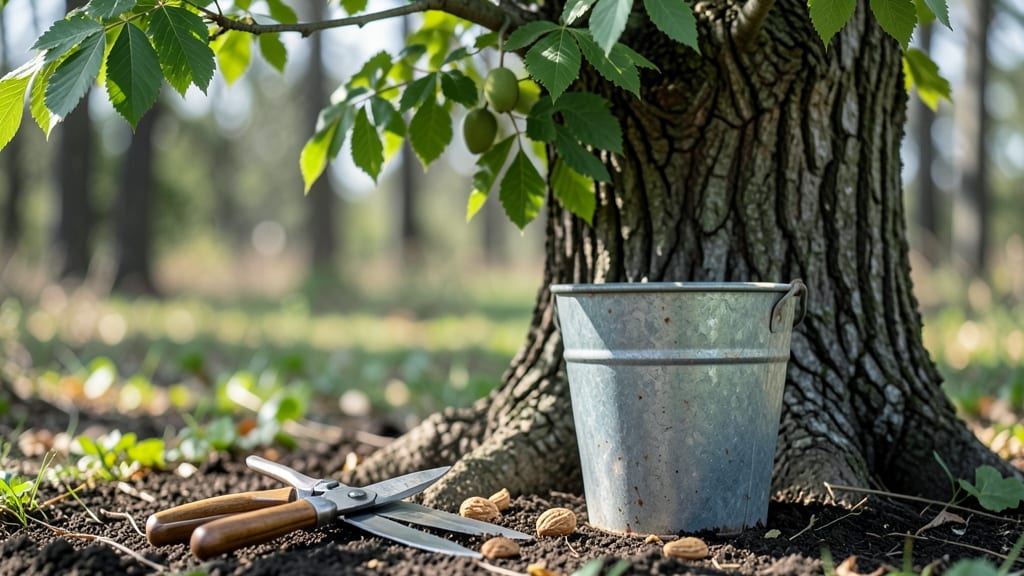
Growing nut trees in Indiana means tapping into a treasure trove of hardy varieties that thrive in your state's unique mix of clay-heavy soil and shifting seasons. 🌳 I've watched black walnuts crack open in my backyard and hickory nuts drop like nature's candy—both perfect for Indiana's zones 5 through 8.
The key isn't just picking the right species, but understanding how to prep the soil and time your planting for maximum success.
Indiana's native black walnut and butternut trees are your best bets for low-maintenance harvests, while pecans and English walnuts need a little extra care but reward you with premium nuts.
You'll want well-draining soil (amend that clay if needed) and full sun exposure—most nut trees demand at least 6 hours of sunlight daily. Spacing matters too: give hickories 30-40 feet between plants, while walnuts can handle 20-30 feet apart.
By year three, you'll see those first nut clusters forming, and with proper pruning and watering (especially during dry spells), your trees will produce reliable harvests for decades.
The real payoff comes in fall when you're cracking open homegrown walnuts or making hickory nut butter—nothing beats the flavor of Indiana-grown nuts. Let's get those roots in the ground!
Local nurseries like Hoosier Hilltop Nursery or Indiana Native Plant Society affiliates carry well-adapted varieties, and your county extension office can provide soil tests to fine-tune your planting strategy. Whether you're aiming for shade trees or nut production, Indiana's climate actually works in your favor for these hardy giants.
📚 In This Guide
- What you need
- Instructions
- Tips and common mistakes
- Wrapping up and next steps
What you need
- ● Nut tree saplings: Choose 3–5 hardy varieties suited for Indiana (e.g., black walnut, hickory, pecan, or butternut). Opt for 1–2-year-old bare-root or container-grown trees from a reputable nursery.
- ● Shovel or tree spade: A round-point shovel (18–24" wide) for digging holes or a tree spade (24–36" diameter) for minimal root disturbance.
- ● Compost or well-rotted manure: 5–10 gallons to enrich planting soil (avoid fresh manure—it can burn roots!).
- ● Mulch (wood chips or straw): 2–3 inches to retain moisture and suppress weeds (keep mulch 3–6 inches away from the trunk).
- ● Watering can or hose with nozzle: A 5-gallon capacity or soaker hose for deep watering.
- ○ Tree stakes & ties (optional but recommended): 2–3 stakes per tree (if planting in windy areas) and soft fabric ties to avoid trunk damage.
- ● Pruning shears: Bypass pruners (7–9" blades) for shaping young trees.
- ● Soil test kit or local extension service report: To check pH (ideal: 6.0–7.5) and nutrient levels before planting.
- ● Mycorrhizal fungi: A powder or granular inoculant to boost root health (especially for walnut and hickory).
- ● Tree guard or hardware cloth: To protect young saplings from deer, rabbits, or voles.
- ● Slow-release fertilizer: Balanced 10-10-10 or organic options (apply 6–8 weeks after planting).
- ● Drip irrigation system: For automated watering during dry spells.
- ● Garden gloves & knee pads: For comfort during planting and maintenance.
Step-by-step guide to planting nut trees in Indiana
Indiana’s climate and soil make it perfect for growing hardy nut trees—here’s how to get started.
🌱 Step 1: Choose the Right Nut Tree Varieties for Indiana
Indiana’s USDA Hardiness Zones 5-6 support several excellent nut trees. Black walnut, shagbark hickory, and pecan thrive here, while butternut and chestnut offer unique flavors. I always check the Indiana Department of Natural Resources recommendations for local adaptations—some varieties handle Indiana’s hot summers and cold winters better than others.
Black walnut, for example, tolerates Indiana’s clay-heavy soils, while pecans prefer slightly sandy loam. If your soil is heavy, amend with compost before planting. Avoid walnut trees if you have apple or tomato plants nearby—walnut roots release juglone, a chemical that stunts their growth.
🌿 Step 2: Prepare the Planting Site and Soil
Nut trees need full sun (6+ hours daily) and well-draining soil. Start by testing your soil’s pH—most nut trees prefer 6.0-7.5. If your soil is too acidic, add lime; if it’s too alkaline, work in sulfur or peat moss. I dig a hole twice as wide as the root ball but no deeper—this prevents root suffocation.
Loosen the soil at the bottom of the hole with a shovel or garden fork to encourage root spread. Mix the native soil with 2-3 inches of compost to improve fertility. Nut trees have deep roots, so avoid compacting the soil around the planting area. Water the hole thoroughly before placing the tree in.
🪴 Step 3: Plant Bare-Root or Container-Grown Saplings
For bare-root saplings, soak the roots in lukewarm water for 1-2 hours before planting to revive them. Position the tree so the top of the root ball sits 1-2 inches above ground level—this prevents rot when soil settles. Spread the roots outward gently, ensuring they’re not curled or bent.
Backfill the hole with the amended soil mixture, tamping it lightly every 2 inches to remove air pockets. Water deeply to settle the soil and eliminate gaps. Mulch around the base with 2-3 inches of wood chips or straw, keeping it 6 inches away from the trunk to prevent rot. A young nut tree’s roots need moisture, but the trunk must stay dry.
☀️ Step 4: Water and Fertilize for Strong Growth
Water newly planted nut trees once a week for the first month, then taper to every 2-3 weeks once established, unless there’s drought. Deep watering—1-2 inches per week—encourages deep root growth. Avoid overhead watering; instead, use a soaker hose or drip irrigation to keep leaves dry and prevent fungal diseases.
Fertilize in early spring with a balanced 10-10-10 fertilizer or one formulated for fruit trees. Apply it 6 inches away from the trunk and water it in immediately. Nut trees are slow growers, so don’t over-fertilize—too much nitrogen leads to weak wood and fewer nuts. I skip fertilizer the first year to let roots establish.
⏰ Step 5: Prune and Protect Young Trees
Prune in late winter or early spring before new growth starts. Remove any dead, diseased, or crossing branches first. Then, thin out branches to improve airflow and sunlight penetration. I aim for an open center—this reduces the risk of fungal issues and encourages stronger growth. Use clean, sharp pruners to make cuts just outside the branch collar.
Young nut trees are vulnerable to deer and rodents. Install a tree guard or wire cage around the trunk for the first few years. If you notice gnaw marks, wrap the trunk with tree wrap or hardware cloth to deter pests. Nut trees take 5-10 years to mature, so patience is key—consistent care now ensures a bountiful harvest later.
Tips & tricks for perfect nut tree planting in Indiana
A few key tricks will help your nut trees thrive in Indiana's unique climate and soil conditions.
Variety Selection Tip: When choosing between black walnut, shagbark hickory, and pecan, consider your soil type first. Black walnuts handle Indiana's clay-heavy soils beautifully, while pecans prefer slightly sandy loam. For butternut trees, look for varieties labeled "Indiana-adapted" - these have been bred to handle our hot summers and cold winters better. I always check with local nurseries for region-specific recommendations.
Soil Preparation Strategy: The 6.0-7.5 pH range is ideal, but Indiana's clay soils often need adjustment. For acidic soil, work in pelletized lime at a rate of about 50 pounds per 1,000 square feet - this gives you plenty of time to adjust before planting. When loosening the soil at the bottom of your planting hole, don't just scratch the surface - dig down at least 12 inches to encourage those deep roots to spread properly.
Planting Technique: That 1-2 hour soaking time for bare-root saplings is crucial - it revives the roots after dormancy. Here's a pro move: after soaking, gently shake the roots to remove excess water before planting. This prevents waterlogging that can cause rot. Also, when positioning your tree, make sure the graft union (that bump where the top meets the rootstock) is 2-3 inches above ground level - this prevents it from being buried and rotting.
Long-Term Care: The 6 inches away from the trunk rule for fertilizer application is important, but don't forget to create a small basin around your tree when you water. This directs moisture exactly where the roots need it. For mulch, I use a mix of wood chips and straw - the straw breaks down faster, adding organic matter, while the wood chips help retain moisture longer.
Pro Tips for Nut Trees Indiana
- A few key tricks will help your nut trees thrive in Indiana's unique climate and soil conditions.
- Variety Selection Tip: When choosing between black walnut, shagbark hickory, and pecan, consider your soil type first.
- Soil Preparation Strategy: The 6.0-7.5 pH range is ideal, but Indiana's clay soils often need adjustment.
Frequently asked questions
Got questions about growing nut trees in Indiana? You’re not alone! Here are some of the most common queries—plus straightforward answers—to help you get started on your nut-bearing adventure.
What are the best nut trees for Indiana’s climate?
Indiana’s humid continental climate (USDA Zones 5–6) favors hardy varieties like black walnut, pecan, hickory, and butternut. These thrive in the state’s soil and temperature swings. Avoid tropical nuts like macadamia—they won’t survive Indiana winters!
How long does it take for a nut tree to produce harvestable nuts?
Patience is key! Most nut trees take 3–7 years to bear fruit, depending on the species. Pecans and black walnuts often produce nuts by year 5–7, while hickory may take a decade. Young trees focus on root growth first—soak up nutrients and space them properly for long-term success.
Can I grow nut trees in containers, or do they need a yard?
While dwarf varieties (like some pecan or hickory cultivars) can thrive in large containers (15+ gallons), most nut trees need permanent ground space to spread roots and support their weight. If space is tight, opt for pollard-pruned trees or prioritize species like filbert (hazelnut), which adapt better to smaller areas.
What pests or diseases should I watch for in Indiana nut trees?
Indiana’s nut trees commonly face walnut husk fly (black walnuts), aphids, and bacterial leaf scorch. Prevention tips:
- Remove fallen husks/nuts promptly to deter pests.
- Use neem oil or insecticidal soap for early infestations.
- Choose resistant varieties (e.g., ‘Thomas’ pecan for scab resistance).
Are there low-cost or free ways to get nut tree saplings?
Yes! Check these budget-friendly options:
- Local nurseries: Often sell bare-root saplings in early spring (cheaper than potted trees).
- University extension programs: Indiana’s Purdue Extension sometimes offers discounted or free saplings for educational purposes.
- Seedling swaps: Join gardening groups (Facebook, Nextdoor) where folks share grafts or seeds.
- Wild harvesting: Collect nuts from native hickory or walnut trees (ensure they’re pest-free and plant them properly).
Wrapping up and next steps
Indiana’s climate and soil offer the perfect canvas for growing hardy nut trees like walnut, hickory, and butternut—adding beauty, shade, and delicious harvests to your landscape. 🌳 From selecting the right variety to proper planting and care, these trees thrive with the right knowledge and patience.
Whether you’re a seasoned gardener or a beginner, now’s the time to plant the seeds for success—literally and figuratively!
Ready to get started? Research local nurseries for saplings, sketch a planting plan, and take the first step toward a bountiful future. Your future self (and hungry squirrels!) will thank you. 😉