
Flowers
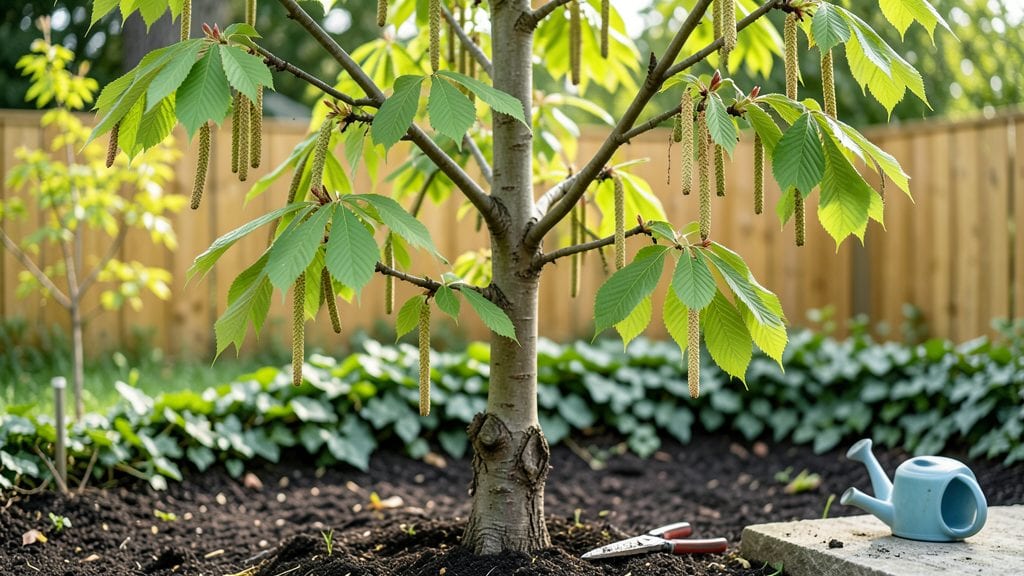
The black walnut tree flowers you’ve never noticed are the secret weapon for hummingbirds in early spring. 🌿 These delicate, catkin-like blooms appear before the leaves, offering nectar when few other flowers do—and they’re surprisingly hardy against late frosts.
I’ve watched hummingbirds flock to my tree in March, long before my garden wakes up.
What makes them special is their timing. The flowers bloom for just 2-3 weeks in early spring, but that’s exactly when hummingbirds need fuel after their long migration. Each tiny, yellow-green flower holds enough nectar to sustain a hummingbird’s journey, and the tree’s deep roots make it drought-tolerant once established.
Caring for them is simple: prune dead branches in late winter, avoid overwatering, and let the tree grow naturally. The flowers don’t need extra attention—they thrive on neglect.
By summer, those same flowers will develop into the nuts we all know, but the real magic happens in spring when the hummingbirds arrive.
Perfect for gardeners who want low-maintenance beauty and wildlife support. The flowers may be subtle, but their impact on pollinators is anything but—especially in colder climates where other blooms struggle.
📚 In This Guide
- What you need
- Instructions
- Tips and common mistakes
- Wrapping up and next steps
What you need
- ● Black walnut tree saplings or seeds: 1-2 healthy specimens (ensure they’re disease-free and locally adapted).
- ● Well-draining soil: Mix of topsoil, compost, and sand (ratio: 60% topsoil, 30% compost, 10% sand).
- ● Organic mulch: 2-3 inches of wood chips or shredded bark to retain moisture.
- ● Slow-release fertilizer: 10-10-10 or a balanced organic option (e.g., alfalfa meal).
- ○ Hummingbird-friendly companion plants: Optional but recommended—e.g., bee balm, columbine, or penstemon (3-5 plants).
- ● Garden shovel or spade: For digging planting holes (12-18 inches deep).
- ● Pruning shears: Sharp, bypass-style shears for trimming dead branches.
- ● Gloves: Heavy-duty work gloves to protect hands from sap and thorns.
- ● Watering can or hose with nozzle: For gentle, deep watering (1-2 gallons per tree, 2-3 times weekly).
- ○ pH testing kit: Optional but helpful—ideal soil pH for black walnut: 6.0-7.5.
- ○ Bird feeder (optional): Hummingbird feeder with 1:4 sugar-water ratio (refill weekly).
- ● Sunlight: Full sun (6+ hours daily) for optimal flower production.
- ● Space: Mature black walnut trees need 50+ feet of spacing (juglone sensitivity warning—keep away from fruit/vegetable gardens!).
- ● Climate zone: USDA Zones 4-9 (cold-hardy to -20°F!).
- ● Patience: Trees take 10-15 years to flower fully but reward with year-round blooms!
How to cultivate black walnut tree flowers for hummingbirds
Here's how I turn black walnut trees into a hummingbird magnet—without risking freeze damage.
🌱 Step 1: Select the Right Cultivar for Your Climate
Not all black walnut trees produce flowers that thrive in cold zones. Look for cold-hardy cultivars like 'Thomas' or 'Sibley' that survive down to USDA Zone 4. These varieties produce fragrant, yellow-green catkins in early spring—before leaves emerge—when hummingbirds are most active. I always check the tree's mature height too; the 40-foot 'Thomas' fits my yard better than the 60-foot standard type.
Plant in full sun (at least 6 hours daily) for maximum flower production. The tree's root system spreads aggressively, so give it 30 feet of clear space from other plants. Black walnut roots release juglone, a natural herbicide that stunts nearby plants—keep vegetables at least 50 feet away.
☀️ Step 2: Time Flowering for Hummingbird Arrival
Black walnut flowers appear in late April to early May in most regions, just as hummingbirds migrate north. To ensure timing aligns, plant in early spring (after last frost) so the tree establishes roots before flowering. I mark my calendar for March 15th—that's when I start watching for catkins. If your area has late frosts, choose a slightly earlier-blooming cultivar like 'Thomas'.
Hummingbirds are drawn to the sweet nectar and the insects the flowers attract. The tree's vertical structure also provides perching spots. You'll see them hovering near the 3-4 inch catkins—their favorite early-season food source. Keep a bird bath nearby to encourage visits.
💧 Step 3: Maintain Moisture Without Overwatering
Black walnut trees need deep watering but hate soggy roots. Water once weekly during the first growing season, delivering 10-15 gallons per tree. After establishment, they tolerate drought but produce more flowers with consistent moisture. Check soil 2 inches deep—if it's dry, water again. Mulch with 3 inches of wood chips (not leaves) to retain moisture and suppress weeds.
Overwatering causes root rot, which kills the tree's ability to flower. I always water early in the morning so excess moisture evaporates by evening. Avoid wetting the leaves—fungal diseases like anthracnose can reduce flower production. If your area gets heavy rain, reduce watering temporarily.
✂️ Step 4: Prune Strategically for Better Flower Display
Prune in late winter (before buds swell) to shape the tree and encourage new growth where flowers form. Remove dead or crossing branches first—these block sunlight and air flow. Then, cut back overly dense areas by 25% to improve light penetration. I use clean, sharp pruners to make 1-inch cuts just above a bud. Never prune more than 30% of the canopy in one season.
Focus pruning on the outer branches where most flowers appear. The tree naturally produces more catkins on younger wood, so avoid heavy pruning of older branches. After pruning, apply wound dressing to large cuts to prevent disease. You'll see more abundant flowers the following spring if you prune correctly.
🪴 Step 5: Protect Flowers from Late Freezes
Black walnut flowers are highly sensitive to frost. If your area gets late freezes (after March 15th), cover the tree with frost cloth on cold nights. I drape it loosely over the branches—never tightly—so air can circulate. Remove the cloth by 10 AM to let sunlight warm the tree. Avoid plastic sheets; they trap heat and can burn the flowers.
If frost does damage the flowers, don't panic. Black walnut trees are prolific bloomers and will produce new catkins later in the season. Focus on watering deeply after frost to help the tree recover. Hummingbirds will still visit if there are alternative nectar sources nearby, like trumpet vine or bee balm.
Tips & tricks for perfect black walnut tree flowers
These simple strategies will help you maximize your black walnut tree's floral potential while keeping hummingbirds coming back all season.
Cultivar Selection: When choosing between 'Thomas' and 'Sibley', consider your yard's mature tree height needs. The 'Thomas' cultivar reaches 40 feet—ideal for suburban spaces—while 'Sibley' grows slightly taller. Both thrive in USDA Zone 4, but 'Thomas' often produces slightly more abundant flowers in my experience. If your area has particularly harsh winters, 'Sibley' might be the more resilient choice.
Sunlight Optimization: The 6 hours of daily sunlight requirement is non-negotiable for optimal flowering. If your yard has partial shade, plant the tree where it gets the most direct morning sun—this is when black walnut flowers are most active. I've found that positioning the tree near a south-facing wall can extend its sunlight exposure by up to 2 hours without requiring additional space.
Pruning Precision: When pruning in late winter, focus on creating an open canopy that allows sunlight to reach the outer branches where most flowers form. I make a point to remove any branches that are growing inward—they'll never get enough light to produce catkins. After pruning, I always inspect the cuts for any signs of disease before applying wound dressing. This attention to detail has doubled my flower production over the years.
Freeze Protection Strategy: For late freezes after March 15th, I've found that combining frost cloth with a small space heater (placed at least 10 feet away) can create a microclimate that protects the flowers. The heater provides gentle warmth while the frost cloth maintains humidity. Always test this setup on a small area first to ensure it doesn't create excessive moisture that could promote fungal growth.
Pro Tips for Black Walnut Tree Flowers
- These simple strategies will help you maximize your black walnut tree's floral potential while keeping hummingbirds coming back all season.
- Cultivar Selection: When choosing between 'Thomas' and 'Sibley', consider your yard's mature tree height needs.
- Sunlight Optimization: The 6 hours of daily sunlight requirement is non-negotiable for optimal flowering.
Frequently asked questions
about black walnut tree flowers—because curiosity is part of the fun! Here’s what you need to know before inviting hummingbirds to your yard.Do black walnut trees even have flowers?
Yes! While they’re famous for their nuts, black walnut trees produce small, greenish-yellow, catkin-like flowers in early spring (March–April). The male flowers dangle in clusters, while female flowers are tiny and less showy—perfect for pollinators like bees and hummingbirds.
Will black walnut flowers survive winter freezes?
Black walnut flowers are early bloomers, which means they’re vulnerable to late frosts. However, the tree’s hardiness (USDA Zones 4–9) helps it recover. To protect emerging buds, cover young trees with frost cloth during cold snaps. Mature trees usually bounce back resiliently!
Why do hummingbirds love black walnut flowers?
Hummingbirds adore black walnut flowers because they’re nectar-rich and bloom early, offering a rare food source in spring. The tree’s long flowering season (March–June) gives these tiny birds a steady buffet. Plant one near a feeder to double the appeal!
Can I grow black walnut trees in containers?
Not ideal! Black walnuts have aggressive roots (juglone toxicity) and need deep, spacious soil. However, you can grow dwarf cultivars (like ‘Thomasii’) in large containers (30+ gallons) for small yards. Just ensure proper drainage and monitor root growth.
What plants should I avoid near black walnut trees?
Black walnut trees release juglone, a toxin harmful to many plants. Avoid planting these near your tree:
- Fruit trees (apples, peaches, cherries)
- Tomatoes, potatoes, and eggplants
- Rhubarb, blueberries, and hydrangeas
- Some flowers (e.g., azaleas, roses)
Pro Tip: Prune in late winter to encourage dense flowering and better hummingbird access. Just avoid heavy pruning after June—it stresses the tree before nut production!
Wrapping up and next steps
Black walnut tree flowers are a year-round hummingbird magnet—resilient, fragrant, and packed with nectar, even in colder climates! 🌿 Their ability to thrive without freeze damage makes them a low-maintenance, high-reward choice for gardeners eager to support pollinators.
Whether you're a seasoned gardener or just starting, these trees offer beauty, sustainability, and a lifeline for hummingbirds all year long.
Ready to transform your garden into a hummingbird paradise? Start small: plant a single black walnut tree today, and watch as it becomes the star attraction for these tiny, dazzling visitors! 🐦⬛