
Blooming
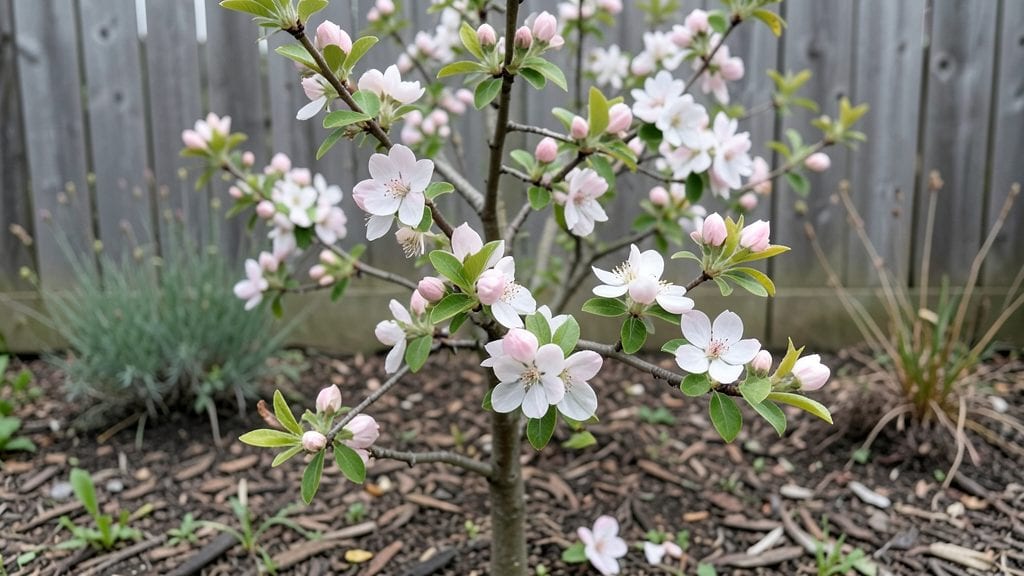
The bloom of a nectarine tree in spring is the Pacific Northwest’s secret—humidity-loving, early-pollinator magnet that turns gardens into bee havens. 🌸 I’ve watched mine transform from bare branches to a cloud of flowers in just two weeks, and the key isn’t just timing but understanding how rain, chill hours, and last year’s growth all play a role.
The bloom window is tight—usually late April to early May here—but what makes nectarines special is their ability to handle our region’s damp springs better than peaches. Prune in late winter to open the canopy, and avoid heavy fertilizing right before buds swell, or you’ll push leaves over flowers.
That said, even the most careful pruning won’t guarantee blooms if the tree didn’t get enough winter chill.
What you’ll get is weeks of fragrant blossoms that attract bees before fruit sets, followed by tender fruit that ripens just in time for summer. The trade-off? Thin the fruit early to avoid overloading branches—more blossoms next year depend on it.
Post-bloom, feed with nitrogen to recover, and watch for signs of fungal issues from all that rain.
If your tree’s playing hard to bloom, check for last year’s fruit load, root competition, or even a hidden girdling root. The good news? Nectarines respond fast to adjustments—cut back on summer pruning, water deeply in droughts, and you’ll see more blossoms by next spring.
Let’s troubleshoot what’s holding yours back.
📚 In This Guide
- What you need
- Instructions
- Tips and common mistakes
- Wrapping up and next steps
What you need
- ● Nectarine Tree: Choose a Prunus persica variety (e.g., ‘Redhaven’ or ‘Fantasia’) suited for zones 5-9. Opt for a 2-3-year-old bare-root sapling (spring planting) or a container-grown tree (fall/winter planting).
- ● Well-Draining Soil: 50% native soil + 50% compost or a pre-mixed fruit tree blend (1 cubic yard per tree).
- ● Fertilizer: Balanced 10-10-10 (1 lb per tree at planting).
- ● Citrus/acid-loving plant fertilizer (e.g., Espoma Fruit Tree Food) for post-bloom growth.
- ● Mulch: 4-6 inches of wood chips or straw (keep 6 inches away from the trunk).
- ● Shovel & Spade (for digging a 3x3 ft hole).
- ● Pruning Shears (sterilized with rubbing alcohol).
- ● Garden Gloves (heavy-duty for thorny branches).
- ● Watering Can or Hose (with a gentle spray nozzle).
- ● pH Test Kit (ideal soil pH: 6.0–6.5).
- ○ Stakes & Twine (optional, for young trees in windy areas).
- ● Humidity Protection: Fungicide spray (e.g., copper-based) to prevent brown rot or leaf spot (apply before bloom).
- ● Pollinator Support: Native bee-friendly plants (e.g., lavender, ceanothus) nearby to boost fruit set.
- ○ Drip Irrigation Kit (optional, for consistent moisture in rainy seasons).
How to encourage a vibrant nectarine bloom in humid Pacific Northwest climates
Here's how I coax spectacular nectarine blossoms in damp coastal conditions—without the usual fungal risks.
🌱 Step 1: Prune for Airflow and Light Penetration
Start in late winter when trees are still dormant. Remove any crossing branches first—they create dark, humid pockets where fungal spores thrive. I look for branches rubbing together and make clean cuts at a 45-degree angle just outside the branch collar. This prevents water from pooling and reduces disease pressure.
Next, thin out the canopy by removing about 20-25% of the smallest branches. Focus on those growing inward or upward—these block sunlight and air circulation. You'll see a more open structure where air moves freely, which is critical in our damp climate. Leave only the strongest outward-facing branches that catch morning sun.
💧 Step 2: Apply Winter Dormant Oil and Fertilize
After pruning, apply dormant oil spray to kill overwintering pests and fungal spores hiding in bark crevices. I use a 2% horticultural oil and spray thoroughly on a calm day when temperatures are between 45-70°F. This timing is crucial—it needs to stay on the bark for 10-14 hours to work effectively.
Two weeks later, apply a balanced 10-10-10 fertilizer at half-strength to wake up roots gently. Over-fertilizing now causes excessive leaf growth that competes with flower buds. Water deeply after applying to help nutrients penetrate the soil. You'll notice new root activity when you see fresh growth in spring.
☀️ Step 3: Time Pollination with Strategic Watering
Nectarines need cross-pollination—plant at least two compatible varieties within 100 feet of each other. When buds swell to pea size (about 3-4 weeks before bloom), reduce watering to encourage flower development. Too much moisture at this stage promotes leaf growth over blossoms. Water only when the top 6 inches of soil feel dry to the touch.
During bloom, water early in the morning to prevent fungal diseases like brown rot. Avoid overhead sprinklers—use drip irrigation or soaker hoses instead. You'll know your timing is right when you see bees actively moving between flowers by late morning. This is when pollination peaks in our cooler coastal springs.
✂️ Step 4: Thin Fruit and Protect Blooms
Once flowers drop and tiny fruits form, thin to 6-8 inches apart to prevent overcrowding. I remove the smallest fruits first—these rarely survive and compete with larger ones for nutrients. Leave only the healthiest, evenly spaced fruits to develop properly. This step prevents branches from breaking under heavy fruit loads later.
Watch for late frosts after bloom—cover young fruit with frost cloth if temperatures dip below 28°F. Our Pacific Northwest springs can be unpredictable. You'll know your tree is thriving when it sets fruit consistently year after year, despite our humid summers.
Tips & tricks for perfect nectarine tree blooms in humid climates
These simple but powerful tips will help you transform your nectarine tree into a blooming beauty—even in our famously damp Pacific Northwest conditions.
Pruning Precision: When you're thinning that 20-25% of smallest branches in Step 1, focus on removing any branches that are dead or diseased first. These create perfect fungal breeding grounds. I use sharp, clean pruners and make cuts just outside the branch collar—this prevents water from pooling at the cut site, which is crucial in our humid climate. The goal is to create an open vase shape that lets sunlight and air circulate freely through the center of the tree.
Dormant Oil Timing: The 10-14 hour window for dormant oil spray to work effectively is non-negotiable. Apply it on a calm evening when temperatures are between 45-70°F, and you can expect rain the next day—this ensures the oil stays on the bark long enough to kill overwintering pests. I like to spray when the bark is still cool from the evening, which helps the oil adhere better and prevents it from dripping off too quickly.
Watering Strategy: In Step 3, when you're reducing watering as buds swell to pea size, don't let the top 6 inches of soil dry out completely—just let it get noticeably dry to the touch. Overly dry soil can stress the tree, while too much moisture promotes leaf growth over blossoms. I check moisture by sticking my finger about 2 inches into the soil—if it feels dry, that's when to water lightly. This balance is key to encouraging those vibrant blooms we're after.
Frost Protection: That 28°F threshold for frost cloth is critical in our Pacific Northwest springs. I've learned the hard way that waiting until temperatures actually drop below 28°F can be too late—by then, the damage is already done. Start covering when the forecast predicts overnight lows near 30°F, and keep the frost cloth in place until temperatures consistently stay above 32°F for several days. This gives your young fruit a fighting chance against late frosts.
Pro Tips for Nectarine Tree Bloom
- These simple but powerful tips will help you transform your nectarine tree into a blooming beauty—even in our famously damp Pacific Northwest conditions.
- Pruning Precision: When you're thinning that 20-25% of smallest branches in Step 1, focus on removing any branches that are dead or diseased first.
- Dormant Oil Timing: The 10-14 hour window for dormant oil spray to work effectively is non-negotiable.
Frequently asked questions
Got questions about nectarine tree blooms in the Pacific Northwest? You’re not alone!
Here are answers to the most common queries—from timing to troubleshooting—so you can make the most of your humidity-loving early pollinator magnet.
When do nectarine trees typically bloom in the PNW?
Nectarine trees in the Pacific Northwest usually bloom in late April to early May, depending on your microclimate. Warmer coastal areas may see blooms earlier, while inland regions (like the Willamette Valley) might experience them slightly later. Check your tree’s variety—some early bloomers like ‘Redgold’ can start as early as mid-April!
What if a late frost threatens my blooms?
Late frosts (<32°F) can damage blooms, but don’t panic! Cover young trees with frost cloth or use a drip irrigation system to add moisture (which raises temps slightly). Prune water sprouts in winter to improve airflow, reducing frost risk. If blooms are already open, act fast—light a safe outdoor candle or string lights near the tree to create a microclimate.
How can I attract more pollinators to my blooming nectarine tree?
Nectarine trees are early pollinator magnets, but you can boost their appeal! Plant native companion flowers like Oregon grape or Pacific dogwood nearby. Avoid pesticides during bloom, and add a shallow water source (like a birdbath with pebbles) to attract bees and butterflies. Pro tip: Let some fallen petals stay—decomposing blooms feed soil microbes, which benefits root health!
Why aren’t my nectarine tree blooms producing fruit?
Several factors could be at play: poor pollination (hand-pollinate with a paintbrush if bees are scarce), over-thinning (leave clusters of 3–5 flowers per spur), or nutritional stress. Test soil pH (6.0–7.0 is ideal) and fertilize with balanced 10-10-10 in early spring. If the tree is young (<3 years), it may still be establishing roots—patience is key!
Can nectarine trees handle the PNW’s humidity?
Nectarines thrive in humidity if given proper care. Prune for airflow (remove dense branches), and mulch heavily (3–4 inches) to retain moisture. Watch for brown rot or leaf spot—common in damp climates—and treat with copper fungicide if needed. Variegated varieties like ‘Fantasy’ often handle humidity better than smooth-skinned types.
What’s a good alternative if my nectarine tree isn’t blooming?
If your nectarine struggles with blooms, consider cross-pollinating varieties (like ‘Summerbreeze’ + ‘Crimson Snow’) or switching to self-fruitful alternatives like apricots or peaches. For ornamental appeal, try Japanese flowering cherries (e.g., ‘Shirofugen’) or ornamental almonds, which bloom early and attract pollinators too!
Wrapping up and next steps
Watching your nectarine tree bloom in the Pacific Northwest’s lush, humidity-rich climate is a rewarding experience—one that attracts pollinators and adds vibrant beauty to your garden. 🌸 Whether you’re a seasoned gardener or just starting, embracing these early-blooming trees means welcoming nature’s sweet rewards while supporting local ecosystems. Now’s the perfect time to take action: plant your nectarine tree, monitor its growth, and share the joy with fellow gardeners!