
Planting
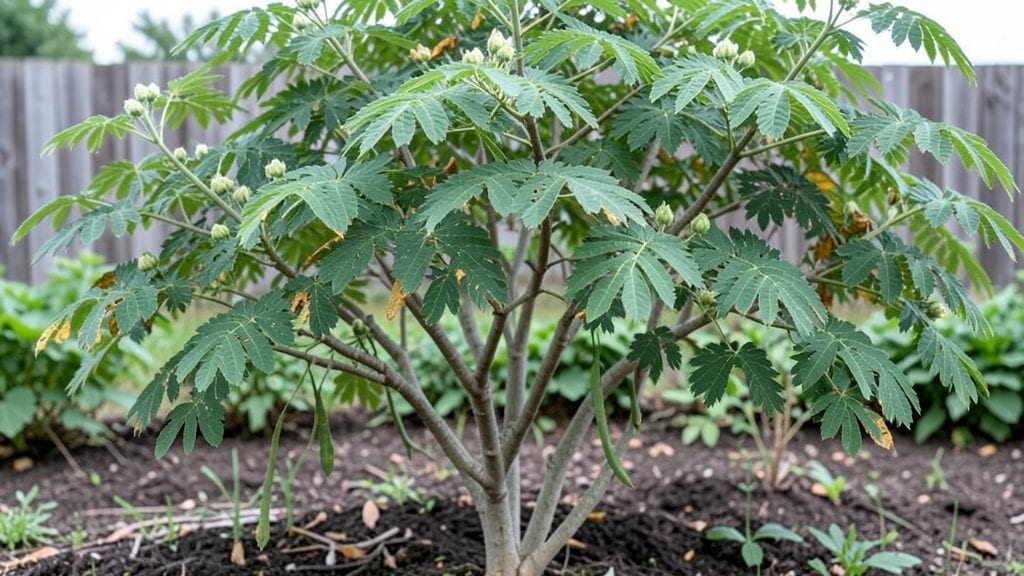
Mastering moringa tree plant care turns this fast-growing wonder into the easiest "plant and forget" success—except it actually thrives with just a little attention. 🌱 I’ve watched mine grow from a 6-inch sapling to a 6-foot powerhouse in under a year. and the secret isn’t complicated: it’s all about sunlight, occasional water, and letting it do its thing.
The leaves pack more protein than spinach, and the tree itself stays compact enough for containers or small yards.
Here’s the thing—moringa hates soggy feet but doesn’t need daily watering. A deep soak once a week (twice in summer) keeps it happy, and it tolerates poor soil better than most plants.
You’ll see those signature feathery leaves within weeks if you give it 6+ hours of sun daily—even in containers. The pruning? Just snip leggy branches to encourage bushier growth, and you’ve got a self-sustaining nutritional powerhouse.
By summer’s end, you’ll be harvesting leaves for smoothies or salads, and the tree will still look fresh and vibrant. It’s the kind of plant that makes you feel like a gardening genius without requiring a PhD in horticulture.
Let’s get yours growing strong—whether in pots or planted in the ground.
Fair warning: once you taste fresh moringa leaves, you’ll want more. But don’t worry—this tree grows fast enough to keep up with your appetite. The real magic? It’s drought-tolerant once established, so even if you forget to water occasionally, it forgives you.
📚 In This Guide
- What you need
- Instructions
- Tips and common mistakes
- Wrapping up and next steps
What you need
- ● Moringa seeds or seedlings: 1–3 (for small containers) or 5+ (for ground planting). Choose organic, high-quality seeds for best results.
- ● Well-draining potting mix: 5–10 gallons (for containers) or a nutrient-rich garden soil blend (for ground planting). Pro tip: Mix in perlite or sand (20%) to improve drainage!
- ○ Containers (optional): 5–15 gallon pots with drainage holes (1–2 per plant). Size matters! Larger pots = happier trees.
- ● Compost or organic fertilizer: 1–2 cups (for containers) or spread 2–3 lbs per plant (for ground). Look for balanced NPK (e.g., 10-10-10).
- ● Watering can or hose: With a gentle spray nozzle for seedlings. 💡 Avoid overwatering!
- ● Pruning shears: Small, sharp pair for trimming (sterilize with rubbing alcohol between uses).
- ○ Mulch (optional): Straw or wood chips (2–3 inches) to retain moisture and suppress weeds.
- ● Sunlight: Full sun (6+ hours daily). 🌞 Moringa is a sun-worshipper!
- ● Temperature: Warm climate (70–95°F). Avoid frost—moringa is not frost-tolerant.
- ● pH Level: Slightly acidic to neutral soil (6.0–7.5). Test your soil if unsure!
- ● Space (for ground planting): 6–10 feet apart (trees can grow 10–13 feet tall!).
- ● Drip irrigation system (for large ground plantings).
- ● Shade cloth (for seedlings in hot climates).
- ● Soil moisture meter (to track watering needs).
Step-by-step instructions for growing a thriving moringa tree
Here's how to keep your moringa tree happy—whether it's in a pot or planted in the ground.
🌱 Step 1: Choose the Right Location for Light and Warmth
Moringa trees thrive in full sun, so pick a spot that gets at least 6-8 hours of direct sunlight daily. I always place mine where it gets morning sun and afternoon shade if temperatures exceed 90°F. If growing in containers, a south-facing window or balcony works, but supplement with a grow light if leaves start looking pale or stretched.
Watch for yellowing leaves—this is your signal the tree isn’t getting enough light. Moringa is tropical, so it also needs warmth. If nighttime temps dip below 50°F, bring potted trees indoors or cover them with frost cloth. The tree will reward you with rapid growth when conditions are just right.
💧 Step 2: Water Deeply and Consistently
Moringa trees love moisture but hate soggy roots. Water deeply every 2-3 days until water runs out the drainage holes (if in a pot) or the top 2-3 inches of soil feel damp. Let the soil dry slightly between waterings—you’ll see the top inch feel dry to the touch before watering again. Overwatering leads to root rot, while underwatering causes leaves to curl and drop.
Here’s the thing—I always water in the morning so the tree has time to absorb moisture before evening. If you’re growing in hot climates, you might need to water daily, especially in summer. Mulch around the base with 1-2 inches of organic mulch (like straw or wood chips) to retain moisture and keep roots cool.
✂️ Step 3: Prune for Bushier Growth and Harvesting
Pruning isn’t just for shaping—it encourages your moringa to grow fuller and produce more leaves. Pinch off the tips of new growth when the plant is about 6-12 inches tall to promote branching. I also trim back any leggy stems to maintain a compact shape. Use clean, sharp pruners and make cuts just above a leaf node to avoid damaging the plant.
Harvest young leaves and pods regularly to stimulate new growth. You can start harvesting when the tree is about 6 months old, but don’t take more than 25-30% of the foliage at once. If you notice the tree flowering, you can also harvest the pods—they’re packed with nutrients. Prune after harvesting to keep the tree tidy and encourage more growth.
🪴 Step 4: Fertilize for Strong, Healthy Growth
Feed your moringa tree with a balanced, water-soluble fertilizer (like 10-10-10) every 4-6 weeks during the growing season. Mix the fertilizer at half-strength to avoid burning the roots. I also add a handful of compost to the soil every few months to boost nutrients naturally. Moringa is a heavy feeder, so don’t skimp on fertilization—you’ll see faster growth and more abundant leaves.
Watch for signs of nutrient deficiency, like yellowing leaves or stunted growth. If you notice these, increase the frequency of fertilization or switch to a fertilizer with higher nitrogen content. In winter, reduce fertilization to once every 8-10 weeks since growth slows down.
⏰ Step 5: Protect from Pests and Monitor Growth
Moringa trees are generally pest-resistant, but keep an eye out for aphids or spider mites, especially if you’re growing indoors. Wipe leaves with a damp cloth or spray with neem oil if you spot any pests. I also rotate my potted trees occasionally to ensure even growth—just a quarter turn every few weeks keeps the tree balanced and prevents it from leaning toward the light.
Monitor the tree’s height and spread regularly. If it outgrows its container, repot into a larger one (about 2-3 inches bigger in diameter) with fresh potting mix. In the ground, mulch annually to keep the soil rich and moisture-retentive. With the right care, your moringa tree will grow into a lush, productive plant that rewards you with harvest after harvest.
Tips & tricks for perfect moringa tree plant care
Here’s what I’ve learned after watching my own moringa trees grow from tiny seedlings into thriving powerhouses—these tricks make all the difference.
Lighting Secret: Those 6-8 hours of sunlight are non-negotiable, but here’s the thing—morning sun is more important than afternoon. I’ve found that trees getting direct morning light and filtered afternoon shade (like under a sheer curtain) grow stronger and produce more leaves. If you’re using grow lights, position them 6-12 inches above the plant and use them for 12-14 hours daily to mimic natural sunlight cycles.
Watering Wisdom: The 2-3 day watering schedule works best when your soil drains well. I always check moisture by sticking my finger 1 inch into the soil—if it feels dry, it’s time to water. For potted trees, I use the “soak and dry” method: water until it runs out the drainage holes, then wait until the top inch is dry before watering again. In hot climates, I set up a drip irrigation system on a timer to automate this.
Pruning Pro Tip: When you’re pinching those tips at 6-12 inches, aim for the top set of leaves—this is where new branches will sprout. I’ve found that pruning right after a rain shower prevents stress on the plant. For harvesting, always use clean scissors or pruners and cut at a 45-degree angle just above a leaf node. This encourages bushier growth and prevents disease from entering the stem.
Fertilizer Strategy: That 4-6 week fertilization schedule is perfect, but here’s my secret: I alternate between liquid fertilizer and compost tea. Every other feeding, I switch to compost tea (steep compost in water for 24 hours, strain, and use) to give the tree a nutrient boost without the risk of burning. In winter, I cut back to every 8-10 weeks, but I still add a light layer of compost around the base—it’s like giving the tree a cozy blanket for the colder months.
Pro Tips for Moringa Tree Plant Care
- Here’s what I’ve learned after watching my own moringa trees grow from tiny seedlings into thriving powerhouses—these tricks make all the difference.
- Lighting Secret: Those 6-8 hours of sunlight are non-negotiable, but here’s the thing—morning sun is more important than afternoon.
- Watering Wisdom: The 2-3 day watering schedule works best when your soil drains well.
Frequently asked questions
Got questions about keeping your moringa tree happy and thriving? Here are answers to the most common ones—so you can grow this superfood with confidence!
How fast does a moringa tree grow?
A moringa tree is a fast grower—expect 3 to 5 feet per year in ideal conditions! With proper care (full sun, well-draining soil, and regular watering), you can harvest leaves in as little as 3 to 6 months from planting. Just be ready for rapid growth—it’s one of the tree’s coolest traits!
Can moringa trees survive cold weather?
Moringa trees are tropical and thrive in warmth (USDA zones 10-11). If you live in cooler climates, grow them in containers and bring them indoors when temps drop below 50°F (10°C). Young trees are extra sensitive—avoid frost at all costs!
How often should I water a moringa tree?
Water your moringa tree deeply 2-3 times per week in hot/dry climates, but reduce to once a week in cooler weather. Key tip: Let the top 1-2 inches of soil dry out between waterings to prevent root rot. Mulching helps retain moisture—just keep it 2-3 inches away from the trunk.
What if my moringa leaves turn yellow?
Yellowing leaves usually mean overwatering or nutrient deficiency. Check the soil—if it’s soggy, cut back on water. For nutrients, use a balanced fertilizer (10-10-10) every 4-6 weeks. Yellow edges? It might be salt buildup—flush the soil with water to help.
Can I grow moringa from seeds or cuttings?
Both work! Seeds are easiest for beginners—soak overnight, plant ½ inch deep, and keep moist. Cuttings (from healthy stems) root faster but require humidity (use a plastic bag or propagator). Pro tip: Moringa grows fast from seeds, but cuttings give you a head start on harvests!
Wrapping up and next steps
Growing a moringa tree is a rewarding experience—whether in containers or the ground—thanks to its resilience and incredible benefits! 🌱 With just a few essential steps—like ensuring well-draining soil, providing ample sunlight, and keeping it hydrated—you’ll soon enjoy a thriving plant packed with nutrients. Don’t wait! Start your moringa journey today and watch it flourish with minimal effort.
Ready to dive deeper? Explore our guide on harvesting and using moringa leaves to unlock its full potential in your kitchen or wellness routine!