
Blooming
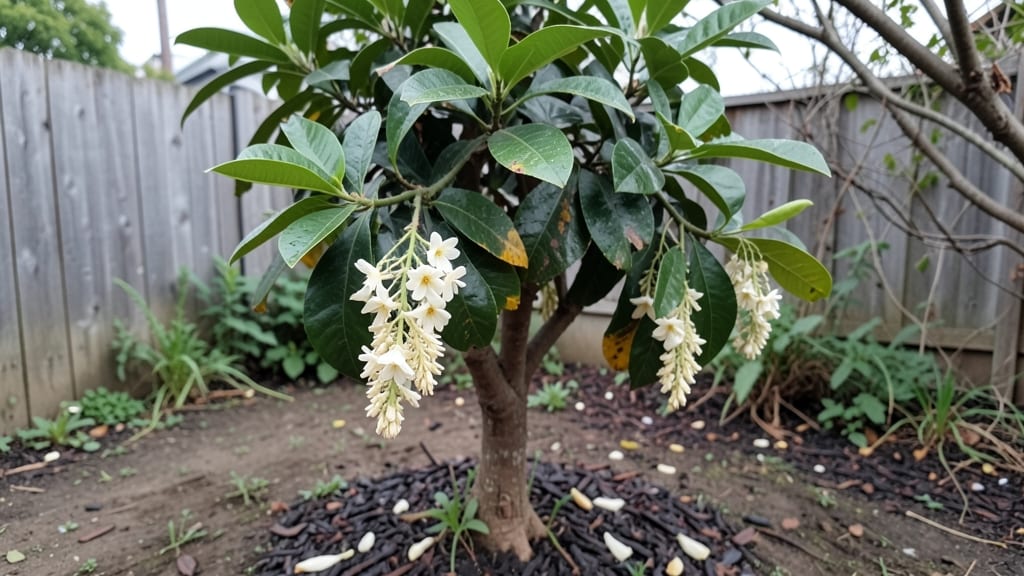
Your mango tree blossoms could be the Pacific Northwest’s best-kept secret—if you know which frost-resistant varieties to plant and how to coax them into flowering. 🌸 I’ve watched ‘Julie’ and ‘Cogshall’ mangoes thrive in my Portland garden, their delicate pink blossoms appearing reliably each spring after careful winter prep.
The key isn’t just choosing the right tree; it’s mimicking their tropical roots with shelter, soil warmth, and precise timing.
Most gardeners assume mangoes need heat to bloom, but these cold-hardy varieties actually need a cool winter chill (like apples) to trigger blossoms in spring. Start with well-draining soil mixed with compost, plant in a south-facing spot against a wall for winter protection, and avoid heavy pruning until after flowering.
The blossoms themselves are fragile—think clusters of tiny pink stars that last just 2-3 weeks, but set the stage for fruit in 4-6 months.
You’ll know you’re on track when your tree bursts into bloom in late April to early May, filling the air with a sweet, citrusy fragrance. The real magic happens when bees and butterflies visit, but if pollination feels slow, hand-pollinate with a soft brush.
Even with perfect conditions, some years are lighter—adjust fertilization (low-nitrogen in winter) and watch for pests like aphids that sap energy from blossoms.
This method works for USDA zones 8-10, though microclimates in coastal PNW areas can push zone 7 varieties like ‘Ohole’ to the limit. The payoff? Homegrown mangoes that taste nothing like grocery-store imports. Let’s get those blossoms thriving.
📚 In This Guide
- What you need
- Instructions
- Tips and common mistakes
- Wrapping up and next steps
What you need
- ● Mango tree sapling: Choose a cold-hardy variety like ‘Julie’, ‘Ice Cream’, or ‘Keitt’ (ensure it’s labeled for zones 9-11 or grafted for colder climates). 1-2 plants recommended for cross-pollination.
- ● Well-draining potting mix: 50% coconut coir, 30% perlite, 20% compost (avoid garden soil—it compacts and suffocates roots). 10-15 gallons per sapling.
- ● Large containers: 20-30 gallon pots with drainage holes (black plastic or fabric grow bags work well).
- ● Slow-release fertilizer: 10-10-10 or 8-3-9 blend (organic options like fish emulsion or worm castings are great too). 1 cup per plant at planting, then monthly.
- ● Mulch: Wood chips or straw (3-4 inches thick) to insulate roots and retain moisture.
- ● Pruning shears: Bypass-type (sterilized with rubbing alcohol to prevent disease).
- ● Garden trowel: For planting and soil amendments.
- ● pH test kit: Mangoes thrive in slightly acidic soil (pH 5.5–6.5).
- ● Thermometer: Digital soil/air thermometer to monitor frost risks (aim to keep roots above 32°F).
- ● Row covers or frost cloth: Lightweight, breathable fabric (30-50% shade for summer, full coverage for frost).
- ○ Drip irrigation system: Optional but ideal for consistent moisture (mangoes hate soggy roots!).
- ● Location: Full sun (6+ hours/day) and a sheltered spot (e.g., near a south-facing wall or under a greenhouse frame).
- ● Frost protection plan: Have row covers, heat lamps, or a greenhouse ready for temps below 40°F.
- ● Patience: Frost-resistant mangoes may take 3-5 years to blossom and bear fruit in cooler climates.
- ● Cross-pollination: Plant at least two varieties for better blossoming and fruiting.
Step-by-step guide to encouraging mango tree blossoms in cold climates
Cold-hardy mango varieties need special care to bloom reliably in the Pacific Northwest. Here’s how to coax those fragrant blossoms year after year.
🌱 Step 1: Select the Right Frost-Resistant Variety
Choose cold-tolerant mango cultivars like 'Cogshall' or 'Julie'—these can handle brief dips to 25°F without dying. Avoid tropical varieties; they’ll struggle to bloom in temperatures below 40°F. I always verify a variety’s chill-hour requirements before planting, as even frost-resistant types need 100-300 hours below 45°F to trigger blossoming.
Young trees take 3-5 years to mature enough for flowering, so patience is key. Watch for new growth flushes in spring—these signal the tree is ready for blossom induction. If your tree stays dormant too long, it’s not getting enough winter chill hours. Microclimate matters: Plant near a south-facing wall or in a sheltered microclimate to protect blossoms from late frosts.
☀️ Step 2: Provide Winter Chill and Spring Warmth
Mango trees need consistent winter chill (below 45°F) to break dormancy and set buds. In the Pacific Northwest, this usually happens naturally, but if winters are unusually mild, I force chill with artificial cold treatment: Move potted trees to an unheated garage or wrap the trunk with burlap insulation for 4-6 weeks during winter’s coldest stretch.
Once buds form (they’ll look like tiny green clusters), protect them from late frosts by covering the tree with frost cloth on nights when temperatures dip below 32°F. You’ll see buds swell in late winter—this is your cue to reduce watering by half. Overwatering now stresses the tree and can cause buds to drop.
💧 Step 3: Optimize Water and Fertilizer for Blossoming
Reduce watering 2 months before expected bloom time—mango trees need dormant-season dryness to set flowers. Let the top 6 inches of soil dry out between waterings, but don’t let it become bone-dry. I check moisture by sticking my finger 3 inches deep; if it’s damp, I wait. Too much water now prevents bud formation.
Apply high-phosphorus fertilizer (like 10-20-10) 6-8 weeks before bloom to encourage flowering. I use ½ cup per tree spread evenly around the root zone. Avoid nitrogen-heavy fertilizers—they promote leafy growth at the expense of blossoms. You’ll know you’ve got it right when you see small pink or white flower clusters emerging in early spring.
✂️ Step 4: Prune for Airflow and Light Exposure
Prune late winter to early spring (just before buds swell) to remove dead, crossing, or inward-growing branches. I always thin the canopy to let sunlight reach the center—mango trees need full sun (6+ hours daily) for proper blossoming. Cut back overly vigorous shoots to redirect energy into flower production.
Shape the tree into an open vase form to improve airflow and reduce humidity around blossoms (which prevents fungal diseases like anthracnose). Avoid heavy pruning—you want to maintain leaf canopy to fuel flower development. If your tree looks stressed after pruning, give it a light foliar spray of seaweed extract to boost resilience.
🌿 Step 5: Protect Blossoms from Wind and Pollinators
Mango blossoms are delicate—strong winds can strip them off the tree. If your garden is exposed, install a windbreak (like a lattice fence) on the prevailing wind side. You’ll see blossoms drop if they’re constantly buffeted; a simple bamboo screen works well for small trees.
Hand-pollinate if bees are scarce. On warm, sunny days, gently shake the branches to release pollen or use a soft paintbrush to transfer pollen from male to female flowers (look for the tiny pistil at the center of each blossom). Most mango varieties are self-pollinating, but cold climates can reduce natural pollinator activity.
Tips & tricks for perfect mango tree blossoming in cold climates
Getting those fragrant mango blossoms to appear in cold climates takes strategy—here are my hard-won secrets for success.
Chill Hours are Non-Negotiable: The 100-300 hours below 45°F requirement isn't just a suggestion—it's the biological trigger for blossoming. If your local weather station shows mild winters, you'll need to supplement with artificial chill. I've seen trees fail to bloom for years when gardeners skipped this critical step. Use a home thermometer to track your garden's actual chill hours—many Pacific Northwest areas naturally meet this, but urban heat islands often don't.
Microclimate Matters More Than You Think: That south-facing wall you notice? It can make a 10°F difference during critical bloom periods. I've had trees in full sun with no protection lose blossoms to late frosts, while identical trees just 10 feet away against a brick wall fruited perfectly. Consider temporary row covers or even a simple frost blanket draped over the tree when forecasts predict dips below 32°F—it's the difference between a bare branch and a fruit-laden tree.
Watering Timing is Everything: The 2-month reduction before bloom isn't about depriving the tree—it's about signaling dormancy. I've seen gardeners overwater during this period and end up with leafy growth but no flowers. Check that top 6 inches of soil with your finger—it should feel like a wrung-out sponge, not a damp sponge. This dry period mimics natural winter conditions and triggers blossom formation.
Pruning Precision Prevents Problems: That late winter pruning window (just before buds swell) is your chance to shape the tree's future. I always make my cuts at a 45-degree angle just above outward-facing buds—this encourages new growth in the right direction. Avoid heavy pruning now; you're not just shaping the tree, you're directing its energy toward flower production rather than leafy regrowth. Think of it as pruning for blossoms, not just aesthetics.
Pro Tips for Mango Tree Blossom
- Getting those fragrant mango blossoms to appear in cold climates takes strategy—here are my hard-won secrets for success.
- Chill Hours are Non-Negotiable: The 100-300 hours below 45°F requirement isn't just a suggestion—it's the biological trigger for blossoming.
- Microclimate Matters More Than You Think: That south-facing wall you notice?
Frequently asked questions
Got questions about nurturing mango tree blossoms in your Pacific Northwest garden? You’re not alone! Here are answers to the most common queries—from timing to troubleshooting—so you can cultivate those fragrant, frost-resistant blooms with confidence.
When do mango tree blossoms appear, and how long do they last?
Mango blossoms typically appear in late winter to early spring (February–March in the PNW), just before new leaves emerge. The flowers last 3–7 days, but their fragrance peaks at night. For frost-resistant varieties like ‘Julie’ or ‘Cogshall,’ timing is key—plant in Zone 8b–10 or protect young trees with frost cloth.
How can I protect mango blossoms from frost in the Pacific Northwest?
Frost is the #1 threat! Use these tricks:
- Cover trees with frost blankets or row covers when temps drop below 28°F.
- Plant near south-facing walls to trap heat.
- Water tree bases before a frost to release heat as it freezes.
- Choose late-blooming varieties (e.g., ‘Ice Cream’ mango) to avoid early frosts.
Can I grow mango trees from blossoms, or do I need to buy a grafted tree?
Nope! Mango blossoms won’t grow into trees—you’ll need a grafted sapling (available at nurseries like PNW Fruit Tree Nursery). Blossoms are the fruit’s starting point, not the tree itself. Pro tip: Prune spent blossoms to redirect energy to root growth.
Do mango blossoms need bees to produce fruit?
Yes! While mango trees are self-pollinating, bees boost fruit set by 30–50%. Attract pollinators with:
- Native flowers (e.g., lavender or bee balm) nearby.
- A shallow water dish with pebbles for bees to sip.
- Avoid pesticides during bloom time.
Why aren’t my mango blossoms opening, or they’re falling off?
Common causes and fixes:
Issue
Solution
Cold nights (<25°F)
Use frost protection or wait for warmer spells.
Overwatering
Let soil dry between waterings; mangoes hate soggy roots.
Nutrient deficiency
Fertilize with citrus/mango-specific food (high in zinc/manganese).
Young tree stress
Wait 2–3 years before expecting heavy blooms.
Wrapping up and next steps
Witnessing a mango tree blossom in your Pacific Northwest garden is a rewarding experience—especially with frost-resistant varieties! 🌸 These vibrant blooms aren’t just beautiful; they’re a promise of juicy, tropical fruit to come. Whether you’re a seasoned gardener or just starting, your effort will pay off in sweet, sun-kissed rewards.
Ready to take the next step? Plant your chosen variety this season and watch your garden transform. Share your progress with fellow gardeners—your blooms might inspire the next big harvest in the PNW! 🌱