
Pruning
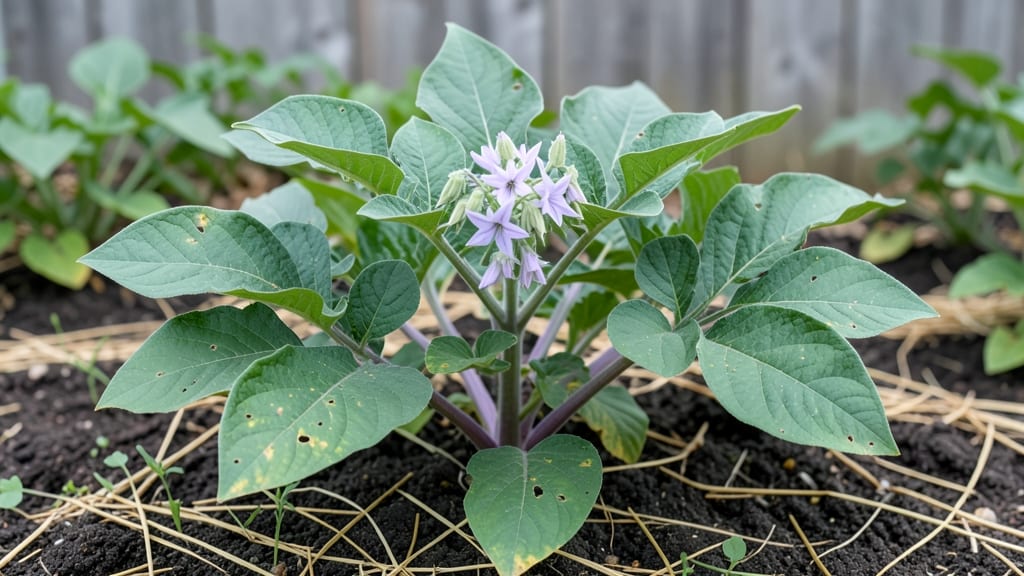
The blue potato tree thrives in Pacific Northwest gardens, offering striking blue-green foliage and a touch of tropical drama—even through cold winters. I’ve grown mine for three seasons now, and its resilience surprises even skeptical gardeners.
This isn’t just another shrub; it’s a cold-hardy perennial that rewards pruning with denser growth and more vibrant leaves.
You’ll need well-draining soil and at least 6 hours of sunlight daily, though it tolerates partial shade in hotter zones. Water deeply once established, but avoid soggy roots—this plant hates wet feet.
The real magic happens in pruning: cutting back leggy stems in early spring encourages bushier, more ornamental growth. Think of it as sculpting a living art piece that doubles as a conversation starter.
By summer, your blue potato tree will burst with velvety blue-green leaves that contrast beautifully against darker foliage or bright flowers. While the tubers are technically edible (though bitter), most gardeners grow it purely for its striking ornamental value.
Pair it with ornamental grasses or silver-leaved plants to highlight its unique hue.
Common challenges? Aphids might visit, but a strong spray of water usually sends them packing. Slow growth? It’s normal in cooler climates—patience pays off as roots establish. With the right care, this plant becomes the showstopper of your garden, proving that cold-hardy doesn’t mean boring.
📚 In This Guide
- What you need
- Instructions
- Tips and common mistakes
- Wrapping up and next steps
What you need
- ● Blue potato tree slips or tubers: 1-3 healthy plants (start with slips for faster growth or tubers for a head start).
- ● Well-draining soil mix: 3 parts potting soil + 1 part perlite/sand (or a pre-mixed cactus/succulent blend).
- ● Containers or in-ground space: Containers: 5-gallon pots with drainage holes (1 per plant).
- ● In-ground: Full sun (6+ hours/day) with loose, rocky soil (mimics native habitat).
- ● Pruning tools: Bypass pruners (sharp, sterilized with rubbing alcohol).
- ● Hand pruners for smaller cuts.
- ○ Gloves (optional but recommended—sap can irritate skin!).
- ● Support structure: Small stakes or cages (for training vines if needed).
- ● Watering can or hose with gentle spray nozzle.
- ● Slow-release fertilizer (balanced 10-10-10 or succulent-specific).
- ● Mulch (gravel or pebbles to retain heat and deter weeds).
- ● Cold-frame or greenhouse setup (for extending the growing season in colder PNW zones).
- ● Pruning shears with a sterilization spray (to prevent disease spread).
- ● Notebook + pen (to track pruning dates and plant responses!).
Step-by-Step guide to pruning your blue potato tree in the Pacific Northwest
This is how I keep my blue potato tree thriving through PNW winters—pruning for vigor, yield, and cold resilience.
Time Pruning for Late Winter Dormancy
Prune your blue potato tree in late winter, just as new growth begins but before active shoots emerge. In the Pacific Northwest, this typically falls between mid-February and early March, when daytime temperatures hover around 45-50°F. Pruning too early risks exposing tender stems to frost, while waiting too long encourages premature growth that weakens the plant before summer.
I always prune on a dry, sunny day to reduce disease risk. Use clean, sharp pruners to make cuts just above a leaf node or outward-facing bud. This ensures the plant directs energy to new growth rather than sealing wounds. Avoid cutting into old wood—focus on shaping the canopy while maintaining an open center for airflow and sunlight penetration.
Remove Dead, Diseased, or Weak Growth
Start by inspecting the tree for dead, diseased, or crossing branches. Dead branches are brittle and snap easily when bent; diseased wood may show dark spots, mold, or oozing sap. Remove these first, cutting back to healthy, green tissue or the main trunk. Weak growth—thin stems with sparse leaves—should also be pruned away to redirect the plant’s energy toward stronger branches.
Here’s the thing—blue potato trees are vigorous, and they’ll fill in quickly. I never remove more than one-third of the canopy in a single pruning session. This prevents shock and maintains the tree’s ability to photosynthesize efficiently. If you’re unsure whether a branch is dead, scratch the bark with your fingernail. Green underneath means it’s still alive; brown indicates it’s time to cut.
Shape for Airflow and Sunlight
The goal is an open, vase-like shape that allows sunlight to reach the center and air to circulate freely. Start by thinning out the innermost branches first—these often grow weakly due to shade and compete for resources. Next, prune back any branches that are growing inward or rubbing against others. These create wounds and block light, reducing both fruit production and overall health.
For lateral branches, aim to leave 3-5 strong buds per stem. This encourages bushier growth and more abundant tuber production. I like to step back frequently to visualize the tree’s structure—imagine sunlight streaming through the center like a fountain. If you’re pruning for harvest, focus on removing branches that are overcrowding the lower canopy, as this is where many of the edible tubers form.
Lightly Prune for Winter Hardiness
In the Pacific Northwest’s Zone 7-9 climates, blue potato trees benefit from a light pruning in early fall to prepare for winter. This isn’t as aggressive as the late-winter prune but involves removing any weak, spindly growth or branches that died back during the season. The goal is to reduce the tree’s overall size slightly, making it easier to cover with mulch or protective fabric if needed.
I also remove any late-season suckers—these are fast-growing shoots that appear in summer but won’t harden off properly before winter. These energy vampires drain the tree without contributing to next year’s growth. After pruning, apply a 2-3 inch layer of mulch around the base (but not touching the trunk) to insulate roots and retain moisture. This step is critical for PNW winters, where soil temperatures can drop below freezing.
Post-Pruning Care for Recovery
After pruning, water the tree deeply to help it recover and establish new growth. The roots will be actively seeking moisture as the plant ramps up photosynthesis. Avoid fertilizing immediately—wait until new shoots emerge (usually within 2-3 weeks) before applying a balanced, slow-release fertilizer to support the flush of spring growth.
Monitor the tree closely for the first 4-6 weeks post-pruning. You’ll notice new growth within 2-3 weeks if conditions are right—look for bright green leaves and firm, upright stems. If the tree looks stressed (yellowing leaves, wilting, or slow growth), it may need more sunlight or protection from wind. In the PNW, where spring can be unpredictable, a lightweight row cover can shield tender new growth from late frosts while allowing sunlight through.
Tips & tricks for pruning your blue potato tree in the Pacific Northwest
Pruning your blue potato tree isn't just about shaping—it's about setting the stage for a bountiful harvest and resilient growth through PNW winters.
Timing is Everything: The late winter window between mid-February and early March is critical because this is when your tree is just waking up from dormancy. I've learned the hard way that pruning too early exposes tender stems to late frosts, while waiting too long risks encouraging premature growth that weakens the plant before summer. Check for new growth at the base—those tiny green shoots are your cue to start. The goal is to prune just as growth begins but before it becomes too vigorous.
Pruning Technique Matters: When making cuts in Step 1, always aim just above a leaf node or outward-facing bud. This isn't just about aesthetics—it's about directing the tree's energy where you want it to go. I use a sharp pruner to make clean cuts that heal quickly, and I avoid cutting into old wood. For the best results, make your cuts at a slight angle about 1/4 inch above the bud. This technique prevents water from pooling on the cut surface, which could lead to rot.
Canopy Management: In Step 3, when shaping your tree, remember that blue potato trees are vigorous growers. Never remove more than one-third of the canopy in a single session—this prevents shock and maintains the tree's ability to photosynthesize efficiently. I find it helpful to visualize sunlight streaming through the center of the tree like a fountain. This open vase-like shape allows sunlight to reach all parts of the tree and promotes better airflow, which is crucial for preventing fungal diseases in our damp PNW climate.
Fall Preparation: The early fall pruning in Step 4 is often overlooked, but it's essential for winter hardiness. Focus on removing weak, spindly growth and late-season suckers—these energy vampires drain the tree without contributing to next year's growth. After pruning, apply a 2-3 inch layer of mulch around the base (but not touching the trunk) to insulate roots. This step is particularly important in Zone 7-9 climates where soil temperatures can drop below freezing during winter.
Pro Tips for Blue Potato Tree
- Pruning your blue potato tree isn't just about shaping—it's about setting the stage for a bountiful harvest and resilient growth through PNW winters.
- Timing is Everything: The late winter window between mid-February and early March is critical because this is when your tree is just waking up from dormancy.
- Pruning Technique Matters: When making cuts in Step 1, always aim just above a leaf node or outward-facing bud.
Frequently asked questions
How cold-hardy is the blue potato tree in the Pacific Northwest?
The blue potato tree thrives in USDA zones 7–10, making it a fantastic choice for the PNW’s mild winters (down to 10°F/-12°C). In colder microclimates (like Eastern WA), mulch heavily and plant near south-facing walls. Pro tip: Young plants may need winter protection with burlap wraps!
When’s the best time to prune for maximum blue berries?
Prune late winter/early spring (before new growth) to shape the tree and remove dead wood. For berry production, do a light summer trim after fruiting to encourage bushier growth. Avoid heavy pruning in fall—it can stress the plant before winter.
Why aren’t my blue potato tree’s leaves turning purple like I expected?
Purple foliage is sun-dependent—shady spots yield green leaves. Move your tree to full sun (6+ hours/day) for vibrant color. Bonus: The berries stay blue too! If leaves stay green, check for overwatering (they hate soggy roots).
Do I need to hand-pollinate the flowers for berries?
Nope! Bees and other pollinators love the fragrant flowers. If you’re in a low-pollinator area, gently shake branches during bloom (morning is best). Patience tip: Berries take 60–90 days to ripen—don’t rush it!
Are there non-toxic alternatives if I’m worried about pets/kids?
While Solanum rantonnetii is mildly toxic (like nightshades), it’s far less dangerous than other solanums. For pet-safe ornamentals, try Cercis canadensis (redbud) or Cornus mas (dogwood). Safety note: Keep kids/pets from chewing leaves—stick to admiring from afar!
What do I do if my blue potato tree gets powdery mildew?
Powdery mildew (white dust on leaves) thrives in humid, shady conditions. Fix it:
- Prune for airflow
- Water at the base (avoid leaves)
- Spray with neem oil or baking soda mix (1 tsp/baking soda + 1 quart water + drop of soap)
- Move to sunnier spot if possible
Wrapping up and next steps
The blue potato tree isn’t just a stunning, cold-hardy perennial—it’s a game-changer for Pacific Northwest gardeners! With the right pruning techniques, you’ll unlock its full potential, ensuring vibrant blooms, bountiful harvests, and long-term resilience. 🌱
Ready to transform your garden? Start small—pick one blue potato tree this season, apply these pruning tips, and watch your confidence (and harvests!) grow. Happy pruning!