
Trees
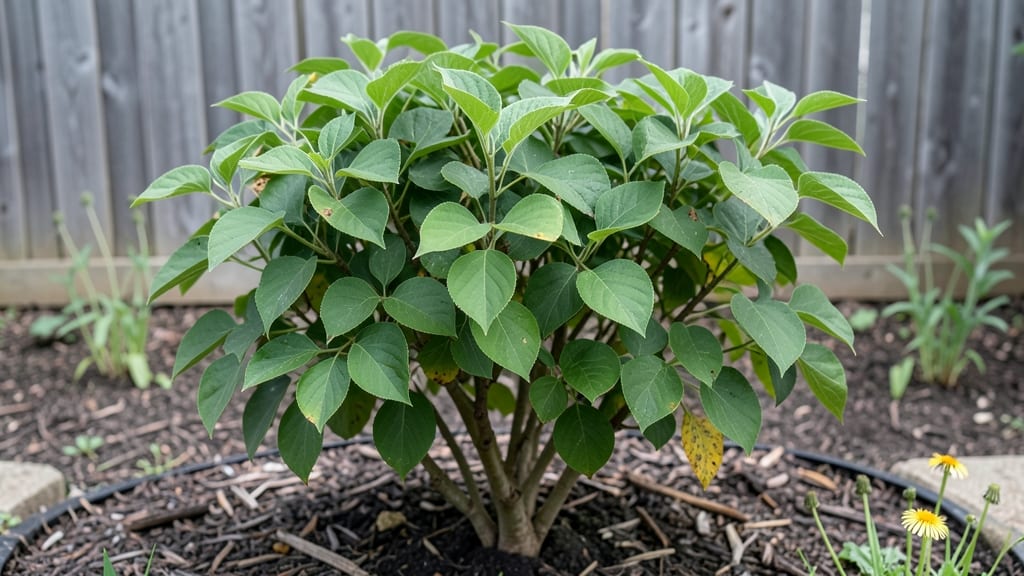
When your lilac tree leaves start looking sad—yellowing, spotted, or wilted—it’s not just about aesthetics. 🌿 Healthy foliage means better blooms, stronger growth, and a tree that thrives for decades. The key? Smart pruning combined with quick fixes for common problems like powdery mildew or aphids.
Start by cutting back dead or diseased branches in late winter or early spring, before new growth appears. For leaf issues like discoloration, check for overwatering, pests, or nutrient deficiencies—then adjust care. A sharp pair of pruners and a little timing can turn a struggling lilac into a showstopper.
📚 In This Guide
- What you need
- Instructions
- Tips and common mistakes
- Wrapping up and next steps
What you need
- ● Pruning shears: Sharp, bypass-style shears (for clean cuts on smaller branches). Size: 6–8 inches.
- ● Loppers: For thicker branches (up to 2 inches in diameter). Size: 18–24 inches.
- ● Pruning saw: Heavy-duty saw for branches over 2 inches thick. Type: Bow or pruning saw.
- ○ Disinfectant (optional but recommended): 70% isopropyl alcohol or a tree wound sealant (to prevent disease spread).
- ● Gloves: Heavy-duty gardening gloves (to protect from thorns and sap).
- ● Ladder or step stool: If your lilac tree is taller than 6 feet.
- ● Trash bags or bucket: For collecting pruned branches and leaves.
- ● Timing: Prune right after flowering (late spring to early summer) or in late winter/early spring (before buds swell). Avoid pruning in fall.
- ● Weather: Choose a dry, overcast day to minimize stress on the tree.
- ● Safety gear: Safety glasses (to protect from debris) and closed-toe shoes.
- ● Tree health check: Inspect the tree for diseases (like powdery mildew) or pests before pruning.
Step-by-step pruning guide for lilac tree leaves
Keep your lilac thriving with this simple, seasonal pruning routine.
✂️ Step 1: Prune Immediately After Flowering
Lilacs bloom on old wood, so the best time to prune is right after flowering—typically late spring to early summer. This ensures you don’t cut off next year’s blooms. I like to wait until the flowers have fully faded and dropped their petals, but before any new seed pods form. If you prune too late, you risk removing flower buds that are already forming.
Start by removing any dead, diseased, or crossing branches. These compete for energy and can stunt growth. Use clean, sharp pruners to make cuts just above a leaf node or outward-facing bud. This encourages new growth in the right direction. I always sanitize my tools with rubbing alcohol before and after pruning to prevent spreading disease.
✂️ Step 2: Thin Out Overcrowded Branches
Lilacs naturally grow dense, so thinning is key to airflow and sunlight penetration. Look for branches that are rubbing against each other or growing inward. These should be removed entirely at the base. I target branches that are about one-third the diameter of the main stem—thinner branches can be cut back to the main trunk without harming the tree.
Never remove more than one-third of the tree’s foliage in a single year. Lilacs are resilient, but drastic pruning can shock the tree and reduce flowering. If your tree is young or small, focus on shaping rather than thinning. You’ll know you’ve done enough when you can see light filtering through the canopy and new shoots emerging from the center.
✂️ Step 3: Shape and Maintain Year-Round
After the initial post-bloom pruning, spend 10-15 minutes monthly inspecting your lilac for stray shoots or overgrowth. Use hand pruners to trim back any suckers growing from the base or water sprouts (thin, upright shoots). These drain energy from the main tree. I also remove any branches that grow lower than 3 feet from the ground—they’re prone to damage from lawn equipment and don’t contribute much to the tree’s structure.
In late winter or early spring, give your lilac a light shaping trim to remove any deadwood or weak growth. Avoid heavy pruning at this time—it stimulates too much new growth before the tree is ready. Instead, focus on cleaning up and refining the tree’s natural form. A well-maintained lilac should have an open, airy shape with branches spaced evenly along the trunk.
🌿 Step 4: Revitalize Older Trees
If your lilac is 10 years or older and flowering poorly, it may need a rejuvenation pruning. This is a more aggressive approach, but it can bring new life to an aging tree. Start in late winter by cutting back one-third of the oldest branches to the ground. Space these cuts out over 2-3 years so the tree isn’t overwhelmed. Each year, remove a few of the oldest, thickest branches, focusing on those that are woody and no longer producing flowers.
After pruning, fertilize the tree with a balanced, slow-release fertilizer to support new growth. Water deeply to help the roots recover. You’ll likely see new shoots and stronger blooms within 1-2 years. This method works best for lilacs that have become leggy or sparse—it forces the tree to redirect energy into fresh, vigorous growth.
⏰ Step 5: Monitor and Adjust
Keep an eye on your lilac throughout the year. If you notice yellowing leaves, it could signal overwatering or nutrient deficiency. Brown, crispy leaves usually mean underwatering or heat stress. Adjust your care accordingly—lilacs prefer well-draining soil and moderate watering (about 1 inch per week during growing season).
Every 3-5 years, reassess your pruning strategy. Younger trees need less maintenance, while mature lilacs benefit from more frequent thinning. The goal is to strike a balance between encouraging blooms and maintaining the tree’s health. With consistent care, your lilac will reward you with fragrant blooms for decades.
Tips & tricks for pruning lilac tree leaves
These simple tricks will help you prune your lilac like a pro—keeping it healthy and blooming beautifully for years.
Timing is Everything: The key to successful pruning is waiting until the flowers have completely faded and dropped their petals in late spring to early summer. This ensures you don't accidentally cut off next year's blooms, which form on old wood. I've learned the hard way that pruning too early can leave your lilac looking bare, while waiting too long risks removing flower buds that are already forming. Look for those telltale browned petals as your cue to start.
Tool Prep Matters: Always sanitize your pruners with rubbing alcohol before and after each use—this prevents spreading disease between cuts. I also recommend using sharp, clean tools to make precise cuts just above a leaf node or outward-facing bud. Dull tools crush branches instead of cutting cleanly, which can damage the tree and invite infections. A quick wipe-down with a disinfectant cloth between cuts on different branches is a game-changer for tree health.
The One-Third Rule: Never remove more than one-third of the tree's foliage in a single year. Lilacs are tough but not indestructible—drastic pruning can shock the tree and reduce flowering. I've seen beautiful lilacs become stressed after aggressive pruning, so I always play it safe by focusing on removing only the necessary branches. Think of it like giving your tree a haircut—you want to shape it, not shave it.
Visual Cues for Pruning: When thinning branches, look for visual clues like branches rubbing against each other or growing inward. These compete for sunlight and air circulation, which weakens the tree. I also check for branches that are about one-third the diameter of the main stem—these are perfect candidates for removal. After pruning, you should be able to see light filtering through the canopy, which means you've done just the right amount.
Pro Tips for Lilac Tree Leaves
- These simple tricks will help you prune your lilac like a pro—keeping it healthy and blooming beautifully for years.
- Timing is Everything: The key to successful pruning is waiting until the flowers have completely faded and dropped their petals in late spring to early summer.
- Tool Prep Matters: Always sanitize your pruners with rubbing alcohol before and after each use—this prevents spreading disease between cuts.
Frequently asked questions
Got questions about caring for your lilac tree’s leaves? You’re not alone! Here are some of the most common concerns—and their answers—to keep your tree thriving and blooming beautifully.
When is the best time to prune lilac tree leaves?
Prune lilac trees right after they finish blooming (typically late spring or early summer). This ensures you don’t cut off next year’s flower buds, which form on old wood. Avoid pruning in fall or winter, as this can stimulate new growth that’s vulnerable to cold damage. Pro tip: If you miss the window, wait until late summer—but expect fewer blooms the following year!
How much can I trim off lilac tree leaves or branches?
Never remove more than one-third of the plant’s total growth in a single pruning session. For shaping, focus on dead, diseased, or crossing branches first. Thin out dense areas to improve airflow, but avoid "topping" (cutting back to a flat top), as this weakens the tree. Goal: Keep the tree’s natural shape while encouraging an open canopy for better blooms.
Why are my lilac tree leaves turning yellow or brown?
Yellowing leaves often signal overwatering or root rot, while brown edges or crispy leaves usually mean underwatering or heat stress. Check the soil moisture—lilacs prefer well-draining soil and tolerate drought once established. Troubleshoot: Adjust watering (deep but infrequent) and mulch around the base to retain moisture. Fungal issues (like powdery mildew) can also cause discoloration—prune affected leaves and apply fungicide if needed.
Can I use lilac tree leaves for anything besides pruning?
Fresh or dried lilac leaves can be used in potpourri (for a floral scent), composted for nutrient-rich soil, or even brewed into tea (though they’re mild and best blended with stronger herbs). Caution: Avoid using leaves treated with pesticides. For culinary uses, stick to organic trees—some people infuse lilac blossoms (not leaves) into syrups or desserts!
How long does it take for a lilac tree to recover after pruning?
Lilacs are resilient! With proper timing and technique, you’ll see new growth within 4–6 weeks of pruning. Full recovery—including stronger blooms—typically takes 1–2 years, depending on the tree’s age and health. Encourage regrowth: Fertilize lightly in early spring with a balanced, slow-release fertilizer to support recovery.
Wrapping up and next steps
Pruning your lilac tree leaves isn’t just about shaping—it’s about revitalizing its growth and ensuring those stunning blooms year after year! 🌿 With the right tools, timing, and techniques, you’ll keep your tree thriving while minimizing stress. Remember, patience and consistency are key.
Ready to give your lilac the care it deserves? Start by scheduling your next pruning session—whether it’s spring cleanup or summer shaping—and watch your tree flourish. Happy gardening! 🌸