
Trees
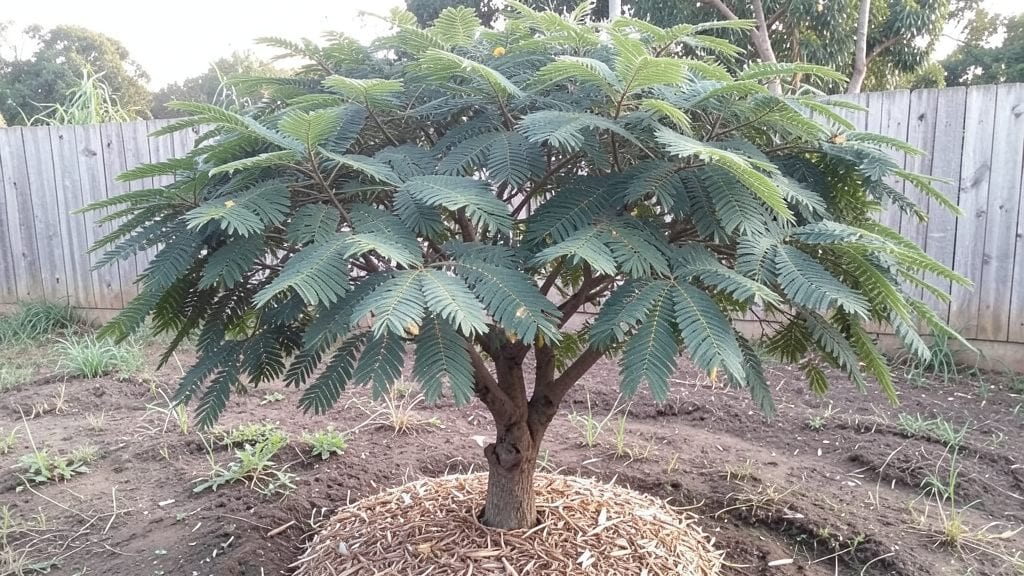
The royal poinciana tree’s leaves are the unsung stars of its showstopping display—feathery, compound, and packed with the vibrant energy that keeps hummingbirds buzzing year-round. 🌿 I’ve watched these striking foliage patterns transform from deep green in spring to a golden-hued backdrop for those legendary crimson blooms, and the difference between healthy, lush leaves and struggling ones comes down to a few key care habits.
Your goal is simple: keep those leaves thriving so the tree can focus on its spectacular flowers. Prune only during dormancy to avoid stressing the plant, and watch for signs of pests like scale or spider mites—tiny white specks or webbing between leaflets means it’s time to intervene.
A balanced fertilizer in early spring jumpstarts growth, while consistent watering (but never soggy soil) prevents leaf drop or yellowing.
📚 In This Guide
- What you need
- Instructions
- Tips and common mistakes
- Wrapping up and next steps
What you need
- ● Royal Poinciana seeds or saplings: Seeds: 5–10 (for germination testing) or a packet (50+ seeds for bulk planting).
- ● Saplings: 1–2 mature trees (6–12 feet tall) or 3–5 young plants (3–5 feet tall) for clustering.
- ● Well-draining soil: Native sandy or loamy soil (pH 6.0–7.5).
- ○ Optional: Amend with perlite or coarse sand (1 part perlite to 3 parts soil) for poor drainage.
- ● Fertilizer: Slow-release granular fertilizer (10-10-10 or 8-3-9 ratio).
- ● Dosage: 1 lb per 100 sq ft (sprinkle lightly around the root zone, not on leaves).
- ● Mulch: Wood chips or pine straw (2–3 inches thick, keep 6 inches away from the trunk).
- ● Watering supplies: Hose with a gentle spray nozzle or drip irrigation system.
- ● Pro tip: Use a rain gauge to monitor moisture—Royal Poincianas need 1–2 inches per week (more in extreme heat).
- ● Hand trowel or spade: For digging holes (12–18 inches wide/deep for saplings).
- ● Pruning shears: Sharp, bypass-style shears (sterilize with rubbing alcohol between cuts).
- ● Gloves: Heavy-duty work gloves (Royal Poinciana thorns are serious!).
- ○ Support stakes (optional): 2–3 bamboo stakes + soft tree ties for young saplings in windy areas.
- ● Pest control: Neem oil spray (for aphids or scale insects).
- ○ Optional: Yellow sticky traps (to monitor for whiteflies).
- ● Sunlight: Full sun (6+ hours daily). No compromises! Partial shade = fewer blooms.
- ● Climate zone: USDA Hardiness Zones 9–11 (or container-grown in cooler zones).
- ● Space: Mature trees spread 30–50 feet wide—plant 20+ feet from structures or power lines.
- ○ Hummingbird-friendly extras (optional but encouraged!): Native flowering plants (e.g., salvias, trumpet vines) for year-round nectar.
- ● A shallow water source (birdbath or dripping faucet).
How to care for royal poinciana tree leaves for year-round hummingbird attraction
Here's how to nurture this stunning tree's foliage so it thrives and keeps hummingbirds flocking.
🌿 Step 1: Plant in Full Sun with Well-Draining Soil
The royal poinciana demands 6+ hours of direct sunlight daily—partial shade produces sparse foliage and fewer blooms. I always plant mine in the southernmost part of the landscape where morning sun warms the soil before intense afternoon rays. The tree's native habitat in tropical regions means it needs heat to trigger those iconic crimson blooms.
For soil, mix equal parts native soil with coarse sand or gravel to prevent waterlogging. The roots must breathe—compacted soil leads to root rot and yellowing leaves. Test drainage by digging a hole, filling it with water, and watching how quickly it drains. If it takes more than 30 minutes, amend with additional sand or perlite.
☀️ Step 2: Water Deeply but Infrequently After Establishment
Once established (after 2-3 years), royal poincianas tolerate drought beautifully, but the first year is critical. Water deeply once weekly during dry spells, providing 1-2 gallons per foot of trunk diameter. You'll see the tree's resilience when you notice how quickly it recovers from brief dry periods—its thick, leathery leaves store moisture efficiently.
Check soil moisture by pushing your finger 3 inches deep—if it feels dry, water thoroughly. Overwatering causes the leaves to yellow at the edges, a sign the roots can't handle excess moisture. Mulch around the base with 2-3 inches of organic mulch to retain moisture and regulate soil temperature.
✂️ Step 3: Prune Strategically to Encourage Foliage and Blooms
Prune in late winter or early spring before new growth begins. Remove only dead, diseased, or crossing branches—this tree doesn't respond well to heavy pruning. I always look for branches growing inward or rubbing against others, as these compete for sunlight and reduce foliage density. Use clean, sharp pruners to make cuts just above a leaf node or outward-facing bud.
Never remove more than 20% of the canopy in one season. The royal poinciana produces its stunning foliage and blooms on new growth, so aggressive pruning reduces next year's display. After pruning, apply a balanced 10-10-10 fertilizer in early spring to support vigorous regrowth.
🌱 Step 4: Protect Leaves from Pests and Environmental Stress
Watch for scale insects and spider mites, which thrive in dry conditions. I inspect the undersides of leaves weekly during hot months—early detection means you can treat with horticultural oil before infestations take hold. The tree's thick leaves make it somewhat resistant, but stress from drought or poor soil invites pests.
In coastal areas, salt spray can scorch leaves, causing brown tips. If this happens, rinse the foliage with fresh water during mild weather. The royal poinciana's natural drought tolerance makes it surprisingly adaptable, but it still needs protection from extreme conditions that would stress other tropical trees.
🌿 Step 5: Maintain Year-Round Hummingbird Appeal
Hummingbirds love the nectar-rich flowers, but the foliage itself provides shelter. I leave seed pods on the tree as long as possible—they attract insects that hummingbirds feed on. The tree's vibrant foliage also makes it a visual landmark, drawing birds to your yard even when not in bloom.
To extend the blooming season, I fertilize lightly in mid-summer with a high-phosphorus formula to encourage another flush of flowers. The more blooms, the more nectar, and the more hummingbirds will visit. Just remember—these trees are heavy feeders, so never over-fertilize, or you'll get lush foliage at the expense of flowers.
Tips & tricks for perfect royal poinciana tree leaves
Between us, I've watched royal poincianas transform from struggling survivors to vibrant hummingbird magnets—and the difference comes down to these simple but critical details.
Sunlight Strategy: That 6+ hours of direct sunlight isn't just a suggestion—it's non-negotiable for those iconic crimson blooms. I've planted mine in the southernmost part of my yard where the morning sun warms the soil before the intense afternoon rays hit. If you notice sparse foliage or fewer blooms, check your tree's sunlight exposure first. The tree's tropical origins mean it needs that heat to trigger its stunning display.
Drainage Test: The 30-minute drainage test in Step 1 is your best friend. I've seen too many royal poincianas suffer from root rot because owners assumed their soil was fine. Dig a hole, fill it with water, and time how quickly it drains. If it takes longer than 30 minutes, add more coarse sand or perlite to that mix of native soil. Compacted soil is the silent killer of these trees.
Pruning Precision: When you're removing only dead, diseased, or crossing branches in Step 3, remember that outward-facing bud is your guide. I always make cuts just above it to encourage new growth in the right direction. And that 20% canopy rule? It's not arbitrary—it's what prevents your tree from becoming overstressed and losing its stunning foliage next season.
Pest Prevention: Those weekly leaf inspections during hot months aren't just busywork—they're your first line of defense. Scale insects and spider mites love dry conditions, and once they take hold, they're nearly impossible to eradicate. I treat mine with horticultural oil at the first sign of trouble, and it's made all the difference in keeping my tree's leaves vibrant and healthy year-round.
Pro Tips for Royal Poinciana Tree Leaves
- Between us, I've watched royal poincianas transform from struggling survivors to vibrant hummingbird magnets—and the difference comes down to these simple but critical details.
- Sunlight Strategy: That 6+ hours of direct sunlight isn't just a suggestion—it's non-negotiable for those iconic crimson blooms.
- Drainage Test: The 30-minute drainage test in Step 1 is your best friend.
Frequently asked questions
about royal poinciana tree leaves—because every gardener deserves clarity! Here are the answers to the most common queries about this stunning, hummingbird-loving tree.When do royal poinciana trees shed their leaves?
Royal poincianas are evergreen in warm climates (USDA Zones 9-11), meaning they rarely shed leaves. However, in cooler areas, they may drop some foliage in winter. Pro tip: If your tree loses leaves unexpectedly, check for pests or overwatering!
Why are hummingbirds obsessed with royal poinciana leaves?
Hummingbirds aren’t drawn to the leaves themselves but to the tiny insects (like aphids or mites) that often nest there! The tree’s nectar-rich flowers also attract them. Bonus: Planting near water sources boosts their visits even more.
Can I grow royal poinciana trees from cuttings or seeds?
While possible, seeds are trickier—they require scarification and patience (6+ months to germinate). Cuttings are easier but need rooting hormone and consistent moisture. Alternative: Buy a young tree from a nursery for faster, foolproof growth!
What should I do if my royal poinciana leaves turn yellow?
Yellowing leaves often signal overwatering, nutrient deficiency, or fungal issues. Adjust watering (let soil dry between waterings), fertilize with citrus-friendly mix, and prune affected branches. Warning: Avoid heavy mulch—it can suffocate roots!
Are royal poinciana leaves toxic to pets?
Nope! Royal poincianas are non-toxic to dogs, cats, and horses. However, ingestion in large amounts might cause mild stomach upset. Relax: Your furry friends can safely explore near this tree!
Wrapping up and next steps
The royal poinciana tree isn’t just a stunning addition to your landscape—it’s a year-round hummingbird haven with its vibrant crimson blooms and lush, feathery leaves. Whether you’re drawn to its beauty, ecological benefits, or low-maintenance charm, this tropical gem offers something for every gardener.
Ready to transform your outdoor space? Start planning your planting spot today—your feathered friends (and your neighbors!) will thank you.