
Trees
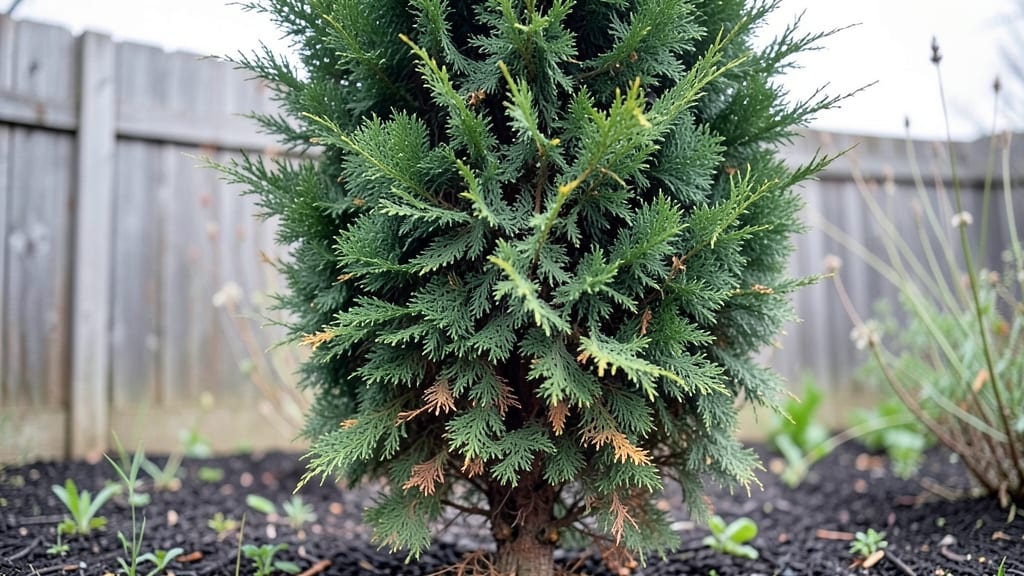
Planting Leyland cypress trees in the Pacific Northwest gives you a towering evergreen that thrives where other giants fail. 🌲 I’ve watched mine stand strong through winters that drop below freezing, their dense branches blocking wind and providing year-round privacy.
The key isn’t just the frost resistance—it’s how they grow fast enough to outpace weeds and pests while keeping their classic, symmetrical shape.
You’ll need well-draining soil (they hate soggy roots), full sun for at least six hours daily, and space—these trees grow 12-18 inches per year if given the right conditions.
The first year is critical: water deeply once a week unless rain does the work, and mulch heavily to protect roots from temperature swings. Most gardeners underestimate how much room they need—20-30 feet apart for mature height and spread.
By year three, you’ll have a 60-foot-tall privacy screen that stays lush even in drought or light frost. Pruning in late winter keeps them dense and healthy, while a balanced fertilizer in early spring jumpstarts growth.
The real magic? Their ability to handle the PNW’s wet winters and dry summers without complaint—something I’ve learned the hard way with finicky evergreens.
They’re not without challenges—bagworms and deer love them—but with the right spacing and occasional maintenance, these trees become the backbone of any landscape. Ready to plant one that outlasts the weather and your neighbors’ envy?
📚 In This Guide
- What you need
- Instructions
- Tips and common mistakes
- Wrapping up and next steps
What you need
- ● Leyland Cypress Trees: 1-3 saplings (3–5 ft tall, depending on desired growth speed). Choose healthy, well-rooted specimens from a reputable nursery.
- ● Shovel: A heavy-duty, round-point shovel (18–24" long) for digging holes.
- ● Garden Gloves: A pair of durable, breathable gloves (waterproof recommended).
- ● Mulch: 2–3 bags of wood chips or pine straw (3–4" layer) to retain moisture and suppress weeds.
- ● Compost or Fertilizer: 1 bag of balanced, slow-release fertilizer (10-10-10 ratio) or organic compost.
- ● Watering Can or Hose: With a gentle spray nozzle for post-planting hydration.
- ○ Stakes & Twine: (Optional but helpful for young trees) 2–4 wooden or metal stakes (3–4 ft tall) and soft twine for support.
- ● Soil Amendment: Peat moss or perlite (if your soil is heavy clay or sandy).
- ● Tree Guard: A plastic or metal tree collar to protect the trunk from pests.
- ● Drip Irrigation Kit: For low-maintenance watering (especially useful in dry summers).
- ● Pruning Shears: Bypass pruners (for shaping as the tree matures).
Step-by-Step guide to planting and establishing Leyland cypress trees
Here’s how to get these towering evergreens thriving in your Pacific Northwest landscape—with minimal fuss.
🪴 Step 1: Choose the Perfect Planting Site and Prepare the Soil
Leyland cypresses need full sun (at least 6 hours daily) and well-draining soil to prevent root rot. In the Pacific Northwest’s damp climate, I always test soil drainage first—dig a 12-inch hole, fill it with water, and wait. If it drains within 2 hours, your site is safe. If not, amend with 2-3 inches of coarse sand or gravel mixed into the native soil.
These trees grow 3-4 feet per year, so space them 12-15 feet apart for mature size. Avoid low-lying areas where cold air pools—Leylands tolerate frost but hate prolonged saturation. I mark the planting spot with a stake to ensure proper spacing before digging.
🌱 Step 2: Dig the Hole and Plant With Care
Dig a hole twice as wide as the root ball but only as deep—planting too deep suffocates roots. Gently remove the tree from its container and loosen any circling roots with your fingers. This prevents girdling as the tree matures. Place the tree in the hole so the root flare (where roots meet trunk) sits 1-2 inches above soil level—this ensures proper drainage and prevents rot.
Backfill with native soil mixed with compost (about 10% of the soil volume) to boost microbial activity. Tamp the soil lightly around the roots to eliminate air pockets, then water deeply until moisture reaches 12 inches down. Mulch with 3 inches of bark or wood chips in a 3-foot radius, keeping mulch 6 inches away from the trunk to prevent moisture buildup.
☀️ Step 3: Water Deeply and Monitor Growth
Leylands need 1-2 inches of water weekly during the first growing season, but deep watering is key—once a week is better than daily shallow watering. Use a soaker hose or drip irrigation to deliver water slowly at the base, avoiding wetting the foliage (which invites fungal diseases like needle blight). You’ll know you’re doing it right when the top 6 inches of soil feel moist but not soggy.
Fertilize lightly in early spring with a balanced 10-10-10 formula (about ½ cup per tree). Over-fertilizing causes weak, floppy growth. Prune only to shape—Leylands grow naturally columnar, so I avoid heavy trimming unless removing dead branches. Watch for browning needles in winter; this is normal in cold snaps but should green up by spring.
✂️ Step 4: Prune for Health and Shape (When Needed)
Leylands rarely need pruning, but if branches grow unevenly, trim in late winter or early spring before new growth starts. Use clean, sharp shears to make cuts just above a leaf node (the bump where branches meet stems). Avoid "heading back" (cutting into old wood)—this stresses the tree and encourages dense, disease-prone growth. I remove only dead, crossing, or rubbing branches to maintain airflow.
If your tree develops brown tips in winter, it’s likely winter burn—a common issue in the PNW’s wet, cold winters. To prevent it, I apply a 2-inch layer of mulch in fall and avoid overhead watering. Most trees recover fully by spring, but severe cases may require light pruning of damaged tips in early summer.
Tips & tricks for perfect Leyland cypress planting
Here's what nobody tells you about making these evergreens thrive in your Pacific Northwest yard.
Site Selection Secret: The 6 hours of daily sun requirement is non-negotiable, but here's the thing: morning sun with afternoon shade works best in hotter PNW summers. I've seen Leylands struggle in full afternoon sun—needles burn easily. If you must plant in partial shade, choose a location with at least 4 hours of direct morning sunlight for optimal growth.
Root Ball Preparation: When loosening circling roots in Step 2, don't just pull at them—use your fingers to gently separate each root from the root ball. I learned this the hard way after seeing trees struggle with restricted root growth. Also, never remove the tree from its container by the trunk—always grasp the root ball to prevent stem damage. The root flare should be the visual guide for proper depth placement.
Watering Wisdom: That 1-2 inches of water weekly guideline is perfect, but timing matters more than quantity. Water deeply in the morning so foliage has all day to dry, preventing fungal issues. I use a rain gauge to measure exactly 1.5 inches when my soil feels dry 6 inches down. Overwatering is the #1 killer—Leylands hate soggy feet just like we do!
Mulching Mastery: The 3-inch mulch layer recommendation is spot-on, but here's the pro move: apply mulch in late fall after the first frost to protect roots through winter. I always remove old mulch in early spring to prevent thatch buildup. And that 6-inch clearance from the trunk? Use a ruler to measure—too much mulch touching the bark causes rot. Think of it as creating a donut of mulch around your tree.
Pro Tips for Leyland Cypress Trees
- Here's what nobody tells you about making these evergreens thrive in your Pacific Northwest yard.
- Site Selection Secret: The 6 hours of daily sun requirement is non-negotiable, but here's the thing: morning sun with afternoon shade works best in hotter PNW summers.
- Root Ball Preparation: When loosening circling roots in Step 2, don't just pull at them—use your fingers to gently separate each root from the root ball.
Frequently asked questions
Got questions about Leyland cypress trees? You’re not alone! Here are answers to the most common queries—from planting to pests—so you can care for your evergreen with confidence.
How fast do Leyland cypress trees grow?
Leyland cypresses are fast growers—expect 3 to 4 feet per year under ideal conditions (full sun, well-drained soil, and regular watering). In the Pacific Northwest’s mild climate, they can reach 60+ feet tall in just 10–15 years! Prune young trees to encourage a fuller shape and control height.
Are Leyland cypress trees prone to pests or diseases?
While hardy, Leyland cypresses can attract bagworms, spider mites, or canker diseases in damp conditions. Prevent issues by:
- Watering at the base (not overhead) to reduce fungal risks.
- Inspecting foliage regularly for chewed leaves or webbing.
- Using horticultural oil sprays if pests appear (organic options like neem oil work too!).
Can Leyland cypress survive freezing temperatures?
Yes! These trees thrive in USDA Zones 6–10 and handle 10–15°F without major damage. However, young trees (under 5 years old) may need winter protection in colder PNW microclimates (e.g., windbreaks or burlap wraps). Mature trees are highly resilient—just avoid heavy snow buildup on branches.
What’s a good alternative if Leyland cypress is too fast-growing?
If you prefer a slower-growing evergreen, consider:
- Western red cedar (Thuja plicata) – Native to the PNW, grows 1–2 ft/year, and handles wet soil.
- Arborvitae (Thuja occidentalis) – Compact options like ‘Smaragd’ stay under 15 ft tall.
- Port Orford cedar – Slower growth (1 ft/year) and drought-tolerant.
How and when should I prune a Leyland cypress?
Prune twice a year for best results:
- Late winter/early spring (Feb–March): Shape the tree and remove dead wood.
- Mid-summer (July–August): Light trimming to encourage new growth.
Wrapping up and next steps
The Leyland cypress stands as a fantastic choice for Pacific Northwest gardeners, blending beauty, resilience, and practicality. With its frost-hardy nature and rapid growth, it’s perfect for adding year-round greenery to your landscape—whether for privacy screens, windbreaks, or simply as a striking focal point. 🌲
Ready to transform your outdoor space? Start by assessing your yard’s sunlight and soil needs, then pick the right variety for your climate. Check out our planting tips to get growing with confidence!