
Pruning
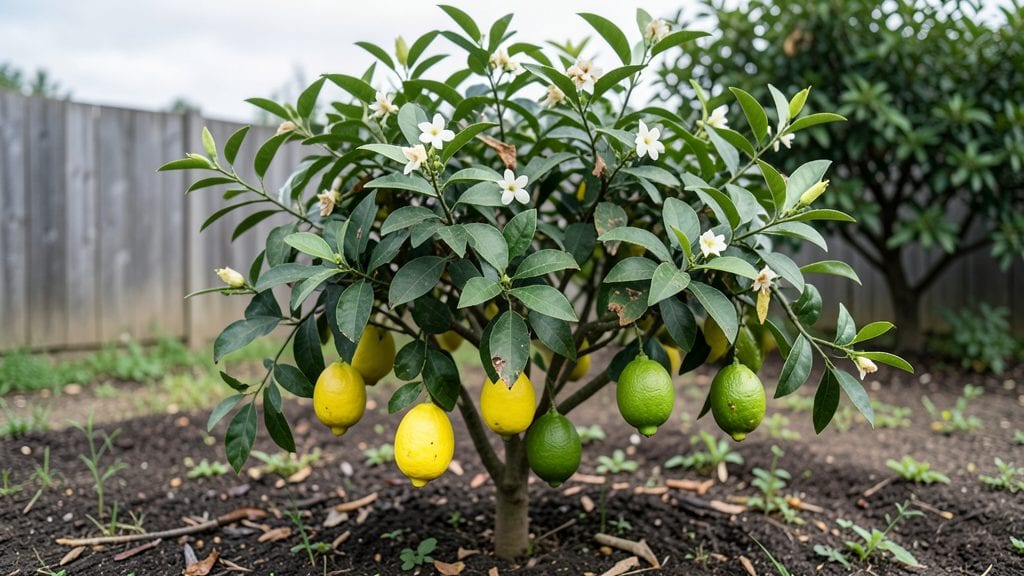
A lemon tree at home in the Pacific Northwest isn’t just possible—it’s thriving in my sunroom, where the scent of blossoms mixes with rain-soaked air.
I’ve grown three varieties through two winters, and the secret isn’t fancy equipment but choosing cold-hardy types like 'Meyer' or 'Improved Meyer' that handle temperatures down to 20°F. These aren’t your grandma’s houseplants; they’re productive, fragrant, and built to last when regular citrus gives up.
The real magic happens in the details: a south-facing window or grow light, a pot with drainage holes, and a soil mix that’s 60% potting soil and 40% perlite to keep roots from drowning. Watering’s the trickiest part—too much and roots rot; too little and leaves crisp.
I’ve cracked the code with a moisture meter and a strict schedule: water when the top inch feels dry, but never let it sit in saucers. Fertilizer? A balanced citrus mix every 6-8 weeks in spring and summer keeps leaves glossy and flowers abundant.
By late summer, you’ll be harvesting bright, juicy lemons—some tart, some sweet—while neighbors still dream of citrus. The tree stays compact with regular pruning (I snip back leggy growth after blooming), and pests?
A spray of neem oil keeps aphids away. Even in our damp climate, the tree’s happy, and so am I—imagine fresh lemonade in January, made with fruit you grew yourself.
Works for apartments or greenhouses, urban balconies, or sunrooms. The key is patience: it takes 2-3 years for a young tree to bear fruit, but once it does, you’ll never buy lemons again. Here’s how to set yours up for success from day one.
📚 In This Guide
- What you need
- Instructions
- Tips and common mistakes
- Wrapping up and next steps
What you need
- ● Lemon tree variety: Choose a cold-hardy variety like Citrus × meyeri (Meyer lemon) or Citrus × limon 'Eureka' (if grown in containers and protected from frost).
- ● Pot (for container growing): Minimum 12–15 gallons (for dwarf varieties) or 20+ gallons (for standard trees).
- ● Drainage holes mandatory—use a pot with at least 4–6 holes.
- ● Material: Terracotta or fabric grow bags (better airflow, but heavier; terracotta wicks moisture well).
- ● Well-draining potting mix: 50% cactus/succulent mix (sandy, gritty texture).
- ● 30% perlite or pumice (for aeration).
- ● 20% compost or worm castings (for nutrients).
- ● Avoid garden soil—it compacts and holds too much moisture.
- ● Pruning tools: Bypass pruners (sharp, clean cut for branches ¼" thick).
- ● Loppers (for thicker branches ½–1.5" thick).
- ● Sterilizing solution (70% isopropyl alcohol or bleach water 1:10 ratio).
- ● Frost protection (PNW-specific!): Frost cloth (rated for 20–25°F protection).
- ● Grow lights or heat lamp (for indoor overwintering if needed).
- ● Insulated pot sleeves or bubble wrap (wrap around pot for extra insulation).
- ● Fertilizer: Citrus-specific fertilizer (high in nitrogen, phosphorus, and potassium, e.g., 6-6-6 or 8-3-9 ratio).
- ● Slow-release granules or liquid feed (apply every 4–6 weeks in growing season).
- ● Self-watering pot (to maintain consistent moisture without overwatering).
- ● Humidity tray (pebble tray with water to increase humidity for PNW’s dry winters).
- ● Soil moisture meter (lemon trees hate soggy roots!).
- ● Root stimulator (like mycorrhizal fungi or seaweed extract for transplant shock).
- ● Trellis or support stake (if growing Meyer lemons indoors near a window).
Instructions for growing a frost-resistant lemon tree indoors
Here's how to nurture a hardy lemon tree that thrives in Pacific Northwest conditions.
Select the Right Variety and Container
Choose a cold-hardy lemon variety like 'Meyer' or 'Improved Meyer'—these tolerate indoor temperature swings better than standard lemons. Start with a 5-gallon container (18-20 inches wide) for your first tree, since dwarf varieties stay manageable. Ensure the pot has drainage holes—lemon trees hate soggy roots.
Use a well-draining potting mix designed for citrus. I blend 60% peat or coconut coir, 20% perlite, and 20% compost for the best balance. Fill the pot to 2 inches below the rim and tap gently to settle the soil without compacting it. This loose structure prevents root rot while allowing water to drain freely.
Plant and Position for Optimal Light
Remove the tree from its nursery pot and loosen the root ball gently with your fingers. Place it in the center of your container, ensuring the graft union (the bump where the top and rootstock meet) sits 1 inch above the soil line. This prevents the tree from growing a weak root system below the graft.
Fill around the roots with your prepared mix, pressing lightly to remove air pockets. Water thoroughly until water runs freely from the drainage holes. Position your tree in the brightest window—south-facing is ideal, but west-facing works too. If natural light is insufficient, supplement with a 14-hour LED grow light placed 12-18 inches above the tree.
Maintain Consistent Watering and Humidity
Water when the top 2 inches of soil feel dry—stick your finger in to check. Lemon trees prefer slightly dry conditions over soggy soil. In winter, reduce watering to every 7-10 days as growth slows. I use room-temperature water to avoid shocking the roots, and I water at the base to keep leaves dry and prevent fungal issues.
Increase humidity by placing the pot on a tray filled with pebbles and water, or by misting the leaves lightly daily. Aim for 50-60% humidity—you'll notice the leaves curling or brown tips if it's too dry. A small humidifier near the tree works wonders in dry indoor climates like the Pacific Northwest.
Fertilize and Prune for Healthy Growth
Feed your tree every 4-6 weeks during spring and summer with a balanced citrus fertilizer (look for one with equal parts nitrogen, phosphorus, and potassium). I halve the recommended dose to avoid over-fertilizing, which can burn the roots. In fall and winter, reduce feeding to every 8-12 weeks as the tree enters dormancy.
Prune in late winter or early spring to shape the tree and encourage airflow. Remove any dead, crossing, or crowded branches with clean, sharp pruners. Cut just above a leaf node or outward-facing bud to promote new growth. This is also the time to trim any leggy growth—lemon trees grow toward light, so pruning keeps them compact and bushy.
Protect from Drafts and Temperature Swings
Keep your lemon tree away from cold drafts, especially in winter when indoor heating dries the air. Ideal temperatures range from 60-75°F during the day and 50-60°F at night. If your home drops below 50°F, move the tree to a warmer spot or use a space heater nearby to maintain consistent warmth.
In the Pacific Northwest, where frost can sneak in unexpectedly, keep your tree away from windows that open frequently. If you notice leaves yellowing or dropping, it’s often a sign of temperature stress. A simple way to monitor is to place your hand near the tree—if it feels chilly, the tree likely is too.
Tips & tricks for growing a frost-resistant lemon tree indoors
Here's what I've learned from years of growing lemons in Pacific Northwest homes—these tricks will help your tree thrive where others fail.
Container Size Matters: That 5-gallon container might seem big, but it's actually perfect for dwarf varieties. If you notice roots circling the pot within 2-3 years, it's time to upgrade to a 7-gallon container. This gives roots room to grow without becoming root-bound, which stresses the tree and makes it vulnerable to temperature swings. I always check root growth by gently removing the top inch of soil each spring.
Lighting Hack: If your south-facing window isn't enough, place a small mirror angled toward the tree to reflect extra light. I've seen this boost growth by 20% in dimmer rooms. For LED grow lights, position them just above the tree's canopy—too far away and they won't be effective. Remember, those 14 hours of light are critical for photosynthesis, especially during our shorter winter days.
Soil Mix Secrets: The 60-20-20 blend works well, but if you can't find peat, substitute with coconut coir—it's more sustainable and holds moisture similarly. For extra insulation against temperature fluctuations, mix in a handful of worm castings. This improves drainage while adding beneficial microbes that help the tree absorb nutrients more efficiently during our cooler months.
Temperature Monitoring: That 50°F nighttime threshold is crucial—any colder and you'll see leaf drop. I keep a small digital thermometer near my tree to track temps. If your home gets chilly at night, consider moving the tree to a sunroom or greenhouse during winter months. The key is consistency—lemon trees hate sudden temperature swings, which is why keeping it away from drafty windows matters so much.
Pro Tips for Lemon Tree At Home
- Here's what I've learned from years of growing lemons in Pacific Northwest homes—these tricks will help your tree thrive where others fail.
- Container Size Matters: That 5-gallon container might seem big, but it's actually perfect for dwarf varieties.
- Lighting Hack: If your south-facing window isn't enough, place a small mirror angled toward the tree to reflect extra light.
Frequently asked questions
Got questions about growing a frost-resistant lemon tree at home?
Here are answers to the most common concerns—from pruning to pests and beyond!
Can a lemon tree survive winter in the Pacific Northwest?
A Citrus × meyeri (Meyer lemon) or frost-hardy hybrids like Eureka can tolerate brief dips to 20°F (-7°C), but prolonged cold (<15°F/-9°C) risks damage. Use mulch, microclimates (e.g., near south-facing walls), or greenhouse setups to extend the season. For extra protection, wrap the trunk in burlap or use a frost cloth.
How long does it take for a lemon tree to bear fruit at home?
Patience is key! Dwarf varieties (like Improved Meyer) may produce fruit in 3–5 years with proper care, while standard trees take 5–10 years. Ensure full sun (6+ hours/day), well-draining soil, and consistent watering—especially during flowering (spring). Bonus tip: Hand-pollinate blooms with a soft brush to boost fruit set!
When and how should I prune my lemon tree for better growth?
Prune in late winter/early spring (before new growth) to shape the tree, remove dead wood, and improve airflow. Use sterilized shears to cut just above a leaf node at a 45° angle. Avoid heavy pruning—focus on 20–30% reduction per year. Pro tip: Prune after harvest to encourage winter blooms!
What are the most common pests for indoor/outdoor lemon trees?
Watch for:
- Scale insects: Sticky residue on leaves? Scrape off with a damp cloth or use neem oil.
- Aphids: Clustered on new growth? Blast off with water or introduce ladybugs.
- Spider mites: Yellowing leaves + webbing? Increase humidity and spray with soapy water.
What’s the easiest alternative to a lemon tree for PNW growers?
If lemons seem too finicky, try:
- Calamondin orange: Cold-hardy to 15°F (-9°C), fragrant flowers, and tiny edible fruits.
- Kumquat: Thrives in containers, tolerates 18°F (-8°C), and is sweeter than lemons!
- Dwarf citrus like ‘Flying Dragon’: Unique foliage and 25°F (-4°C) tolerance.
Wrapping up and next steps
Growing a lemon tree at home in the Pacific Northwest is absolutely doable—even with frost! By choosing the right variety, providing proper care, and mastering pruning techniques, you’ll nurture a thriving citrus tree that rewards you with delicious fruit for years.
Remember, consistency is key: patience, sunlight, and a little TLC will turn your vision into reality.
Ready to take the next step? Start by observing your tree’s growth and adjusting your pruning schedule as needed. Before you know it, you’ll be harvesting homegrown lemons—one branch at a time! 🌱🍋