
Pruning
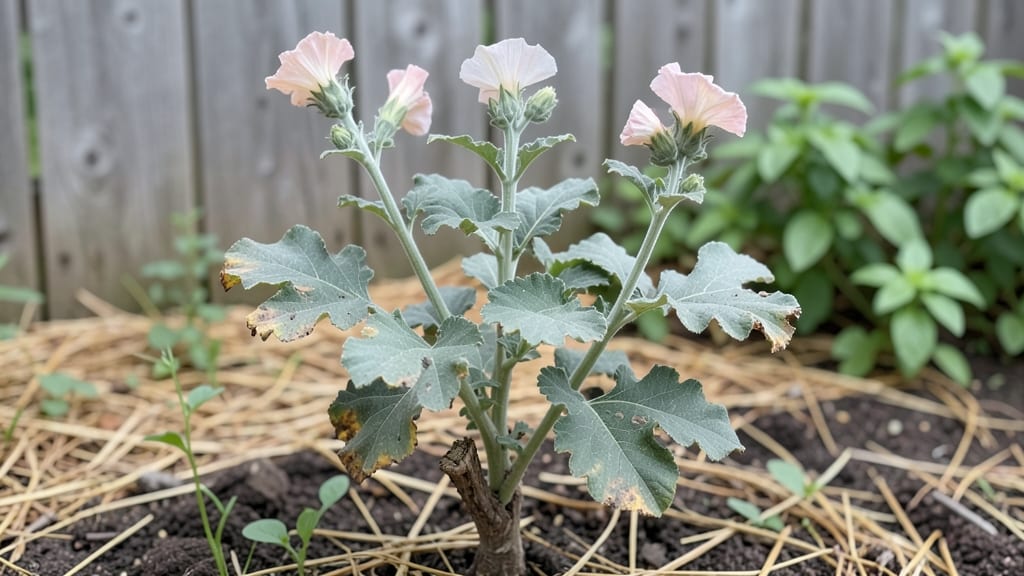
When you prune Lavatera maritima tree mallow, you're not just shaping the plant—you're preparing it to survive Pacific Northwest winters with its signature resilience.
I still remember the first time I saw mine push through frost after a brutal December, its silvery leaves unfazed by what would kill most perennials. That hardiness starts with the right cuts at the right time, and I've learned the hard way which mistakes to avoid.
The key is timing: prune right after flowering in early summer, then again in late winter before new growth starts. You'll need sharp shears and a clear day—this isn't delicate work. The goal is to remove about one-third of the plant's height, focusing on crossing branches and dead wood.
My first attempt left it looking like a hedgehog, but after three seasons, I've perfected the technique for that neat, bushy shape that thrives through our damp winters.
What you'll end up with is a plant that looks like it belongs in a coastal garden, even in inland PNW yards. Those silvery-green leaves stay vibrant through frost, and the stems develop a woody texture that resists rot.
The best part? You'll have more blooms next season because you're encouraging new growth from the base rather than letting it get leggy.
This method works equally well for container-grown plants or those in the ground, though containers need slightly more aggressive pruning to prevent root crowding. The same principles apply whether you're dealing with a three-foot-tall specimen or a sprawling hedge—just adjust the shears accordingly. Let's get those branches trimmed properly.
📚 In This Guide
- What you need
- Instructions
- Tips and common mistakes
- Wrapping up and next steps
What you need
- ● Pruning shears or secateurs: Sharp, bypass-style (not anvil) shears with 4-6 inch blades for clean cuts. Sterilize with rubbing alcohol before and after use.
- ● Loppers: 8-12 inch reach for thicker branches (up to 1.5 inches in diameter). Look for ratchet-style for easier cutting.
- ○ Hand pruners: Small, ergonomic for delicate trimming (optional but handy for fine-tuning).
- ● Gloves: Heavy-duty, cut-resistant (e.g., mechanics’ gloves) to protect from thorns and debris.
- ● Disinfectant (70% isopropyl alcohol or bleach solution): 1 part bleach to 9 parts water for cleaning tools between cuts.
- ● Heavy-duty trash bags or bucket: For collecting pruned branches and debris.
- ● Ladder or step stool: If your Lavatera maritima exceeds 6 feet in height.
- ● Marking twine or flags: Bright-colored (e.g., orange) to tag branches for removal or shaping.
- ● Safety glasses: Protect your eyes from flying debris.
- ● Knee pads: For comfort during extended pruning sessions.
- ● Pruning saw: For branches thicker than 1.5 inches (rare for Lavatera maritima, but useful for stubborn growth).
- ○ Plant sealant (optional): Pruning paste to coat large cuts and prevent disease entry.
- ● Notebook & pen: To jot down notes on frost-prone areas or growth patterns.
Step-by-step pruning guide for Lavatera maritima in the Pacific Northwest
Here’s how I keep my tree mallows thriving through our wet winters and mild summers.
Time Your First Cut for Late Winter Dormancy
Prune Lavatera maritima in late winter—right after the last frost but before new growth begins. In the Pacific Northwest, this typically falls between mid-February and early March, when temperatures hover around 40-50°F. The plant’s dormant state makes it less vulnerable to disease and allows you to shape it aggressively without stress.
Look for brown, woody stems that have lost their leaves—these are ready for pruning. Avoid cutting into fresh, green growth, which signals the plant is waking up. If you’re unsure, wait a week or two. The goal is to remove dead or weak wood while preserving the plant’s natural structure.
Remove Dead Wood and Shape for Airflow
Start by cutting back any blackened, brittle stems at the base with clean, sharp pruners. These dead branches won’t regrow and can harbor pests or fungal spores. Next, thin out crossing or rubbing branches—these create weak points where disease can enter. I aim to leave open centers so air circulates freely, which is critical in our damp climate.
Step back and assess the plant’s shape. Lavatera maritima naturally grows in a loose, airy habit, so avoid over-pruning into a dense ball. Focus on reducing height by one-third if the plant looks leggy. This encourages bushier growth and prevents the stems from becoming too heavy for our rainy winters.
Encourage New Growth with Strategic Cuts
Make your final cuts just above a leaf node or outward-facing bud to promote new shoots. Avoid leaving stubs—these can rot in our wet conditions. For older wood, cut back to healthy green growth rather than bare stems. This ensures the plant redirects energy into fresh, vibrant branches rather than struggling to revive dead tissue.
If your tree mallow has overly long stems, shorten them by half to encourage a fuller, more compact form. You’ll see new buds forming within 4-6 weeks of pruning, signaling successful regrowth. In the Pacific Northwest, this timing aligns perfectly with the start of our dry season, giving the plant the best chance to establish before summer rains return.
Clean Up and Protect for Winter’s Return
After pruning, remove all clippings from the garden bed to prevent fungal diseases from spreading. In our climate, fallen leaves and debris can trap moisture against the plant, inviting rot. I also apply a 2-inch layer of mulch around the base to insulate roots and retain moisture during our cooler months.
If you notice any signs of stress—like yellowing leaves or slow regrowth—reduce watering slightly. Lavatera maritima is drought-tolerant once established, but overwatering in winter can lead to root rot. Monitor the soil; it should stay slightly moist but not soggy until spring growth resumes.
Prepare for Frost with Light Pruning in Early Fall
Before the first hard frost of autumn, give your tree mallow a light trim to remove any weak or diseased growth that might not survive the winter. Focus on tidying up rather than heavy pruning—this prevents shock before dormancy sets in. In the Pacific Northwest, this usually means cutting back only the most damaged stems by one-third in October or early November.
The goal is to reduce stress so the plant can focus on hardening off for winter. Avoid pruning after the first frost, as new growth will be vulnerable to cold damage. By late fall, your tree mallow should look neat but natural, with no dead wood left to weaken it through the winter months.
Tips & tricks for perfect Lavatera maritima pruning
Pruning your tree mallow correctly makes all the difference in our Pacific Northwest climate. Here's what I've learned from years of keeping mine thriving through our wet winters.
Timing is Everything: The late winter window between mid-February and early March is critical for successful pruning. I check the weather forecast and wait until we've had at least 3 consecutive nights below freezing to confirm dormancy. If you prune too early, you risk encouraging premature growth that won't survive our occasional late frosts. Between us, I've learned this the hard way after losing new shoots to unexpected cold snaps.
Tool Preparation Matters: Clean, sharp pruners are non-negotiable for healthy cuts. I sterilize my tools with rubbing alcohol between plants to prevent spreading fungal spores, especially important in our damp climate. For larger branches, I use loppers with bypass blades - they make cleaner cuts that heal faster. Don't make my mistake: dull tools tear stems, creating larger wounds that invite disease in our wet conditions.
Shape with Purpose: When reducing height by one-third, focus on creating an open vase shape rather than a tight ball. This allows air to circulate through the center, preventing the fungal issues we see so often in dense pruning. I like to visualize the plant's natural growth habit - tree mallows grow in loose, airy forms, so we should preserve that structure. After pruning, I always step back to check the silhouette from multiple angles to ensure balanced growth.
Post-Pruning Care: The 2-inch layer of mulch I apply isn't just decorative - it's essential for insulating roots during our cooler months. I use shredded bark mulch because it breaks down slowly, providing long-term moisture retention. And here's a pro move: I always water thoroughly after pruning but before mulching. This helps the plant recover from the stress of cutting while preventing the mulch from trapping too much moisture against the stems.
Pro Tips for Lavatera Maritima Tree Mallow
- Pruning your tree mallow correctly makes all the difference in our Pacific Northwest climate.
- Timing is Everything: The late winter window between mid-February and early March is critical for successful pruning.
- Tool Preparation Matters: Clean, sharp pruners are non-negotiable for healthy cuts.
Frequently asked questions
Got questions about Lavatera maritima (Tree Mallow) in the Pacific Northwest? You’re not alone!
Here are answers to the most common concerns—from pruning to frost prep—to keep your plant thriving.
When is the best time to prune Lavatera maritima in cold climates?
Prune Lavatera maritima in late winter or early spring (before new growth starts) to avoid frost damage. If you live in the PNW’s Zone 7-9, wait until after the last hard freeze (typically March or April). Never prune in fall—it reduces winter hardiness.
How cold can Lavatera maritima tolerate, and how do I protect it from frost?
Lavatera maritima is hardy to USDA Zone 7, but young plants or severe frosts (<10°F) may need help. Mulch the base with 2-3 inches of straw or wood chips, and cover with frost cloth if temps drop below 20°F. Avoid pruning in fall—it stresses the plant before winter.
Should I cut back dead stems in winter, or wait until spring?
Remove only the most obvious dead or damaged stems in late winter (if they’re clearly lifeless). Wait until spring (March–April) to prune back healthy stems by ⅓ to encourage bushier growth. Never cut into green tissue—it signals new growth too early and risks frost damage.
What if my Lavatera maritima doesn’t regrow after pruning?
If your plant stays dormant past spring, it may be under-pruned or frost-damaged. Check for green buds at the base—if none appear by mid-April, the plant might need more sunlight, better drainage, or a warmer microclimate. Avoid fertilizing until new growth emerges.
Can I grow Lavatera maritima in containers for better frost control?
Yes! Containers let you move plants to sheltered spots before winter (e.g., near a south-facing wall). Use fast-draining soil and a pot with drainage holes. Water sparingly in winter and wrap the pot in bubble wrap for extra insulation. Just ensure the container is large enough (15+ gallons) for mature roots.
Wrapping up and next steps
Pruning your Lavatera maritima (Tree Mallow) isn’t just about aesthetics—it’s a key to unlocking its hardiness in the Pacific Northwest’s chilly climate! By following the right techniques—like cutting back in early spring, removing dead growth, and shaping for airflow—you’ll help this resilient beauty thrive year after year. 🌿
Now that you’re armed with the know-how, grab those shears and give your Tree Mallow the TLC it deserves. Ready to see it flourish? Start small—prune just one section this season, observe how it responds, and build your confidence. Happy gardening! ✨