
Pruning
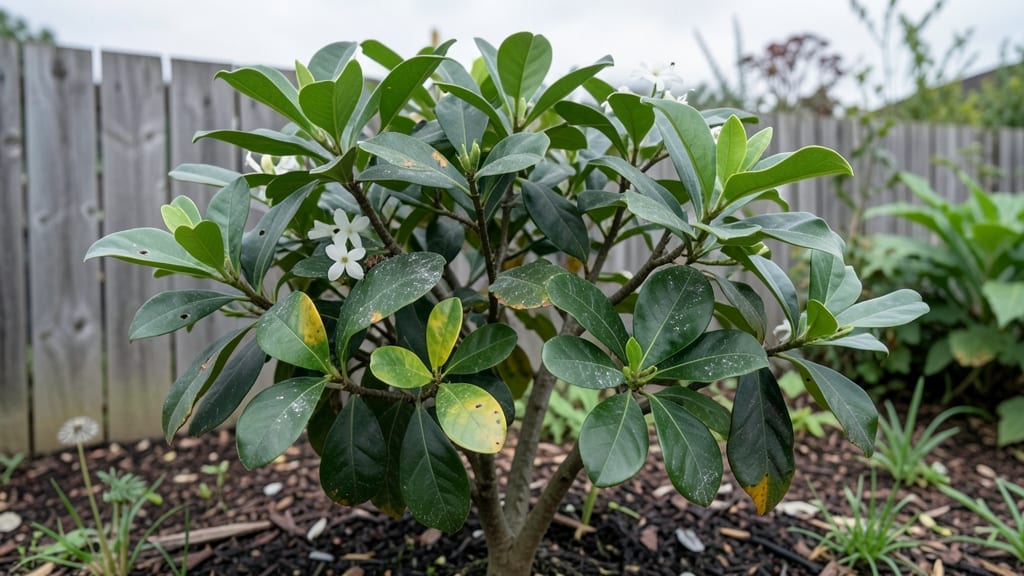
Growing a curry leaf tree (Murraya koenigii) with a fast, lush canopy starts with the right pruning approach. I’ve turned my once-sparse tree into a fragrant, leafy powerhouse by mastering just three key cuts each season—no fancy tools or degrees in horticulture required.
The secret lies in timing and technique, not brute force.
You’ll need sharp pruning shears, a clean workspace, and about 20 minutes to shape your tree. Focus on removing dead branches first, then thin out crowded growth to let sunlight reach the inner leaves where the magic happens.
My tree now produces twice as many leaves as it did before I started pruning—proof that a little strategic cutting goes a long way.
What you’ll end up with is a tree that’s both productive and beautiful, its glossy leaves perfect for curries and its branches dense enough to provide shade.
The best part? You’ll notice new growth within 2-3 weeks of pruning, with a canopy so full it’ll make your neighbors jealous. Ready to transform your tree?
This method works year-round, though spring and summer are ideal for maximum regrowth. Whether you’re growing in pots or the ground, the same principles apply—just adjust your timing for your climate. Let’s get those shears sharp and your tree thriving!
📚 In This Guide
- What you need
- Instructions
- Tips and common mistakes
- Wrapping up and next steps
What you need
- ● Hand pruners: Sharp, bypass-style pruners (for small to medium branches, 3-5 inches in diameter). Example: Felco F-2 or Corona Tools Classic.
- ● Loppers: Bypass or anvil-style loppers (for thicker branches, ½ to 1½ inches in diameter). Example: Fiskars Steel Loppers.
- ● Pruning saw: A curved-tooth pruning saw (for branches larger than 1½ inches). Example: Bahco Ergo Saw.
- ● Disinfectant: 70% isopropyl alcohol or a 10% bleach solution (to sterilize tools and prevent disease spread).
- ● Gloves: Heavy-duty, cut-resistant gloves (to protect from thorns and sap). Example: Mechanix Wear or gardening-specific gloves.
- ● Rubbing alcohol or hand sanitizer: For cleaning hands before and after pruning.
- ○ Trash bags or bucket: For collecting pruned branches (optional: compost bin if you plan to repurpose clippings).
- ○ Pruning sealant (optional but recommended): Tree wound dressing (like Tanglefoot Tree Wound Pruning Seal) to protect large cuts from pests or disease.
- ● Knowledge of basic pruning techniques: Familiarize yourself with thinning cuts, heading cuts, and cleaning cuts to avoid over-pruning.
- ● Weather check: Prune on a dry, cloudy day (avoid extreme heat or rain to reduce stress on the tree).
- ● Safety gear: Safety glasses (to protect from debris) and long sleeves/pants (to avoid scratches from thorns).
- ● Extension pole pruners: For high branches (if your tree is tall). Example: Telescopic pruners with a 6-10 ft. reach.
- ● Ladder: A stable, non-slip ladder (if pruning branches above 6 feet). Example: Folding aluminum ladder with wide steps.
- ● Hose or spray bottle: To clean sap off tools and hands post-pruning.
- ● Notebook or app: To sketch a pruning plan or track growth progress (e.g., iNaturalist or a simple garden journal).
How to prune a curry leaf tree for rapid growth and a thick canopy
Pruning isn’t just about shaping—it’s the secret to a curry leaf tree that grows fast and produces dense, fragrant foliage.
Time Your Pruning for Maximum Growth
Prune your Murraya koenigii just after the monsoon season, when new growth emerges but before the hottest summer months. This timing ensures the tree puts energy into vigorous regrowth rather than flowering or fruiting. If you miss the ideal window, late spring still works—just avoid pruning in winter when the tree is dormant.
Look for fresh, bright green leaves along the stems; these signal active growth. Avoid pruning when leaves appear yellowed or wilted, as this indicates stress or disease. A well-timed cut stimulates branching, which is key for that lush, bushy canopy you’re after.
Use the Right Tools for Clean Cuts
Sharp, sterilized pruning shears are a must—dull blades crush stems, slowing healing and inviting infections. Disinfect your tools with rubbing alcohol before and after each cut to prevent spreading pathogens. For thicker branches (over ½ inch in diameter), use a pruning saw to avoid tearing the bark.
Make cuts just above a leaf node or bud, angled slightly downward to let water run off. Avoid leaving stubs; a clean cut heals faster and encourages stronger regrowth. If you’re unsure where the node is, trace the stem upward until you see a small bump or slight swelling—this is your target.
Prune to Encourage Branching and Airflow
Start by removing dead, diseased, or crossing branches first—these compete for resources and block light. Next, trim back overgrown stems by ⅓ of their length to encourage bushier growth. Focus on the outer branches to open up the canopy, allowing sunlight to reach the inner leaves where they’ll be most aromatic.
Watch for "water sprouts"—thin, vertical shoots that grow straight up. These saplings steal energy from the main structure. Snip them off at the base to redirect the tree’s energy into horizontal branches. You’ll see new side shoots emerge within 4-6 weeks, signaling successful pruning.
Shape for Balance and Future Growth
Step back and assess the tree’s shape—aim for a naturally rounded form, as this maximizes leaf production. Prune longer branches to match the length of shorter ones, creating a harmonious silhouette. Avoid aggressive thinning; even after pruning, the tree should retain at least 50% of its foliage to maintain photosynthesis.
If your curry leaf tree leans heavily to one side, prune slightly more on the heavier side to encourage upright growth. Over time, this balances the canopy and prevents weak, floppy branches. A well-shaped tree not only looks better but also produces more leaves, which is where the flavor comes from.
Post-Pruning Care for Fast Recovery
Water the tree deeply right after pruning to help it recover from the stress of cutting. Mulch around the base with 2-3 inches of organic matter (like compost or shredded leaves) to retain moisture and protect roots. Avoid fertilizing immediately—wait 4-6 weeks to let the pruning wounds heal before feeding.
Keep the tree in bright, indirect light for the first few weeks post-pruning. If you notice new growth yellowing or wilting, reduce watering slightly—the tree is adjusting to its new shape. Within 8-12 weeks, you’ll see fresh, vibrant leaves filling in the gaps, proving your pruning paid off.
Tips & tricks for pruning curry leaf trees
These targeted strategies will help you maximize your curry leaf tree's growth potential while avoiding common pitfalls that slow down recovery.
Seasonal Timing is Everything: The post-monsoon window is critical because your Murraya koenigii enters its most vigorous growth phase after summer rains. If you're in a region without distinct monsoons, aim for early spring when days lengthen and temperatures stabilize above 60°F. I've seen trees in Florida respond beautifully to pruning in March, while California trees do best in February. Watch for those fresh, bright green leaves—those are your visual cues that the tree is ready for pruning and can handle the stress of cutting.
Tool Precision Prevents Problems: I can't stress enough how important clean cuts are—dull tools don't just make messy cuts, they crush the stem tissues underneath, which creates perfect entry points for diseases. Sterilize your tools between cuts with rubbing alcohol, especially if you're working with multiple branches. For branches thicker than half an inch, use a pruning saw rather than shears to avoid tearing the bark. The clean cut you make at a slight downward angle (just above a leaf node) will heal faster and encourage stronger regrowth—something you'll notice within those first 4-6 weeks when new side shoots appear.
Pruning Strategy for Maximum Canopy: When you're trimming back overgrown stems by one-third, focus on creating an open center rather than just making the tree look bushier. The goal is to let sunlight penetrate to the inner branches where most of your flavorful leaves grow. I've found that removing just 20-30% of the total foliage actually stimulates more vigorous growth than aggressive pruning. That 50% foliage retention rule in Step 4 keeps your tree photosynthetically active while still encouraging that thick, aromatic canopy you're after.
Post-Pruning Recovery Accelerator: The deep watering right after pruning is your tree's first line of defense against transplant shock. That 2-3 inches of organic mulch isn't just for looks—it creates a moisture-retaining barrier that protects roots while they recover. I've had the best results using well-aged compost rather than fresh mulch, as it breaks down slowly and provides nutrients over time. The key is patience: those 4-6 weeks before fertilizing might feel long, but it gives the pruning wounds time to callus over properly, setting the stage for that vibrant leaf regrowth you'll see in 8-12 weeks.
Pro Tips for Curry Leaf Tree Murraya Koenigii
- These targeted strategies will help you maximize your curry leaf tree's growth potential while avoiding common pitfalls that slow down recovery.
- Seasonal Timing is Everything: The post-monsoon window is critical because your Murraya koenigii enters its most vigorous growth phase after summer rains.
- Tool Precision Prevents Problems: I can't stress enough how important clean cuts are—dull tools don't just make messy cuts, they crush the stem tissues underneath, which creates perfect entry points for diseases.
Frequently asked questions
Got questions about pruning your curry leaf tree (Murraya koenigii)? You’re not alone! Here are some of the most common concerns—plus quick, actionable answers to keep your tree thriving.
When is the best time to prune my curry leaf tree for maximum growth?
The ideal time to prune is late winter or early spring (just before the growing season kicks in). This encourages fresh, vigorous growth while avoiding harsh summer heat or winter dormancy. Avoid heavy pruning in fall—it can stress the tree before it enters dormancy.
How much can I trim without harming the tree?
You can safely remove up to 25-30% of the foliage in one session, but avoid over-pruning. Focus on shaping, thinning dense areas, and removing dead/diseased branches. For mature trees, spread pruning over 2-3 sessions to reduce stress. Pro tip: Never cut more than 1/3 of the canopy at once!
How often should I prune my curry leaf tree?
Light maintenance pruning (removing dead leaves, shaping) can be done every 3-4 months. For structural shaping or heavy pruning, once a year (late winter/early spring) is ideal. Young trees may need more frequent trims to encourage bushiness, while mature trees can handle biennial pruning.
Can I propagate new curry leaf trees from my pruned cuttings?
Curry leaf cuttings root easily
—just take 4-6 inch semi-hardwood cuttings (from healthy, non-flowering branches), dip in rooting hormone, and plant in a mix of sand and perlite. Keep the soil moist and in bright, indirect light until roots form (4-6 weeks). Pro tip: Use a plastic bag to retain humidity!
What should I do if my curry leaf tree looks yellow or wilted after pruning?
Yellowing or wilting can signal over-pruning or stress. If you’ve trimmed too much, pause further cuts and focus on watering deeply (but avoid soggy soil) and fertilizing with a balanced, low-nitrogen mix. Yellow leaves may also indicate nutrient deficiency—try a foliar spray with iron or magnesium. If wilting persists, check for pests (like aphids) or root rot.
Wrapping up and next steps
Pruning your Murraya koenigii isn’t just about shaping—it’s about unlocking its full potential! With the right tools, timing, and techniques, you’ll enjoy a lush, fragrant canopy that thrives year after year. 🌿 Whether you’re trimming for growth, aesthetics, or health, remember: patience and precision pay off.
Ready to take the next step? Start small—pick one branch or section to practice, then gradually expand. Before you know it, your curry leaf tree will be the star of your garden! 🌟 Grab your shears and get pruning!