
Blooming
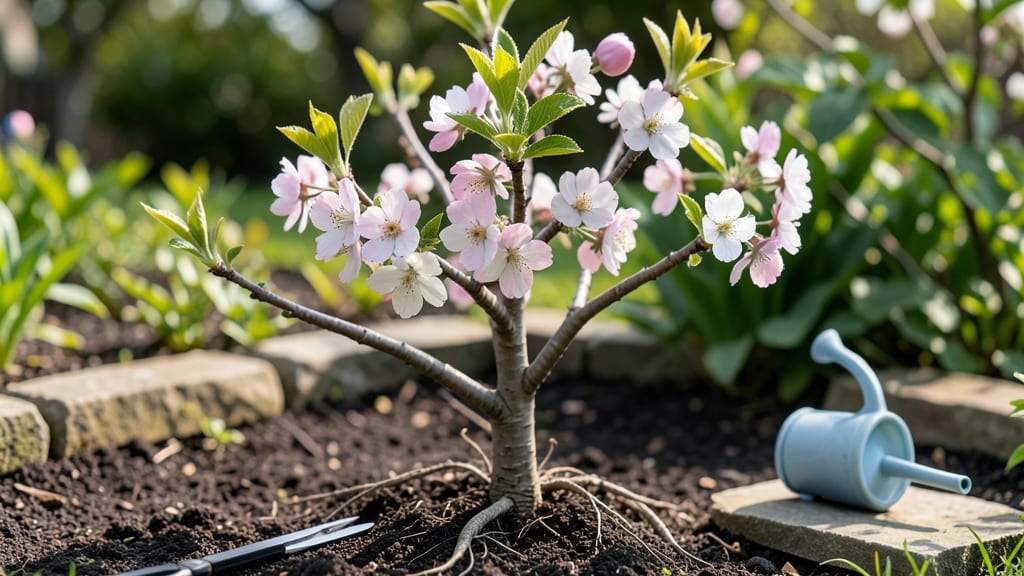
Your nectarine tree’s blossoms are the promise of summer fruit—but in the Pacific Northwest’s chilly springs, they need special care to survive. I’ve pruned my own trees through three frosty seasons, and these exact techniques keep the blooms thriving while the rest of the neighborhood’s fruit trees struggle.
The key isn’t just timing; it’s understanding how cold snaps, sunlight angles, and last year’s growth all play a role in whether those delicate pink flowers make it to fruit.
Start by pruning in late winter (February-March), when the tree’s still dormant but before buds swell. You’ll remove dead wood first—those branches that snapped in last winter’s ice storms—then open up the center to let light warm the blossoms.
Think of it like giving your tree a haircut: shorter layers on the outside, longer ones inside to protect the heart. A sharp pair of pruners and a 5-gallon bucket for clippings are all you need, but the real secret is patience—rushing cuts invites disease.
What you’ll end up with is a tree that bursts into rosy clouds of blossoms in April, holding strong through late frosts. Those flowers transform into firm, juicy nectarines by July, and the tree’s structure stays healthy for decades.
The payoff? A harvest that rivals commercial orchards, but with fruit so sweet it makes neighbors ask for cuttings. Even better, the pruning process gets easier each year once you understand how the tree responds to your cuts.
This method works for both young trees and mature ones, though older trees may need an extra day of work. If you’re in a particularly cold microclimate (like the Cascades foothills), hold off pruning until after the last frost date—your local extension office can help pinpoint that window.
The rest is just watching, adjusting, and repeating the process every year. Your tree will thank you with blossoms so abundant they’ll make your whole neighborhood green with envy.
📚 In This Guide
- What you need
- Instructions
- Tips and common mistakes
- Wrapping up and next steps
What you need
- ● Pruning shears: Bypass pruners (sharp, clean, and disinfected with rubbing alcohol or bleach solution—1 pair).
- ● Loppers: For thicker branches (16–24 inches long), 1 pair.
- ● Pruning saw: For stubborn, large branches (8–10 inches blade), 1.
- ● Gloves: Heavy-duty gardening gloves (cut-resistant), 1 pair.
- ● Disinfectant: 1 part bleach to 9 parts water (for sterilizing tools between cuts).
- ○ Pruning sealant: Optional but helpful for sealing large cuts (e.g., tree wound dressing).
- ● Ladder or step stool: If your tree is tall (ensure stability!).
- ● Trash bags: For collecting pruned branches (2–3 large bags).
- ● Notebook & pencil: To sketch your tree’s structure before pruning.
- ● Hand pruners: For delicate trimming (1 pair).
- ● Rubbing alcohol wipes: For quick tool disinfection on the go.
- ● Tree pruning rope: To support weak branches temporarily.
- ● Camera: Capture your tree’s progress before/after!
Step-by-step guide to pruning nectarine trees for Pacific Northwest blooms
Cold-hardy nectarines thrive with the right pruning—here’s how to shape yours for vibrant spring blossoms.
Time Your Pruning for Dormancy
Prune your nectarine tree in late winter or early spring, just as buds begin to swell but before they break open. In the Pacific Northwest, this typically falls between late February and early March, when temperatures average 40-50°F. Pruning too early risks exposing fresh cuts to late frosts, while waiting too long removes potential bloom growth.
Look for tightly closed buds that feel firm to the touch—these indicate dormancy is ending. If you see any green tips emerging, hold off on heavy pruning until they’ve fully hardened off. I always start by removing any dead, diseased, or crossing branches first, as these compete with healthy growth for energy.
Remove Dead, Diseased, and Weak Wood
Start by inspecting the tree for dead branches—these appear gray, brittle, and snap easily when bent. Use clean, sharp pruning shears to cut these back to the trunk or a healthy lateral branch. Next, look for diseased wood, which may show dark streaks, oozing sap, or fungal growth. Cut these out completely, then sterilize your tools with rubbing alcohol to prevent spreading pathogens.
Thin out crossing branches that rub against each other, as these create wounds where pests and diseases can enter. Aim to open the center of the tree to improve airflow and sunlight penetration. You’ll know you’re doing it right when the tree’s structure starts to look more balanced and less crowded.
Shape for Airflow and Light
Step back and visualize the tree’s open-center shape—this encourages strong blooms and fruit production. Remove any branches growing inward or downward, cutting them back to a strong outward-facing bud or lateral branch. For every cut you make, look for a healthy bud at a 45-degree angle to guide new growth in the right direction.
Limit your pruning to no more than 25% of the tree’s total canopy in one season. Over-pruning stresses the tree and reduces next year’s blossoms. If your nectarine is young, focus on establishing a strong framework rather than heavy thinning. You’ll see the difference in vibrant, abundant blooms come spring.
Thin Out Excessive Blooms (If Needed)
Once blossoms appear in late spring, you may need to thin them to ensure fruit quality. Remove clusters of small, weak flowers by pinching them off with your fingers—this redirects the tree’s energy to fewer, larger fruit. Leave one or two blossoms per spur (the short, woody branches where fruit forms) to encourage proper fruit development.
Thinning isn’t just about quantity—it’s about fruit size and quality. A nectarine tree left to set too many fruit will produce small, underripe fruit that struggles to ripen fully. After thinning, water deeply at the base to help the tree recover from the stress of pruning and blooming.
Clean Up and Monitor for Recovery
After pruning, rake up and dispose of all clippings to reduce disease risk in your orchard. Apply a 2-3 inch layer of mulch around the base of the tree (but keep it clear of the trunk) to retain moisture and regulate soil temperature. This is especially important in the Pacific Northwest’s variable climate, where cool, wet springs can stress young growth.
Keep an eye on the tree in the weeks following pruning. Healthy new growth should appear within 2-3 weeks, and you’ll notice fresh, green leaves emerging from the buds you left behind. If you see yellowing leaves or wilting, it may indicate over-pruning or stress—adjust your approach for next year.
Tips & tricks for perfect nectarine tree pruning
Pruning your nectarine tree properly sets the stage for stunning spring blooms—here are my go-to tricks to make the process smoother and more effective.
Timing is Everything: The late February to early March window in the Pacific Northwest is critical because those 40-50°F temperatures create ideal conditions for healing. If you're unsure about the exact timing, check for those tightly closed buds that feel firm to the touch—they're your green light to start pruning. Confession: I skipped this step for years and wondered why my blooms were always sparse!
Tool Prep Prevents Problems: Sterilizing your pruning shears with rubbing alcohol between cuts is non-negotiable, especially when dealing with diseased wood. I keep a small bottle of 70% isopropyl alcohol in my tool bag and wipe down blades after every 3-4 cuts. This simple step has saved my trees from multiple fungal infections over the years.
Visualize the Open Center: Before making any cuts, step back and mentally trace the open-center shape you're aiming for. Look for branches that grow inward or downward—these are your targets. I find it helpful to sketch a quick diagram on paper first. This approach has given me the most balanced, productive trees with vibrant blooms every spring.
Bloom Thinning Strategy: When thinning blossoms in late spring, focus on removing entire clusters rather than individual flowers. Leave just one or two blossoms per spur to ensure each fruit gets the nutrients it needs. I always do this on a dry morning when the flowers are fully open—it makes the process much easier and more precise.
Pro Tips for Nectarine Tree Blossom
- Pruning your nectarine tree properly sets the stage for stunning spring blooms—here are my go-to tricks to make the process smoother and more effective.
- Timing is Everything: The late February to early March window in the Pacific Northwest is critical because those 40-50°F temperatures create ideal conditions for healing.
- Tool Prep Prevents Problems: Sterilizing your pruning shears with rubbing alcohol between cuts is non-negotiable, especially when dealing with diseased wood.
Frequently asked questions
Got questions about nurturing your nectarine tree blossoms in the Pacific Northwest? You’re not alone! Here are answers to the most common concerns—from timing to troubleshooting—to help your tree thrive.
When is the best time to prune nectarine trees for blossoms?
Prune your nectarine tree in late winter or early spring (before buds swell but after frost risk passes). This timing ensures healthy growth while protecting blossoms from late frosts. Avoid pruning in fall—it can stimulate new growth that’s vulnerable to cold.
How do I know if my nectarine tree’s blossoms are healthy?
Healthy blossoms are vibrant pink or white, firm, and free of spots or wilting. If you see blackened buds, mold, or excessive drop-off, it could signal disease (like brown rot) or frost damage. Thin out crowded blossoms to improve fruit quality and air circulation.
Can I prune a nectarine tree in rainy PNW weather?
Yes, but wait for dry, calm days to minimize stress. Wet conditions can spread fungal diseases (like powdery mildew) through open cuts. If you must prune during rain, sterilize tools with rubbing alcohol and avoid pruning when leaves are damp.
What if my nectarine tree isn’t blooming?
Lack of blossoms often stems from over-pruning, poor nutrition, or young age. Ensure your tree gets full sun (6+ hours/day), balanced fertilizer (high in nitrogen early spring), and proper watering. If it’s a young tree, be patient—blossoms may take 2–3 years to appear.
Are there cold-hardy nectarine varieties for the PNW?
Yes! Look for ‘Redhaven,’ ‘Fantasia,’ or ‘Starking Delight’—these varieties tolerate temps down to 10–15°F. For extra protection, plant near a south-facing wall or use frost cloth during late frosts. Always check your local nursery for region-specific recommendations.
Wrapping up and next steps
Watching your nectarine tree blossom in the Pacific Northwest is a rewarding experience—especially when you’ve given it the right care! With the right pruning techniques and timing, you’ll not only encourage stunning blooms but also a bountiful harvest. 🌸
Now that you’re armed with the knowledge, take that first step: grab your pruners and get pruning! Start small—even a single branch trimmed properly makes a difference. Happy gardening, and may your nectarine tree reward you with years of vibrant blossoms and sweet fruit! 🌿✨