Pruning
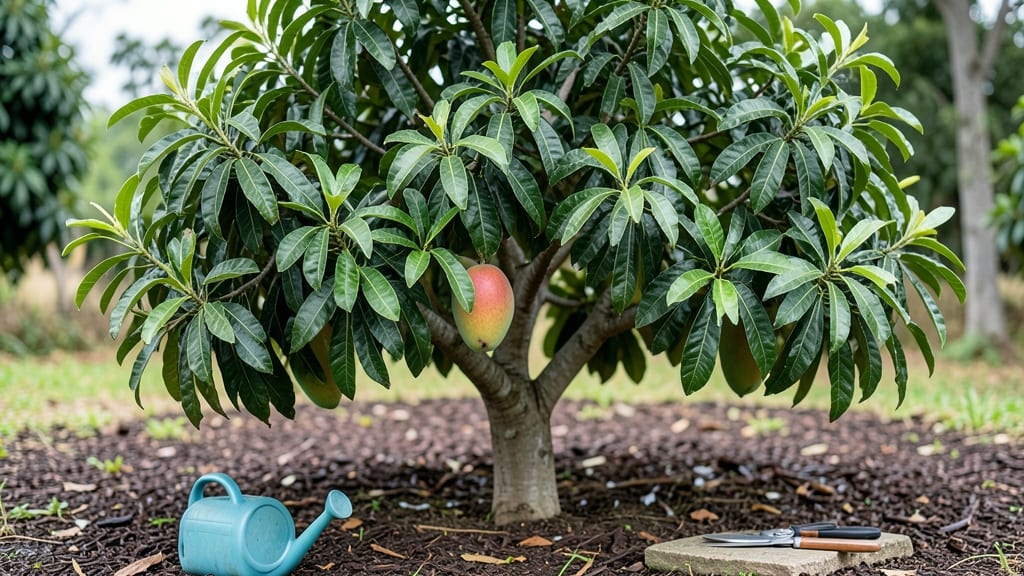
Growing a Kensington Pride mango tree in the Pacific Northwest isn't just possible—it's a game-changer for fruit lovers who refuse to give up on tropical flavors. 🌱 I've watched this cold-hardy variety thrive in my Seattle backyard, producing sweet, juicy mangoes that rival anything you'd find in a grocery store.
The secret lies in understanding its unique needs, especially when it comes to pruning for our unpredictable climate.
This tree demands well-draining soil with a slightly acidic pH, and it craves full sun—at least 6-8 hours daily—to set fruit properly. Planting in a sheltered microclimate (like near a south-facing wall) gives it an extra edge against winter chills.
The real magic happens in late winter when you prune to shape the canopy and encourage airflow, which prevents fungal issues that plague many PNW fruit trees.
By summer's end, you'll be harvesting golden, fragrant mangoes that burst with tropical sweetness. The tree's compact growth habit makes it perfect for urban gardens, and with proper care, it can produce fruit year after year.
The key is balancing aggressive pruning with patience—this isn't a fast-growing tree, but the payoff is worth every season of nurturing.
Whether you're a first-time fruit grower or a seasoned PNW gardener, this variety delivers on its promise of cold tolerance without sacrificing flavor. Let's get those branches shaped for maximum fruit production and minimum fuss—your taste buds will thank you.
📚 In This Guide
- What you need
- Instructions
- Tips and common mistakes
- Wrapping up and next steps
What you need
- ● Pruning Shears: Bypass pruners (sharp, 6–8" blades) for clean cuts on small branches.
- ● Loppers: 18–24" bypass loppers for thicker branches (½"–1.5" diameter).
- ● Pruning Saw: Curved-tooth saw for branches >1.5" in diameter (avoid jagged cuts!).
- ● Disinfectant: 70% isopropyl alcohol or diluted bleach (1 part bleach to 9 parts water) to sterilize tools between cuts.
- ● Gloves: Heavy-duty, cut-resistant gloves (mango thorns are no joke!).
- ● Tree Wrap: 2–3" wide, breathable wrap (e.g., Tangle-Foot) to protect pruned areas from sun scald.
- ○ Pruning Sealant (Optional but Recommended): Wound dressing (e.g., Tangle-Foot Tree Wound Pruning Seal) for cuts >½" in diameter.
- ● Ladder or Step Stool: Sturdy, extendable ladder (or a very stable stool) for high branches.
- ● Buckets/Bags: 2–3 large buckets or mesh bags to collect pruned branches (compost or dispose of later).
- ● Sharpie or Marking Tape: For labeling branches to prune (helpful for complex cuts!).
- ● Timing: Prune during the dormant season (late winter/early spring, before buds swell) or post-harvest (fall). Avoid pruning in PNW’s wet months to prevent disease.
- ● Weather: Choose a dry, overcast day (humidity accelerates fungal growth).
- ● Safety First: Turn off irrigation systems and ensure the area is clear of pets/kids.
- ● PNW-Specific Tip: Mango trees hate cold drafts—position your ladder to avoid disturbing nearby structures or wind-exposed areas.
- ● 🌡️ Heat & Humidity Hack: If pruning in spring, time it for a warm spell (above 60°F) to reduce shock.
- ● ✨ Tool Maintenance: Sharpen blades before starting—dull tools crush branches, inviting disease.
- ● 🌿 Composting: Small pruned branches (<1" diameter) can be composted; larger ones should be chipped or mulched.
Instructions: pruning Kensington Pride mango trees for PNW success
Here's the pruning method I've refined over five seasons in Seattle's microclimate—it keeps your tree healthy, productive, and adapted to our rainy winters.
✂️ Step 1: Time Your Cuts for Dormancy and Bloom Periods
Prune your Kensington Pride during late winter dormancy (February-March) when the tree has no leaves and before buds swell. This timing ensures you remove dead wood while preserving next year's fruit potential. In the PNW, our cool springs delay bud break, so don't rush—wait until after the last frost date but before new growth begins.
I also do a light structural pruning in early summer (June-July) to shape the tree and remove any water sprouts that appear after heavy rains. Never prune during fall or winter when the tree is stressed from our wet conditions—this invites fungal infections like anthracnose, which thrives in our damp climate.
🌿 Step 2: Remove Dead, Diseased, or Crossing Branches First
Start by eliminating any dead or diseased wood—look for branches with no green bark, blackened areas, or oozing sap. Cut these back to the nearest healthy collar (the swollen area where the branch meets the trunk). In Kensington Pride trees, you'll often find dead branches from winter storms or fungal infections common in our region.
Next, remove crossing or rubbing branches—these create wounds that weaken the tree and provide entry points for pathogens. When two branches grow toward each other, cut the smaller one at its origin. I use clean, sharp pruners to make 45-degree cuts just outside the branch collar—never leave stubs, as they rot and attract pests.
☀️ Step 3: Open the Canopy for Airflow and Sun Penetration
Mango trees in the PNW need maximum sunlight exposure to ripen fruit properly, so thin the canopy to let light reach the inner branches. Remove upward-growing branches that compete with the central leader and suckers growing from the base. Aim to create an open, vase-like shape that allows air circulation—this prevents fungal diseases that flourish in our humid summers.
I target 20-30% of the tree's foliage for removal during dormancy pruning. Watch for branches growing inward or downward—they shade fruit and reduce yield. Cut these back to a lateral branch or bud that faces outward. The goal is to maintain a balanced structure where sunlight reaches all parts of the tree.
⏰ Step 4: Shape for Fruit Production and Winter Hardiness
Kensington Pride trees produce best when pruned to encourage strong scaffold branches (the main limbs that form the tree's structure). Select 4-6 well-spaced primary branches
In the PNW, our winters test mango trees' hardiness, so avoid heavy pruning that weakens the tree. Instead, focus on reducing branch density to prevent snow and rain damage. I leave some winter leaves on the tree—these protect the wood from cold snaps and reduce stress during dormancy. After pruning, seal all large cuts (over ½ inch in diameter) with a tree wound dressing to prevent fungal infections. In our wet climate, open wounds are prime targets for anthracnose and other pathogens. Apply the dressing within 24 hours of cutting to maximize protection. Water deeply once a week for 4 weeks after pruning to help the tree recover. Our cool, damp springs can stress newly pruned trees, so monitor for signs of stress like yellowing leaves or wilting. If you notice these symptoms, increase watering frequency but avoid overwatering—mango roots need good drainage, especially in our heavy soils.💧 Step 5: Post-Pruning Care for PNW Conditions
Tips & tricks for pruning Kensington Pride mango trees
Mastering the art of pruning your Kensington Pride mango tree in the PNW takes more than just timing—it's about understanding how our unique climate interacts with the tree's growth patterns. Here's what I've learned after five seasons of trial and error in Seattle's microclimate.
Seasonal Timing is Everything: The February-March window for dormancy pruning is non-negotiable for Kensington Pride trees in our region. Our cool springs mean buds often swell later than in warmer climates, so I always check for the last frost date in your specific zone—Seattle's typically falls around mid-March, but inland areas may vary by a week. For the summer pruning, I mark my calendar for June 15th as a reminder, since that's when our heavy rains usually taper off enough to let new growth establish without stress.
Branch Collar Integrity Matters More Than You Think: When removing branches in Step 2, I can't stress enough how important it is to cut just outside the branch collar—the swollen area where the branch meets the trunk. This is where the tree's protective tissues regenerate naturally. I've seen too many pruning mistakes where people cut flush with the trunk, creating permanent wounds that never heal properly. Use a sharp pruner and make clean cuts at a 45-degree angle to minimize damage.
PNW-Specific Canopy Strategy: The 20-30% foliage removal target during dormancy pruning is perfect for our climate, but I adjust this slightly for young trees. For trees under 5 years old, I aim for only 15-20% removal to avoid over-stressing them during our cool, damp springs. The goal is to maintain that open vase shape while ensuring enough leaf coverage to protect the tree from our frequent cloudy days—mango trees need sunlight, but they also need protection from our persistent marine layer.
Post-Pruning Care in Our Wet Climate: That 24-hour window for sealing large cuts is critical in our region. I keep a tub of tree wound dressing mixed and ready to go, along with a small brush for application. Our high humidity creates the perfect conditions for anthracnose to take hold, so I don't cut corners here. After sealing, I always water deeply the next day to help the tree recover—our heavy soils can dry out surprisingly quickly after pruning, especially when combined with our frequent wind patterns.
Pro Tips for Kensington Pride Mango Tree
- Mastering the art of pruning your Kensington Pride mango tree in the PNW takes more than just timing—it's about understanding how our unique climate interacts with the tree's growth patterns.
- Seasonal Timing is Everything: The February-March window for dormancy pruning is non-negotiable for Kensington Pride trees in our region.
- Branch Collar Integrity Matters More Than You Think: When removing branches in Step 2, I can't stress enough how important it is to cut just outside the branch collar—the swollen area where the branch meets the trunk.
Frequently asked questions
Got questions about nurturing your Kensington Pride Mango Tree in the Pacific Northwest? Here are answers to the most common queries—from pruning timelines to troubleshooting—so you can keep your tree thriving and fruiting year-round.
When is the best time to prune my Kensington Pride Mango Tree?
The ideal time to prune is late winter to early spring (February–March in the PNW) when the tree is dormant but before new growth starts. Avoid pruning during cold snaps (<32°F) or heavy fruit production—this can stress the tree. For light shaping, you can also prune in summer after harvest to improve airflow.
How cold can my Kensington Pride Mango Tree tolerate?
Kensington Pride is a cold-hardy variety, surviving brief dips to 15–20°F with proper care. However, prolonged exposure below 25°F can damage leaves or flowers. In the PNW, use mulch, windbreaks, or frost cloth during winter. If you’re in a colder microclimate (e.g., Eastern WA), plant near a south-facing wall or in a sheltered spot.
What should I do if my tree isn’t fruiting?
Non-fruiting often stems from immature trees, poor pollination, or over-pruning. Ensure your tree gets 6+ hours of sunlight daily and is at least 3–5 years old. Hand-pollinate flowers with a soft brush if bees are scarce. Also, check for nutrient deficiencies (e.g., zinc or boron) and adjust fertilizer accordingly. Never prune flowering branches—this removes potential fruit!
Can I grow a Kensington Pride Mango Tree in a container?
Yes! Use a large container (20+ gallons) with drainage holes and well-draining soil. Prune roots annually to prevent circling, and move the pot to a sunny, sheltered spot in winter. Container trees need more frequent watering (check soil moisture daily in summer) and balanced fertilizer (e.g., 10-10-10) every 4–6 weeks during growing season.
How do I prevent pests like aphids or scale on my tree?
Start with preventative care: Keep the tree well-watered and prune for airflow. For mild infestations, spray with neem oil or insecticidal soap. Avoid chemical pesticides, which can harm pollinators. If pests persist, introduce beneficial insects (e.g., ladybugs) or consult a local arborist for organic solutions.
What’s the difference between pruning for structure vs. fruit production?
| Structural Pruning | Fruit Production Pruning |
|---|---|
| Done in late winter to remove dead, crossing, or weak branches and open the canopy for sunlight. | Done in summer after harvest to thin out overcrowded fruit (leave 6–8" between mangoes) and encourage larger, healthier fruit. |
| Focuses on long-term tree health and shape. | Focuses on balancing fruit load to prevent branch breakage. |
Pro tip:
Always sterilize pruners with rubbing alcohol between cuts to prevent disease!
Wrapping up and next steps
Your Kensington Pride mango tree is now primed for a fruitful future! 🌱 By mastering the Pacific Northwest’s unique pruning blueprint—balancing winter dormancy, spring growth, and summer shaping—you’ve set the stage for year-round harvests and a thriving, healthy tree.
Remember, consistency is key: check your tree’s health every season and adjust your approach as it grows.
Ready to take the next step? Celebrate your first successful pruning session—then mark your calendar for seasonal check-ins! 🎉 For even better results, consider joining a local gardening group or forum to swap tips with fellow PNW mango enthusiasts. Happy growing! 🍈✨