Pruning
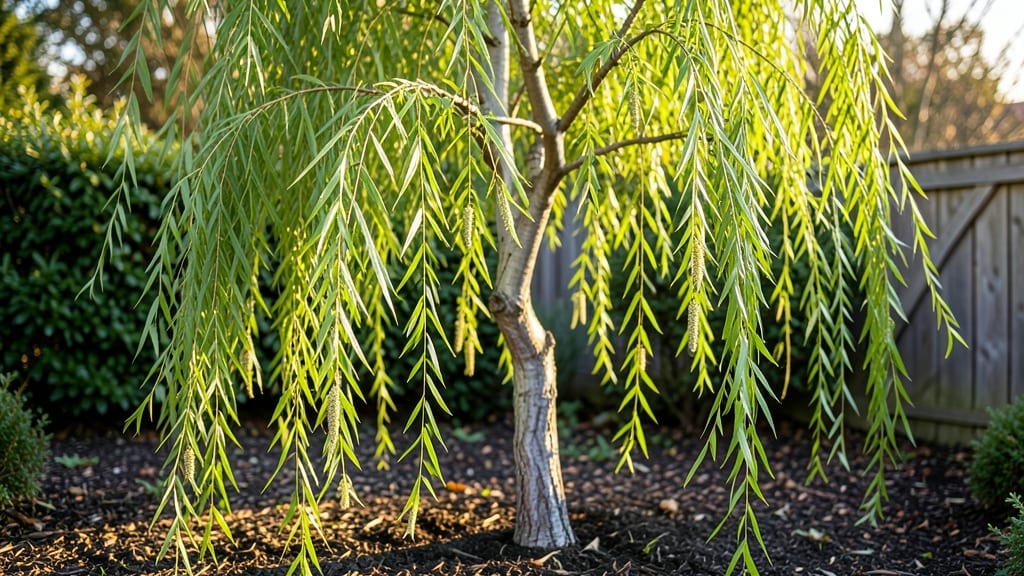
Spring is when willow trees wake up with a vengeance—those bright green catkins and rapid shoots are nature’s way of saying "prune me now." 🌿 I’ve watched my Pacific Northwest willow go from bare branches to a lush, weeping canopy in just six weeks, and the secret to keeping it healthy lies in strategic cuts before the new growth explodes.
The right approach means cutting back last year’s growth by one-third to encourage strong, frost-resistant branches. Willows bleed sap when pruned, so time your cuts for dry, warm days in late April or early May—just as the buds swell but before they burst.
This timing also gives you a head start on pest prevention, since fresh cuts heal faster when the air warms up.
What you’ll end up with is a willow that bounces back with vibrant new shoots by summer, its branches lighter and more flexible. The foliage stays denser, too, because you’re directing energy into leaf production instead of overgrown, weak stems.
Plus, you’ll avoid the heartbreak of watching your tree put all its energy into a single, unruly leader.
Works for weeping willows, pussy willows, and even those wild riverbank varieties—just adjust the pruning intensity based on how aggressive your tree grows. The key is patience: willows reward careful cuts with years of dramatic spring displays. Let’s get those shears sharp and start shaping!
📚 In This Guide
- What you need
- Instructions
- Tips and common mistakes
- Wrapping up and next steps
What you need
- ● Pruning shears: Sharp, bypass-style shears (for cuts up to ½ inch thick). Example: Felco F-2 or Corona bypass pruners.
- ● Loppers: Heavy-duty, extended-handle loppers (for ½ to 2-inch branches). Example: Fiskars PowerGearDura.
- ● Pruning saw: Curved-tooth saw (for branches >2 inches). Example: Bahco Ergo.
- ● Gloves: Cut-resistant gloves (e.g., Mechanix Wear or Worms Gloves).
- ● Disinfectant: 70% isopropyl alcohol or pruning sealant (e.g., Tanglefoot Tree Wound Pruning Seal).
- ● Ladder: Sturdy, extension ladder (if tree exceeds 8 feet).
- ● Safety gear: Safety goggles and long sleeves (willow sap can irritate skin!).
- ● Rake: Lightweight leaf rake for cleanup.
- ● Tree wrap: Frost cloth (if late frosts are forecasted post-pruning).
- ● Marking spray: Non-toxic paint (e.g., white spray paint) to mark cuts for future reference.
- ● Compost bin: For chipping pruned branches into mulch.
Step-by-step guide to pruning willow trees in spring
Here's the proven method I use to encourage strong, frost-resistant growth in Pacific Northwest willows.
🌿 Step 1: Time Your Pruning for Optimal Growth
Prune willows in early spring, just as new buds begin to swell but before any leaves emerge. This timing ensures you remove dead wood while stimulating fresh, vigorous growth. In the Pacific Northwest, aim for late March to early April when daytime temperatures consistently reach 50°F or higher.
Watch for the first signs of bud break—tiny green tips peeking from the branches—and prune within 7-10 days of that. Pruning too early risks exposing fresh growth to late frosts, while waiting too long removes potential energy stores. I always prune on a dry, overcast day to reduce stress on the tree.
✂️ Step 2: Remove Dead, Diseased, or Weak Branches First
Start by cutting out any dead, diseased, or crossing branches using clean, sharp pruning shears. Dead wood is easy to spot—it’s brown, brittle, and doesn’t bend. Diseased branches often have discolored patches, oozing sap, or fungal growth. Remove these first to improve airflow and reduce the risk of spreading disease.
Cut back to the main trunk or a healthy lateral branch, making your cuts at a 45-degree angle just outside the branch collar. Avoid leaving stubs—this invites rot and weakens the tree. If a branch is larger than 2 inches thick, use a pruning saw instead of shears to avoid tearing the bark.
☀️ Step 3: Thin the Canopy for Better Light Penetration
Willows grow fast, and their dense canopies can block sunlight from reaching the lower branches. Thin the canopy by removing up to 25% of the branches, focusing on those that are thin, weak, or growing inward. Start at the outer edges of the tree and work your way inward to maintain a balanced shape.
Look for branches that are competing for space—these are the ones growing too close together or directly over others. Removing these encourages stronger growth on the remaining branches. Step back every few cuts to check the tree’s shape. You’ll see sunlight reaching the lower branches, which signals you’re doing it right.
🪴 Step 4: Shape the Tree for Frost Resistance
Willows are known for their flexibility, but their branches can become top-heavy if not shaped properly. To improve frost resistance, reduce the weight of the upper canopy by pruning back the longest branches by one-third. This lowers the tree’s center of gravity and helps it withstand heavy snow and ice.
Focus on vertical branches—these are the ones most likely to break under winter weight. Cut them back to a strong lateral branch or the main trunk. Avoid over-pruning; willows recover quickly, but removing too much foliage weakens the tree. Aim for a rounded, open shape that allows air to circulate freely.
💧 Step 5: Clean Up and Monitor for New Growth
After pruning, sterilize your tools with rubbing alcohol to prevent spreading disease. Collect and dispose of all cut branches—burning them is ideal, but bagging them for yard waste works too. This step is crucial to prevent pests and fungi from lingering in your garden.
Water the base of the tree deeply after pruning to help it recover. You’ll see new buds swelling within 2-3 weeks, and fresh leaves emerging by late spring. Monitor the tree closely for any signs of stress, like yellowing leaves or oozing sap, which could indicate disease. A healthy willow will bounce back quickly with strong, frost-resistant growth.
Tips & tricks for perfect willow tree pruning in spring
Mastering the art of willow pruning takes practice, but these key tips will help you achieve strong, frost-resistant growth every time.
Timing is Everything: The 7-10 day window after bud break is critical—this is when willows are most resilient. In the Pacific Northwest, I always check the forecast for a dry, overcast day at 50°F or above to minimize stress on the tree. If you miss this window, don't panic—just wait for the next bud break cycle, but pruning too late can reduce next year's growth potential.
Tool Prep Prevents Problems: Sterilizing your pruning shears with rubbing alcohol between cuts is non-negotiable. I learned this the hard way after seeing fungal infections spread between branches. For branches over 2 inches thick, switch to a pruning saw—shears will tear the bark, creating entry points for disease. Keep your tools sharp too; dull blades crush rather than cleanly cut, damaging the tree.
Shape Matters for Frost Resistance: When reducing the upper canopy by one-third in Step 4, focus on creating a rounded, open shape. Vertical branches are the weak link—these are the ones that snap under winter snow load. I always make my cuts just outside the branch collar at a 45-degree angle to prevent water from pooling where the branch meets the trunk, which can lead to rot.
Post-Pruning Care is Key: That deep watering after pruning isn't just symbolic—willows need 1-2 inches of water per week during their recovery period. I also recommend applying a 2-3 inch layer of mulch around the base (but keep it away from the trunk) to retain moisture and regulate soil temperature. This helps the tree establish new growth before summer heat arrives.
Pro Tips for Willow Tree In Spring
- Mastering the art of willow pruning takes practice, but these key tips will help you achieve strong, frost-resistant ...
- Timing is Everything: The 7-10 day window after bud break is critical—this is when willows are most resilient. In the...
- Tool Prep Prevents Problems: Sterilizing your pruning shears with rubbing alcohol between cuts is non-negotiable. I l...
Frequently asked questions
Got questions about pruning your willow tree in spring?
Here are the most common ones—plus expert answers to help you tackle the job with confidence!
When is the exact best time to prune a willow tree in the Pacific Northwest?
The ideal window is late winter to early spring (February–March), before buds swell but after frost danger passes. Willows bleed sap heavily if pruned too early—wait until temps stabilize above freezing (32°F/0°C) to minimize stress. In wet PNW climates, avoid pruning during heavy rains to prevent disease.
Can I prune a willow tree if frost is still expected?
Prune only after the last frost date for your zone (check Almanac’s PNW frost calculator). Frost can damage fresh cuts and stress the tree. If you’re unsure, wait 2–3 weeks after the average last frost—willows are resilient but not frost-proof when wounded!
How much can I trim back a willow tree in one season?
For mature willows, never remove more than 25–30% of the canopy in a single year. Over-pruning stresses the tree and encourages weak regrowth. Young willows (under 5 years) can handle up to 50% of new growth removal to shape them early. Use thinning cuts (removing entire branches back to the trunk) to open the center.
Why does my willow tree “bleed” sap after pruning, and is it harmful?
Sap bleeding (clear or yellowish ooze) is normal but not harmful—it’s the tree’s way of “crying” over fresh cuts. To minimize it, prune on dry, cool days (not hot) and use sealer (like pruning paint) on cuts larger than 2 inches. Avoid sealing small cuts—they’ll heal faster without it!
Are there any willow varieties that need less pruning in spring?
Yes! Weeping willows (Salix babylonica) and pussy willows (Salix discolor) are lower-maintenance than crack willows (Salix fragilis), which need aggressive pruning to control aggressive growth. For PNW gardens, ‘Babylon’ weeping willow or ‘Tortuosa’ corkscrew willow are great choices if you want less spring work.
What should I do if my willow tree starts dying after pruning?
Check for these red flags:
- Wilting leaves: Likely underwatering—willows need 1–2 inches of water weekly in spring.
- Blackened branches: Fungal infection (e.g., canker)—prune infected areas 6 inches below the damage and sterilize tools with rubbing alcohol.
- No new growth: Could be root damage or over-pruning. Fertilize with balanced 10-10-10 and avoid pruning next year.
Wrapping up and next steps
Spring is the perfect time to nurture your willow tree’s growth, and with the right pruning techniques, you’ll set the stage for a vibrant, frost-resistant beauty in the Pacific Northwest.
Remember: timing, sharp tools, and patience are your best allies. Whether you’re trimming for shape, health, or harvest, your efforts will reward you with lush foliage and resilient branches.
Ready to transform your garden? Grab your pruners and head outside—your willow tree is waiting for your care! 🌿✨ Next step: Bookmark this guide, then roll up your sleeves and get pruning!