
Pruning
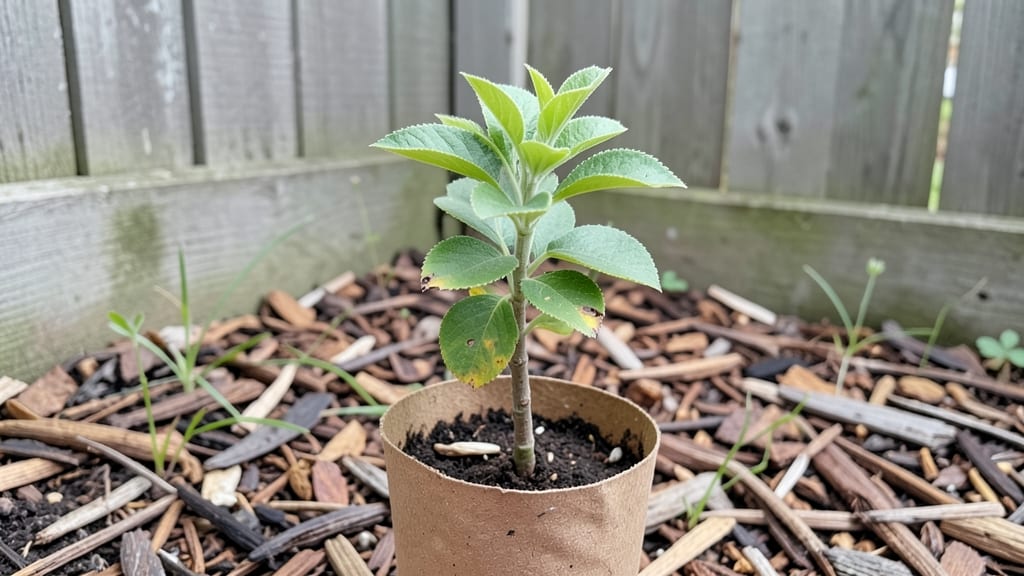
That first whiff of katsura tree leaves—like cotton candy mixed with autumn—is what hooked me on this Pacific Northwest gem. 🌿 The secret to growing one from a seedling isn’t just patience; it’s knowing how to mimic its native woodland conditions right from the start.
My first attempt nearly failed when I planted it too deep, but after adjusting, it’s now the fragrant centerpiece of my yard.
Young katsura seedlings thrive in moist, well-draining soil with a touch of organic matter—think 50% garden soil, 30% compost, 20% perlite. They love dappled shade or morning sun, especially in hotter climates, and their roots appreciate 1-2 inches of water weekly during the first growing season.
Spacing matters too: give them 15-20 feet apart to avoid future root competition.
What you’ll love most is how effortlessly they grow once established—2-3 feet per year—without fuss. The real magic happens in autumn when the leaves turn golden-yellow and release that signature scent.
Just watch for deer browsing in early years; a simple wire cage protects young trunks until they’re sturdy enough to fend for themselves.
This tree rewards slow progress with decades of fragrance and shade. Whether you’re planting in a rain garden or a sunny border, the key is consistent moisture and space to breathe. Ready to grow one that’ll outlive you?
📚 In This Guide
- What you need
- Instructions
- Tips and common mistakes
- Wrapping up and next steps
What you need
- ● Katsura tree seedling: 1 healthy, 1–3 ft tall seedling (bare-root or potted). Look for vibrant foliage and sturdy roots!
- ● Garden soil: 1–2 cubic yards of well-draining, slightly acidic soil (pH 5.0–6.5). Mix in compost for nutrients.
- ● Pruning tools: 1 pair of bypass pruners (for small branches, ¼"–½" cutting capacity).
- ● 1 pair of loppers (for thicker stems, ¾"–1" cutting capacity).
- ● 1 pruning saw (for stubborn branches, 8–10" blade).
- ● Gloves: 1 pair of heavy-duty gardening gloves (to protect against thorns and sap).
- ● Watering can or hose: With a gentle spray nozzle for hydration.
- ● Mulch: 2–3 inches of organic mulch (wood chips or bark) to retain moisture.
- ● Fertilizer: Slow-release, balanced fertilizer (10-10-10) to boost early growth.
- ● Tree support: 1 stake and ties if your seedling is top-heavy (up to 4 ft tall).
- ● Soil tester kit: To check pH and nutrient levels before planting.
- ● Planting hole digger: A trowel or auger for precise hole sizing (12–18" wide, 12" deep).
Step-by-Step instructions for planting a katsura tree seedling
Here's how to establish your fragrant Katsura tree for decades of lush, low-maintenance shade.
🌱 Step 1: Choose the Perfect Planting Location
The Katsura thrives in partial shade to full sun, but in the Pacific Northwest's damp climate, I always opt for a spot with morning sunlight and afternoon shade—this prevents leaf scorch while maximizing growth. Look for areas with well-draining soil and at least 6 feet of clearance above and around, since mature Katsuras reach 40-50 feet tall with a wide canopy.
Test drainage by digging a 12-inch deep hole—if water pools after 30 minutes, amend the soil with 2-3 inches of compost to improve structure. The tree's fragrant foliage will be strongest when planted in slightly acidic to neutral soil (pH 6.0-7.0). Use a soil test kit if unsure; Katsuras tolerate a range but perform best in these conditions.
🪴 Step 2: Prepare the Planting Hole and Soil
Dig a hole twice as wide as the seedling's root ball but no deeper—Katsuras hate having their roots buried too deeply, which can cause root rot. Loosen the sides of the hole with a shovel to encourage root spread. Mix the native soil you removed with half its volume of compost (e.g., if you dug out 2 cubic feet of soil, blend it with 1 cubic foot of compost).
Place the seedling in the hole so the top of the root ball sits level with the surrounding soil—never mound soil against the trunk. Gently backfill with your amended mix, tamping lightly every 6 inches to eliminate air pockets. Water deeply to settle the soil, then add a 2-inch layer of mulch (wood chips or bark) around the base, keeping it 6 inches away from the trunk to prevent rot.
☀️ Step 3: Water and Stake for Stability
Water the seedling deeply once a week for the first month, providing 1-2 gallons per watering depending on pot size. The soil should be moist but not soggy—stick your finger 2 inches deep; if it feels dry, water again. Katsuras are drought-tolerant once established, but seedlings need consistent moisture to develop strong roots. Avoid overhead watering, which can spread disease; instead, water at the base slowly to encourage deep root growth.
Stake the seedling only if it leans or the site is windy. Use two stakes placed 6 inches from the trunk and tie the tree loosely with soft fabric strips (never wire, which can girdle the trunk). Remove stakes after one growing season to avoid restricting trunk growth. Prune any broken branches now, cutting just above a leaf node where new growth can emerge.
🌿 Step 4: Monitor and Maintain Through the First Year
Fertilize lightly in early spring with a balanced 10-10-10 fertilizer, applying half the recommended dose to avoid burning tender roots. Katsuras are slow growers, so over-fertilizing stresses them. Watch for yellowing leaves—this usually signals overwatering or poor drainage, not nutrient deficiency. Adjust watering if the soil stays damp for more than 48 hours after watering.
By late summer, your seedling should show new growth at the tips and develop a sturdy trunk. Thin out any suckers (shoots growing from the base) to direct energy into the main stem. The tree’s signature fragrant foliage will emerge fully in its second or third year, but you’ll notice the first hints of that sweet, cherry-like scent on warm days this summer.
Tips & tricks for planting a fragrant katsura tree
Here's what I've learned after planting dozens of Katsuras—these tricks make all the difference for long-term success.
Location is Everything: In Step 1, when choosing your spot, consider future growth patterns. The Pacific Northwest's damp climate means Katsuras grow faster than in drier regions—account for that extra height when planning clearance. I always mark mature canopy boundaries with spray paint on the ground before digging to avoid future pruning headaches. The morning sun/afternoon shade balance is critical for preventing leaf scorch while maintaining that signature fragrance.
Soil Prep Secret: For Step 2, when mixing your native soil with compost, I recommend using a ratio of 3:1 soil to compost rather than 2:1. The extra compost helps establish mycorrhizal fungi in the root zone, which Katsuras rely on for nutrient uptake. After backfilling, press down gently with your foot every 6 inches—this creates better soil contact with roots than tamping with a shovel. The 2-inch mulch layer should be wood chips, not bark, as bark can acidify the soil over time.
Watering Wisdom: That first month of weekly deep watering (Step 3) is non-negotiable. I use a rain gauge to measure exactly 1-2 gallons per watering—this ensures consistent moisture without over-saturation. The finger test is perfect, but I also check soil moisture with a moisture meter for accuracy. If you're in a windy area, water in the evening to reduce evaporation loss overnight. The goal is to keep the root ball uniformly moist, not soggy.
Long-Term Care: In Step 4, when monitoring your seedling, watch for "thrill bearing"—this is when the tree produces long, whippy growth at the tips. It's normal and actually good! If you see yellowing leaves, don't automatically assume overwatering—check the soil first. Katsuras often show stress through leaf color changes, but the roots might actually be too dry. The 48-hour dampness test is your best indicator of proper drainage.
Pro Tips for Katsura Tree Seedling
- Here's what I've learned after planting dozens of Katsuras—these tricks make all the difference for long-term success.
- Location is Everything: In Step 1, when choosing your spot, consider future growth patterns.
- Soil Prep Secret: For Step 2, when mixing your native soil with compost, I recommend using a ratio of 3:1 soil to compost rather than 2:1.
Frequently asked questions
Got questions about growing a katsura tree seedling? You’re not alone!
Here are the most common queries—plus expert answers—to help you nurture your fragrant, low-maintenance beauty with confidence.
How long does it take for a katsura tree seedling to mature?
A katsura tree seedling typically takes 10–15 years to reach full maturity (30–50 feet tall). However, you’ll enjoy its signature cherry-blossom-like fragrance and lush foliage within 3–5 years. Patience pays off—this shade tree is worth the wait!
How often should I water a young katsura seedling?
Water your seedling deeply 2–3 times per week for the first year, keeping soil consistently moist (but not soggy). Once established (after 2–3 years), reduce watering to once a week unless experiencing drought. Pro tip: Mulch around the base to retain moisture and protect roots.
Can I grow a katsura tree from seed, or should I buy a seedling?
While possible, growing from seed is slow and unpredictable—germination can take months, and traits may vary. For a guaranteed fragrant, fast-growing tree, opt for a 1–2 year-old seedling from a reputable nursery. Bonus: Seedlings are pruned to encourage strong branching early!
Why are the leaves on my katsura seedling turning yellow?
Yellowing leaves (chlorosis) usually signal overwatering, poor drainage, or nutrient deficiency. Check soil moisture—katsura trees hate "wet feet." If drainage is poor, amend soil with compost. Yellow edges? Likely iron deficiency; apply a chelated iron supplement.
Does a katsura tree attract pests or diseases?
Katsura trees are resistant to most pests and diseases, but watch for aphids (spray with water) or powdery mildew in humid climates. Ensure 6+ hours of sunlight and good airflow to prevent issues. Fun fact: Their fragrant foliage deters many garden pests naturally!
How much space should I leave between my katsura seedling and other plants?
Plant your seedling 15–20 feet away from other trees or structures to avoid root competition. Katsura trees have spreading canopies—give them room to grow! For hedges or borders, space seedlings 8–10 feet apart.
Wrapping up and next steps
Growing a katsura tree seedling in the Pacific Northwest is a rewarding way to add fragrant beauty and low-maintenance charm to your landscape. With its delicate foliage, sweet scent, and adaptability, this tree thrives with minimal fuss—just a little pruning know-how and patience. 🌿
Now that you’re equipped with the right tools and tips, take the next step: plant your seedling in well-draining soil, give it space to grow, and enjoy the peaceful canopy it’ll become. Happy gardening—your future tree is counting on you! 🌱✨