
Pruning
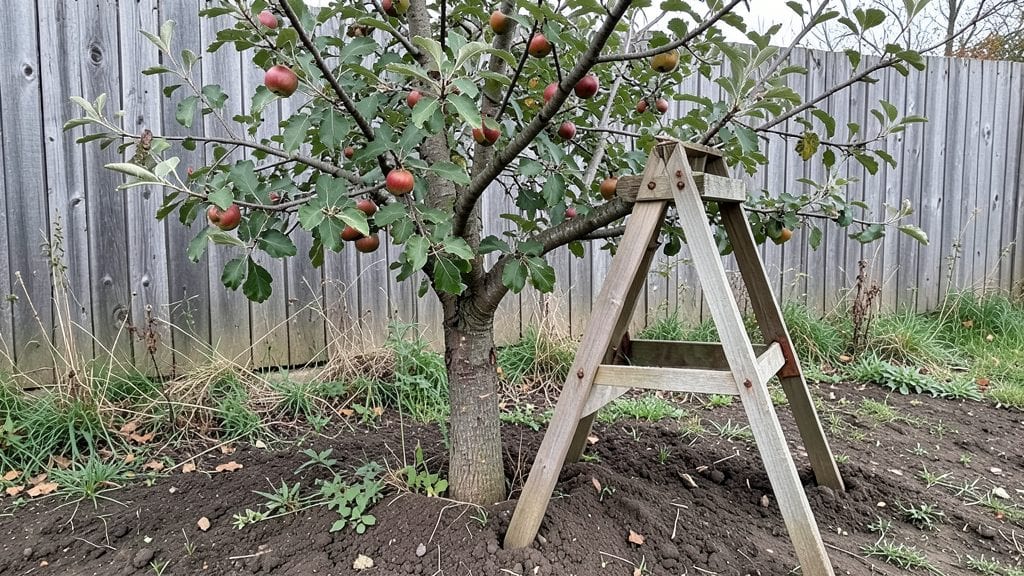
Your apple tree’s future harvest depends on support that won’t snap under fruit weight. 🌳 I’ve seen young trees topple like toothpicks when their branches bow under heavy apples—so I developed a foolproof system using stakes, cables, and proper spacing that keeps trees upright and productive.
The right support isn’t just about preventing falls—it’s about stronger growth. Trees with proper framework develop thicker trunks, better branch angles, and more even fruit distribution.
You’ll need basic tools (stakes, tree ties, and a mallet) and 30 minutes to install, but the payoff is years of stable growth and fewer broken limbs.
By summer’s end, your tree will stand tall with branches that hold fruit without sagging. The secret is balancing tension (not too tight!) and checking supports every 6-8 weeks as the tree grows. Even experienced gardeners skip this step—don’t be one of them.
Works for dwarf, semi-dwarf, and standard apple trees in any yard. Let’s get your tree set up right before next season’s harvest season begins.
📚 In This Guide
- What you need
- Instructions
- Tips and common mistakes
- Wrapping up and next steps
What you need
- ● Support Stakes: 2–4 wooden or metal stakes (4–6 ft tall, ½-inch diameter)
- ● Tree Tie Straps: 3–5 soft, stretchable fabric or rubber straps (or ½-inch wide cloth strips)
- ● Cable or Wire: 10–15 ft of ½-inch galvanized steel cable or 14-gauge wire (for larger trees)
- ○ Bracing Materials (Optional): Wooden 2x4s or 3x3-inch lumber (for A-frame or crisscross supports)
- ● Staples or Nails: Galvanized ½-inch staples or 2-inch deck screws (for securing wood braces)
- ● Measuring Tape & Saw: For precise cuts and measurements
- ● Gloves & Safety Glasses: Protect your hands and eyes during setup
- ● Young sapling (1–3 years old) or established tree with flexible trunk (avoid rigid, brittle wood)
- ● Well-drained soil (amend with compost if needed for stability)
- ● Sunny location with 6+ hours of sunlight daily
- ● Time of year: Late winter or early spring (before new growth starts)
How to build a sturdy apple tree support system
Here’s the method I’ve used for years—simple but strong enough to handle fruit loads without bending or breaking.
🪴 Step 1: Assess Your Tree and Choose the Right Support Type
Start by evaluating your apple tree’s size and growth habit. Young trees with thin trunks need a stake-and-tie system, while mature trees with heavy fruit loads benefit from a cage or A-frame support. I always check the trunk diameter—if it’s under 2 inches, use a single sturdy stake. For thicker trunks or multiple branches, opt for a 4-post cage with 2x4 lumber for durability.
Position the support 6-12 inches away from the trunk to avoid girdling. If using a cage, space posts 3-4 feet apart in a square around the tree. This gives the tree room to grow while keeping branches upright. Real talk: Skimping on spacing leads to leaning trees that snap under fruit weight.
☀️ Step 2: Install the Support Framework
For stakes, drive 4-foot wooden or metal stakes into the ground at a 45-degree angle using a mallet. The top should be 2-3 inches above the tree’s current height to allow for growth. Secure the stake with 3-4 inches of soil packed firmly around the base—this prevents shifting when the tree sways.
For cages, assemble the frame using galvanized metal or treated wood. Connect posts with horizontal rails every 2 feet for stability. Bury the bottom 6 inches or anchor with concrete footings to prevent leaning. I always double-check the frame’s square alignment—uneven supports cause uneven pressure on the tree.
✂️ Step 3: Attach the Tree to the Support
Use soft tree ties (not wire or plastic strips—they cut into bark). Loop one tie around the trunk and stake, leaving 1-2 inches of slack to allow for trunk expansion. Space ties 12-18 inches apart vertically. Tighten only enough to keep the tree upright—too tight restricts growth.
For cages, weave branches through the frame as they grow. Avoid tying branches directly to the cage; instead, let them lean naturally against the rails. This prevents bark damage while still guiding growth. Watch for branches rubbing against the support—sand rough spots to avoid bark abrasion.
💧 Step 4: Maintain and Adjust Over Time
Check ties every 3-4 months and replace any that dig into the bark. As the tree grows, add extension stakes to keep the support height matching the trunk. I like to add a new stake every 12 inches of growth to prevent leaning. In high-wind areas, reinforce the base with additional stakes or guy wires for extra stability.
After heavy fruit loads, inspect the support system for loose ties or shifting stakes. A few minutes of maintenance now saves hours of repair later. You’ll know it’s working when the tree stands straight even under a full harvest—no wobbling, no leaning.
Tips & tricks for perfect apple tree support systems
Building a sturdy apple tree support system is all about the details—these tips will help you avoid common pitfalls and create a framework that lasts for years.
Material Selection Matters: For stakes, opt for 4-foot cedar or pressure-treated lumber—they resist rot better than pine. If using metal stakes, choose galvanized ones to prevent rust that can weaken the structure over time. For cages, galvanized metal tubing is ideal because it won't corrode, but treated wood works too if you're on a budget. Between us, I've seen cheap metal cages rust through in just a couple of seasons.
Angle and Depth Are Critical: When installing stakes at a 45-degree angle, use a level to ensure they're perfectly angled—uneven stakes cause the tree to lean. For extra stability, bury the bottom 6-8 inches deep (beyond the 3-4 inches mentioned in Step 2) and pack the soil firmly around the base. I learned this the hard way after watching a stake pop out during a windstorm.
Tie Technique Makes All the Difference: For soft tree ties, I recommend fabric or rubber ties over plastic—they stretch as the trunk grows without cutting into the bark. When attaching ties, leave that 1-2 inches of slack and space them 12-18 inches apart vertically. Pro tip: Use a small piece of cardboard between the tie and bark as a buffer to prevent any friction damage over time.
Wind Resistance Wins: In windy areas, add guy wires (thick, durable cables) anchored to the ground at a 45-degree angle away from the tree. These should be attached to the top of the support system, not the tree itself, to distribute wind pressure evenly. I've seen apple trees with proper guy wires stand firm in 60 mph winds that would topple an unsupported tree.
Pro Tips for Apple Tree Support
- Building a sturdy apple tree support system is all about the details—these tips will help you avoid common pitfalls and create a framework that lasts for years.
- Material Selection Matters: For stakes, opt for 4-foot cedar or pressure-treated lumber—they resist rot better than pine.
- Angle and Depth Are Critical: When installing stakes at a 45-degree angle, use a level to ensure they're perfectly angled—uneven stakes cause the tree to lean.
Frequently asked questions
Got questions about keeping your apple tree sturdy and thriving? Here are answers to some of the most common concerns—so you can support your tree like a pro!
When is the best time to install apple tree support?
Install support as soon as you plant—even young trees need stability! For bare-root trees, set up stakes or cages before planting. If transplanting mature trees, add support immediately to prevent wind damage. Early spring or fall (when the tree isn’t actively fruiting) is ideal for minimal stress.
What if my tree is already leaning? Can I still use support?
Use tree ties or soft straps to gently guide the trunk upright while reinforcing the soil with a stake or cable system. Avoid forcing the trunk—let it straighten naturally over time. For severe leans, consult an arborist to assess root health and structural integrity.
Are there budget-friendly alternatives to commercial tree supports?
Yes! DIY options include:
- Stakes + Ties: Use wooden or metal stakes (even rebar works!) wrapped with soft fabric strips or old garden hose.
- Cinder Block Base: Bury blocks in a square around the trunk to create a natural windbreak.
- Bamboo Poles: Tie 3–4 poles at angles for a lightweight frame (great for young trees!).
How do I know if my support system is too tight or causing damage?
Check for these red flags: grooves in the bark, discolored stems, or wilting leaves—all signs of restricted growth. Supports should be snug but adjustable. Loosen ties seasonally (especially after heavy rains or storms) and replace worn-out materials. Pro tip: Wrap stakes with rubber or foam to prevent bark abrasion.
Will support affect my apple harvest or tree health?
Not if done right! Proper support improves fruit quality by reducing stress on the tree’s structure. Heavy fruit loads can bend branches—support distributes weight evenly, preventing breakage. Just avoid over-tightening and ensure good airflow around the trunk to deter pests/diseases.
Wrapping up and next steps
Investing in the right apple tree support isn’t just about aesthetics—it’s a game-changer for healthier trees, bigger harvests, and fewer headaches down the road. 🌳 Whether you choose a sturdy stake, a crotch spreader, or a full-fledged trellis system, your efforts will pay off in stronger branches, better air circulation, and apples that practically beg to be picked.
Now’s the perfect time to roll up your sleeves: assess your tree’s needs, gather your supplies, and get to work—your future orchard will thank you!
Next step: Mark your calendar for early spring or late fall (when trees are dormant) to install or adjust your support system. Pro tip: Monitor your tree’s growth over the seasons and tweak supports as needed—consistency is key!