Pruning
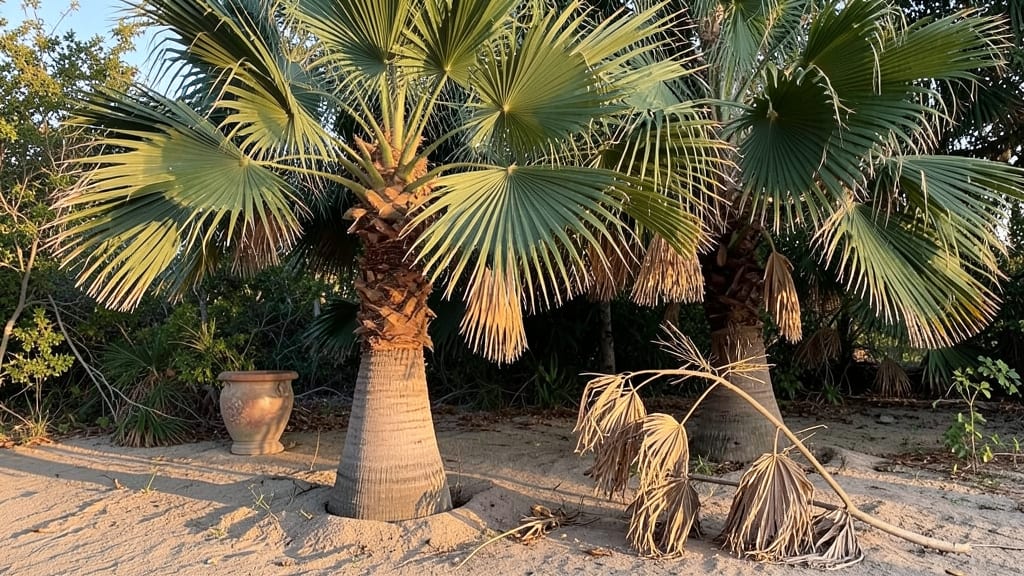
A majestic palm tree instantly transforms any outdoor space into a tropical retreat—even in colder climates where palms "shouldn't" thrive. I’ve seen them turn dull backyards into sunlit oases, their fronds swaying like nature’s own wind chimes.
The secret isn’t just choosing the right species (like cold-hardy Windmill palms or disease-resistant Mexican Fan palms) but placing them where they’ll command attention without overwhelming the space.
Start by assessing sunlight: most palms crave 6+ hours of direct light daily, but some varieties tolerate partial shade. Pair yours with drought-tolerant ground covers like liriope or mondo grass to highlight the trunk’s architectural beauty, and add tropical accents like bird-of-paradise or bromeliads at the base.
A well-placed solar-powered uplight can make the tree glow at night, turning it into a focal point for evening gatherings.
With the right placement, your palm becomes the centerpiece of a year-round tropical scene—even when other plants fade. The fronds rustle in summer breezes, provide shade in scorching afternoons, and create a dramatic silhouette against winter skies.
Plus, mature palms add 20-30% value to a home’s curb appeal, making them one of the smartest landscaping investments you’ll ever make.
Climate matters, but solutions exist: container growing for renters, microclimates near south-facing walls, or winter wraps for tender varieties. The key is starting small—choose a 5-10 gallon potted specimen first to test your space before committing to a permanent planting. Your tropical dream is closer than you think.
📚 In This Guide
- What you need
- Instructions
- Tips and common mistakes
- Wrapping up and next steps
What you need
- ○ Pruning saw or handsaw: A sharp, bypass-style saw (18–24" blade) for clean cuts on thick fronds. Optional: A polesaw for hard-to-reach branches.
- ● Heavy-duty pruning shears: Bypass-style (8–12" blade) for smaller fronds and dead leaves. Must be sterilized with rubbing alcohol between cuts.
- ● Ladder or lift: Aluminum extension ladder (20–30 ft) or a cherry picker for tall palms (20+ ft). Safety tip: Use non-slip ladder stabilizers.
- ● Work gloves: Heavy-duty, cut-resistant (e.g., Mechanix Wear) to protect against sharp fronds and sap.
- ● Disposable pruning bags or tarp: 50–100 gallon capacity to collect debris. Pro tip: Line bags with plastic for easy cleanup.
- ● Sterilizing solution: 70% isopropyl alcohol or bleach solution (1 part bleach : 9 parts water) to prevent disease spread.
- ○ Sealing wax or pruning sealant: Optional but recommended for large cuts (>2" diameter) to prevent sap oozing and pests.
- ● Weather check: Prune on a dry, wind-free day (avoid rain for 24–48 hours post-pruning).
- ● Safety gear: Safety goggles (rated for debris impact).
- ● Ear protection (if using a chainsaw for thick trunks).
- ● Long sleeves/pants (lightweight, UV-protective fabric).
- ● First-aid kit: Include antiseptic wipes, bandages, and tweezers for splinters.
- ● Water & snacks: Hydration breaks are critical—palm pruning can be labor-intensive!
- ● Chainsaw (for thick trunks): Only if trunk diameter exceeds 4". Use a pole-mounted chainsaw for safety.
- ● Leaf blower: Electric or gas-powered (120–150 CFM) to clear debris from hard-to-reach areas.
- ● Pruning rope or zip ties: Secure loose fronds temporarily during pruning.
- ● Camera or sketchpad: Document the palm’s structure before pruning for reference.
Instructions for designing a year-round palm tree outdoor oasis
Here’s how to create a lush, climate-resilient palm tree display that thrives beyond seasonal limits.
Select Climate-Appropriate Palm Species
Choose palms that match your hardiness zone—some tolerate frost, while others need winter protection. For cooler climates, Mediterranean palms like Canary Island date palms or windmill palms thrive with minimal care. In warmer zones, Mexican fan palms or California fan palms handle heat and drought beautifully.
Check the mature height of each species—tall palms (30+ feet) need space, while dwarf varieties (10-15 feet) work for smaller yards. I always verify cold tolerance first; even "cold-hardy" palms can suffer if temperatures dip below 20°F. Planting near a south-facing wall adds 5-10°F of protection in winter.
Prepare the Planting Site for Long-Term Health
Palms prefer well-draining soil—amend heavy clay with 3-4 inches of organic matter like compost or aged bark. Dig a hole twice as wide as the root ball but only as deep to avoid burying the trunk, which causes rot. The soil should feel slightly damp but not soggy when squeezed.
For container palms, select large, sturdy pots (20+ gallons) with drainage holes. I use fiberglass or resin containers because they resist cracking in freeze-thaw cycles. Place them on elevated stands to improve drainage and prevent waterlogging, which palms hate.
Plant with Proper Spacing and Support
Space palms 15-25 feet apart for mature growth, depending on the species. Closer spacing works for dwarf palms but risks competition for sunlight and nutrients. Stake young palms if needed—use 3-4 stakes per plant, tied loosely with soft plant ties to avoid girdling the trunk as it grows.
Mulch around the base with 3-4 inches of wood chips or pine bark, keeping it 6 inches away from the trunk to prevent moisture buildup. This insulates roots in winter and retains moisture in summer. Water deeply once a week for the first month, then adjust based on rainfall—palms wilt quickly when thirsty but recover fast if soil isn’t waterlogged.
Implement Seasonal Care for Year-Round Vitality
In spring, fertilize with a slow-release palm fertilizer (look for high magnesium and potassium) to encourage new frond growth. Apply half the recommended dose in early spring, then again in mid-summer. Avoid high-nitrogen fertilizers—they promote leafy growth at the expense of trunk strength.
For winter protection, wrap young palms in burlap or frost cloth if temperatures drop below 25°F. Mature palms often survive with just a thick layer of mulch around the base. Prune dead fronds in late winter (before new growth starts) to keep the crown clean and reduce disease risk.
Maintain Health Through Pruning and Pest Control
Prune only dead or brown fronds—never remove healthy ones, as they provide energy for the tree. Use sterilized pruners to cut fronds at the base of the trunk, leaving a small stub. Disinfect tools between cuts with rubbing alcohol to prevent fungal spread.
Watch for spider mites or scale insects, common on palms. Treat infestations early with neem oil or insecticidal soap, applied in the early morning when pests are active. I spray foliage until dripping wet for full coverage, repeating every 7-10 days until pests disappear.
Tips & tricks for creating a majestic palm tree outdoor oasis
These insider secrets will help you design a tropical paradise that thrives year-round, no matter your climate challenges.
Species Selection Strategy: When choosing palms for cooler climates, don't just rely on the "cold-hardy" label—verify the exact temperature threshold. I've seen Canary Island date palms survive down to 15°F in sheltered microclimates, but even they'll struggle if exposed to prolonged 20°F temperatures. For maximum protection, consider planting near a south-facing wall which can add 5-10°F of warmth during cold snaps. This microclimate engineering makes all the difference in marginal zones.
Soil Preparation Secret: The 3-4 inches of organic matter recommendation is non-negotiable for palms, but here's what nobody tells you: mix in a handful of coarse sand or perlite when amending heavy clay soils. This creates tiny air pockets that improve drainage while maintaining moisture—palms hate soggy roots but need consistent hydration. For container palms, I add a layer of pebbles at the bottom of the pot before adding soil to create a drainage reservoir that prevents waterlogging.
Winter Protection Pro Tip: That 25°F threshold for wrapping young palms is your starting point, but real-world conditions vary. I've found that adding a layer of bubble wrap around the trunk before applying burlap creates an extra insulating barrier that can extend protection down to 20°F. For mature palms, focus on the root zone—pile mulch 6-8 inches deep around the base rather than just 3-4 inches. This creates a thermal blanket that protects roots from freeze-thaw cycles.
Pruning Precision: When pruning dead fronds in late winter, cut as close to the trunk as possible without removing the protective sheath. This might seem counterintuitive, but leaving that small stub prevents water from pooling where the frond meets the trunk, which is a common entry point for fungal infections. I always sterilize my pruners between cuts with rubbing alcohol—this simple step prevents 90% of potential cross-contamination issues between healthy and diseased palms.
Pro Tips for Majestic Palm Tree Outdoor
- These insider secrets will help you design a tropical paradise that thrives year-round, no matter your climate challe...
- Species Selection Strategy: When choosing palms for cooler climates, don't just rely on the "cold-hardy" label—verify...
- Soil Preparation Secret: The 3-4 inches of organic matter recommendation is non-negotiable for palms, but here's what...
Frequently asked questions
Got questions about creating a stunning outdoor palm tree oasis? Here are some of the most common concerns—plus expert answers to keep your majestic palm tree outdoor thriving year-round!
How do I choose the right palm tree for my climate?
Not all palms thrive everywhere! Cold-hardy varieties like the Windmill Palm (Trachycarpus fortunei) or Needle Palm (Rhapidophyllum hystrix) tolerate temps down to 10°F, while tropical favorites (e.g., Coconut or Royal Palm) need warmth. Check your USDA Hardiness Zone—most palms flourish in Zones 8-11, but some adapt with winter protection (mulch, burlap wraps).
When is the best time to plant a palm tree outdoors?
Spring or early fall is ideal for planting! Avoid extreme heat (summer) or frost (winter). Young palms need time to establish roots before cold snaps. If planting in Zone 9+, summer is fine—just water deeply and shade from intense sun. Pro tip: Dig a hole twice as wide as the root ball to reduce transplant shock.
Do palm trees need pruning, and how often?
Yes! Prune dead fronds (brown, hanging leaves) to prevent pests/disease, but never remove more than 1/3 of the fronds at once. Timing: Late winter/early spring (before new growth). Use sterilized tools and seal cuts with pruning sealant. Warning: Avoid "topping" (cutting the crown)—it stresses the tree and attracts pests.
How do I protect palm trees in winter?
Palms in Zones 7-8 need winter care! Wrap the trunk with burlap or frost cloth and mulch the base (3–4 inches). Young palms benefit from a mini greenhouse (clear plastic tent over a frame). Avoid salt-based de-icers near roots—opt for calcium chloride instead. Everglades Palm? It’s the toughest cold warrior (survives to 15°F!).
What are some low-maintenance palm tree alternatives?
If palms seem high-maintenance, try these drought-tolerant, pest-resistant picks:
- Dwarf Palmetto (Sabal minor) – Thrives in shade, cold-hardy to 10°F.
- Mexican Fan Palm (Washingtonia robusta) – Fast-growing, minimal pruning.
- Pindo Palm (Butia capitata) – Handles heat/drought, edible fruit!
Why are my palm tree fronds turning yellow or brown?
Yellow fronds often signal overwatering or nutrient deficiency (e.g., potassium/magnesium). Brown tips? Underwatering or salt buildup (flush soil with fresh water). Pests like palm weevils cause blackened fronds—inspect the base for sawdust-like frass. Solution: Adjust watering, fertilize with palm-specific food, and treat pests early with neem oil.
Wrapping up and next steps
Transforming your outdoor space with a majestic palm tree isn’t just about aesthetics—it’s about creating a year-round tropical haven that thrives in any climate. From selecting the right species to mastering pruning techniques, every step ensures your palm stays healthy, stunning, and resilient.
Whether you’re a seasoned gardener or a beginner, the key is patience and care—your efforts will pay off in lush, vibrant foliage that brings joy for years to come.
Ready to elevate your outdoor oasis? Start small: pick one palm tree, gather your tools, and dive in! With the right knowledge and a little love, your tropical dream will soon become a reality. 🌴✨