
Pruning
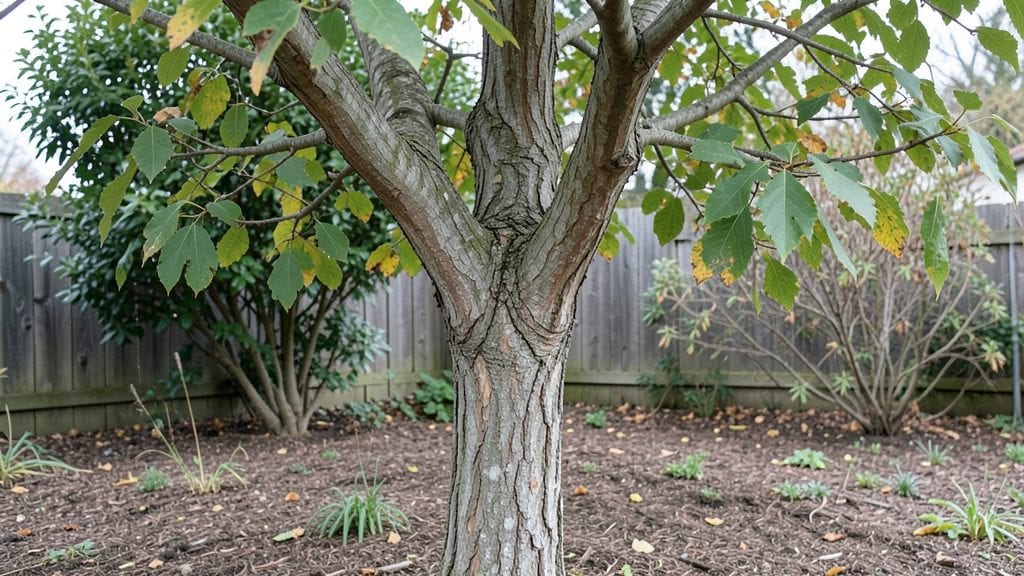
The Japanese ewe tree thrives in the Pacific Northwest’s harsh winters—its frost-proof branches hold their shape even after snowfall. 🌿 I’ve watched mine stand tall through Zone 5 winters, its glossy leaves turning fiery red before dropping, only to burst back with spring blooms.
The secret lies in its pruning: aggressive cuts in late winter reveal a hidden strength—new growth that outpaces most shrubs.
You’ll need sharp pruners, gloves, and a clear morning to work when the tree’s dormant. The Pacific Northwest’s wet springs mean timing matters: prune after the last frost but before buds swell.
This isn’t just about shaping—it’s about encouraging dense, disease-resistant branches that handle our region’s rain and wind like a champ.
By summer, you’ll have a bushier, more vibrant plant with fewer bare spots. The flowers arrive earlier than expected, followed by bright orange berries that birds adore. It’s the kind of shrub that turns heads in hedges, borders, or even as a standalone specimen—no dead branches, no weak growth.
Works equally well in full sun or partial shade, making it versatile for small yards or large landscapes. The key is patience: first-year pruning sets the stage for years of low-maintenance beauty. Ready to transform that bare corner into a showstopper?
📚 In This Guide
- What you need
- Instructions
- Tips and common mistakes
- Wrapping up and next steps
What you need
- ● Pruning shears: Bypass pruners (sharp, 6–8" blades) for clean cuts on small branches.
- ● Loppers: 16–24" bypass loppers for thicker branches (up to 2" diameter).
- ● Pruning saw: Curved-tooth saw for branches 2" or larger (avoid tearing bark!).
- ● Gloves: Heavy-duty, cut-resistant gloves (PNW thorns are no joke!).
- ● Disinfectant: 70% isopropyl alcohol or pruning sealant (to prevent disease spread).
- ● Extension pole: 6–10' telescoping pole with saw attachment (for high branches).
- ● Heavy-duty trash bags: 30+ gallon size for debris cleanup.
- ○ Ladder (optional): Sturdy, 3-section aluminum ladder (if tree exceeds 15' tall).
- ● Timing: Prune in late winter to early spring (before new growth starts).
- ● Weather: Calm, dry conditions (no rain forecast for 24–48 hours post-pruning).
- ● Safety gear: Safety glasses and long sleeves (PNW winds can kick up debris!).
- ● Tree assessment: Map out branches to remove (aim for no more than 25% of the tree’s canopy).
- ○ Cleanup supplies: Rake or leaf blower for fine debris (optional but handy!).
Step-by-Step guide to pruning your Japanese ewe tree
This is the method I've used for years to keep my Japanese ewe tree thriving through PNW winters.
✂️ Step 1: Time Your Pruning for Best Results
Prune your Japanese ewe tree (Styphnolobium japonicum) in late winter or early spring, just as new growth begins. This timing ensures you remove dead wood while allowing plenty of time for fresh foliage to develop before summer heat arrives. I always prune after the last frost date in my area—typically mid-March—when daytime temperatures consistently reach 50°F or higher.
If you missed the window, you can do a light shaping prune in early summer, but avoid heavy cuts then. The tree's energy is focused on leaf production, and summer pruning can stress it. Wait until fall only for minor cleanup—never for major structural work.
✂️ Step 2: Assess and Remove Dead or Damaged Branches
Start by examining the tree for dead, diseased, or crossing branches. Dead branches are brittle and snap easily when bent—remove these first. Diseased branches often have discolored bark, oozing sap, or fungal growth. Use clean, sharp pruners to make cuts just outside the branch collar (the swollen area where the branch meets the trunk).
Crossing branches compete for sunlight and nutrients. Remove one of the two, choosing the one that creates the best shape. If branches are rubbing against each other, prune the smaller one first to prevent future damage. I always step back after each cut to check the tree's balance—this helps me spot issues I might miss up close.
✂️ Step 3: Thin the Canopy for Airflow and Light
Japanese ewe trees grow dense canopies, which can trap moisture and encourage fungal diseases. Aim to thin the inner branches by 20-30% to improve airflow. Focus on removing branches that grow inward or downward—they rarely receive sunlight and can become weak. Use your pruners to make cuts at the branch collar, and avoid leaving stubs.
For thicker branches, use loppers and make the cut just outside the branch collar on the underside of the branch. This prevents tearing and promotes faster healing. After thinning, the tree's center should look open, like a bird's nest. This isn't just for looks—it reduces the risk of pests and diseases that thrive in dark, damp spaces.
✂️ Step 4: Shape the Tree for Structure and Balance
Now it's time to refine the tree's shape. Japanese ewe trees respond well to open, rounded forms, so I focus on maintaining that natural silhouette. Start by removing any branches that spoil the tree's symmetry. For example, if one side has a branch growing straight up while the other doesn't, prune the upright branch to create balance.
Use your hand as a guide—if a branch is thicker than your wrist, it's too large to remove without causing stress. For smaller branches, cut just above a bud or leaf node to encourage new growth in the direction you want. Step back frequently to check your progress. The goal is a tree that looks natural but is also structurally sound—no weak or crowded branches.
✂️ Step 5: Clean Up and Protect the Tree
After pruning, gather all the debris and remove it from the area. Leaving branches on the ground can harbor pests and diseases. I also disinfect my pruners with rubbing alcohol between cuts to prevent spreading pathogens. Once the tree is clean, apply a wound sealant (like pruning paint) only to cuts larger than ½ inch in diameter. Smaller cuts heal on their own.
Finally, water the tree deeply to help it recover. The roots will need moisture to support new growth, especially if you've made heavy cuts. Mulch the base with 2-3 inches of organic mulch (like wood chips) to retain moisture and protect the roots from temperature swings. This is especially important in the PNW, where winters can be wet and summers dry.
Tips & tricks for perfect Japanese ewe tree pruning
A few key insights can transform your pruning from good to exceptional—especially in our unpredictable PNW climate.
Timing is Everything: That 50°F minimum temperature in Step 1 isn't just arbitrary—it's when the tree's sap starts flowing again after winter dormancy. If you prune too early (below 50°F), you risk exposing fresh cuts to late frosts, which can kill new growth. I've learned this the hard way after seeing beautiful new buds freeze overnight! Check your local frost dates annually—they shift slightly each year.
Branch Collar Technique: When you make cuts in Step 2 and Step 3, always look for that swollen area where the branch meets the trunk—the branch collar. This isn't just a detail—it's where the tree's natural healing begins. Cutting too close to the trunk (or leaving stubs) creates wounds that take much longer to seal, making your tree vulnerable to infections. Think of it as the tree's natural bandage—preserve it!
Symmetry Check: The 20-30% thinning recommendation in Step 3 might sound vague, but here's how to visualize it: After removing branches, your tree's center should resemble a bird's nest—open enough to see light through. I step back every few cuts to check this. If you're unsure, take photos before and after pruning to compare. This visual helps me spot when I've gone too far.
Seasonal Adjustments: While we focus on late winter/early spring pruning, summer shaping (mentioned in Step 1) deserves special attention in the PNW. Our summers can be surprisingly dry—if you must prune then, do it on cooler days (before 10 AM) to reduce stress. And always water thoroughly after summer pruning to help the tree recover from any stress.
Pro Tips for Japanese Ewe Tree
- A few key insights can transform your pruning from good to exceptional—especially in our unpredictable PNW climate.
- Timing is Everything: That 50°F minimum temperature in Step 1 isn't just arbitrary—it's when the tree's sap starts flowing again after winter dormancy.
- Branch Collar Technique: When you make cuts in Step 2 and Step 3, always look for that swollen area where the branch meets the trunk—the branch collar.
Frequently asked questions
Got questions about pruning your Japanese Ewe Tree (Zelkova serrata)? You’re not alone—this frost-hardy beauty needs just the right touch to thrive in the Pacific Northwest’s climate. Here are the answers to the most common queries:
How do I know when to prune my Japanese Ewe Tree?
Prune your tree late winter to early spring (February–March) before new growth begins. This timing minimizes stress and avoids frost damage. If you spot dead or diseased branches anytime, remove them promptly—but wait for dormancy for major shaping. Pro tip: Avoid pruning in fall, as fresh cuts may not heal before winter’s chill.
Can I prune my Japanese Ewe Tree in winter?
While it’s frost-proof, pruning in mid-winter (December–January) can stress the tree, especially in heavy snow or freeze-thaw cycles. Stick to light maintenance (removing broken branches) if needed, but save heavy pruning for late winter. Cold snaps can slow healing, so time it right to keep your tree happy.
What’s the best way to prune for a fuller shape?
Use the “open-center” technique: Focus on removing dead, crossing, or inward-growing branches first. Then, trim back 1/3 of the branch length to encourage bushier growth. Avoid “topping” (cutting the main stem)—this harms the tree’s structure. Bonus: Prune at a 45° angle just above an outward-facing bud for optimal regrowth.
My Japanese Ewe Tree has yellow leaves after pruning. Is it dying?
Not necessarily! Yellowing can happen if you pruned too late in spring or cut into old wood (no buds). If leaves are only yellow (no brown or crisp edges), it’s likely adjusting. If leaves crisp or drop, you may have over-pruned. Water deeply post-pruning and monitor for pests. Most trees bounce back in a season.
Are there alternatives to pruning if I’m not confident?
Yes! Hire a certified arborist familiar with Zelkova species—they’ll assess your tree’s health and prune sustainably. For minimal upkeep, focus on annual light pruning and mulching to reduce stress. If your tree is young (<5 years), it often needs little to no pruning—just remove suckers or weak growth.
Wrapping up and next steps
The Japanese Ewe Tree stands as a resilient, frost-hardy gem in the Pacific Northwest’s landscape, offering both beauty and practicality with its pruning-friendly structure.
By mastering the techniques outlined—from seasonal timing to tool selection—you’ll unlock its full potential, ensuring vibrant growth and long-term health. Now’s the time to roll up your sleeves!
🌱 Your Next Step: Prune with Confidence
Start small: Pick a sunny day, gather your tools, and give your tree a test prune. Document the process with photos—you’ll be amazed at the transformation! For deeper dives, explore local PNW gardening forums or connect with regional horticultural societies to swap tips and celebrate your green thumb.