
Pruning
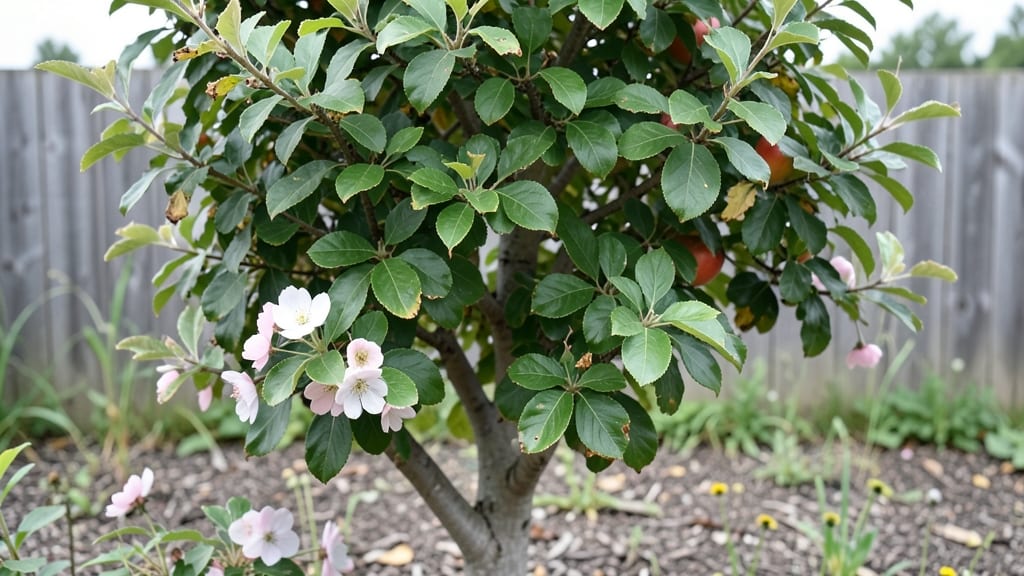
My non-fruit crabapple tree stands as the quiet showstopper of my front yard—no messy apples to clean up, just four-season drama from its blossoms to its burgundy fall foliage. 🌸 The secret to its effortless beauty?
It’s designed to thrive with minimal fuss, unlike its fruiting cousins that demand constant attention. I planted mine three years ago, and it’s already outgrown every expectation, proving that ornamental trees can be just as rewarding as edible ones.
This tree loves full sun but handles partial shade too, making it perfect for small yards or urban spaces where sunlight is limited. The soil doesn’t need to be fancy—just well-draining and slightly acidic—but a thick layer of mulch keeps roots happy and weeds at bay.
Pruning? Forget the annual chore: shape it once when young, then let it grow naturally. The real magic happens in spring when clouds of pink or white flowers burst forth, followed by clusters of tiny berries that feed birds all winter.
By summer, the glossy green leaves develop hints of red, and by fall, they blaze into fiery shades that outshine any maple. Even in winter, the bare branches hold their own with a graceful silhouette.
Pair it with dwarf conifers for texture contrast or spring bulbs at its base for early color—it’s the kind of tree that makes neighbors ask, “What’s that?” before you casually drop, “Oh, just a non-fruit crabapple.”
Here’s the kicker: it’s disease-resistant and pest-proof, so you won’t spend your weekends playing botanical whack-a-mole. Whether you’re a beginner or a seasoned landscaper, this tree delivers year-round curb appeal with almost no effort. Let’s get yours growing!
📚 In This Guide
- What you need
- Instructions
- Tips and common mistakes
- Wrapping up and next steps
What you need
- ● Pruning shears – Bypass pruners (sharp, 6-8 inch blades) for clean cuts on small branches.
- ● Loppers – 8-10 inch for thicker branches (up to 2 inches in diameter).
- ● Pruning saw – Hand saw with curved blade for branches over 2 inches thick.
- ● Gloves – Heavy-duty, cut-resistant (gardening or pruning-specific).
- ○ Disinfectant (optional but recommended) – 70% isopropyl alcohol or pruning sealant to prevent disease spread.
- ○ Extension pole – Adjustable, 6-10 feet for high branches (optional but helpful!).
- ● Heavy-duty trash bags – For collecting pruned branches and debris.
- ● Safety gear – Safety glasses and long sleeves/pants to protect from thorns and debris.
- ● Weather check – Aim for a dry, calm day (avoid pruning when branches are wet or windy).
- ● Tree assessment – Spend 10 minutes observing the tree’s structure, dead branches, and overgrowth.
- ● Clean workspace – Lay down a tarpaulin or old blanket to catch falling debris.
- ● Tree wound paint – For sealing larger cuts (controversial but some swear by it!).
- ● Ladder – Sturdy, extendable if your tree is tall (use with caution!).
- ● Notebook & pen – To sketch a simple pruning plan before you start.
- ○ Tree growth regulator (optional) – For aggressive growers (follow label instructions!).
Step-by-Step guide to planting and caring for a non-fruit crabapple tree
Here's the simple approach I use to establish a stunning, low-maintenance crabapple tree that thrives year after year.
🪴 Step 1: Select the Perfect Planting Location
Choose a spot with full sun exposure—at least 6 hours of direct sunlight daily—for optimal growth and vibrant foliage. Non-fruit crabapples are tougher than you think, but they reward you with the best color and form when planted in the right light. Avoid low-lying areas where water pools after rain, as these trees hate soggy roots.
Test the soil by digging a 12-inch deep hole. If it's clay-heavy, mix in 2 inches of compost to improve drainage. The ideal spot also offers 10-15 feet of clearance from sidewalks or driveways—these trees grow 20-30 feet tall and need space to develop their graceful branches.
🌱 Step 2: Plant at the Right Time and Depth
Spring or early fall are the best times to plant—avoid extreme heat or cold. Dig a hole twice as wide as the root ball but no deeper than the container's depth. Gently remove the tree from its container and loosen any circling roots with your fingers. This prevents root girdling as the tree matures.
Place the tree in the hole so the top of the root ball sits 1-2 inches above ground level. Backfill with native soil, tamping lightly every 6 inches to remove air pockets. Water deeply until moisture reaches 12 inches down, then add a 2-inch layer of mulch (keeping it 6 inches away from the trunk to prevent rot).
☀️ Step 3: Water and Fertilize for Strong Establishment
Water twice weekly for the first 3 months, providing 10-15 gallons per watering to encourage deep root growth. You'll know it's enough when water drains 6 inches down—check by pushing a screwdriver into the soil. Overwatering is the fastest way to kill a young tree, so let the top 2 inches of soil dry between waterings after the initial phase.
In early spring, apply a balanced 10-10-10 fertilizer (using 1/2 cup per inch of trunk diameter) to support new growth. I skip fertilizer after the first year unless the tree looks pale or stunted—non-fruit crabapples are generally low-maintenance once established. Always water fertilizer in to prevent root burn.
✂️ Step 4: Prune for Structure and Health
Prune in late winter or early spring before new growth begins. Remove dead, crossing, or rubbing branches first—these create entry points for disease. Then shape the tree by cutting back 1/3 of the longest branches to encourage a balanced form. Use clean, sharp pruners and make cuts just outside the branch collar.
Here's the thing—non-fruit crabapples handle pruning well, but never remove more than 25% of the canopy in one season. You'll see new growth within 4-6 weeks of proper pruning, and the tree will develop a stronger structure. Avoid heavy pruning in fall, as it encourages late-season growth that won't harden off before winter.
🌿 Step 5: Maintain Year-Round for Long-Term Beauty
In early spring, add 1 inch of compost around the drip line (the edge of the tree's canopy) to replenish nutrients. This is also when you'll see pink or white blossoms—a sign your tree is thriving. Water deeply once a month during dry spells, aiming for 15-20 gallons to reach the root zone.
Fall is the time to remove any fallen fruit (even though it's non-fruiting, decaying apples attract pests). Rake up leaves and dispose of them—this prevents fungal diseases from overwintering in the soil. A light mulch top-up in late fall helps insulate roots through winter, but don't pile it against the trunk.
Tips & tricks for perfect non-fruit crabapple tree planting
These simple tricks will help you establish a healthy, stunning crabapple tree with minimal effort.
Location is Everything: I always scout potential spots during the day to confirm they get at least those 6 hours of direct sunlight—morning sun is ideal for preventing afternoon leaf scorch. Pay extra attention to the 12-inch soil test in Step 1: if your soil is sandy, you might need to add an extra inch of compost to help retain moisture during dry spells.
Root Care Matters: When loosening circling roots in Step 2, I use my fingers to gently separate them—never cut them. This encourages outward root growth rather than a tight root ball. Also, that 1-2 inch elevation above ground level is critical: it prevents water pooling around the trunk, which can cause rot.
Watering Wisdom: The twice weekly watering in Step 3 is non-negotiable for the first 3 months, but I've learned that 10-15 gallons per watering might need adjustment based on your soil type. For clay soil, you might need closer to 15 gallons, while sandy soil may only need 10. Always check that 6-inch drainage with your screwdriver test—it's the only reliable way to know you're watering correctly.
Pruning Pro Tip: In Step 4, when cutting back 1/3 of the longest branches, I look for branches that are growing inward or upward—they're the ones that will create a more open, airy canopy. And remember that 4-6 week regrowth timeline is your reward for proper pruning: you'll see new shoots appearing within weeks, signaling your tree is happy and healthy.
Pro Tips for Non Fruit Crabapple Tree
- These simple tricks will help you establish a healthy, stunning crabapple tree with minimal effort.
- Location is Everything: I always scout potential spots during the day to confirm they get at least those 6 hours of direct sunlight—morning sun is ideal for preventing afternoon leaf scorch.
- Root Care Matters: When loosening circling roots in Step 2, I use my fingers to gently separate them—never cut them.
Frequently asked questions
Got questions about non-fruit crabapple trees?
Here are the most common ones—plus quick, practical answers to keep your tree thriving with ease.
Why choose a non-fruit crabapple over a flowering one?
A non-fruit crabapple skips the messy fruit drop, saving you time on cleanup while still delivering stunning blooms in spring and vibrant foliage year-round. Plus, they’re less attractive to pests like birds and squirrels—ideal for low-maintenance landscapes!
How fast do non-fruit crabapple trees grow?
These trees typically grow 12–24 inches per year, depending on soil and care. Dwarf varieties (like ‘Sentinel’) mature in 5–10 years, while standard types take 15–20 years. Pro tip: Prune in late winter to control size and shape early!
When’s the best time to prune a non-fruit crabapple?
Prune during late winter or early spring (before buds swell) to avoid disease risks. Light shaping is fine year-round, but avoid heavy cuts in fall—this can stress the tree. Bonus: Remove dead wood immediately to boost airflow and health.
Do non-fruit crabapples still attract wildlife?
While they lack edible fruit, their flowers and seeds may draw bees, butterflies, and birds—especially in spring. For wildlife-friendly alternatives, pair yours with native pollinator plants like coneflowers or milkweed.
Can non-fruit crabapples handle extreme heat or cold?
Most varieties thrive in USDA Zones 4–8, tolerating temps from -30°F to 90°F. Heat tip: Mulch the base to retain moisture, and water deeply during droughts. Cold-hardy types (like ‘Adirondack’) are perfect for northern climates!
What if my tree’s leaves turn yellow or drop early?
Yellowing leaves often signal overwatering, nutrient deficiency, or fungal issues. Check soil drainage, fertilize lightly in spring, and inspect for pests. Fix it: Trim affected branches and apply fungicide if needed—most trees bounce back with proper care!
Wrapping up and next steps
Transforming your yard with a non-fruit crabapple tree is a rewarding choice—it delivers stunning year-round beauty with minimal fuss! 🌿 Whether you love its vibrant blooms, glossy foliage, or striking fall colors, this low-maintenance tree is the perfect addition for any landscape.
With just a few simple pruning steps, you’ll keep it thriving while enjoying its natural elegance.
Ready to get started? Pick your favorite variety, gather your tools, and give your outdoor space a fresh, effortless upgrade. Your future self—and your neighbors—will thank you! 🌟