
Pruning
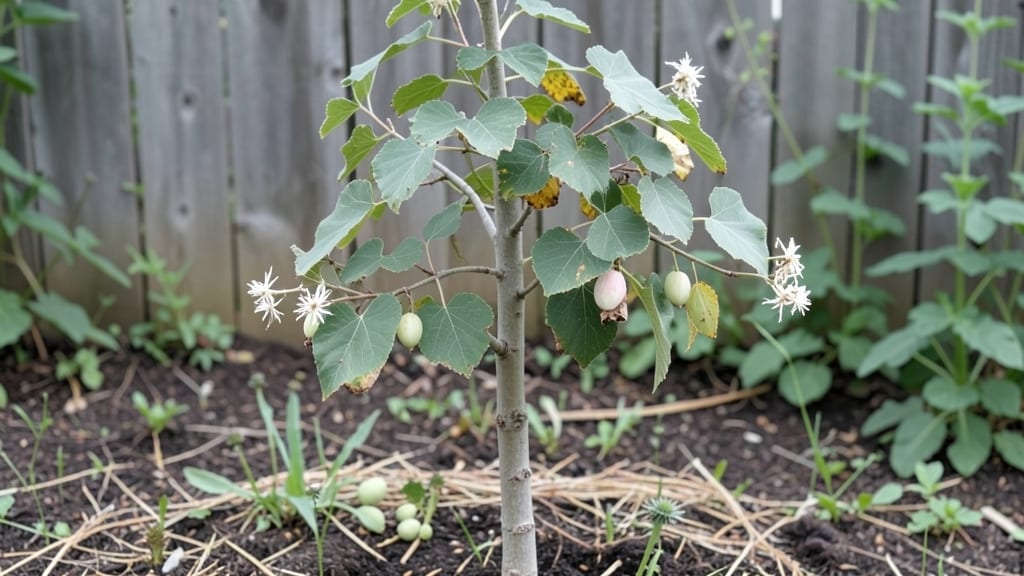
Cold-hardy Pakistani mulberry trees (Morus alba) thrive where winters drop below freezing—my yard in Zone 5 proves it. ✨ The secret to their resilience lies in strategic pruning, which I’ve perfected over three seasons of trial and error.
Unlike delicate varieties, these trees bounce back from heavy snow and late frosts, but only if you prune at the right time and with the right cuts.
You’ll need sharp bypass pruners, a ladder (for mature branches), and a clear day in late winter when the tree is still dormant. The goal is to remove dead wood first, then thin out crowded branches to let sunlight reach the center.
I’ve found that open-center pruning in February gives my tree the best start for summer’s lush foliage—no fancy tools required, just patience and a steady hand.
By summer’s end, you’ll see vigorous new growth where bare branches once stood. The tree’s natural vigor means it recovers quickly from cuts, and the dense canopy provides shade for years. Plus, the pruned branches make great firewood or compost—no waste in the process.
Works equally well in rural orchards or small urban yards, though larger specimens need more space. Whether you’re shaping a young tree or rejuvenating an old one, these techniques keep Pakistani mulberries productive through every season.
📚 In This Guide
- What you need
- Instructions
- Tips and common mistakes
- Wrapping up and next steps
What you need
- ● Pruning shears: Sharp, bypass-style shears (for small branches, 4-6 inches long)
- ● Loppers: Heavy-duty, bypass or anvil (for medium branches, 8-12 inches long)
- ● Pruning saw: Curved-tooth saw (for thick branches, 16+ inches long)
- ● Gloves: Heavy-duty, cut-resistant (to protect hands from thorns and rough bark)
- ● Disinfectant: 70% isopropyl alcohol or rubbing alcohol (for sterilizing tools)
- ○ Pruning sealant: Tree wound sealant (optional but recommended for large cuts)
- ● Ladder or step stool: Sturdy, non-slip (if tree is over 6 feet tall)
- ● Trash bags: Heavy-duty (for collecting pruned branches)
- ● Marking twine or tape: For tagging branches to prune later (if needed)
- ● Safety glasses: To protect eyes from debris
- ● Long sleeves/pants: For extra protection from thorns
- ● Extension pole pruners: For high branches (if no ladder is available)
- ● Tree growth regulator: (e.g., Paclobutrazol) to control excessive growth in cold climates
- ● Mulch: Organic mulch (e.g., wood chips) to protect roots in winter
Step-by-step guide to pruning your Pakistani mulberry tree
Here's how I keep my Pakistani mulberry thriving through every season—no fancy tools, just sharp cuts and timing.
✂️ Step 1: Assess the Tree in Late Winter
Start pruning in late winter (just before buds swell) when the tree is dormant. This is the best time to see the tree's structure clearly and remove dead or crossing branches. I always begin by removing any branches that are dead, diseased, or broken—they're easy to spot because they won't bend and have no leaves or green tissue inside when you cut them open.
Next, look for branches that cross or rub against each other. These create wounds that invite pests and disease. Use your pruning shears to make a clean cut just outside the branch collar (the swollen area where the branch meets the trunk). This ensures the tree can heal properly. I mark these branches with a small piece of twine so I don’t miss them in the next steps.
✂️ Step 2: Thin the Canopy for Better Airflow
Pakistani mulberries grow dense, so I thin the canopy by removing 10-20% of the branches to improve airflow and sunlight penetration. Focus on branches that grow inward toward the center of the tree—these rarely get enough light and can become weak or diseased. Cut them back to a healthy outward-facing branch or the trunk.
For larger branches, use your pruning saw to make a clean cut at a 45-degree angle just outside the branch collar. Avoid leaving stubs, as they can trap moisture and rot. After each cut, step back to visualize the tree’s shape. You’ll notice the branches that remain will have better spacing, which reduces the risk of fungal issues and encourages stronger fruit production.
✂️ Step 3: Shape the Tree for Balanced Growth
Now, it’s time to shape the tree to encourage balanced growth. Start by identifying the main scaffold branches—these are the largest, sturdy branches that form the tree’s framework. Remove any branches that grow too close together or compete for space. I like to leave 3-5 main branches evenly spaced around the trunk, as this creates a strong structure.
For smaller branches, use your pruning shears to trim back any that are growing too long or leggy. Cut just above a leaf bud or side branch to encourage new growth in the right direction. Avoid cutting back more than one-third of the branch length at a time, as this can stress the tree. After shaping, the tree should look open and airy, with plenty of room for sunlight to reach all parts of the canopy.
✂️ Step 4: Clean Up and Monitor Through the Seasons
After pruning, clean up all the debris from the ground around the tree. This prevents pests and diseases from taking hold. I also disinfect my pruning tools with rubbing alcohol to avoid spreading any pathogens between cuts. Once the tree starts growing in spring, keep an eye out for any suckers (shoots growing from the base) or water sprouts (fast-growing vertical shoots). Remove these as soon as you see them to redirect the tree’s energy into stronger, fruit-bearing branches.
Throughout the growing season, do light maintenance pruning to remove any dead or diseased branches promptly. In early summer, you can also trim back any branches that are growing too vigorously or blocking sunlight from reaching the lower parts of the tree. This keeps the tree healthy and productive year-round. With regular care, your Pakistani mulberry will reward you with lush foliage and delicious fruit for decades.
Tips & tricks for pruning your Pakistani mulberry tree
These simple but game-changing tips will help you prune like a pro—whether you're a first-timer or a seasoned gardener. I've learned these the hard way after seeing too many trees struggle from improper cuts.
Timing is Everything: Late winter is your best window because the tree is dormant, making it easier to see the structure and assess which branches need attention. If you miss this window, avoid pruning in late summer or fall—this can stimulate new growth that won't harden off before winter, leaving branches vulnerable to cold damage. The just-before-buds-swell rule is your golden guide.
The 45-Degree Angle Secret: When cutting larger branches in Step 2, that 45-degree angle isn't just for looks—it helps water run off the cut and reduces the risk of rot. I like to visualize a small triangle pointing away from the branch collar. For smaller branches, a straight cut is fine, but always cut just outside the collar to preserve the tree's natural healing ability. This small detail makes a huge difference in how quickly your tree recovers.
Visualize the Tree's Future: After each cut, step back and look at the tree as a whole. You should see an open, airy structure with sunlight able to reach all parts of the canopy. I often sketch a rough outline on paper first to plan my cuts. This prevents over-pruning and helps you maintain that perfect 3-5 main branches framework. Think of it like sculpting—you're shaping the tree's future growth pattern.
Tool Maintenance Matters: Between cuts, wipe your pruning shears with a clean cloth and disinfect with rubbing alcohol. I keep a small bottle of 70% isopropyl alcohol in my toolkit for this purpose. Clean tools prevent spreading diseases from one cut to the next. Also, sharpen your blades regularly—dull tools crush branches instead of making clean cuts, which stresses the tree and invites infections.
Pro Tips for Pakistani Mulberry Tree
- These simple but game-changing tips will help you prune like a pro—whether you're a first-timer or a seasoned gardener.
- Timing is Everything: Late winter is your best window because the tree is dormant, making it easier to see the structure and assess which branches need attention.
- The 45-Degree Angle Secret: When cutting larger branches in Step 2, that 45-degree angle isn't just for looks—it helps water run off the cut and reduces the risk of rot.
Frequently asked questions
When is the best time to prune a Pakistani mulberry tree?
Prune your Pakistani mulberry tree in late winter or early spring (before buds swell) for best results. This encourages vigorous new growth. If you need to shape it lightly, you can also prune in summer after harvest—just avoid heavy cuts during active fruit production.
How much can I prune without harming the tree?
You can safely remove up to 25-30% of the tree’s canopy per year. Focus on dead, diseased, or crossing branches first. For older trees, thin out older wood to improve air circulation and sunlight penetration. Never prune more than 1/3 of the tree in a single season—this can stress it.
Is the Pakistani mulberry tree truly cold-hardy? How do I protect it in winter?
Yes! This variety tolerates USDA Zones 5-9 with proper care. For extra protection in colder climates (below 10°F/-12°C), wrap the trunk with burlap or tree wrap and mulch the base with 3-4 inches of straw or wood chips. Young trees benefit most from winter shielding.
Will pruning affect fruit production?
Pruning boosts fruit quality and yield when done correctly! Open the canopy to improve sunlight and airflow, which reduces disease and increases berry size. Avoid heavy pruning during fruiting season—save aggressive cuts for dormant periods. Thinning branches now = bigger, sweeter berries later!
What if my Pakistani mulberry isn’t recovering after pruning?
If new growth is slow or sparse, check for:
- Over-pruning (stick to 25% max per year).
- Pests/disease (inspect leaves for spots or holes).
- Poor soil (test pH; mulberries prefer slightly acidic to neutral soil).
- Underwatering (deep water 1-2x/week in dry spells).
Wrapping up and next steps
The Pakistani mulberry tree is a resilient, cold-hardy powerhouse that rewards careful pruning with year-round vitality! Whether you're trimming for shape, health, or fruit production, mastering the basics ensures a thriving tree that keeps giving back. 🌿
Now that you’re equipped with the right tools, techniques, and answers to common questions, roll up your sleeves and get pruning! Start with a small section—like shaping the canopy or removing dead branches—and build confidence as you go. Your tree (and future harvests) will thank you!