
Pruning
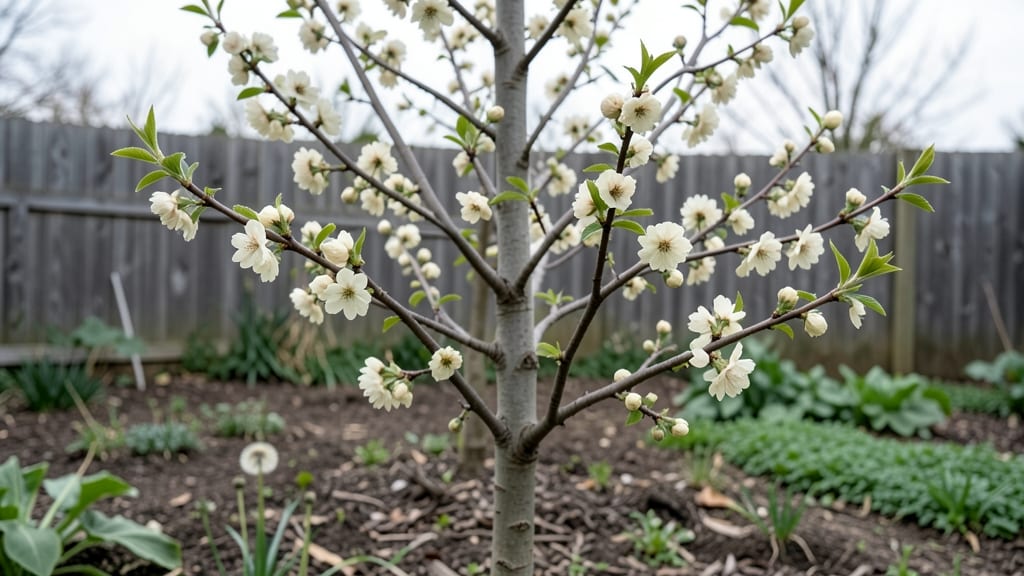
Growing a Japanese apricot tree in the Pacific Northwest means you get fragrant spring blooms and sweet-tart fruit—if you prune it right to handle our chilly winters. 🌸 I learned the hard way that skipping this step leads to weak growth and poor fruit set, but once I mastered the frost-resistant technique, my tree thrived even through our damp, cool summers.
The secret lies in timing and technique: prune in late winter before buds swell, but after the worst frosts have passed—usually February or March in PNW zones. Use sharp shears to make clean cuts just above outward-facing buds, and avoid heavy pruning in fall, which invites disease.
A well-pruned tree produces more fruit per branch and recovers faster from winter stress.
You’ll end up with a tree that bursts into blossoms by April, followed by clusters of golden fruit ripening in late summer.
The fragrant white flowers alone make it worth the effort, but the fruit—when properly cared for—tastes like a cross between an apricot and a peach, with a hint of almond.
The key is patience; it takes 3-5 years for a young tree to bear reliably, but once it does, you’ll have fruit well into October.
This method works for both container-grown trees and those planted in the ground, making it perfect for urban gardens or rural homesteads. The same principles apply whether you’re dealing with a 5-gallon sapling or a mature 15-foot tree—just scale the cuts accordingly.
Let’s get your tree ready for its best season yet.
📚 In This Guide
- What you need
- Instructions
- Tips and common mistakes
- Wrapping up and next steps
What you need
- ● Japanese apricot tree sapling (ensure it’s Prunus mume, cold-hardy to USDA Zones 6-9)
- ● Shovel or trowel (for planting—6-8 inches wide for digging)
- ● Pruning shears (sharp, bypass-style, 3-4 inches blade length)
- ● Loppers (for thicker branches—8-10 inches cutting capacity)
- ● Hand pruners (for precision cuts—5-6 inches blade)
- ● Garden gloves (heavy-duty, cut-resistant for safety)
- ○ Pruning sealant (optional but helpful for large cuts—latex-based)
- ● Mulch (wood chips or straw, 2-3 inches deep)
- ● Watering can or hose (with gentle spray nozzle)
- ● Fertilizer (balanced 10-10-10 or organic compost)
- ● Tree support stakes (if planting in windy areas)
- ● Disinfectant spray (for sterilizing tools between cuts)
- ● Tarp or drop cloth (to protect work area from debris)
- ● Notebook & pen (for tracking pruning notes)
How to prune a Japanese apricot tree for Pacific Northwest resilience
Here's the pruning method I've refined over years of growing these trees in cold climates—it keeps them strong, productive, and frost-resistant.
✂️ Step 1: Time Your Pruning for Maximum Frost Hardiness
Prune your Japanese apricot tree in late winter to early spring, just as buds begin to swell but before any new growth appears. This timing ensures the tree can heal quickly before spring frosts hit. In the Pacific Northwest, aim for February to early March when daytime temperatures hover around 45-55°F.
Never prune in fall or during active growth periods. Fall pruning leaves fresh cuts vulnerable to winter dieback, while summer pruning stresses the tree when it's already working hard to fruit. Watch for buds that look plump and ready to burst—those are your cue to start.
✂️ Step 2: Remove Dead, Diseased, or Crossing Branches First
Start by eliminating any dead, broken, or diseased branches—these are your first priority. Use clean, sharp pruners to make cuts at a 45-degree angle about ¼ inch above a healthy bud facing outward. Diseased wood should be bagged and disposed of immediately to prevent spreading.
Next, remove any branches that cross or rub against each other. These create wounds that invite pests and diseases. You'll know you've done this right when the tree's framework looks open and airy, allowing sunlight to reach all branches. I like to step back and visually check for gaps—if sunlight can't penetrate to the center, keep pruning.
✂️ Step 3: Thin the Canopy for Airflow and Light Penetration
Focus on thinning the canopy by removing up to 25% of the tree's total branches, prioritizing those growing inward or downward. These branches compete for sunlight and nutrients, weakening the tree's structure. Make your cuts just outside the branch collar—the swollen area where the branch meets the trunk—to promote faster healing.
For each branch you remove, look for a strong, outward-facing bud to guide your cut. This ensures new growth will continue the tree's natural shape. If you're unsure whether to keep a branch, imagine the tree in winter—you want a balanced silhouette that won't collect heavy snow.
✂️ Step 4: Shape for Frost Resistance and Fruit Production
Japanese apricot trees thrive with an open-center or vase shape, which allows sunlight to warm the center and prevents frost pockets. Remove any branches growing straight up from the trunk—these are called "water sprouts" and drain energy from fruit production. Cut them back to a lateral branch or bud.
Pay special attention to the tree's scaffold branches—the main limbs that form its structure. These should be spaced 12-18 inches apart and angled outward. If a scaffold branch is too close to another, thin one out to prevent future crowding. You'll see a well-shaped tree when sunlight can reach all branches evenly, even on cloudy days.
⏰ Step 5: Clean Up and Apply Protective Measures
After pruning, sterilize your tools with rubbing alcohol to prevent spreading disease. Remove all pruned branches and debris from the area to reduce pests and fungal risks. Now's also the time to apply a dormant oil spray if you notice scale insects or mites—this protects the tree before it wakes up for spring.
Finally, spread 2-3 inches of mulch around the base of the tree, keeping it 6 inches away from the trunk. This insulates roots from temperature swings and retains moisture. Water deeply if the soil feels dry, but avoid overwatering—Japanese apricots hate soggy roots.
Tips & tricks for perfect Japanese apricot tree pruning
Here's what I've learned after years of pruning these frost-hardy trees in the Pacific Northwest—these tricks will help you avoid common mistakes and get results that last.
Bud Timing is Everything: In Step 1, those plump, ready-to-burst buds are your best indicator of when to prune. I've found that if you start seeing buds swell before February, you can begin pruning earlier—but never before the last hard frost. The goal is to give the tree time to heal before spring growth begins. If you're unsure, do a quick scratch test: gently scrape a bud with your fingernail. If green shows, it's ready!
Tool Sharpness Matters More Than You Think: For Step 2, your pruners should be sharper than a chef's knife. Dull tools crush branches instead of making clean cuts, which slows healing and invites disease. I sharpen mine with a file before each pruning session and clean them between cuts. A good pair of bypass pruners will last years if properly maintained—don't skimp on this investment.
Visualize the Winter Silhouette: When thinning the canopy in Step 3, imagine how the tree will look in winter without leaves. You want an open center that lets sunlight warm the core and prevents snow buildup. I like to stand back and squint—if I can't see through the center, I need to remove more branches. Remember, you're creating structure for the next 10 years, not just this season.
Mulch Placement is Critical: In Step 5, that 2-3 inches of mulch should form a donut shape around the tree, but keep it 6 inches away from the trunk. Too close to the trunk creates moisture that can rot roots, while too far out doesn't protect effectively. I use wood chips because they break down slowly and improve soil structure over time. Water deeply after mulching to help it settle properly.
Pro Tips for Japanese Apricot Tree
- Here's what I've learned after years of pruning these frost-hardy trees in the Pacific Northwest—these tricks will help you avoid common mistakes and get results that last.
- Bud Timing is Everything: In Step 1, those plump, ready-to-burst buds are your best indicator of when to prune.
- Tool Sharpness Matters More Than You Think: For Step 2, your pruners should be sharper than a chef's knife.
Frequently asked questions
Got questions about growing and caring for your Japanese apricot tree? You’re not alone! Here are some of the most common concerns—plus quick answers to keep your tree thriving in the Pacific Northwest’s climate.
When is the best time to prune a Japanese apricot tree?
Prune your tree during late winter or early spring (February–March), before new growth begins. This timing minimizes stress and disease risk. Avoid pruning in fall—it can stimulate late-season growth that’s vulnerable to frost. For frost-prone zones like the PNW, prioritize frost-resistant varieties and prune after cold snaps to reduce damage.
How do I protect my Japanese apricot tree from frost?
Japanese apricot trees are moderately frost-tolerant, but young trees or late blooms need extra care. Use frost cloth on flower buds when temps drop below 28°F. Mulch the base with 3–4 inches of organic matter (like wood chips) to insulate roots. Water deeply before hard freezes to help roots withstand cold. If possible, plant trees in sheltered microclimates (e.g., near south-facing walls).
What’s the difference between pruning for fruit vs. shape?
For fruit production, focus on:
- Thinning overcrowded branches to improve air circulation (aim for 6–8 inches between branches).
- Removing suckers (shoots at the base) and water sprouts (vertical shoots).
- Opening the center to sunlight for even ripening.
Why aren’t my Japanese apricot fruits ripening?
Common culprits include:
- Insufficient sunlight: Trees need 6+ hours of direct sun daily. If shaded, consider relocating or thinning nearby foliage.
- Over-fertilizing with nitrogen: Too much N = lush leaves, fewer fruits. Use a balanced 10-10-10 fertilizer in early spring.
- Pollination issues: Japanese apricot trees are self-pollinating, but bees help. If blooms aren’t setting fruit, hand-pollinate with a soft brush or plant a second tree nearby.
- Young tree age: Trees 3–5 years old often produce minimal fruit. Patience pays off!
Can I grow a Japanese apricot tree in a container?
Yes, but with limitations. Use a large pot (20+ gallons) with drainage holes and a well-draining mix (e.g., 60% soil, 30% compost, 10% perlite). Container trees need:
- Regular watering (containers dry faster).
- Winter protection: Move pots to a garage or sheltered area when temps drop below 20°F.
- Smaller size: Expect dwarf varieties (like ‘Okubo’) to max out at 8–10 feet tall.
Wrapping up and next steps
The Japanese apricot tree is a stunning, frost-resistant gem for Pacific Northwest gardens—when pruned with care! By mastering the right techniques, you’ll ensure vibrant blooms, healthy fruit, and long-term resilience. Whether you’re a seasoned gardener or just starting, every trim brings you closer to a thriving orchard.
Ready to take the next step? Start small:
- 📅 Mark your calendar for late winter/early spring pruning—your tree will thank you!
- 📖 Grab a pruning guide (or revisit this one!) and gather your tools.
- 🌱 Observe your tree over the seasons—adjust as it grows!