
Pruning
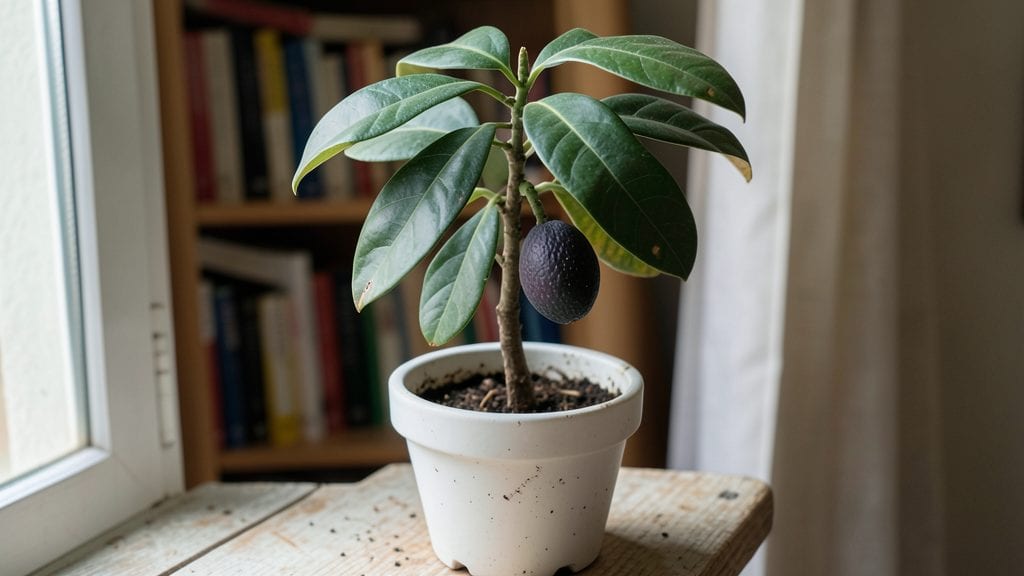
Growing an indoor avocado tree with fruit is the ultimate patience test—and the most rewarding kitchen garden you’ll ever start. 🌱 The first time I saw those dark green leaves unfurl in my sunny window, I knew this wasn’t just a houseplant; it was a long-term project with real payoff.
Avocados need years to fruit, but the journey itself is worth it: glossy foliage, the occasional creamy blossom, and eventually, that first avocado growing on your countertop.
Here’s the thing—you don’t need a greenhouse or a tropical climate, just bright indirect light, a well-draining potting mix, and a little consistency. Most people fail because they treat it like a fern: too much water, not enough light, or no pruning.
I’ve grown three over the years, and the ones that thrive get weekly inspections (yes, really) for pests and monthly pruning to encourage bushier growth. The soil mix is key too—regular potting soil gets compacted fast, so I mix in perlite or orchid bark to keep roots happy.
By year three, you’ll start seeing the real magic: clusters of tiny white flowers that smell like citrus, followed by those peach-sized avocados that take months to ripen. They won’t be store-bought perfect, but they’ll be sweeter and creamier than anything you’ve bought.
The best part? Your tree becomes a conversation piece—neighbors will stop by just to see that fruit growing where their houseplants are struggling.
Now, don’t expect overnight miracles. This is a three-to-five-year commitment, but every time you water or prune, you’re investing in that future harvest. The first avocado might be small, but it’ll be yours—and that’s the real victory. Let’s get your tree started on the right path.
📚 In This Guide
- What you need
- Instructions
- Tips and common mistakes
- Wrapping up and next steps
What you need
- ● Avocado pit – A fresh, organic avocado pit (preferably from a Hass variety for best results).
- ● Water – Filtered or distilled water (avoid tap water with high chlorine/salt content).
- ● Potting mix – A well-draining, airy blend: 50% cactus/succulent mix (for drainage)
- ● 30% perlite or pumice (for aeration)
- ● 20% compost or worm castings (for nutrients)
- ● 6-inch pot – With drainage holes (terracotta or ceramic works best).
- ● Toothpicks or skewers – 3-4 pieces (for supporting the pit while sprouting).
- ● Pruning shears – Small, sharp pair for trimming leaves/stems (sterilize with rubbing alcohol).
- ● Spray bottle – For misting leaves (avocados love humidity!).
- ● Grow lights – LED full-spectrum bulb (12-16 hrs/day) if natural light is <6 hrs/day.
- ● Fertilizer – Balanced liquid fertilizer (e.g., 10-10-10) or fish emulsion (diluted monthly).
- ● Humidity tray – A shallow tray with pebbles + water to boost moisture.
- ● Larger pots – 10-inch and 12-inch pots (for repotting as the tree grows).
- ● Patience – Fruit production can take 3-5 years (or longer) indoors!
- ● Consistent care – Commit to regular watering, light, and pruning routines.
- ● Space – A sunny spot (south-facing window or grow light) with room for the tree to reach 6-8 feet tall.
Step-by-Step instructions for growing an avocado tree indoors
Here's how to coax fruit from your kitchen countertop with patience and the right care.
🌱 Step 1: Start With a Healthy Pit and Sprout Roots
Select a fresh avocado pit from a ripe fruit and wash off any remaining flesh. Insert 3-4 toothpicks evenly around the middle, leaving the top half exposed. Suspend the pit over a glass of water so the bottom half sits submerged—just the pointed end should touch the water. Keep the water level high enough to cover about ½ inch of the pit.
Place the glass in a warm spot with bright, indirect light—a sunny windowsill works well. Change the water every 3-4 days to prevent mold. Within 2-6 weeks, you'll see roots emerge from the bottom. Once roots reach 2-3 inches, it's time to plant in soil.
🪴 Step 2: Plant in Well-Draining Soil and Choose the Right Pot
Use a 6-8 inch pot with drainage holes and fill it with a mix of potting soil and perlite or sand (half and half) for excellent drainage. Remove the toothpicks and plant the avocado pit so the top half remains above soil—this is where the stem will emerge. Press the soil gently around the pit but don't compact it too tightly.
Water lightly until moisture reaches the bottom of the pot, then let it drain completely. Place the pot in a warm spot with bright, indirect light—direct sun can scorch the young plant. You'll see a sprout emerge from the top of the pit within 2-4 weeks. Once the sprout reaches 6 inches, trim it back to 12 inches to encourage bushier growth.
☀️ Step 4: Provide Consistent Light and Care for Fruit Development
Move your avocado tree to a location with 6+ hours of bright, indirect light daily. A south-facing window or a grow light works best. Rotate the pot a quarter turn weekly to prevent lopsided growth. Water when the top inch of soil feels dry, but avoid soggy soil—avocados hate wet feet.
Fertilize every 2-3 months with a balanced, water-soluble fertilizer diluted to half strength. Once the tree reaches 18-24 inches, it can handle full sun for a few hours daily. Flower buds appear after 1-2 years of growth—keep the tree healthy, and you'll see tiny purple or yellow flowers that eventually develop into fruit.
✂️ Step 5: Prune and Support for Bigger Fruit
Prune leggy branches in early spring to encourage a fuller shape. Remove any dead or yellowing leaves immediately. If your tree grows tall and top-heavy, stake it for support. Avocados need cross-pollination to produce fruit—if you have only one tree, hand-pollinate with a small brush to transfer pollen between flowers.
When fruit appears, it may take 1-2 years to reach maturity. Harvest when the skin turns dark and the fruit yields slightly to gentle pressure. With patience and care, your kitchen countertop can become a tropical oasis with homegrown avocados!
Tips & tricks for perfect indoor avocado tree growth
Growing an avocado tree indoors is all about patience and the right conditions—here are my favorite tricks to help you nurture it from pit to fruit.
Root Development: In Step 1, when roots reach 2-3 inches, don't rush to plant! Wait until they're at least 3-4 inches long for better stability. Longer roots mean a stronger start in soil. I've seen roots grow up to 6 inches before planting, and the trees always thrive better.
Soil Mix Matters: For Step 2, I recommend adding a handful of coconut coir to your potting soil mix—it retains moisture better than perlite alone while still providing excellent drainage. This helps prevent the soggy soil avocados hate. Use a 6-8 inch pot with drainage holes, but avoid plastic containers that trap moisture.
Lighting Strategy: Avocados need 6+ hours of bright, indirect light daily—if your windowsill isn't sunny enough, supplement with a grow light 12-14 hours a day. In Step 4, rotate your pot weekly to prevent lopsided growth toward the light source. A south-facing window is ideal, but east or west works too if you rotate regularly.
Pruning for Fruit: When your tree reaches 18-24 inches in Step 5, prune back 25-30% of the new growth to encourage bushier, fruit-bearing branches. Remove any branches growing inward or crossing others—this improves airflow and sunlight penetration, both critical for fruit development.
Pro Tips for Indoor Avocado Tree With Fruit
- Growing an avocado tree indoors is all about patience and the right conditions—here are my favorite tricks to help you nurture it from pit to fruit.
- Root Development: In Step 1, when roots reach 2-3 inches, don't rush to plant!
- Soil Mix Matters: For Step 2, I recommend adding a handful of coconut coir to your potting soil mix—it retains moisture better than perlite alone while still providing excellent drainage.
Frequently asked questions
Got questions about growing an indoor avocado tree with fruit? You’re not alone!
Here are answers to the most common queries to help you nurture your leafy harvest.
How long does it take for an indoor avocado tree to bear fruit?
Patience is key! Most indoor avocado trees take 3–5 years to produce fruit, though some may never bear fruit indoors due to limited sunlight and space. Focus on healthy growth first—thriving leaves mean better chances for future fruit.
What’s the best way to pollinate an indoor avocado tree?
Avocados need cross-pollination, but indoors, you’ll likely need to hand-pollinate with a soft brush. Gently transfer pollen from one flower to another in the morning when blooms are fresh. If your tree has only one type of flower (type A or B), you may need a second tree for pollination.
Why isn’t my indoor avocado tree fruiting?
Common culprits include insufficient light (south-facing windows or grow lights help), lack of pollination, or nutrient deficiencies. Check for yellowing leaves (overwatering?) or brown tips (underwatering?). Prune dead branches and ensure it gets 6+ hours of sunlight daily for best results.
Can I eat fruit from an indoor avocado tree?
Yes! But expect smaller, less flavorful fruit than store-bought. Indoor-grown avocados may lack the creamy texture or rich taste due to limited growing conditions. Still, they’re edible—just enjoy the novelty!
What’s a good alternative if my avocado tree won’t fruit?
Try dwarf citrus trees (like Meyer lemons) or fig trees, which fruit more reliably indoors. For avocado lovers, consider grafting a fruiting branch onto your tree (advanced!) or opt for a pre-fruiting dwarf variety like ‘Wurtz’ or ‘Bacon.’
Wrapping up and next steps
Growing an indoor avocado tree with fruit is a rewarding journey that brings a taste of the tropics into your home—literally! With patience, the right care, and a few pruning tricks, you can enjoy lush foliage and even harvest fresh avocados year-round. 🌱✨
Now that you’re armed with the knowledge to nurture your tree, why not take the next step? Share your progress with fellow plant enthusiasts online, or experiment with grafting to speed up fruiting. Your kitchen garden adventure is just beginning—happy growing!